Solution topic
Sandwich Multi-Compartment Trays and Pulp Trays: Match Rim, Film, and Freshness Route First
For sandwich multi-compartment trays, PP or PET trays, and pulp trays, choose tabletop heat sealing, pre-cut film, or MAP sealing based on rim, sealing film, and freshness goals.
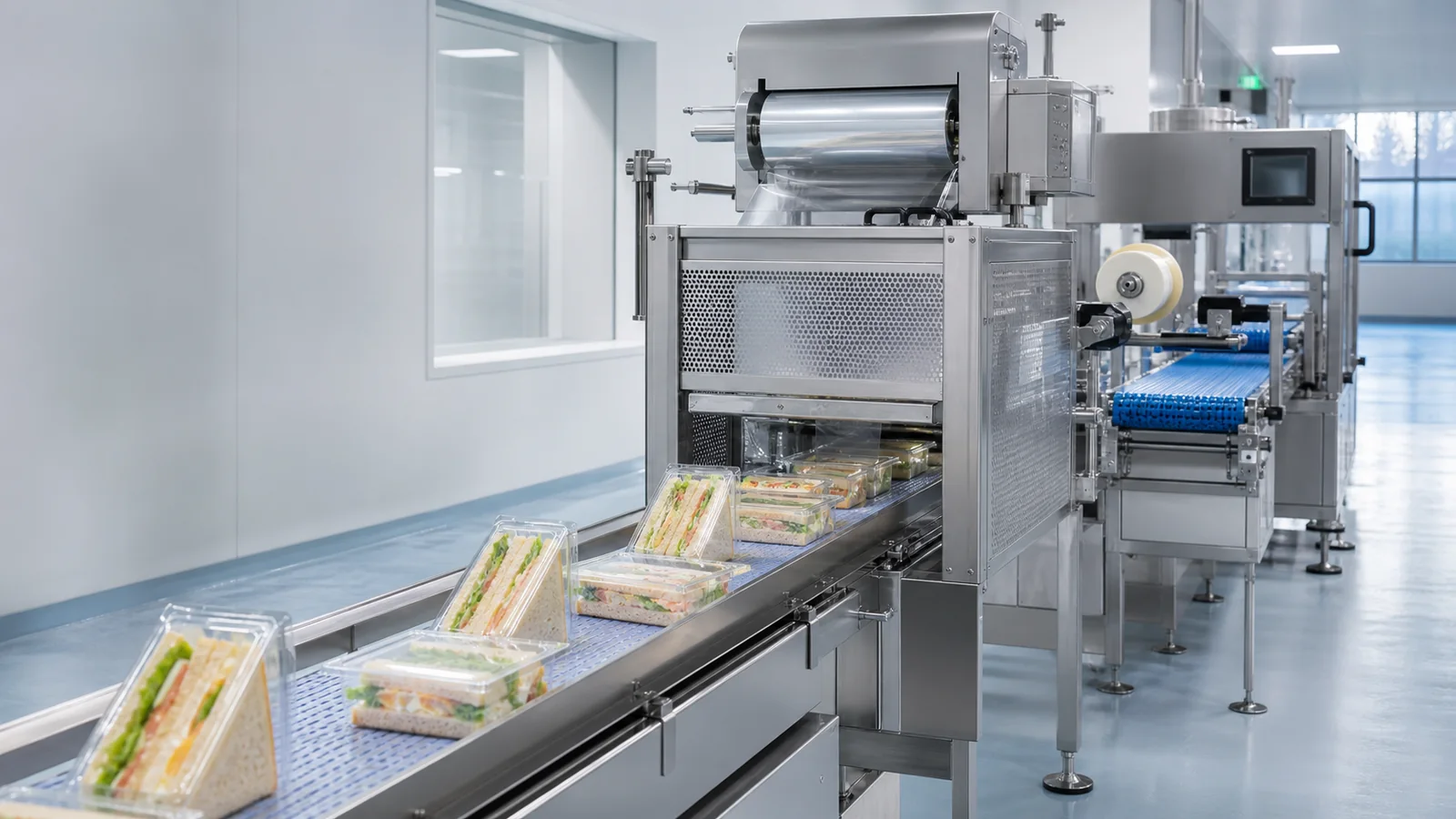
- PP, PET, or pulp trays differ in rim and heat-seal film compatibility; multi-compartment structures require complete sealing edges, and MAP has additional barrier requirements. Please provide sandwiches, all trays and film samples, freshness goals, cold chain requirements, capacity, and changeover frequency.
Solution summary prepared for you
- For sandwich multi-compartment trays, first check tray material, outer edge, and divider edges, then choose ordinary heat sealing, modified atmosphere sealing, or pre-cut sheet film process.
- Ordinary multi-compartment trays can be trial-sealed on a tabletop multi-compartment meal tray sealing machine; modified atmosphere projects are validated by a tray-type modified atmosphere sealing machine combined with product, tray fil...
- When sheet film is finalized and automatic pick-and-place is required, an automatic pre-cut sheet film pick-and-place tray sealing machine can be evaluated; film size and tray positioning must be checked together.
Route comparison
- Suitable for production without modified atmosphere tasks, using roll film or manual sheet film placement to seal multi-compartment trays.
- A tabletop multi-compartment meal tray sealing machine is convenient for first validating different tray types; molds can be made around the outer edge and divider edges.
- Manual tray placement and removal need to be included in the speed; rim deformation, food debris, and mold change operations all change sealing condition.
- When the project has clear modified atmosphere fresh-keeping tasks, or automatic pre-cut sheet film pick-and-place and continuous feeding are already determined, compare the corresponding dedicated routes.
- For ordinary multi-compartment trays, prioritize evaluating a tabletop multi-compartment meal tray sealing machine, and trial-seal each tray type and lid film compartment by compartment.
- Suitable for sandwich packaging that has proposed modified atmosphere goals and has matching trays, barrier film, gas plan, and cold chain validation process.
- A tray-type modified atmosphere sealing machine can perform gas flushing during the film sealing process, making it convenient to combine sealing and modified atmosphere inspection in the same validation flow.
- Product formula, trays, film material, gas, and cold chain conditions need to be tested as a set; ordinary heat sealing results cannot replace modified atmosphere validation.
- When only conventional film sealing is required and there is no modified atmosphere inspection or fresh-keeping validation task, ordinary heat sealing should be used first.
- Modified atmosphere process uses a tray-type modified atmosphere sealing machine; the project party also provides gas conditions and inspection judgment methods.
- Suitable for production where film specifications, tray positioning, and feeding cycle are stable, and where automatic film pick-and-place or continuous conveying is needed.
- Pre-cut sheet film equipment can automatically complete film pickup and placement; a continuous sealing line is convenient for connecting stable upstream and downstream processes.
- Film size, static or sticking condition, tray positioning, changeover time, and abnormal tray rejection should all be actually validated.
- When tray types change frequently, the film is not yet finalized, or single-tray sealing conditions are still being adjusted, a more flexible trial method should be retained.
- For sheet film pick-and-place, use an automatic pre-cut sheet film pick-and-place tray sealing machine; for continuous upgrade, use a chain plate cup/tray continuous sealing line.
Associated Equipment / Consumables
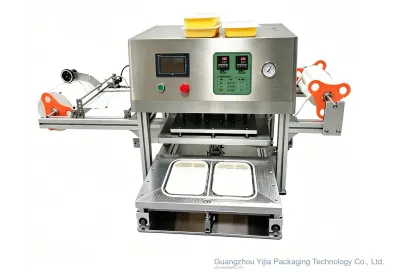 Tabletop Multi-Compartment Meal Tray Sealer
Desktop Multi-Compartment Lunch Box Sealer: Modified atmosphere fresh-keeping sealing; Modified atmosphere is not a synonym for ordinary heat sealing; gas plan, residual oxygen inspection, and freshness validation met...
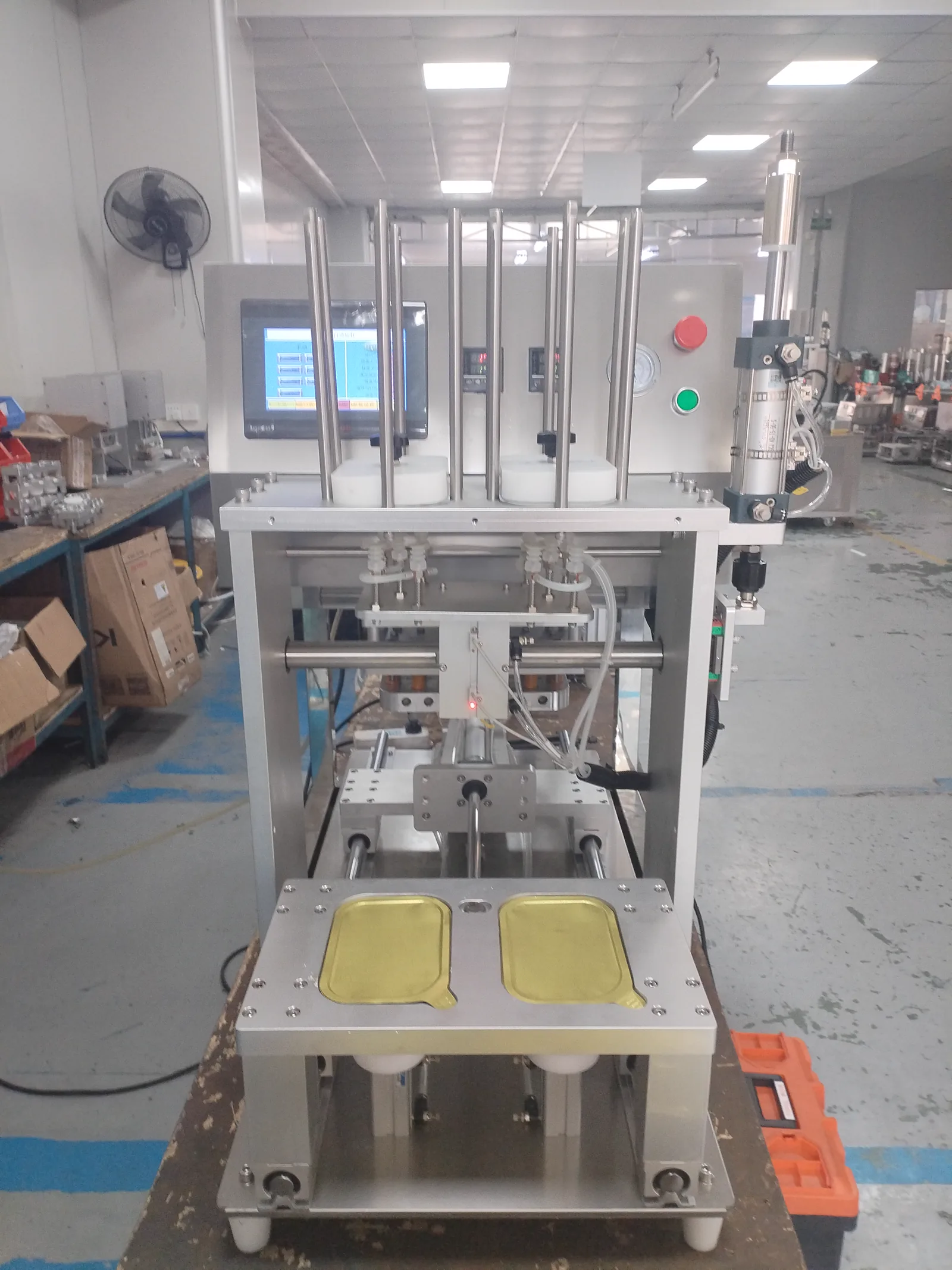 Automatic Pre-Cut Lid Pick-and-Place Tray Sealer
Tray, product, and film material samples; PP, PET, and pulp trays cannot be grouped only by appearance; when changing materials or supply batches, recheck the heat sea...
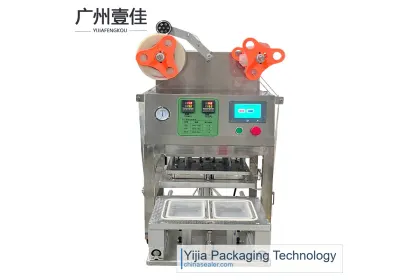 Benchtop Roll-Film Tray Sealing Machine
Tray, product, and film material samples; PP, PET, and pulp trays cannot be grouped only by appearance; when changing materials or supply batches, recheck the heat sealing wind...
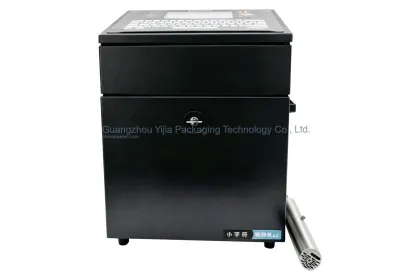 Date & Batch Inkjet Printer
Modified atmosphere fresh-keeping sealing; Modified atmosphere is not a synonym for ordinary heat sealing; gas plan, residual oxygen inspection, and freshness validation methods should be...
Core process
Trial-seal each tray's outer edge, compartment structure, and film material pairing, while observing whether sandwich packing contaminates the sealing surface.
When modified atmosphere is not used, a tabletop multi-compartment meal tray sealing machine can be used for ordinary heat sealing, with molds made according to the actual sealing surfaces of the outer edge and divider edges.
When the project proposes modified atmosphere fresh-keeping goals, the tray-type modified atmosphere sealing machine should be tested together with product, trays, modified atmosphere film, and cold chain process.
Through photos and actual trays with packed product, check outer edge width, divider edge continuity, tray deformation, and sealing surface cleanliness.
Specify lid film material, roll direction or sheet film size, and indicate ordinary refrigeration or modified atmosphere fresh-keeping, so that feeding and sealing tests can be arranged.
First distinguish between ordinary heat sealing, modified atmosphere, or pre-cut sheet film processes, then determine whether to enter continuous line integration based on tray stability, changeover frequency, and upstream packing method.
Sample details
The mold contact surface is determined by actual tray mouth samples; for multi-compartment structures, also check the height and flatness of each divider edge.
Provide actual PP, PET, or pulp trays, and note length, width, height, outer edge, and compartment structureTrays and lid film must be trial-sealed as a pair; the test will record film surface, peel performance, and condition of each sealing edge.
Submit roll film or pre-cut sheet film separately, and specify material, roll direction, and corresponding tray typeGrease, moisture, or crumbs may fall on the sealing surface; packing action and pre-sealing inspection affect sealing stability.
Provide actual sandwiches, salads, or side dishes, as well as packing height and rim cleaning methodWhether to use a tray-type modified atmosphere sealing machine depends on a clear freshness validation task, not just the packaging name.
Specify ordinary refrigeration or modified atmosphere needs, and attach gas plan, inspection method, and transport conditionsThis information is used to compare the operational integration and changeover burden of tabletop equipment, pre-cut film equipment, and continuous sealing lines.
Specify planned speed, changeover frequency, existing packing method, and available spaceCommon selection mistakes
Before mold confirmation, inspect empty and filled trays, recording edge heights, deformation, and rim contamination.
Test each tray-film combination separately and keep samples; when changing supply batches, recheck key sealing conditions.
First write down the freshness conditions to be verified, then arrange tray-type modified atmosphere sealing machine trials and inspection records.
Use official pre-cut film and filled trays for continuous trial placement, observing repeatability of film pickup, placement, and position before sealing.
First complete tray-film trial sealing and changeover validation, then configure the chain plate cup/tray continuous sealing line according to actual speed.
View detailed technical notes
First Check Tray Material, Rim, and Freshness Goal
When selecting a machine for sandwich trays, check the PP, PET, or pulp material, the outer edge and divider structure, and whether the goal is normal refrigeration or modified atmosphere preservation. Different tasks require different lidding films and sealing equipment.
Multi-Compartment Trays Need Verification Cell by Cell
After the sandwich and side dishes are separated into compartments, a sealed outer edge does not guarantee that every divider edge is properly sealed. Filled state, tray deformation, and rim residue should all be checked during trial sealing.
Start with a Tabletop Multi-Compartment Machine for Standard Heat Sealing
When there is no modified atmosphere requirement, a tabletop multi-compartment meal tray sealing machine can be used with actual trays and lidding film samples. The mold is made according to the continuous sealing surface, and changing tray types requires re-verification.
MAP Requires a Separate Verification Process
Modified atmosphere preservation is handled by a tray-type MAP sealing machine. In addition to the seal condition, the results should be evaluated based on the gas scheme, barrier film, inspection method, and cold chain conditions specified in the project.
For the Pre-Cut Film Route, First Stabilize Pick-and-Place Conditions
When using an automatic pre-cut film pick-and-place tray sealing machine, the film shape, stacking condition, and tray positioning must be tested simultaneously to avoid film misalignment over the sealing edge, and then the mold can be confirmed accordingly.
Complete Tray and Film Samples Are the Basis for Mold Making
Submit all trays and their corresponding lidding films, along with samples filled with sandwiches. The trial sealing record should cover the film surface, each sealing edge, tray compression, and opening performance.
Main Machine Selection Follows Process Differences
Standard heat sealing, MAP, and pre-cut film are not different names for the same main machine. The freshness task, film format, and automatic feeding method each constrain the equipment.
Connect the Continuous Line Only After the Process Is Stable
After tray positioning, sealing parameters, and upstream filling are stabilized, use a chain-plate cup/tray continuous sealing line to connect production, and verify changeover and abnormal tray flow.
Common questions
Can you initially determine the equipment direction with only tray photos?
You can first use photos, outer dimensions, box material, and freshness goals to distinguish between ordinary heat sealing and modified atmosphere. Mold and sealing parameters still need to be tested after receiving all box types and corresponding film materials.
What should be prepared when sending samples?
Please submit finished sandwiches, trays of each specification, ordinary film or modified atmosphere film, packing height, cold chain process, planned speed, and changeover arrangements.
Why check every divider edge on multi-compartment trays?
Sealing the outer edge does not mean all compartments are properly sealed. Differences in divider edge height or flatness can cause insufficient local sealing, so check the film surface and seal edges for each compartment.
How to distinguish between ordinary heat sealing and modified atmosphere sealing?
Ordinary heat sealing focuses on tray-film sealing and transport condition. Modified atmosphere also requires clear freshness goals, gas plan, barrier film, and inspection methods; the equipment and validation process are different.
When to consider pre-cut sheet film equipment?
When the sheet film format is confirmed and film size, pick-and-place, and tray positioning can be stably controlled, an automatic pre-cut sheet film pick-and-place tray sealing machine can be evaluated.
What prerequisites are needed for a continuous sealing line?
The box type, packing state, and sealing process should be stabilized first, and the upstream feeding and downstream conveying should have compatible speeds, then verify the positioning and changeover of the chain plate line.