Solution topic
Toothpaste tube filling and tail sealing, special cap handling, and tail coding
Explains the combination logic of fully automatic tube filling and tail sealing, special cap tube sealing, tail coding, and online checkweighing/vision verification. Tube material,
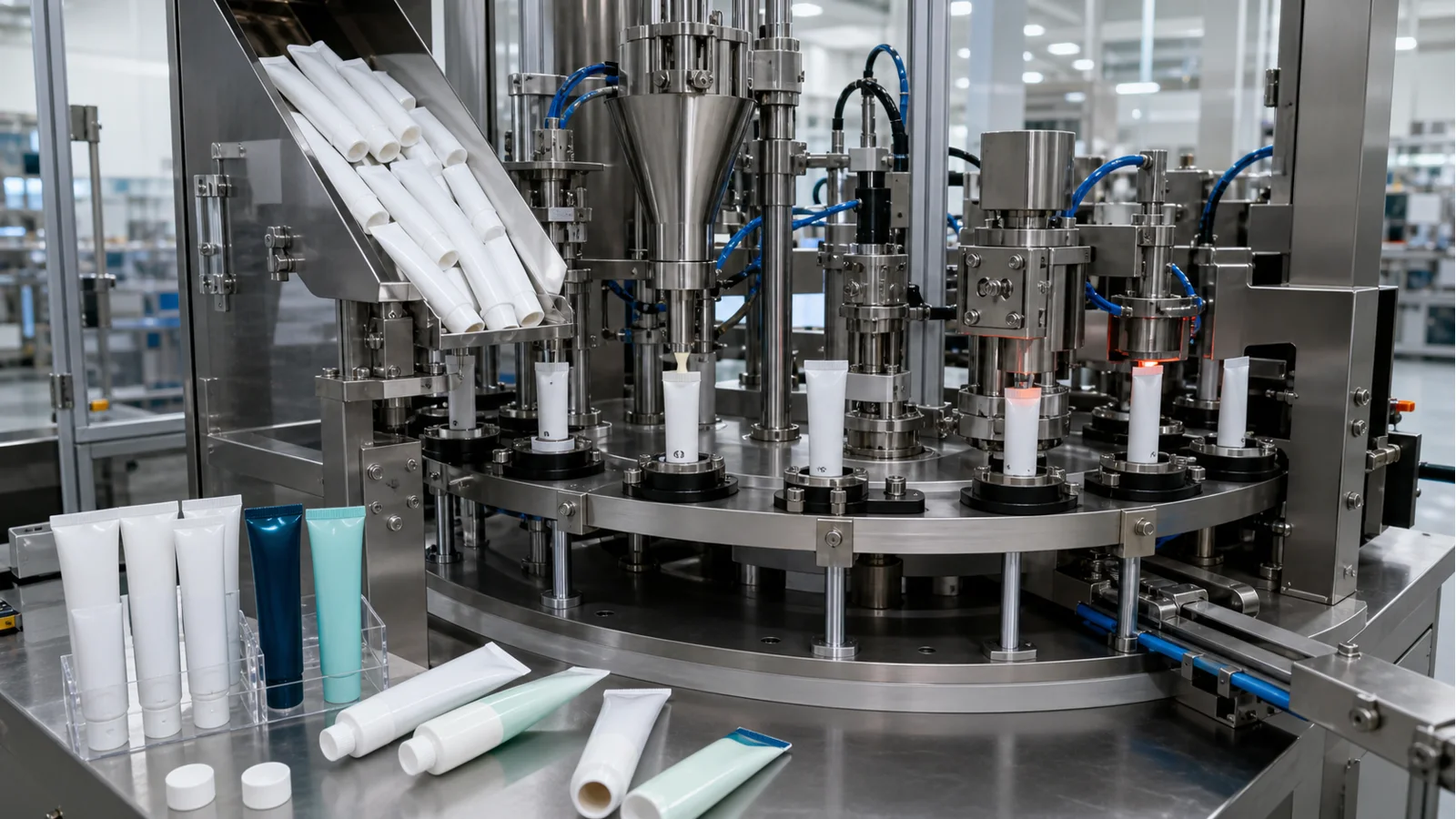
- Plastic tubes, aluminum-plastic composite tubes, and special cap tubes require different positioning and tail sealing conditions. Toothpaste consistency, tube diameter, tube length, and tail blank space should all be provided for tube testing.
Solution summary prepared for you
- For the toothpaste tube line, first fix tube material, diameter, length, special-shaped cap, and tail blank, then verify paste filling, tail sealing, and character position.
- The fully automatic tube filling and sealing machine handles the regular main line, and special-shaped cap tubes enter a dedicated branch. The tube tail sealing and coding machine handles the corresponding tail seal character station.
- Submit empty tubes, cap parts, toothpaste actual material, and target tail seal samples to simultaneously verify positioning, filling, sealing, coding, and finished product appearance recheck.
Route comparison
- Suitable for projects where upstream filling already exists, or where only sample verification of tube material and tail seal appearance is needed.
- The tube tail sealing and coding machine is convenient for first confirming tail sealing, characters, and edge trimming, and is suitable for validation when upstream filling already exists.
- It does not replace complete toothpaste metered tube filling; manual tube feeding and finished product collection also limit continuity.
- When continuous positioning, filling, and tail sealing from empty tubes are required, configuring only independent tail sealing equipment is not appropriate.
- When toothpaste is already filled by another station, the tube tail sealing and coding machine can be used first to verify tail sealing and character position.
- Suitable for projects where standard tubes and toothpaste are finalized and stable filling, sealing, and tail sealing are needed.
- The fully automatic tube filling and sealing machine can place positioning, toothpaste filling, and tail sealing in the same main process.
- Tube size, material, color mark, tail space, and toothpaste flow behavior must be sealed as samples before continuous production.
- When tube material supply is unstable, special cap structure is undecided, or toothpaste has not been trial-filled, it is not advisable to lock a continuous configuration directly.
- With the fully automatic tube filling and sealing machine as the core, connect date/batch coding and online checkweighing and vision inspection systems as needed.
- Suitable for projects where caps, tube openings, or tube shapes deviate from standard structures and require special positioning and tail sealing actions.
- The special cap tube sealing solution can be designed around special cap types, tube openings, and clamping conditions.
- Special fixtures depend on complete sample sets; after changes to tube/cap or tail structure, re-verification is required.
- When standard tubes can be stably handled by the fully automatic tube filling and sealing machine, the special cap branch is not necessary.
- First submit the complete tube/cap combination, let the special cap tube sealing solution confirm positioning and tail sealing, then decide on coding and inspection.
Associated Equipment / Consumables
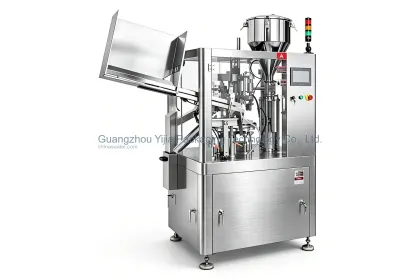 Special-Cap Tube Tail Sealing and Coding Machine
The machine closes the tail of prefilled plastic or laminated tubes and can connect to a filling station. Confirm tube material, diameter, length, cap geometry, product condition, seal pattern, code position and trim...
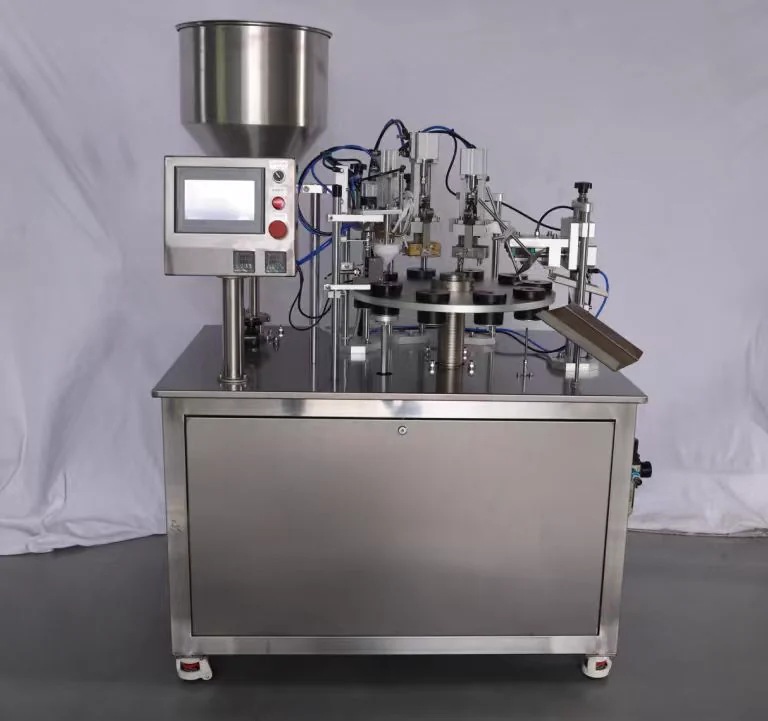 Automatic Tube Filling and Sealing Machine
Tube feeding, filling, and tail sealing branch; Fully automatic tube filling and sealing machine, special-shaped cap tube sealing solution, and tube tail sealing and coding...
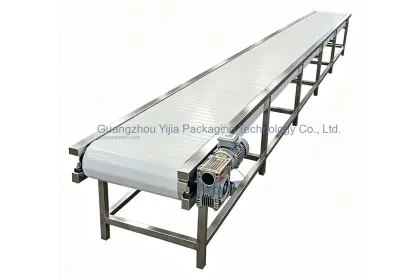 Food Packaging Conveyor and Buffer Line
Tube orientation conveying; Tubes may roll or change orientation; conveyor rails and spacing must be confirmed with actual finished products; Food-grade conveyor line
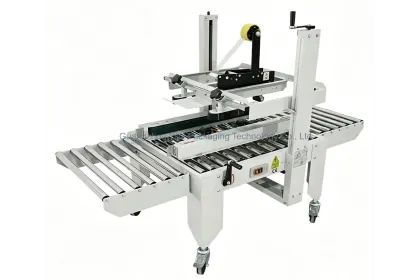 Carton Sealing and Outer Case Labeling Line
Tube orientation conveying; Tubes may roll or change orientation; conveyor rails and spacing must be confirmed with actual finished products; Food-grade conveyor line
Core process
The fully automatic tube filling and sealing machine handles toothpaste tube feeding and tail sealing. Special-shaped caps or tail-sealing-only operations enter the corresponding branch.
The date and batch inkjet coder can handle additional traceability information, while tail seal characters are first confirmed by the tube tail sealing and coding machine.
If the tube body requires labels, first check tube deformation, adhesion surface, and label material, then determine the handling method separately.
The online checkweighing and visual inspection system can recheck according to agreed weight and tail seal appearance; other inspections are selected based on risk.
The food-grade conveyor line connects tail sealing, marking, and inspection according to tube orientation and station interfaces.
When carton delivery requirements exist, evaluate the case sealing and outer box labeling line and manual packing boundaries.
Sample details
Describe the sales finished product of the toothpaste tube, opening method, tail appearance, and batch number requirements, and indicate whether it is a new filling and sealing line or only tail sealing supplementation.
Finished product photos, tube usage, cap type, tail seal appearance, character content, and project stage.Plastic tubes, aluminum-plastic laminated tubes, and special-shaped cap tubes have different rigidity and tail materials; measure tube diameter, length, tail blank, and color marks.
Empty tubes of each specification, cap parts, tube diameter and length, tail structure, color mark position, and filled paste finished products.Toothpaste viscosity, stringiness, and cleaning requirements change the tube feeding action, while tube material determines the focus of tail sealing and coding tests.
Toothpaste actual material, material state, cleaning method, tube material, tail seal characters, and consumables.List in order: tube feeding, positioning, filling, tail sealing, edge trimming or coding, weight and appearance recheck, collection, and case packing.
Planned processes, manual tube feeding method, existing equipment, marking content, inspection items, and outer box requirements.Planned takt time, tube change frequency, cleaning, tube conveying orientation, and workshop layout together determine the equipment and downstream boundaries.
Production plan, layout drawing, changeover list, cleaning conditions, utilities, budget, and delivery milestones.Common selection mistakes
Cups, boxes, and trays are sealed with flat film, and the positioning and force application are different from toothpaste tube tail sealing, which is a different process.
Bottle liquid equipment focuses on bottle mouth filling and cap closure, and cannot replace tube positioning, tail sealing, and edge trimming.
Tube material, diameter, tail blank, and toothpaste condition all change the tail seal appearance and coding position.
When the project is still in the trial stage, connecting checkweigher, metal detector, conveyor, and outer box downstream all at once increases debugging variables.
MAP tray equipment handles flat box film and does not perform toothpaste tube tail sealing; packaging structures cannot be mixed.
View detailed technical notes
Three types of tube equipment by process branch
The core processes for toothpaste tubes are positioning, metered filling into the tube, and tail sealing. Standard tube types are handled by a fully automatic tube filling and sealing machine. Special caps or special tube openings are transferred to the special cap tube sealing solution. When only tail sealing and coding are needed, the tube tail sealing and coding machine serves as a standalone option.
First check the existing upstream process and tube/cap structure
The three machines cannot be ranked simply by speed. First check whether the upstream process already performs filling, then consider the tube material, diameter, special caps, and tail coding requirements: choose the fully automatic main machine for complete filling and sealing, evaluate special caps separately, and consider standalone tail sealing only for tubes that are already filled.
Arrange coding and inspection after the main machine
After the main machine is determined, a date/batch inkjet coder can add traceability information. An online checkweigher, food metal detector, or online checkweighing and vision inspection system is selected according to the agreed inspection items. Food-grade conveying lines and case sealing with outer case labeling are configured separately based on the finished product orientation and delivery packaging.
Confirm tail code, inkjet code, and finished product verification separately
Tail coding is primarily confirmed by the tube tail sealing and coding machine based on the tail space. Additional date information is then evaluated with a date/batch inkjet coder. Weight, metal foreign objects, and tail seal appearance each have different inspection methods; auxiliary equipment is added only after the inspection standards are clear. Before inspection, the tube orientation, tail seal defect types, and rejected product destination must be fixed.
Tube orientation determines conveying and outer case connection
Finished tubes tend to roll or change direction, so the guards, spacing, and connections of the food-grade conveying line should be adjusted using actual samples. For carton shipment, the case sealing and outer case labeling line can be evaluated separately, noting that downstream cooperation is not part of the tube filling and sealing main machine.
Test tube material, tail seal, and coding consumables together
Empty tubes, tail sealing consumables, and batch coding consumables must be tested together with the actual toothpaste. Labels, inkjet ink, and thermal transfer ribbon should be confirmed according to material and code content. When changing tube type, re-check the clamping, filling position, and tail sealing components.
Exclude tray, bottle, and bag mouth processes
Tray tray modified atmosphere, bottle screw capping, and bag mouth heat sealing are not tube tail sealing processes. Even if the equipment name contains "filling" or "sealing," as long as the container positioning and closing part differ, it cannot replace the tube main machine.
Lock the solution with empty tubes, toothpaste, and tail seal samples
Selection documentation should include empty tubes of each specification, special caps, actual toothpaste, target tail seal samples, and code content. After completing filling, tail sealing, appearance, and weight records with the same batch of samples, confirm the molds, change parts, and downstream interfaces.
Stabilize core filling and sealing before expanding downstream
For a new line, first lock the filling and tail sealing and tail coding, then add checkweighing, vision, or metal detection according to acceptance requirements, and finally decide on conveying and outer case. If the budget is limited, implement in stages, but reserve tube orientation and equipment interfaces in the layout.
Common questions
Which pastes can be used for tube filling and tail sealing tests?
Validation should be done with actual paste samples. The viscosity, stringiness, and cleaning conditions of toothpaste, ointment, or cosmetic paste differ, so judgment cannot be based on product name alone.
Can the tail sealing or coding station handle QR codes?
First confirm the final coding capability, character content, and adhesion to the tube material of the tube tail sealing and coding machine and the date/batch inkjet coder before deciding whether to use QR codes.
Which parts need to be replaced when tube dimensions change?
Usually, positioning, clamping, and tail sealing components need to be adjusted or replaced. Please provide all tube diameters, lengths, and tube material samples for a unified evaluation.
Can planned output be judged by a single speed?
Whether medium batch production can be met depends on the complete cycle of tube feeding, filling, tail sealing, coding, tube removal, and inspection, and cannot be judged by a single speed range.
When does a single tube machine need a conveyor line?
For single-machine validation, manual collection is acceptable. When tail sealing, coding, and inspection need continuous connection, a food-grade conveyor line should be configured based on tube orientation and site conditions.
How to confirm tail sealing for toothpaste tubes with special-shaped caps?
Submit special-shaped caps, complete tubes, and tail-sealed finished products together, and let the special-shaped cap tube sealing solution confirm fixtures, positioning, and tail sealing actions.