Solution topic
How to Choose Sandwich Box Sealing and Fresh-keeping Packaging? Start With Refrigerated Conditions, Display Method and Serving Volume
For sandwich tray sealing and freshness packaging, first confirm the container, product condition, film, lid style, output target, and in-line requirements. The equipment route usually includes sample and container review, sealing machine selection, film and tooling confirmation. Sending sample photos, dimensions, and target capacity helps us match equipment and prepare a quotation.
- Sandwich packaging is not limited to one sealing method. First confirm chilled storage conditions, shelf-life target, display style, and daily output, then decide whether standard tray sealing, MAP freshness packaging, or bag packaging is more suitable.
- How to Choose Sealing and Fresh-Keeping Packaging for Sandwich Boxes
Real customer question
We make sandwiches and need sealing and freshness packaging equipment. Can you first help us judge which route is suitable?
First determine the packaging route
Sandwich packaging is not limited to one sealing method. First confirm chilled storage conditions, shelf-life target, display style, and serving volume, then decide between standard tray sealing, MAP freshness packaging, and bag packaging.
Standard Tray Heat-Press Sealing
Suitable for same-day sales or short-distance delivery where sandwiches only need dust and moisture protection, not longer chilled shelf life. Advantages: simple equipment, fast changeover, and low film cost. Limits: sealing quality depends on film and tray-rim compatibility, so sample testing is required. Not recommended when better chilled shelf life, leak resistance, or moisture protection is needed; in those cases, evaluate MAP or a higher-sealing-grade route. Equipment direction: published desktop top-film tray sealers and premade tray sealing machines can be fitted with tooling according to the tray shape.
Fresh-Keeping MAP Sealing
Suitable for sandwiches that need better chilled shelf life, usually 3 to 7 days, such as products sold in supermarket refrigerated displays. Advantages: gas replacement helps inhibit microbial growth and extend shelf life. Limits: MAP film and gas ratio must be matched, and the result should be confirmed by sample testing. Not recommended for same-day sales or very short shelf-life products because the MAP cost may be unnecessary; standard sealing can often meet the need. Equipment direction: the published MAP tray sealing machine supports vacuum, gas flushing, and heat sealing, with tooling configured by tray shape.
Bag Sealing (Premade Pouches or Continuous Bags)
Suitable when sandwiches are packed in premade bags or roll-film bags, often for convenience stores, takeaway, and other non-tray formats. Advantages: lower packaging material cost and flexible bag formats. Limits: bag packaging usually has weaker display appeal than tray packaging, and the sealing effect must be tested with the actual bag material and parameters. Not recommended when product appearance needs to be displayed or the tray shape must be maintained. Equipment direction: published premade pouch filling and sealing machines or continuous bag sealers can be configured according to the bag type.
Recommended equipment route: Sample and container confirmation
Tray opening size, shape, and rim flatness determine the tooling and sealing method.
Recommended equipment route: sealing host selection
Choose standard heat sealing or MAP tray sealing according to the shelf-life target. The machine can be configured for roll film or pre-cut film.
Recommended Equipment Route: Film Material and Tooling Confirmation
The film and tooling must match the tray rim, and the sealing result should be confirmed with samples.
Recommended Equipment Route: Downstream Marking and Inspection
Print production date and batch number; use labeling for brand and ingredient information.
Route comparison
- Suitable for same-day sales or short-distance delivery where the sandwich only needs dust and moisture protection, not extended chilled shelf life.
- Simple equipment, fast changeover, and lower film cost.
- The sealing result depends on film and tray-rim compatibility, so sample testing is needed.
- If better chilled shelf life, leak resistance, or moisture protection is required, MAP or a higher-sealing-grade route should be evaluated.
- Published desktop top-film tray sealers and premade tray sealing machines can be configured with tooling according to the tray shape.
- Suitable for sandwiches that need improved chilled shelf life, usually 3 to 7 days, such as products sold in supermarket refrigerated displays.
- Gas replacement helps inhibit microbial growth and extend shelf life.
- MAP film and gas ratio must be matched, and the result should be confirmed by sample testing.
- For same-day sales or short shelf-life products, MAP may add unnecessary cost; standard tray sealing is often enough.
- The published MAP tray sealing machine supports vacuum, gas flushing, and heat sealing, with tooling configured according to the tray shape.
- Suitable when sandwiches are packed in premade bags or roll-film bags, often used for convenience stores, takeaway, and non-tray packaging.
- Lower packaging material cost and flexible bag formats.
- Bag packaging usually has weaker display appeal than tray packaging, and the sealing result needs testing with the actual bag material and parameters.
- If the product needs strong visual display or must keep a tray shape, a tray sealing route is recommended.
- Published premade pouch filling and sealing machines or continuous bag sealers can be configured according to the bag type.
Core process
Associated Equipment / Consumables
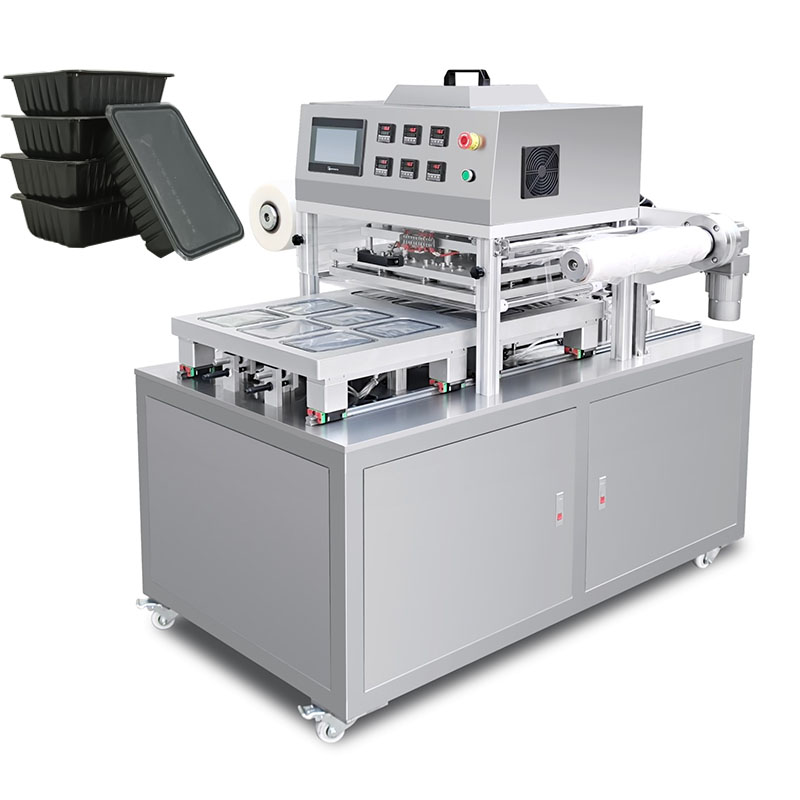 Tray MAP Sealer
Sample and container confirmation; Tray opening size, shape, and rim flatness determine the tooling and sealing method; Sandwich tray or meal-box sample
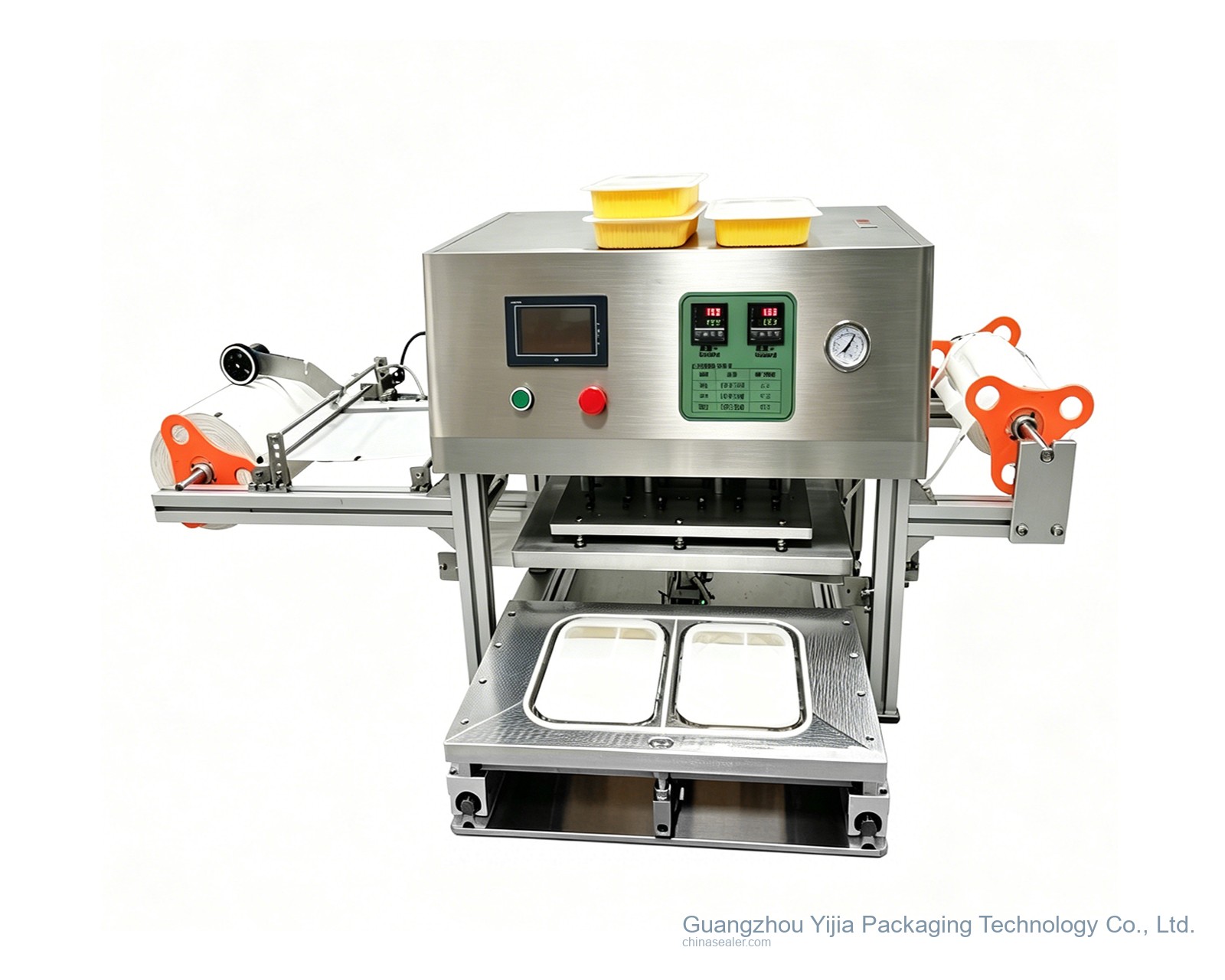 Desktop Multi-Compartment Lunch Box Sealer
Sample and container confirmation; Tray opening size, shape, and rim flatness determine the tooling and sealing method; Sandwich tray or meal-box sample
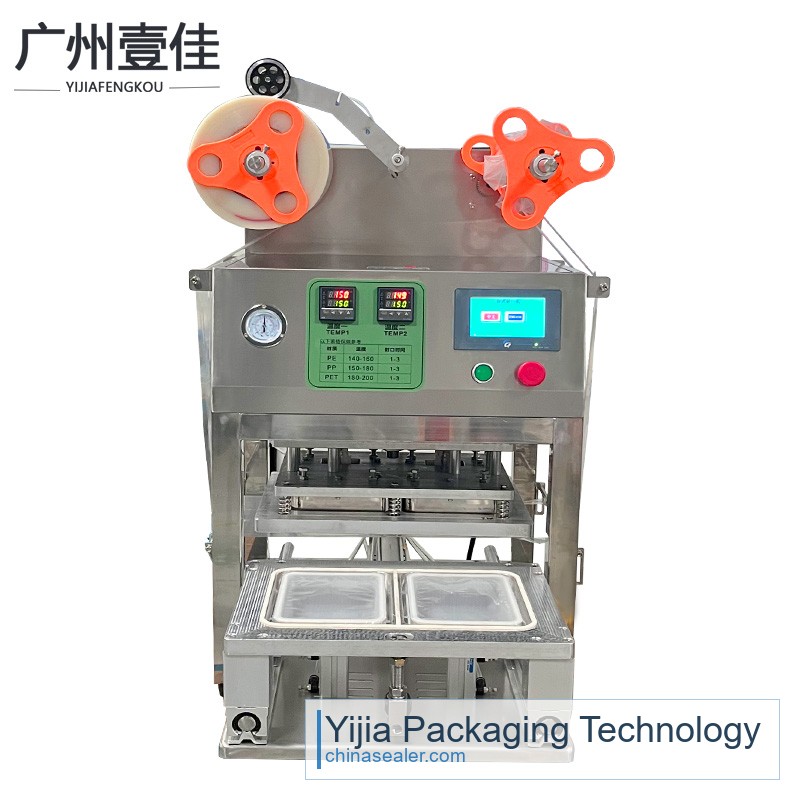 Bench-top Rollstock Tray Sealer
Sealing Main Machine Selection; Choose standard heat sealing or MAP tray sealing according to the shelf-life target. The machine can be configured for roll film or pre-cut film; Tray M...
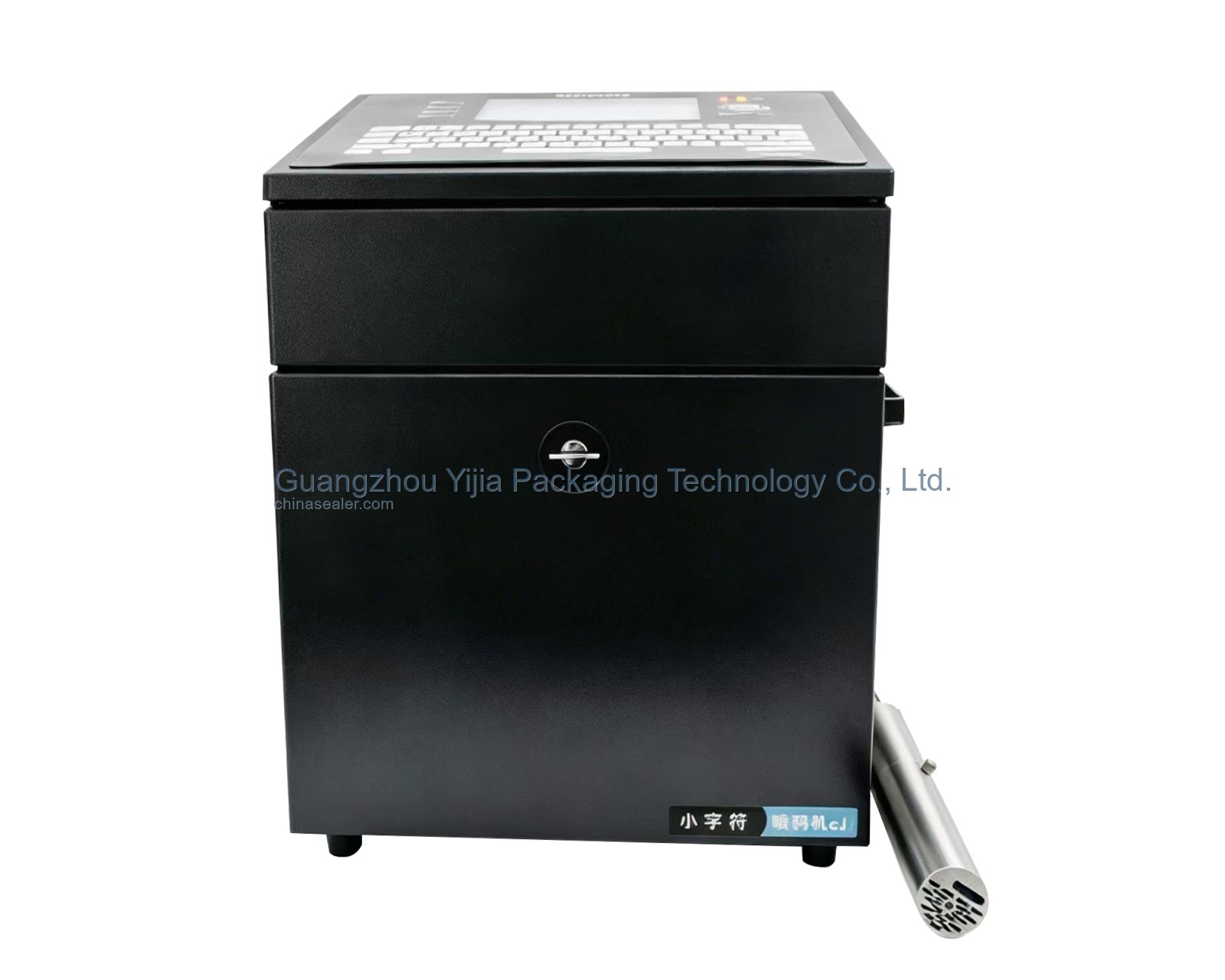 Date & Batch Inkjet Printer
Downstream Marking and Inspection; Print production date and batch number; use labeling for brand and ingredient information; Date/Batch Coding Machine and Round/Square Bottle Labeling Mac...
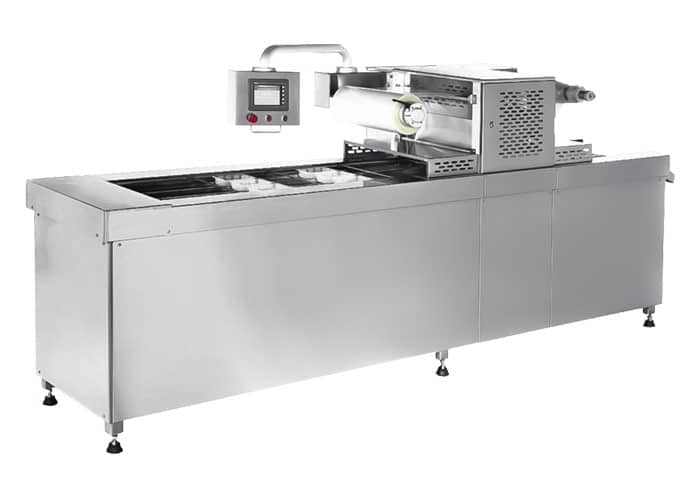 Preformed Tray Sealing Machine
Sample and container confirmation; Tray opening size, shape, and rim flatness determine the tooling and sealing method; Sandwich tray or meal-box sample
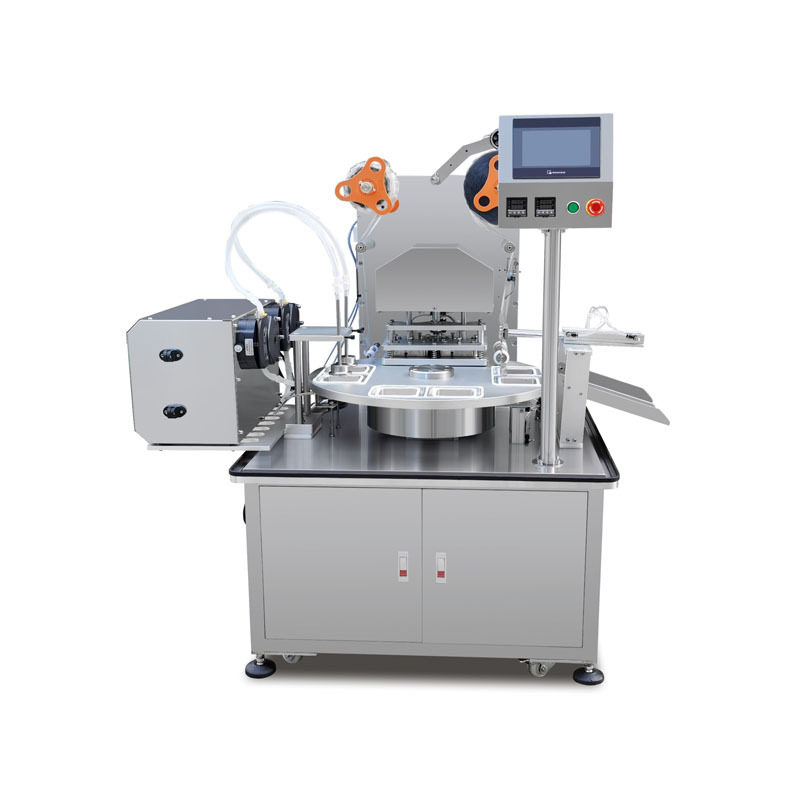 Rotary Multi-Station Sealing Machine
Sample and container confirmation; Tray opening size, shape, and rim flatness determine the tooling and sealing method; Sandwich tray or meal-box sample
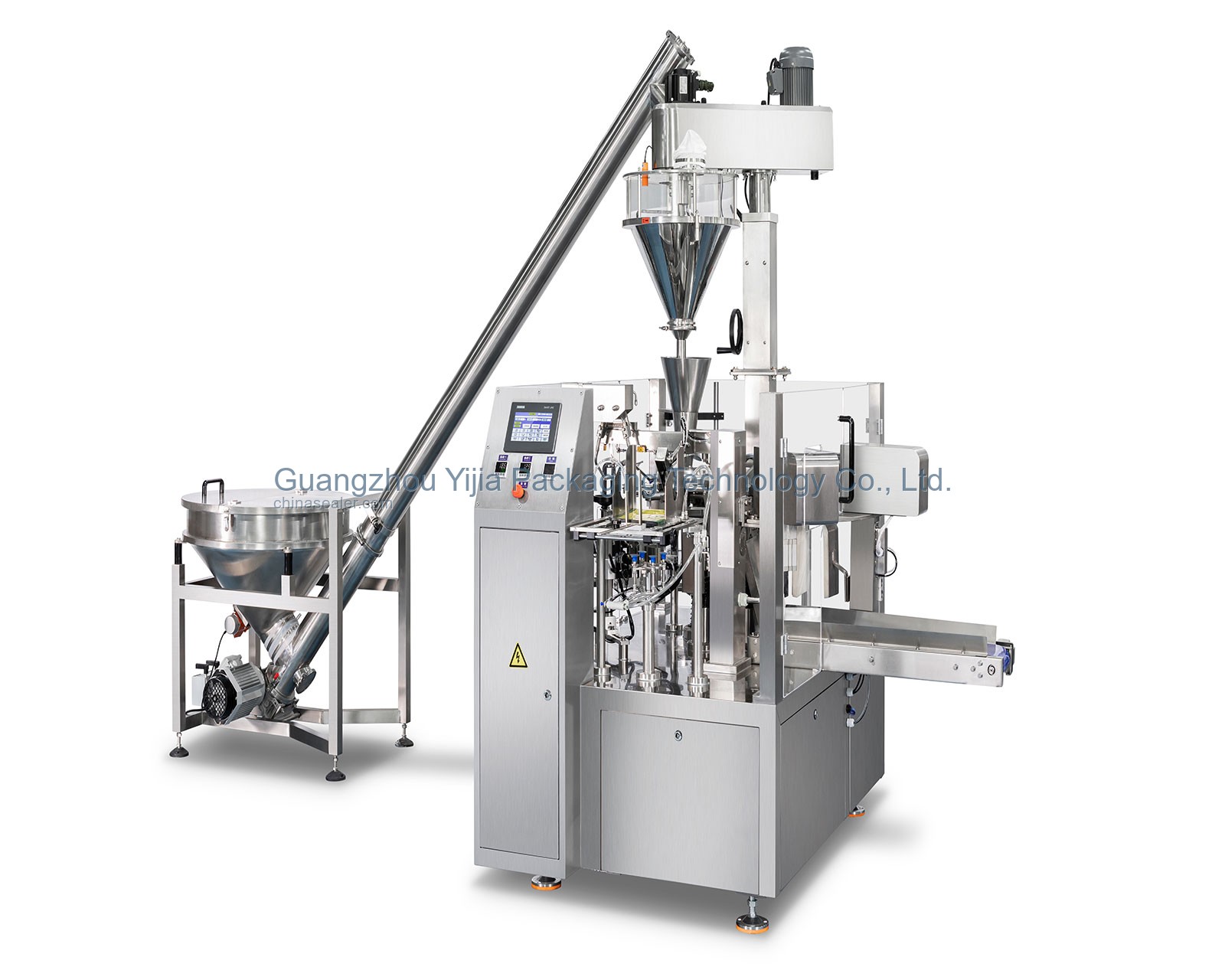 Premade Pouch Filling and Sealing Machine
Sample and container confirmation; Tray opening size, shape, and rim flatness determine the tooling and sealing method; Sandwich tray or meal-box sample
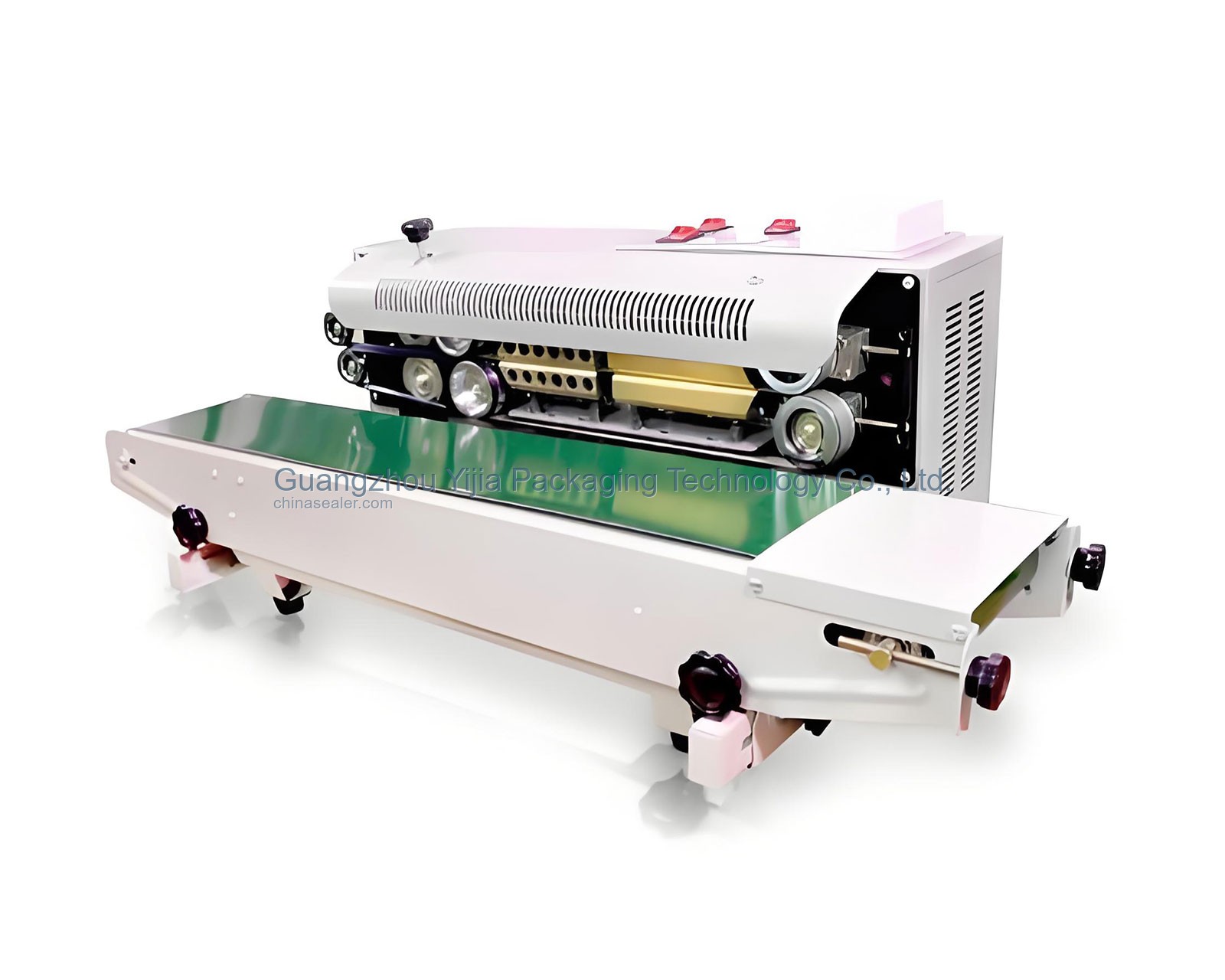 Continuous Bag Sealing Machine
Sample and container confirmation; Tray opening size, shape, and rim flatness determine the tooling and sealing method; Sandwich tray or meal-box sample
Sample details
Photos and dimensions can first determine container positioning, mold direction, and whether sample testing is needed.
Sandwich tray or meal-box sample, or photos plus dimensions, for confirming tray-rim shape and tooling.Photos and dimensions can first determine container positioning, mold direction, and whether sample testing is needed.
Sealing film sample, if available, for testing sealing effect and parameters.Capacity target determines single machine, semi-automatic, or continuous inline configuration, and also affects the quotation range.
Target output, such as boxes per hour or per day, which affects equipment configuration.Incomplete information can still be submitted; we will first determine the packaging direction and then list items that need to be confirmed.
Chilled storage conditions and shelf-life target, which determine whether MAP is needed.Site conditions affect electrical control, pneumatics, conveyor length, and safety protection configuration.
Site photos or a layout sketch, if available, to evaluate in-line space.Common selection mistakes
Common questions
Yes. Send tray photos, approximate dimensions, and target output first. We can judge the route first and then list the samples that should be provided.
Tray samples or dimensions, sealing film samples, target output, chilled storage conditions, and site layout if available.
Output determines whether a desktop machine, semi-automatic machine, or in-line system is suitable. Small batches can use a desktop model; higher volumes should consider rotary or multi-station in-line equipment.
Different films have different sealing temperatures, pressures, and sealing effects, so sample testing is needed to confirm suitable parameters.
Sealing performance should be confirmed by testing the film, container, and sample product, including seal strength, leakage, and easy-peel performance.
If there is upstream filling or downstream coding, labeling, or checkweighing, and the output is stable, an in-line layout is worth evaluating.