Solution topic
How to Configure a Flour or Milk-Powder Bagging Line
Flour, starch, milk powder, and seasoning powder require selection between pre-made bag filling and sealing or continuous bag mouth heat sealing based on powder flow, bag type, bag
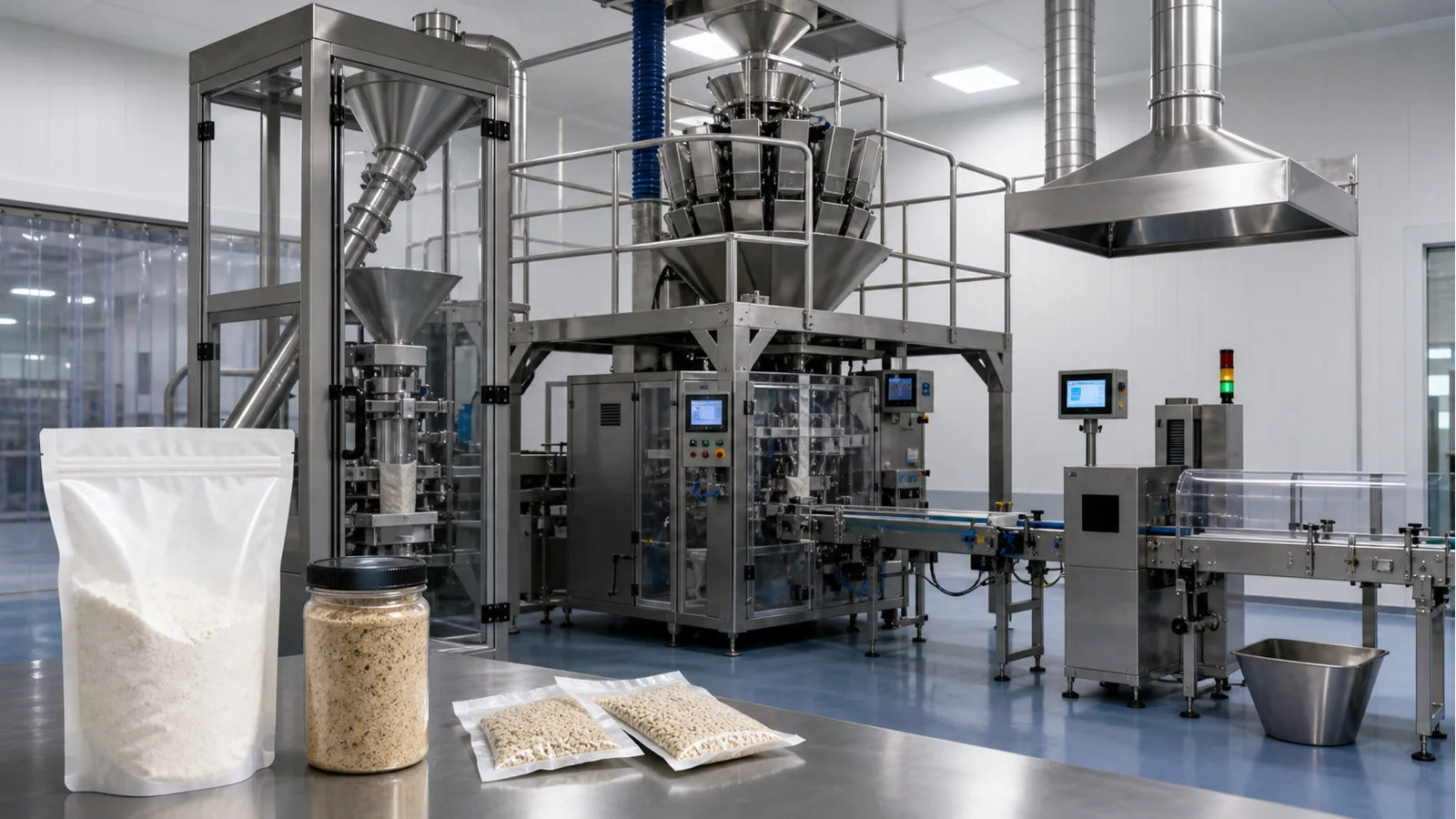
- Material flow and dust define dosing first; pouch format and incoming state then determine automatic pouch handling or continuous sealing.
Solution summary prepared for you
- For flour and milk powder bagging, first check whether the bag is already filled before entering the sealing station. If automatic empty pre-made bag picking and filling is needed, use the pre-made bag filling and sealing series; if only...
- The metering method of the powder granule filling machine must be confirmed with actual powder. Dust, caking, and flow conditions will also change discharge, bag mouth preparation, and cleaning arrangements.
- Bag sample photos can help identify three-side seal, back seal, or stand-up pouches, but gripping, opening, and heat sealing still require separate trials with official empty and filled bags.
Route comparison
- Empty pre-made bags require the equipment to complete bag supply or feeding, opening, optional metering filling, bag mouth preparation, heat sealing, and discharge.
- The single-lane/three-station pre-made bag filling and sealing machine series can be selected as compact or multi-station structure based on bag type and process.
- Bag width, length, opening, gripping position, heat seal layer, powder feeding, and manual assistance all require bag and material trials.
- When bags are already filled with powder manually or by upstream machine, and only bag mouth heat sealing remains, there is no need to duplicate automatic bag picking and filling actions.
- The pre-made bag filling and sealing series determines opening, metering interface, bag mouth preparation, and sealing stations based on actual empty bags and powder samples.
- When manual or upstream equipment has already completed bagging, the bag mouth can be flattened and continuously enter the heat sealing station along the conveying direction.
- The continuous bag sealing machine focuses on bag mouth heat sealing and conveying, and does not include upstream automatic bag picking and powder metering.
- Bag mouth dust, bag material thickness, seal width, bag orientation after filling, and conveying support need to be tested together.
- When the project requires the equipment to automatically pick empty bags, open them, and coordinate powder filling, the pre-made bag filling and sealing route should be adopted.
- The continuous bag sealing machine receives pre-filled bags; sealing conditions and conveying methods are determined by official bag samples and bag mouth cleanliness.
- Powder must be dosed and discharged first, then enter the pre-made bag main machine or the continuous sealing station after manual bagging.
- The powder granule filling machine can be used as upstream metering equipment, making it easier to confirm powder trials and bag type selection separately.
- Flow, caking, dust, drop distance, fill weight, and cleaning method will affect metering and bag mouth contamination control.
- When powder condition and bagging method have not been tested, the metering interface or line speed should not be fixed in advance.
- First test materials with the powder granule filling machine, then choose the subsequent sealing equipment based on automatic bag feeding or pre-filled bag incoming material.
Associated Equipment / Consumables
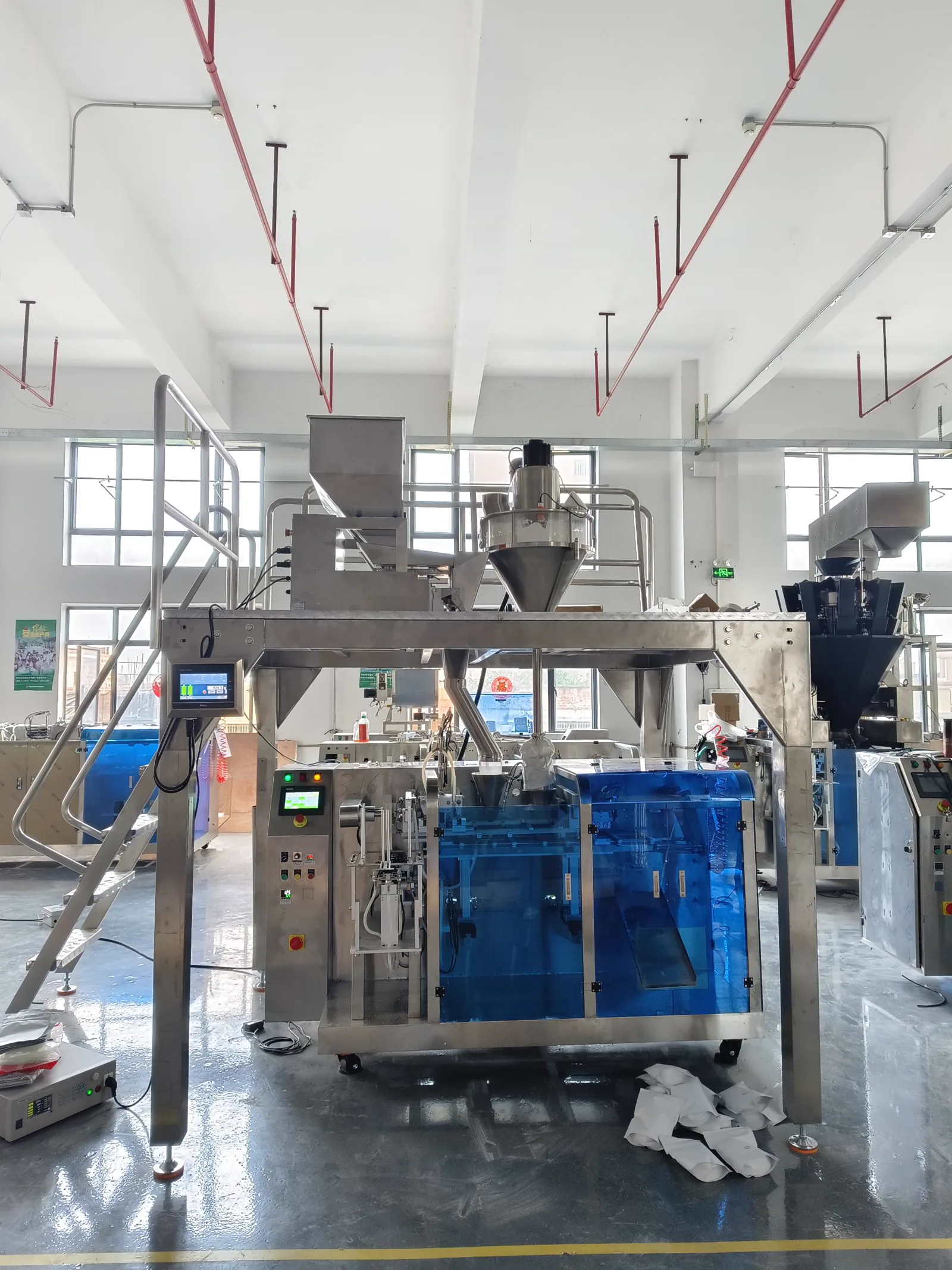 Powder and Granule Dual-Dosing Horizontal Premade-Pouch Machine
The machine packs powders, granules or products needing two dosing units into premade pouches. Confirm flow, bulk density, particle size, dust, static and fragility, separate dose tolerances, discharge sequence, pouch...
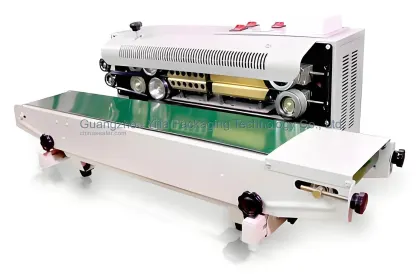 Continuous Bag Sealing Machine
Organize basic bagged product information; With only preliminary information, you can first distinguish automatic bag feeding or pre-filled bag sealing; the formal structure still requi...
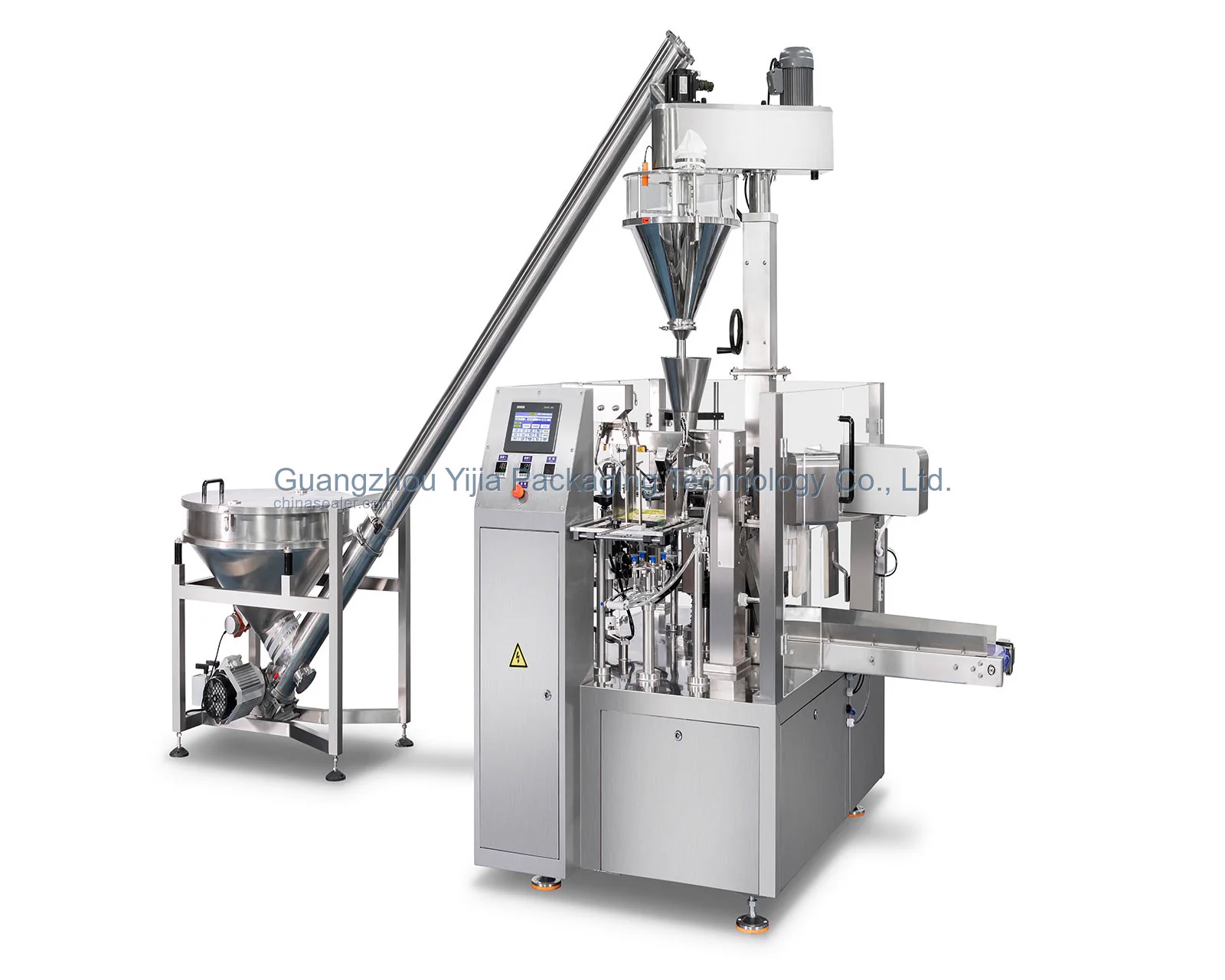 Single-Lane and Three-Station Premade Pouch Filling and Sealing Series
Establish separate sample groups for bag type and identification; The continuous bag sealing machine handles already formed bag mouths; it cannot...
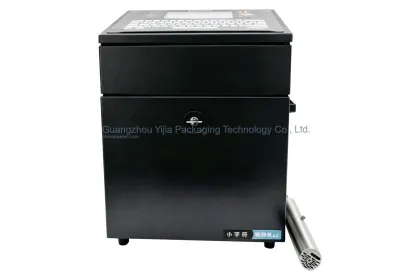 Date & Batch Inkjet Printer
Add batch code and post-seal inspection according to rules; Printing position should avoid seal edges and bag folding areas; inspection triggering and reject handling are confirmed based o...
Core process
Record powder flow, caking, and dust, and measure bag mouth, heat seal edge, bag bottom, and special opening structures.
When the equipment needs to automatically pick bags and coordinate metering, use the pre-made bag route; when bags are manually or upstream filled, only handle continuous bag mouth heat sealing.
Only when traceability content, weight range, and seal appearance have clear judgment methods should you arrange coding, checkweighing, or vision stations.
Photos are used to identify bag type and opening, dimensions are used to verify gripping and sealing, and powder description is used to troubleshoot metering and bag mouth contamination.
Flour, starch, milk powder, and seasoning powder should be retained as samples by powder and bag type combination; roll film bag making requires separate confirmation of the bag source.
First determine metering and discharge with actual powder, then choose the sealing main machine based on automatic bag picking or pre-filled bag incoming material, and only add downstream stations according to standards.
Sample details
This information is used to verify bag picking, gripping, opening, bag mouth preparation, and continuous conveying, and can also initially distinguish the two types of main machines.
Provide physical empty and filled bags, and indicate bag width, length, opening, heat seal edge, and structures such as zipper or spout.Powder trials are used to determine metering and discharge, and to observe whether the bag mouth needs cleaning or re-preparation after powder filling.
Submit samples of flour, milk powder, starch, or seasoning powder, and describe flow, caking, dust, fill weight, and cleaning requirements.Batch information is used to arrange metering, bag feeding, sealing, buffering, and cleaning; do not replace the entire process with a single equipment name.
List common bag types, quantity per batch, target production rate, changeover frequency, and manual assistance method.Only after the judgment criteria are clear can you configure coding, checkweighing, vision triggering, and reject handling positions.
Mark the batch code location on finished bags, and indicate whether weight, seal appearance, or other inspections are required.First determine whether it is automatic bag picking and filling or continuous sealing of pre-filled bags, then complete the required samples for material testing, bag testing, and post-seal inspection.
If physical samples are not yet complete, you can first submit bag photos, dimensions, powder description, and bagging process flow.Common selection mistakes
First draw the state of the bag as it enters the equipment, then decide whether bag feeding, metering, and bag mouth preparation stations are needed.
Use actual powder for filling trials, observe drop distance, dust, and powder entrapment locations, then optimize bag mouth preparation and cleaning actions.
Keep empty and filled bags for each common bag type, and verify opening, sealing, wrinkles, and discharge separately.
Record trial time and manual assistance for each process, then determine the number of stations, buffering, and line integration scope.
Mark traceability and inspection areas on finished bags first, then reserve space for conveying, triggering, and reject handling.
View detailed technical notes
First Check Whether Bags Are Already Filled When Entering the Machine
The key distinction in powder bagging is not the bag name, but the state before entering the sealing station. Empty pre-made bags go through bag picking, opening, and filling, while filled bags only need mouth straightening and continuous heat sealing.
Powder Trials Come Before Full Line Integration
Flour, milk powder, starch, and seasoning powder differ in flow, caking, and dust generation. First verify dosing, discharge, and bag mouth contamination with the actual powder, then decide on bag feeding and sealing actions.
Pre-Made Bag Route Handles Automatic Bag Picking, Filling, and Sealing
The single-lane/three-station pre-made bag filling and sealing machine series can handle bag supply or loading, bag opening, optional dosing filling, bag mouth straightening, and heat sealing. Bag type and powder must be tested together as a set.
Continuous Sealing Only Accepts Filled Bags
Continuous bag sealing machines are suitable for incoming bags that have been manually or previously filled. During trials, observe bag mouth flattening, powder entrapment, seal edges, conveying support, and bag discharge posture.
Which Sealing Equipment Does the Dosing Station Connect To?
The powder granule filling machine first determines dosing and discharge based on the actual powder. Downstream, if empty bags are automatically picked, connect to the pre-made bag filling and sealing series; if bags are manually filled, connect to a continuous sealing station.
Sample Materials Cover Empty and Finished Bags
For each bag type, provide empty bags, filled bags, and the actual powder. Bag width, bag length, opening, heat seal layer, seal edge area, and batch number position must correspond in the same specification.
Main Machine Selection Follows the Bagging Process
When automatic bag feeding is required, the pre-made bag filling and sealing series is the main machine. Already bagged products use a continuous bag sealing machine; continuous roll film cannot be fed directly into this equipment without bag making.
Downstream Coding and Inspection Added Per Standards
Date batch coding machines and online checkweighing and vision systems are only included in the conveying process after traceability content, weight range, seal edge appearance, and reject handling methods are clarified.
Common questions
With only bag photos, can you first distinguish between automatic bag feeding and continuous sealing?
Start by checking the bag type, opening, and incoming material condition. If the bags are already filled with powder before entering the machine, you can evaluate continuous sealing. If you need automatic empty bag picking and filling, proceed to pre-made bag equipment trials.
What materials should be prepared to start solution confirmation?
Please provide actual powder, empty bags, and filled bags, and specify fill weight, bag opening structure, dust control requirements, production rate, batch code location, downstream inspection, and site conditions.
Which workstations are involved in the production rate?
It involves metering wait, bag picking and opening, bag mouth preparation, sealing hold time, buffer conveying, and downstream inspection. Also include powder changeover and cleaning time in the process.
Why is it necessary to use official bag samples for sealing trials?
Even if the bag material name is the same, there may be differences in thickness, heat seal layer, gusset, and opening. Only official bag samples can verify gripping, opening, sealing, and discharge orientation.
How should the post-sealing condition of powder bags be inspected?
Check seal continuity, powder entrapment, wrinkles, and leakage signs according to the agreed method, and determine the sample retention method based on bag material and filling condition.
Under what conditions should the equipment be connected into a line?
Only when metering, bag picking or feeding, sealing, and downstream inspection are stable, and the pace of each workstation can be coordinated, should you design conveying, buffering, and control interfaces.