Solution topic
How to Select a Coffee Capsule Filling and Sealing Line
Explains the upgrade path for coffee capsules from small-batch sealing sampling, dedicated filling and sealing integrated machine, to conveying, date coding, inline checkweighing,
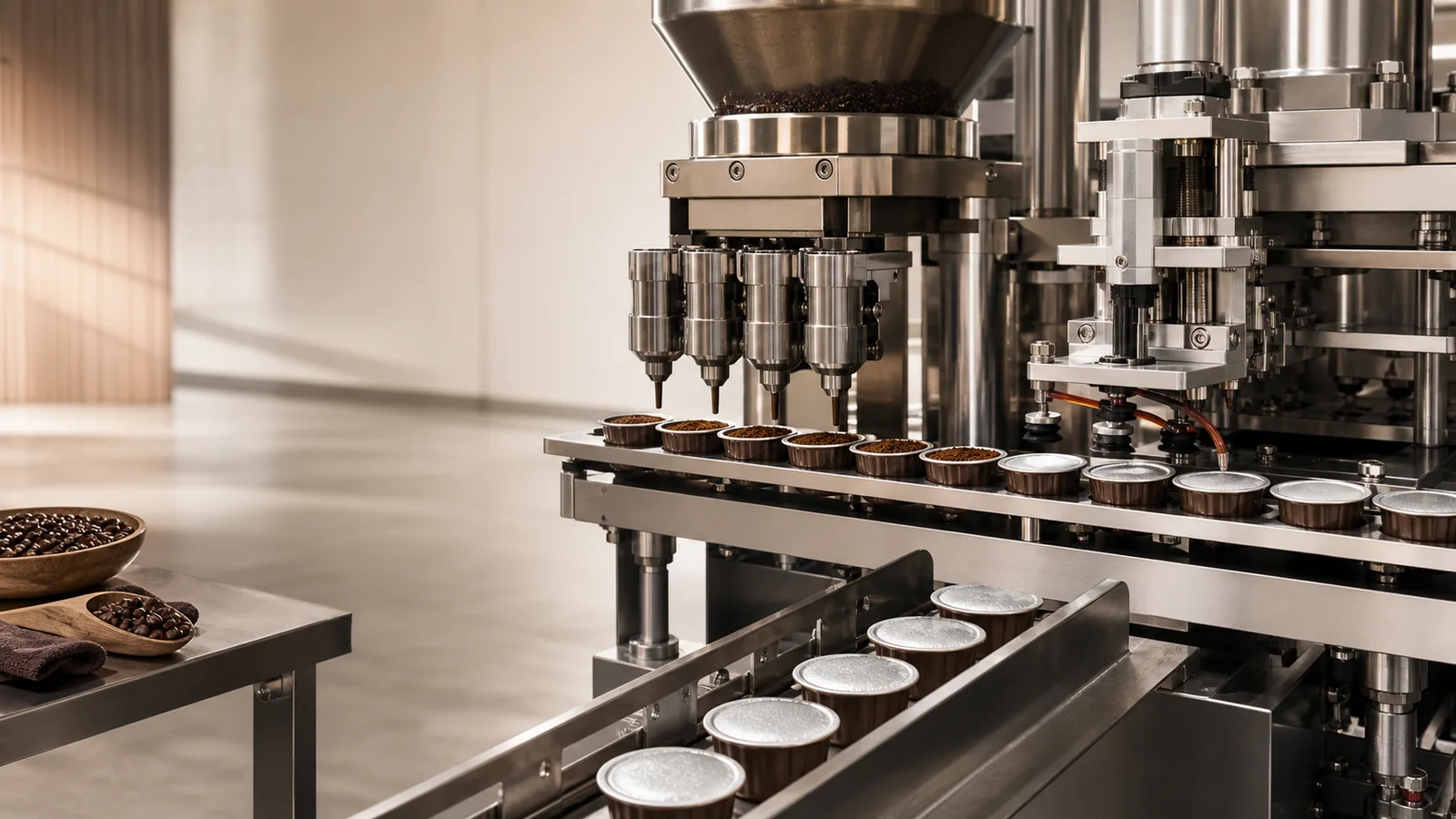
- Define the line from capsule rim, coffee flow and oil content, dose tolerance, pre-cut or rollstock lids, clean sealing, changeover and inspection.
Solution summary prepared for you
- Coffee capsules can first use a small-diameter cup sealing machine to verify the cup-film, but this equipment does not perform coffee powder filling. Stable production should use a coffee capsule filling and sealing machine.
- Capsule cups, lidding film, and coffee powder must be tested together. The cup type determines the mold, powder state affects dosing and rim cleanliness, and the lidding film determines sealing and opening conditions.
- For continuous production, a date batch coding machine and online checkweighing machine can be connected after the main machine. Checkweighing works according to weight rules and cannot replace sealing appearance and packaging tests.
Route comparison
- Projects that need to first verify capsule cups, lidding film, and sealing mold, or multi-specification projects still in the sampling stage.
- The positioning, pressing, and opening state of the capsule cup and lidding film can be verified separately first, which is convenient for comparing multi-specification samples.
- The equipment completes small-diameter cup sealing. Automatic cup denesting, powder dosing, and continuous discharge still require a dedicated filling and sealing main machine.
- When continuous capsule cup denesting, coffee powder dosing, and film sealing are required, switch to a dedicated filling and sealing main machine.
- Use the small-diameter cup sealing machine SGP-03 for capsule cup-film sampling. Coffee powder is manually loaded into samples separately.
- Capsule cup type, coffee powder, and lidding film are relatively stable, and production requires continuous filling and film sealing.
- The dedicated main machine can connect cup denesting, coffee powder dosing, film feeding, heat sealing, and discharge according to the capsule process.
- After capsule specification, powder state, and lidding film change, cup denesting, dosing, and sealing conditions need to be re-verified.
- When the cup-film combination has not completed sampling, or the coffee powder dosing method has not been tested, it is not advisable to fix the dedicated main machine configuration first.
- Use a coffee capsule filling and sealing machine, and determine mold and station settings with actual cups, powder, and film.
- For production where coffee capsule primary packaging is already stable and batch coding, weight inspection, or combined shrink outer packaging is needed.
- After primary packaging, batch coding, checkweighing, and outer shrink wrapping can be connected according to orientation and rules, and each station can be accepted separately.
- Capsule discharge direction, weight judgment, rejection process, finished product arrangement, and shrink film must be defined in advance.
- When main machine sealing and powder dosing are still being adjusted, or downstream rules are not yet defined, keep independent sampling first.
- Use a chain-plate continuous line to connect date/batch inkjet coding and inline checkweighing machines; for combined sales, add an L-type cut-and-seal shrink wrapping line.
Associated Equipment / Consumables
 Coffee Capsule Filling and Sealing Machine
The machine loads and locates capsules, doses coffee, feeds lids, heat-seals and discharges. Define capsule rim, powder flow and oil content, dose tolerance, pre-cut or rollstock lid, clean-seal criteria, cleaning, co...
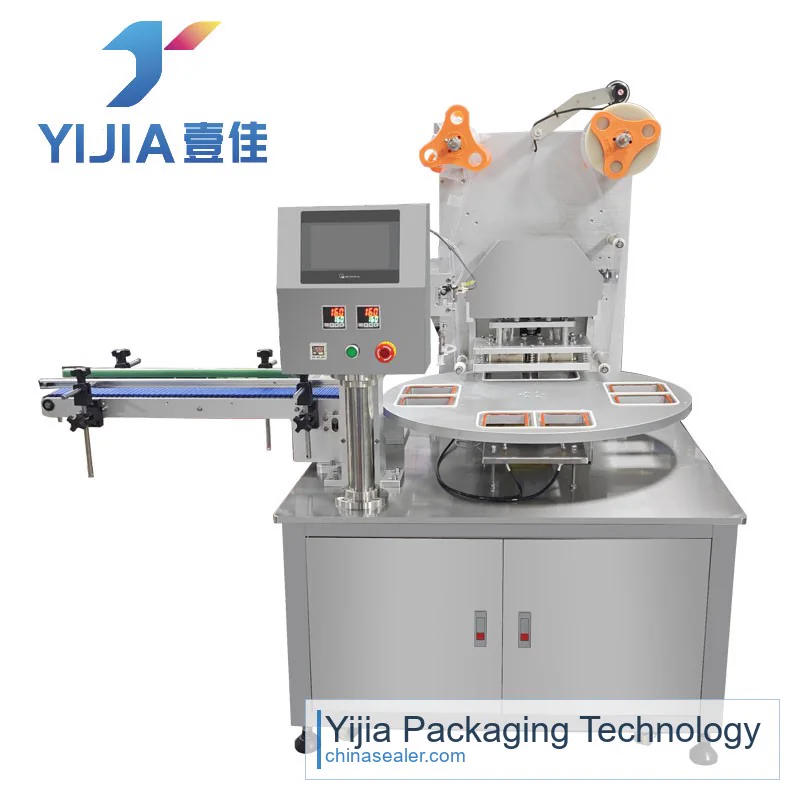 Automatic Small-Cup Filling and Sealing Machine
Capsule cup-film sealing sampling; Sampling results are used to judge cup-film compatibility and mold direction, and cannot be used to infer the filling pace of the ded...
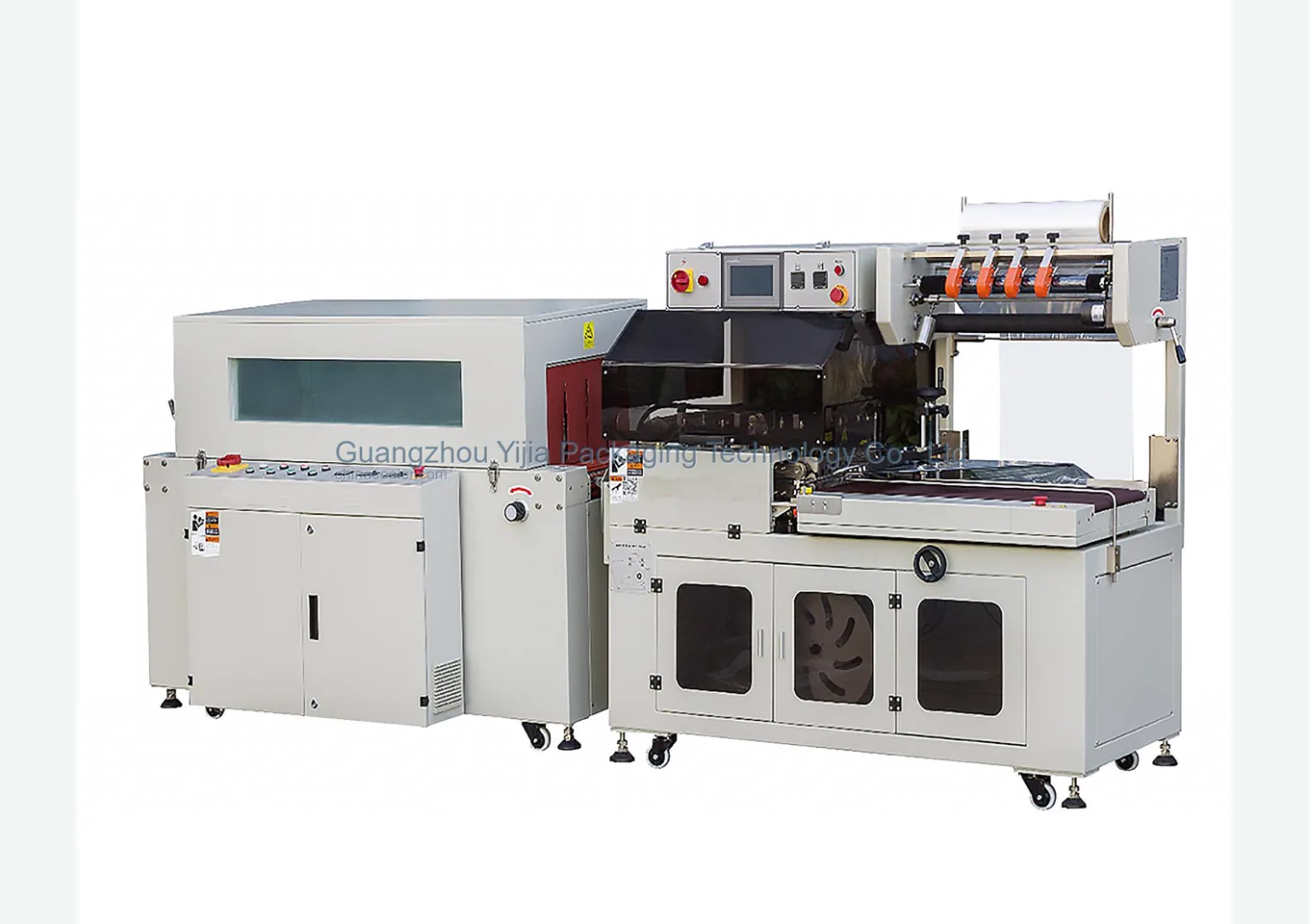 L-Sealer Shrink Wrapping Line
Capsule cup-film sealing sampling; Sampling results are used to judge cup-film compatibility and mold direction, and cannot be used to infer the filling pace of the dedicated main machin...
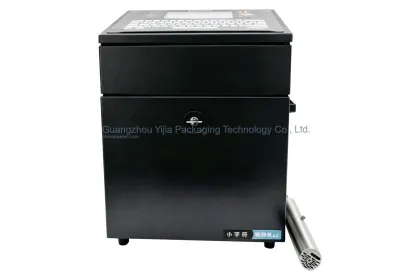 Date & Batch Inkjet Printer
Inline marking and weight inspection; Checkweighing only screens according to the agreed weight rules and cannot replace rim film inspection or coffee powder dosing adjustment; Continuous...
Core process
First use the small-diameter cup sealing machine for positioning and heat sealing sampling with actual capsule cups and lidding film. Coffee powder filling is done separately by manual samples or a dedicated main machine.
After the capsule cup type, coffee powder, and lidding film are stable, the coffee capsule filling and sealing machine handles cup denesting, dosing filling, film feeding, and heat sealing.
For continuous production, a chain-plate cup-tray continuous sealing line can be connected. Date batch coding machine and online checkweighing machine are set according to direction and weight rules.
Coffee capsule cups, lidding film, and coffee powder should be submitted as a set. Cup body material and rim state after powder filling need to be observed together.
Different capsule specifications should be checked separately for cup denesting, dosing, film feeding, sealing, and discharge. Batch number position should avoid the easy-tear edge and clamping surface.
After the capsule primary packaging is stable, if combined sales or outer protection is needed, evaluate the L-type cut-seal shrink packaging line according to the finished product arrangement.
Sample details
Capsule outer diameter, cup depth, rim, and stacking state relate to cup denesting, mold positioning, and discharge.
Submit actual samples or complete dimension drawings of each specification capsule cup, and explain the cup body material and incoming stacking methodThe heat-seal layer, easy-tear edge, and printing direction of the lidding film are used to configure film feeding and heat sealing samples.
Provide production pre-cut lidding film or film material samples, and mark the front/back and opening directionPowder flowability, oil content, and dust state relate to dosing, feeding, and powder accumulation on the cup rim.
Provide actual coffee powder and filling weight range, and explain powder storage and refill methodOrder pace and specification switching are used to determine whether to sample first, use a dedicated main machine, or configure continuous downstream.
List the production schedule, changeover frequency, and planned shifts for each capsule specificationCoding, checkweighing, and shrink wrapping each require direction, rules, and finished product arrangement conditions. The site should also reserve corresponding interfaces.
Provide batch number position, weight judgment method, shrink combination form, and equipment layout sketchCapsule cup-film sampling, dedicated main machine trial, and full-line acceptance should use the same set of production samples.
Agree on sample inspection items for sealing, filling weight, checkweighing, and outer packagingCommon selection mistakes
Capsule rim, cup depth, and stacking state change cup denesting and mold positioning. Each specification should be verified with actual cups.
The heat-seal layer, pre-cut shape, printing direction, and easy-tear edge of the lidding film jointly affect film feeding and heat sealing.
Coffee powder particle size, oil content, flowability, and dust affect dosing and cup rim cleaning. Real powder must be used for trial filling.
A small-diameter cup sealing machine is used for cup-film sampling and does not perform coffee powder dispensing and quantitative filling.
Date coding, online checkweighing, and outer shrink wrapping each have their own input states. After the main sealing passes testing, commission them one by one.
View detailed technical notes
Complete Primary Packaging Before Adding Downstream Stages
Coffee capsule equipment can be upgraded step by step from cup-film sampling, dedicated filling and sealing, inline checkweighing, to outer shrink wrapping. Each step is validated with actual capsules, coffee powder, and lid film.
Cup, Powder, and Film Define Key Stations
The capsule cup shape determines cup denesting and tooling, the coffee powder condition determines dosing and rim cleanliness, and the lid film determines film feeding direction and heat sealing. Start with small batches to validate the cup and film, then move to a dedicated main machine once production is stable, and connect inkjet coding, checkweighing, or shrink wrapping as needed.
Small-Diameter Cup Sealer for Sampling Only
The small-diameter cup sealing machine SGP-03 is used for sampling with actual capsule cups and lid film, allowing inspection of positioning, heat sealing, and opening status. Coffee powder must be manually placed into test cups; this machine does not perform automatic cup denesting or powder dosing.
Dedicated Main Machine Completes Capsule Filling and Sealing
Once the cup type, coffee powder, and lid film are stable, use a coffee capsule filling and sealing machine to complete cup denesting, metered filling, film feeding, heat sealing, and cup discharge. For multiple specifications, record tooling, powder, and film changeover conditions one by one.
Downstream Stages Configured by Coding, Weight, and Shrink Requirements
After the primary packaging passes sample testing, a chain-plate continuous line can connect date/batch inkjet coding and inline checkweighing machines. For combined sales or outer protection, use an L-type cut-and-seal shrink wrapping line to test finished product arrangement and shrink film.
Capsule Cup, Film, and Powder Confirmed Together
Capsule rim, cup depth, stacking, lid film heat-seal layer, and printing direction must be confirmed as a set. During trial filling of coffee powder, observe drop point, dust, and powder accumulation on the rim, then create tooling and process records.
Clear Boundary Between Dedicated Main Machine and Sampling Equipment
The coffee capsule filling and sealing machine is the main machine for stable production. The small-diameter cup sealing machine handles early cup and film validation; their process scopes differ and they cannot be substituted solely based on cup mouth size.
Downstream Equipment Uses Its Own Acceptance Rules
The date/batch inkjet coder is set according to capsule orientation, and the inline checkweigher judges according to agreed weight rules. Outer shrink wrapping receives sealed capsule combinations; all three downstream stages are commissioned after primary packaging is stable.
Common questions
Can equipment planning be done when information is incomplete?
You can first use photos of the capsule cups, lidding film, and coffee powder to determine the direction for sampling or a dedicated main machine. The mold and process still need to be confirmed after obtaining actual samples.
What should be prepared to determine the capsule filling and sealing configuration?
Please prepare each type of capsule cup, production lidding film, coffee powder, filling weight range, production pace, changeover plan, and downstream marking or combined packaging requirements.
How does production pace change the equipment combination?
Production pace changes the combination of manual sampling, dedicated filling and sealing main machine, and continuous downstream equipment. Capsule changeover frequency and powder feeding method should also be evaluated together.
Why must the capsule lidding film be tested with actual samples?
The capsule material and the heat-seal layer of the lidding film must be compatible. Printing direction and easy-tear edge also affect film positioning. Actual samples are used to establish the corresponding sealing conditions.
How to do sample acceptance for capsule sealing results?
First check the film position, sealing edge continuity, cup body compression, and opening status, then judge according to the agreed packaging test method.
When to add checkweighing and outer shrink wrapping?
After the cup type, powder, and main machine process are stable, you can add continuous conveying, date coding, and online checkweighing. When combined sales require outer protection, evaluate the shrink line.