Solution topic
Relationship between cap gaskets, label consumables, and equipment changeover parts
Starting from the leak-proof cap inner plug gasket combination, connect air-cooled induction foil sealing, labeling coding consumables, and food-grade sealing ring changeover parts
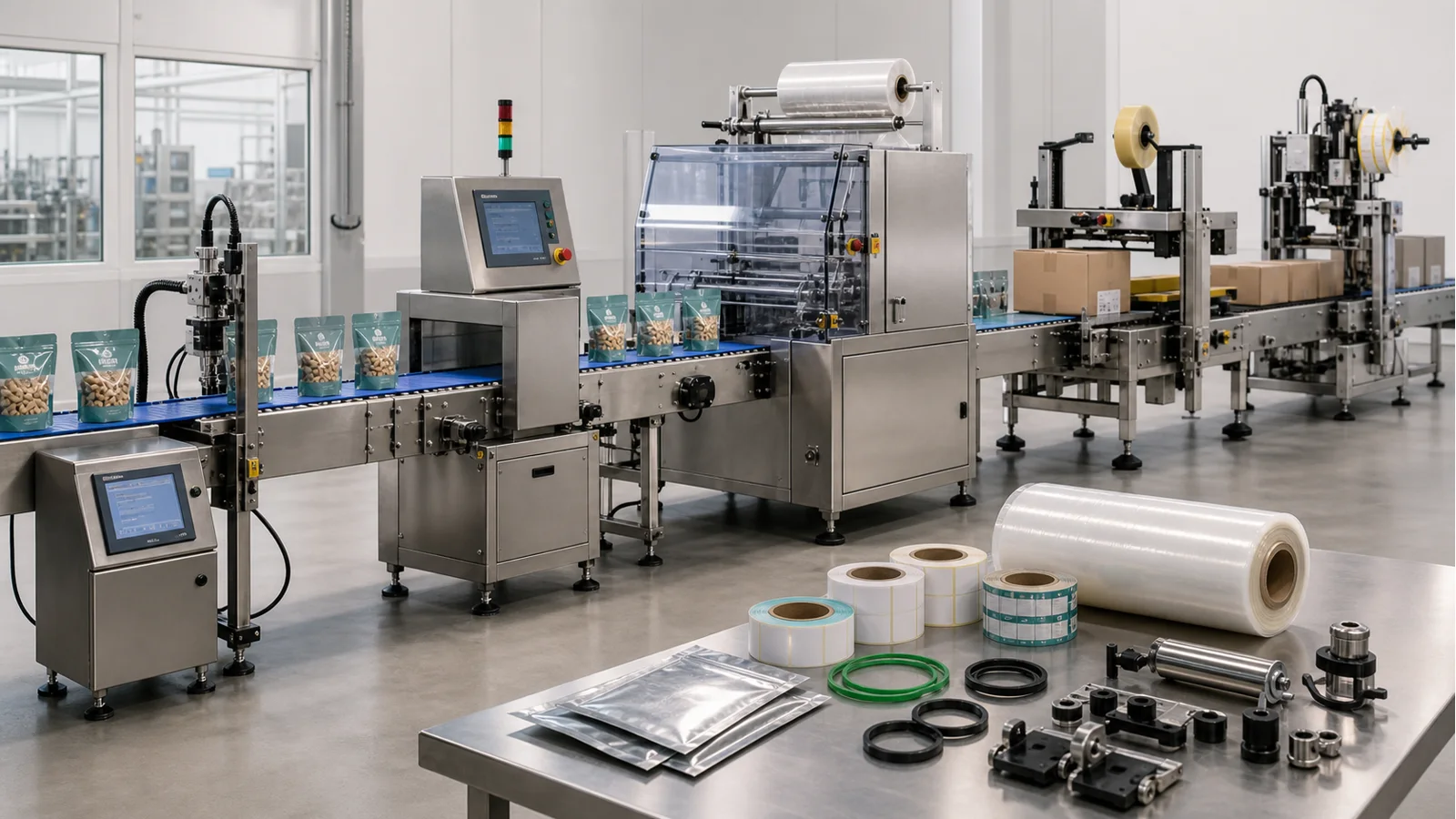
- Consumables are not accessories to be added after the main machine arrives: cap inner plug gaskets, label ribbons, sealing rings, and changeover parts must be frozen together with container, sealing, and marking samples.
Solution summary prepared for you
- Bottle caps, inner plugs, gaskets, and bottle mouths should be confirmed as a set, then use the benchtop air-cooled induction aluminum foil sealing machine for official combination trial sealing.
- Label and coding consumables need to be trial labeled and printed together with the round/square bottle labeling machine and collaborative date batch coding machine; do not rely only on material names.
- Food-grade sealing rings, cleaning consumables, and changeover parts should be listed according to the final equipment and main specifications; cross-equipment interchange requires item-by-item verification.
Route comparison
- Suitable for projects where bottle mouth, inner plug, gasket, and outer cap need matched assembly and form a leak-proof component sample.
- The leak-proof cap, inner plug, and gasket combination can be checked for orientation, compression, and assembly order along the same bottle mouth.
- Single-part dimensions cannot reflect the whole assembly fit; after changes in container or cap source, re-trial assembly is needed.
- When there is no matching relationship between cap and gasket, gasket orientation is unclear, or the bottle mouth is not finalized, do not establish batch material preparation.
- First assemble the leak-proof cap, inner plug, and gasket combination into a complete sample set, then proceed to corresponding sealing and finished product inspection.
- Suitable for packaging with induction aluminum foil gasket inside the cap, and where bottle material, bottle mouth, and outer cap are matched and confirmed.
- The benchtop air-cooled induction foil sealer can use the official cap-gasket combination to create trial sealing samples, making it easy to record incoming conditions.
- Gasket layers, front/back, pressure inside the cap, and bottle mouth condition all change the result; do not just adjust the machine.
- When the container is not suitable for this induction structure, or the gasket and cap are still changing, complete packaging material verification first.
- Use the benchtop air-cooled induction foil sealer with the official cap-gasket combination for trial sealing, and keep separate samples for each main specification.
- Suitable for bottled and outer packaging that requires brand labels, date/batch codes, QR codes, or other variable information.
- Label rolls, ink, and thermal transfer ribbon can be verified for adhesion and readability on the actual equipment and packaging surface.
- Packaging curvature, surface condition, layout, roll direction, and reading method change the consumables and equipment configuration.
- When the label layout and printing area are still undetermined, keep sample testing first and do not fix batch materials.
- Trial label the official labels on the round/square bottle labeling machine, trial print variable content on the collaborative date/batch inkjet coder, and match labels, coding ink, and thermal transfer ribbon.
- Suitable for projects where the equipment is finalized and a material list needs to be established for main specification changeover, contact part cleaning, and daily maintenance.
- Food-grade sealing rings, cleaning consumables, and changeover parts are recorded by machine model and part, and can correspond to main specification versions.
- Parts with the same name may differ in size, material, and equipment position; cross-machine use must be verified.
- When the main machine, packaging specification, or cleaning method is still changing, list items to be confirmed first and do not expand all spare parts in advance.
- Based on the final equipment and main specifications, compile a list of food-grade sealing rings, cleaning consumables, and changeover parts, and update it with changes.
Associated Equipment / Consumables
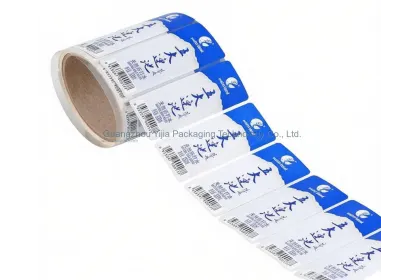 Labels, Inkjet Inks, and Thermal Transfer Ribbons
Labels, Inkjet Inks, and Thermal Transfer Ribbons is configured for Labeling of round bottles, square bottles, or irregular containers on Round bottles, square bottles, tubes, pouch products.
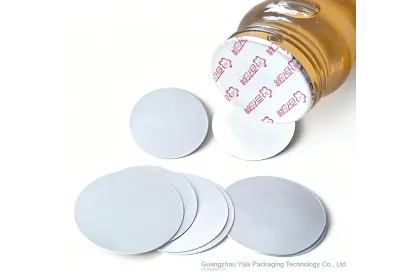 Leak-proof Bottle Cap, Inner Plug and Gasket Set
Container rim and cap matching; Bottle mouth, inner plug, gasket, and outer cap form the same packaging set; matching individual dimensions does not mean they will wor...
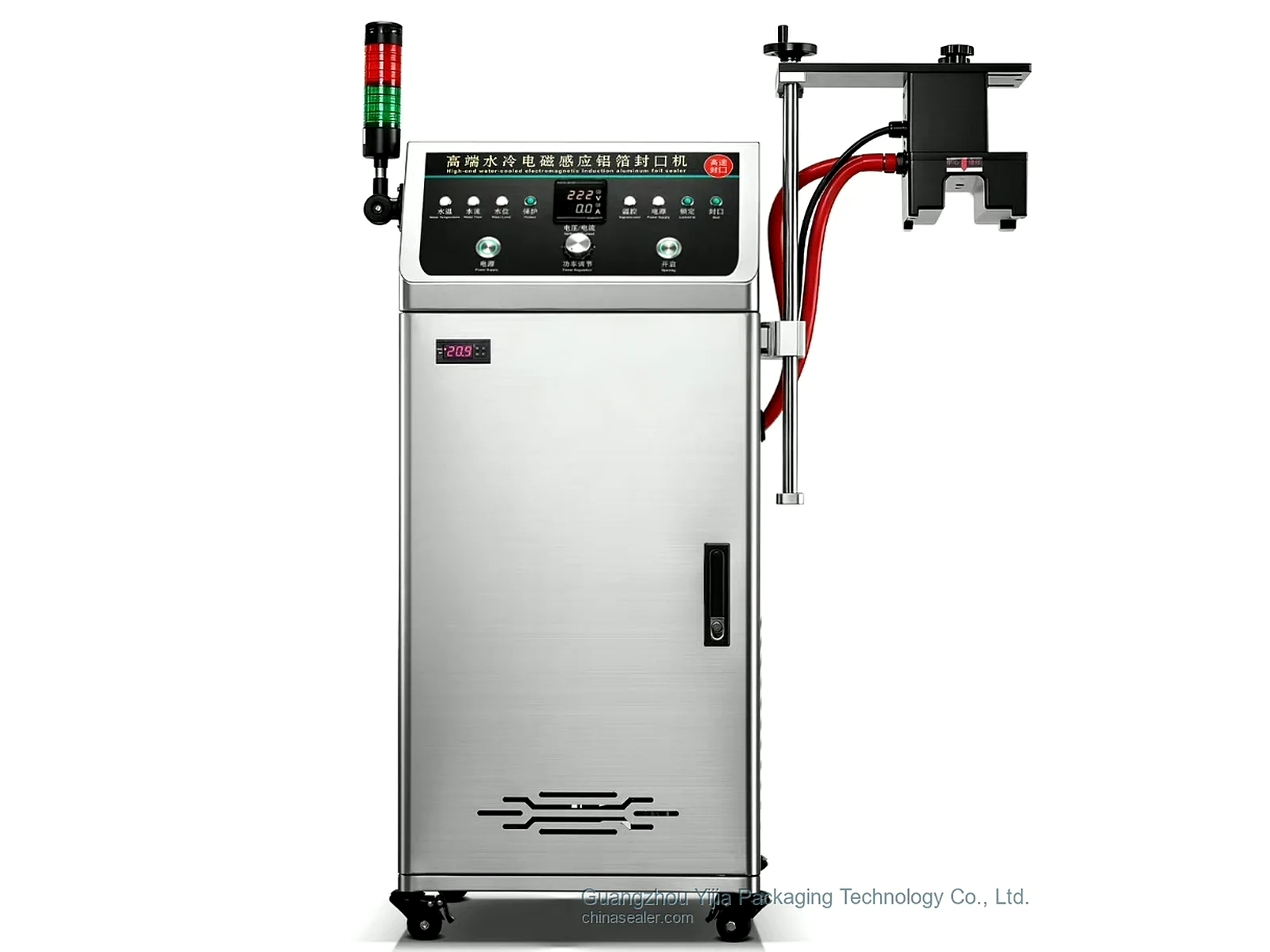 Inline Induction Foil Sealing Machine
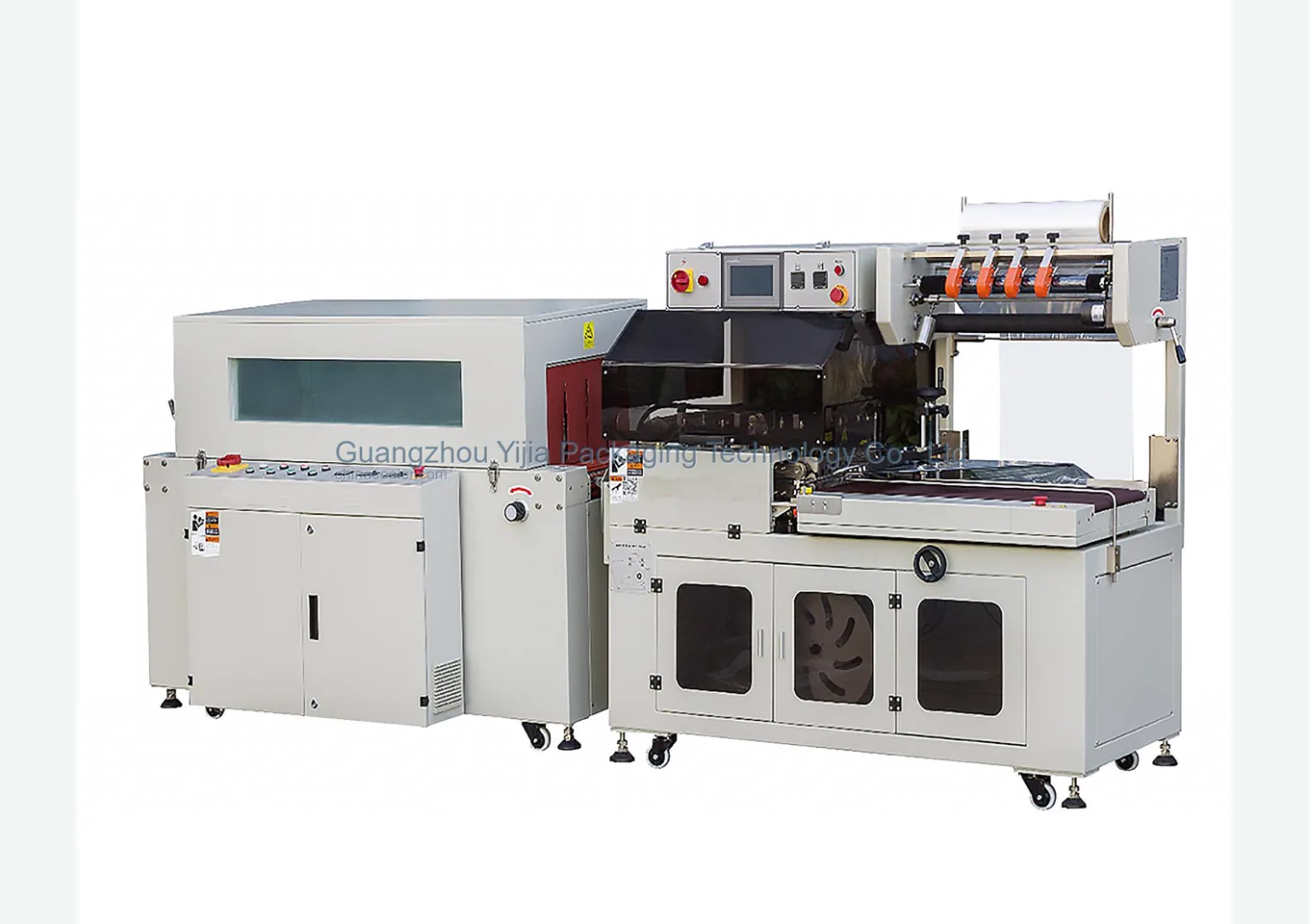 L-Sealer Shrink Wrapping Line
Gasket material and orientation confirmation; Gasket structure, orientation, bottle material, and rim together determine induction trial sealing conditions; incoming batch changes requir...
Core process
Sample details
Bottle mouth material, rim, compression inside the cap, and gasket orientation together form the induction trial sealing conditions.
Please provide the main bottles/cans, outer caps, inner plugs, aluminum foil or composite gaskets, and indicate the assembly order and front/back sides.Dimension and incoming material changes affect molds, fixtures, labeling position, and trial printing results; versions must be retained.
Please list the diameter, gasket shape, label size, roll direction, ribbon specification, and current consumable batch.Sealing rings and cleaning consumables must be verified against specific equipment parts; they cannot be applied uniformly across the packaging industry.
Please specify the contents, contact area, production temperature, cleaning method, and planned replacement food-grade sealing parts.Label adhesive, ink, and ribbon must be verified on the actual packaging surface; layout adjustments should simultaneously update consumable records.
Please provide the official label artwork, application surface, batch number content, printing area, and reading or scanning method.First complete the in-production specifications, then gradually expand changeover and spare parts; this avoids making invalid parts for packaging not yet finalized.
Please list the main containers, planned changeover specifications, equipment models, molds/fixtures, and maintenance cycles for wear parts.Common selection mistakes
Gasket layers, orientation, compression inside the cap, and bottle material together change induction trial sealing; even with the same outer diameter, they may not be interchangeable.
If labels, ink, ribbon, and gaskets have not been through actual labeling, printing, and sealing equipment, the finished product performance lacks valid basis.
When film layers, label roll direction, bottle cap, or container dimensions change, the corresponding molds, parameters, and consumable lists should be reviewed simultaneously.
Sealing rings and cleaning materials must also match specific equipment positions, dimensions, and cleaning methods; generic names are insufficient to determine replacement relationships.
When container tolerances and main specifications are not defined, making a large number of molds and fixtures in advance increases rework; complete physical sample verification first.
View detailed technical notes
Consumables and the main machine confirmed in the same sample round
Cap gaskets, label ink, ribbons, sealing rings, and changeover parts must all be tied to the actual container and equipment station; do not wait until the machine arrives to improvise.
Form a complete cap-gasket assembly first
Assemble the bottle mouth, inner plug, aluminum foil or composite gasket, and outer cap in the real order, record orientation, compression, and incoming batch, then conduct trial sealing.
Induction gasket trial sealing with the official cap
Match the leak-proof cap, inner plug, and gasket combination on the target container first, then use the benchtop air-cooled induction foil sealer to make samples according to the bottle material, rim, and gasket orientation. Looking at the gasket outer diameter alone cannot determine the whole package performance.
Label and coding materials integrated with the actual layout
Use the official label roll for trial labeling on the round/square bottle labeling machine, and use the planned ink or ribbon for trial printing on the collaborative date/batch inkjet coder. The adhesion surface, character position, reading method, and packaging surface condition are all recorded in the sample record.
Labels, coding ink, and thermal transfer ribbon should follow layout version management. When label size, roll direction, or variable information changes, update the trial labeling/printing results and material codes synchronously.
Sealing rings and cleaning consumables matched by equipment part
Food-grade sealing rings, cleaning consumables, and changeover parts must be marked with equipment, station, size, and cleaning conditions; do not replace across machines just because the name is the same.
Changeover parts cover the main packaging first
Molds, fixtures, and locating parts are made starting from the main production specification; expand after receiving official samples of new containers, and save each version change.
Spare parts list and finished samples mutually verify
Each consumable and changeover part corresponds to a set of sealed, labeled, or printed finished products. After maintenance or replacement, the same judgment method can be used for rechecking.
Packaging material changes trigger re-verification
When containers, caps, gaskets, labels, or cleaning methods change, first identify the affected equipment parts, then decide whether to redo trial sealing, labeling, printing, or part replacement.
Common questions
Why should cap inner plugs and gaskets be sent as a complete set for sampling?
These parts are assembled into the same bottle mouth in sequence; individual dimensions alone cannot reflect the pressing force, orientation, and trial sealing condition after assembly.
Can aluminum foil gaskets be purchased only by diameter?
No. You also need to verify the gasket structure, front and back sides, compression inside the cap, bottle material and rim, and use the official combination to complete induction trial sealing.
When should labels and coding consumables be sampled?
After the packaging surface, layout, and character area are defined, use the round/square bottle labeling machine and collaborative coding equipment to complete trial labeling and printing before finalizing.
Do all changeover parts need to be prepared at once?
First cover the main specifications, and establish a version list for clearly defined future packaging. Containers not yet finalized should not have full sets of molds and fixtures made in advance.
Can food-grade sealing rings be interchanged between different equipment?
You need to verify according to equipment position, dimensions, material, and cleaning conditions; the same name cannot be used as a basis for cross-equipment replacement.
Do consumables need to be re-tested after changes?
When film layers, label adhesive, ink, ribbon, or sealing parts change, the affected sealing, labeling, printing, or cleaning steps should be re-sampled.