Solution topic
Electronic Component Inner Bag Sealing to Boxing: Bag Type, Batch Number and Outer Packaging Integration
Explains the configuration boundaries of pre-made bag automatic sealing for electronic components, continuous sealing for loaded bags, date coding, and carton sealing and labeling
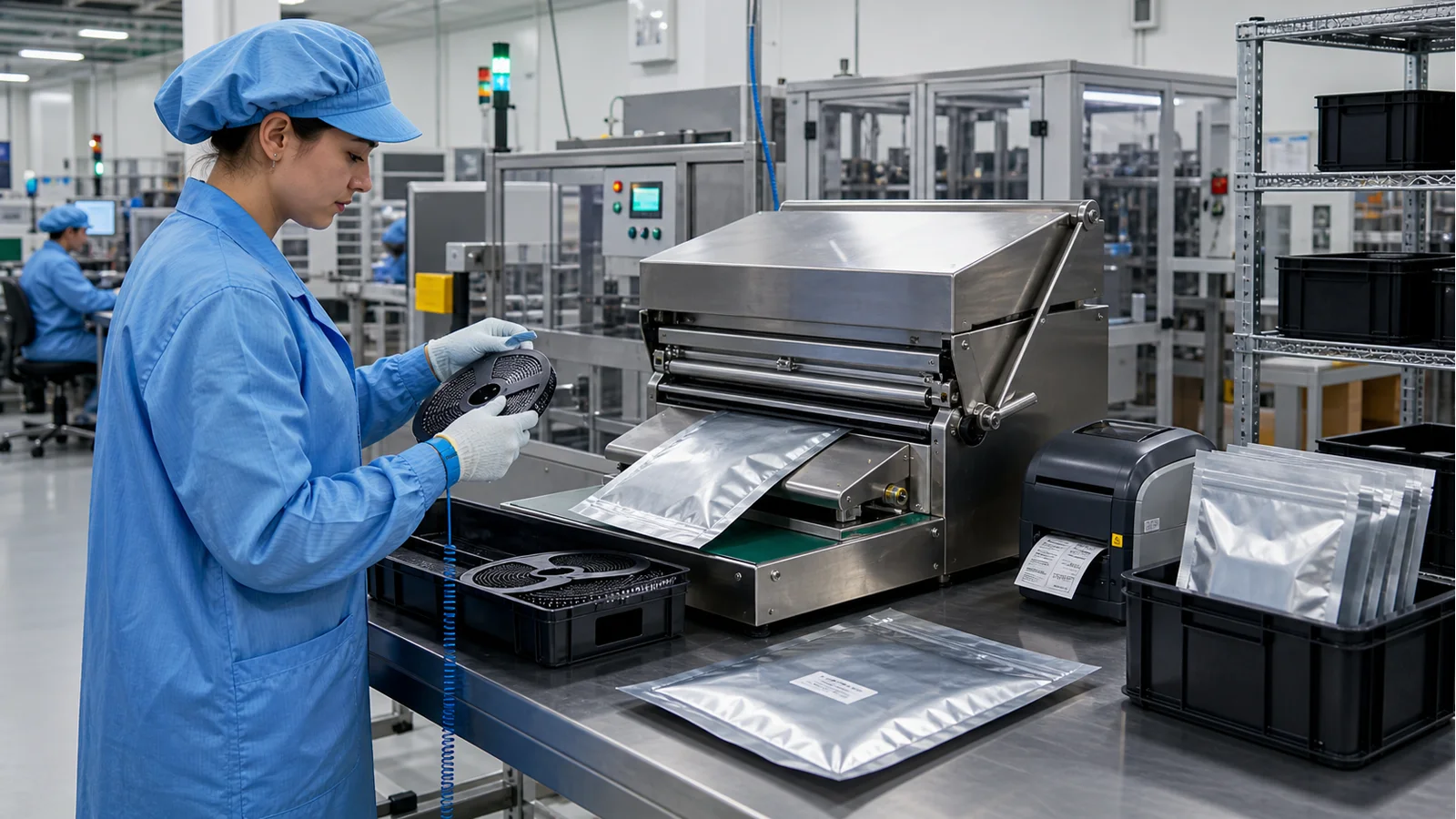
- Pre-made bag automatic sealing is suitable for production with stable bag types; loaded bags can use continuous sealing. If boxing is done manually, downstream equipment is only responsible for carton sealing and outer carton labeling, and cannot claim automatic boxing.
Solution summary prepared for you
- Pre-made bag automatic sealing can be evaluated when the bag type and loading action are stable. Already bagged products use a continuous sealing machine for the bag mouth.
- Inner bag date batch code should correspond to material number and outer carton label. Coding position should avoid heat-seal edges, folds, and conveying friction surfaces.
- Only after manual cartoning can the carton sealing and outer carton labeling line be entered. The L-type shrink line only handles cartoned or grouped products that pass heat resistance tests.
Route comparison
- Projects where moisture-proof bag specifications and component loading method are stable, and where bag picking, opening, loading, and sealing need to be connected continuously.
- Bag picking, opening, and heat sealing can be processed continuously, and can be connected to a stable component loading action after the loading mechanism is verified.
- Regular bag type does not mean any component can be automatically loaded; gripping, inserts, sharp edges, and arrangement need verification per type.
- When components and inserts change frequently, or the loading action has not passed trials, manual bagging and separate sealing can be used first.
- Use single-lane or three-station pre-made bag filling and sealing machine series; component loading and electrostatic protection are configured according to actual samples.
- Components have been manually or by another station loaded into moisture-proof bags; only continuous bag mouth heat sealing is needed.
- Retain flexibility of manual or upstream bagging; the equipment focuses on handling the prepared bag mouth and heat sealing.
- Component loading, in-bag placement, and bag mouth cleaning are completed upstream; the equipment does not add bag opening or automatic loading.
- When automatic bag picking, opening, and connection to verified component loading are needed, evaluate the pre-made bag automatic route.
- Use a continuous bag sealing machine, and determine the passing direction and sealing conditions with production bag samples containing components.
- Inner bag sealing and batch number are already qualified; cartons or regular combinations after manual boxing require outer sealing.
- After inner bags are manually cartoned, choose carton sealing with outer labeling or regular combination shrink, to meet different outer processing needs.
- Neither of the two downstream sections performs automatic cartoning of electronic components; shrink also requires verification of finished product heat resistance, sharp corners, and placement.
- When cartons have not been manually cartoned, or combined products have not passed heat resistance and appearance tests, do not enter the corresponding outer equipment.
- After manual cartoning, connect to the carton sealing and outer carton labeling line; regular boxed or grouped products can also evaluate the L-type sealer and shrink packaging line.
Associated Equipment / Consumables
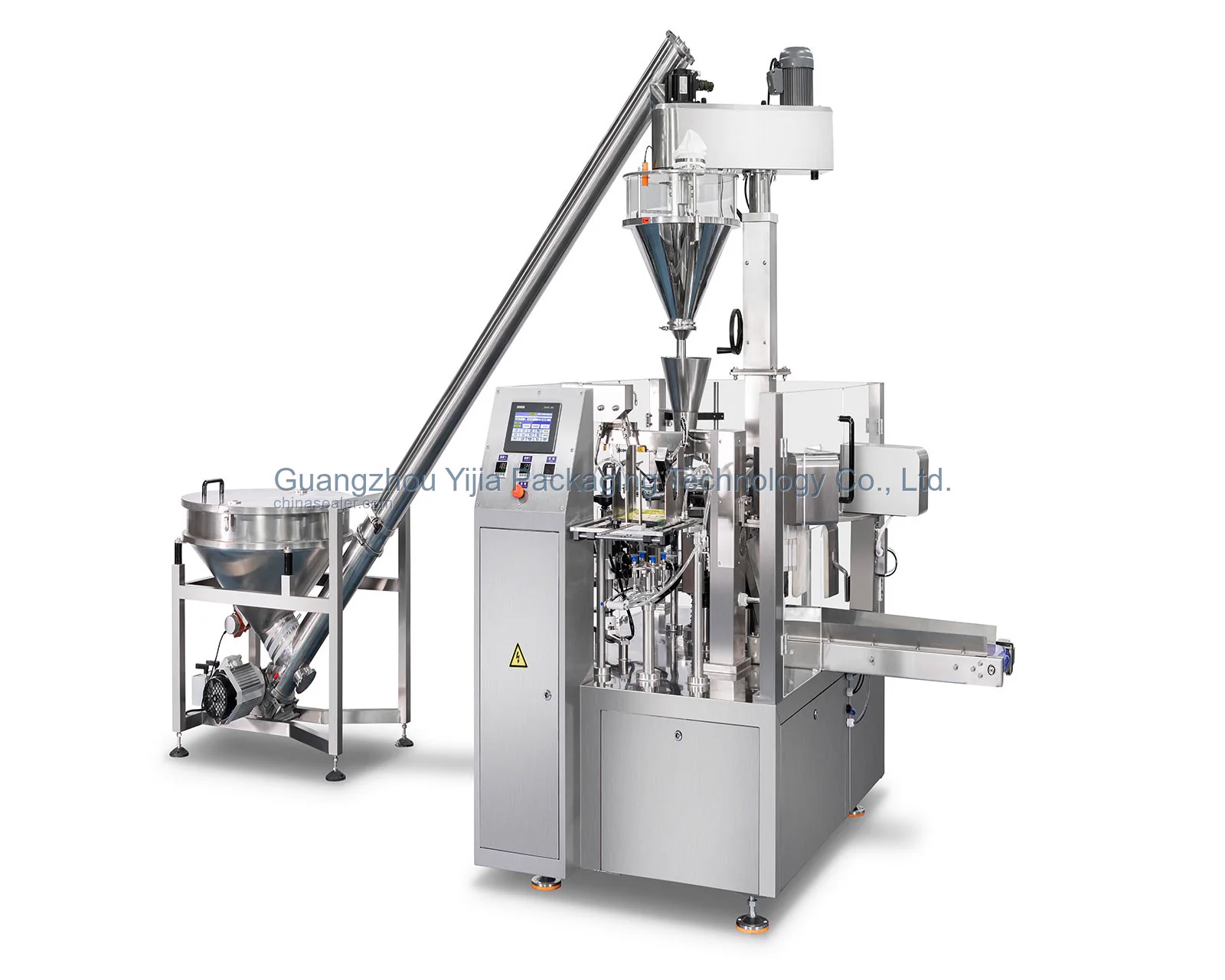 Single-Lane and Three-Station Premade Pouch Filling and Sealing Series
The series picks or accepts premade pouches, opens them, doses product, conditions the mouth and heat seals. Validate dimensions, spout or zipper, laminate and sealant, powder/liquid/particles, dose, mouth contaminati...
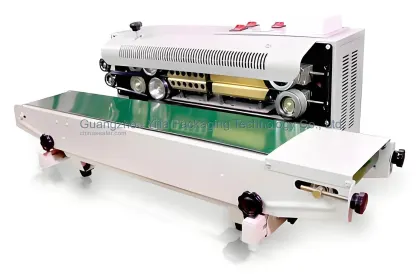 Continuous Bag Sealing Machine
Separate sealing of loaded bags; Component bagging, insert placement, and bag mouth foreign object inspection are completed upstream; a separate sealing machine does not add automatic l...
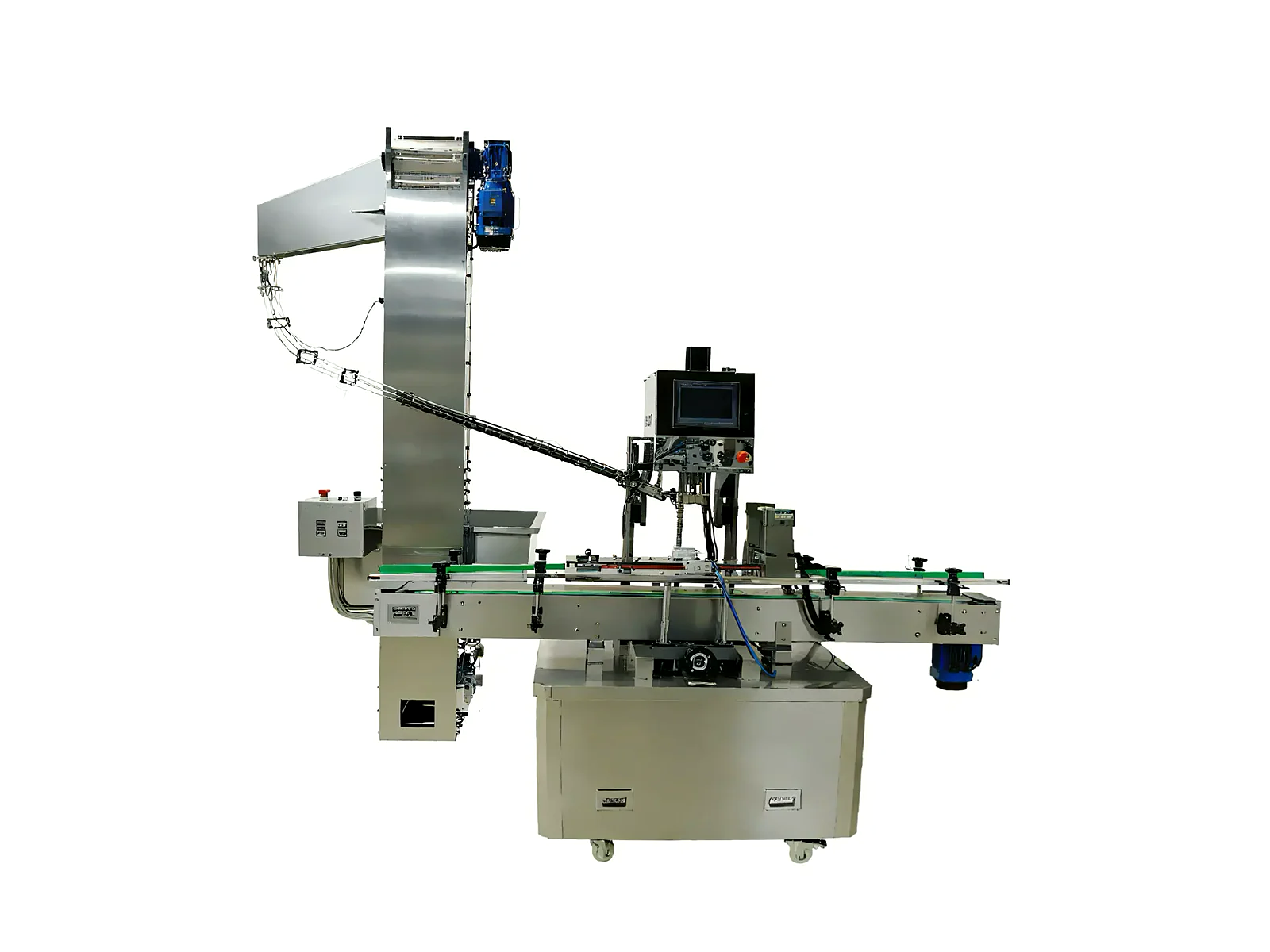 Automatic Screw Capping and Press-On Capping Machine
Separate sealing of loaded bags; Component bagging, insert placement, and bag mouth foreign object inspection are completed upstream; a separate sealing machine do...
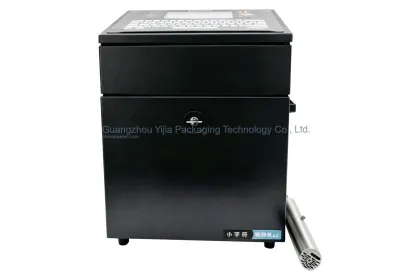 Date & Batch Inkjet Printer
Inner bag batch traceability; Coding position should avoid sealing edges, folds, and friction areas; after changing bag material, recheck consumable adhesion and scanning or visual inspect...
Core process
First confirm bag type, component protection, loading method, batch rules, and manual cartoning steps, then define the handover points between inner bag equipment and outer packaging.
After continuous verification of bag type and component loading action, the pre-made bag filling and sealing machine series can be configured for bag picking, opening, loading, and heat sealing per project.
When bagging has been completed manually or by another station upstream, the continuous bag sealing machine only receives the prepared bag mouth and performs heat sealing.
After inner bag heat sealing, the date batch coding machine sets bag surface marking according to material number and batch rules, and corresponds to the manual cartoning list and outer carton label.
After qualified inner bags are manually placed into cartons, the carton sealing and outer carton labeling line receives the already-boxed packaging and handles carton closing and external labels.
When regular cartons or grouped products require outer shrink protection, the L-type sealer and shrink packaging line can be used to test placement, film wrapping, cutting, and tunnel exit finished state.
Sample details
Component shape, leads, inserts, and accessories are used to determine picking/placing, in-bag arrangement, electrostatic protection, and bag mouth channel.
Submit combined samples of components, inserts, accessories, and near-shipping state for each material numberBag dimensions, composite structure, heat-seal layer, folds, and opening performance are used to select automatic pre-made bags or continuous sealing of loaded bags.
Provide production moisture-proof bags, material specifications, bag mouth direction, and planned component loading methodMaterial number, batch, inner bag marking, and outer carton label must form an executable correspondence table, updated when packaging changes.
Submit batch content, label layout, scanning or visual inspection rules, and outer carton correspondenceThe placement, quantity, dividers, and carton entry state of manual cartoning determine how outer carton equipment receives cartons.
Provide cartons, finished product samples after cartoning, placement method, outer carton labels, and transport requirementsThe shrink route must verify the dimensions, sharp corners, heat resistance, placement, and finished appearance of cartons or grouped products.
If shrink protection is needed, provide combined samples, shrink film, heat resistance limits, and packaging acceptance methodsCommon selection mistakes
The bag picking and opening capability of pre-made bag equipment does not mean automatic component loading is also established; the loading mechanism must be verified with components and inserts.
A continuous bag sealing machine receives packages that have already been loaded and with the bag mouth prepared; it does not handle upstream component placement.
If the batch code is near the sealing edge or folding area, heat sealing, handling, and friction may change readability.
The carton sealing and outer carton labeling line receives cartons that have already been cartoned; automatic cartoning is a previous process.
Exposed components, sharp corners, or non-heat-resistant outer packaging may not be suitable for direct entry into the shrink tunnel; combined sample testing should be done first.
View detailed technical notes
First Define the Inlet of Each Equipment Section
Electronic component packaging is integrated in stages from inner bag, batch number, manual boxing to outer sealing. Each machine only accepts packaging states that have been completed and inspected by the previous process.
Component and Bag Type Complete Verification
Components, leads, inner trays and accessories determine the arrangement and protection inside the bag. For mass-production moisture-proof bags, bag opening, heat sealing layer, folding edge and bag mouth contamination must also be verified.
Automatic Sealing First Verifies the Loading Mechanism
The pre-made bag main machine can complete bag picking, opening and heat sealing. Automatic component loading is only added after dedicated mechanisms, clamping and electrostatic protection pass real-sample testing; different material numbers record pick-and-place and sealing edge samples separately.
Loaded Bag Route Retains Manual Loading
Moisture-proof bags already loaded with components can enter a continuous bag sealing machine. The upstream process is responsible for bag internal arrangement and bag mouth finishing, while the equipment performs continuous heat sealing.
Inner Bag Batch Number Connects to Outer Carton Traceability
The date batch inkjet coding machine is set according to material number and batch management. The bag surface position avoids heat sealing, folding and friction areas, and corresponds to the boxing list and outer carton label.
Carton Sealing Line Starts from the Carton State
Qualified inner bags are manually placed into cartons, and only then enter the carton sealing and outer carton labeling line. The outer carton equipment does not perform electronic component inner bag boxing.
Shrink Wrapping Only Handles Regular Outer Combinations
Regular cartons or grouped products can use an L-type cut-and-seal shrink wrapping line. Film wrapping, sealing and cutting, shrinking and cooling must be verified with complete combined samples.
Inner Bag to Outer Layer Sample Retention by Section
Acceptance records separately cover inner bag sealing edge, batch number correspondence, manual boxing, carton sealing, outer carton labeling and optional shrink wrapping status; abnormalities return to the corresponding workstation for handling.
Common questions
When is a pre-made bag automatic sealing line suitable for electronic components?
Pre-made bag automatic sealing can be considered when the bag type, component orientation, and loading mechanism can be handled stably. Complex inserts or multiple varieties require separate trials.
In what situation should a continuous bag sealing machine be selected?
When components have been loaded and the bag mouth is prepared in the upstream process, a continuous bag sealing machine can be used, which only performs heat sealing.
How should the inner bag batch number correspond to the outer carton?
Set the date coding according to the material number, batch, and outer carton correspondence rules. Position the code away from sealing edges and friction areas, and test readability with production bag materials.
How to connect the outer carton after manual cartoning?
Qualified inner bags are manually placed into cartons first; then the carton sealing and outer carton labeling line handles carton closing and external labels.
Does the carton sealing and labeling line include automatic cartoning?
No. The entry of this line is cartons that have already been cartoned. Automatic cartoning should be evaluated as a separate station.
When should an L-type sealer and shrink tunnel line be used?
When regular cartons or grouped products require shrink film protection, and the contents, outer carton, and film material pass heat resistance and appearance tests, then evaluate.