Solution topic
Bag Sealing, Pre-made Pouch Packaging and Spout Pouch Packaging Selection Guide
Bag and pre-made pouch packaging projects need to simultaneously confirm liquid, sauce, powder, granules, continuous bags, pre-made pouches, spout pouches, three-side seal bags, zi
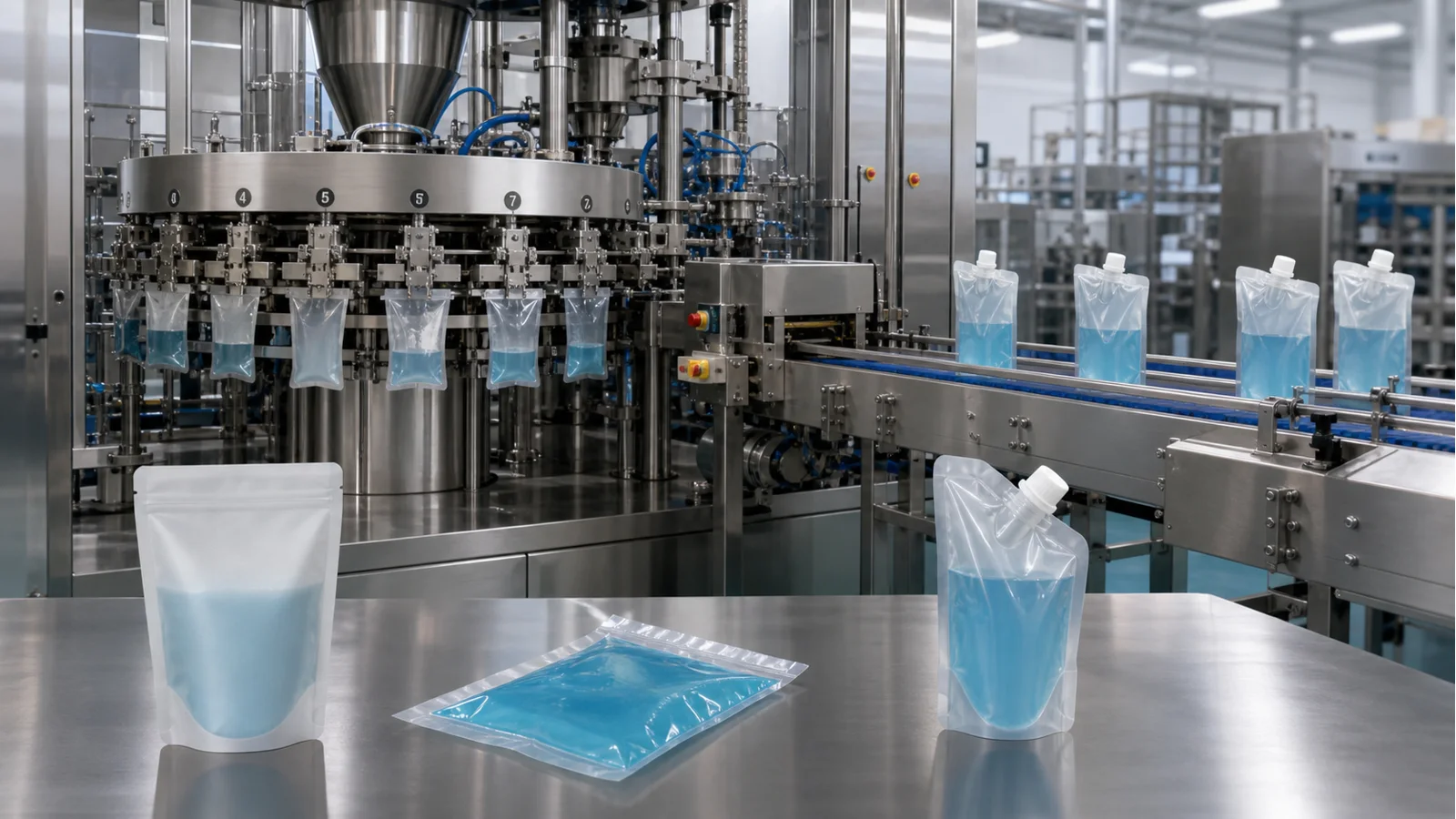
- First confirm the bag and pre-made pouch status, packaging form, target capacity and downstream requirements, then decide on a single machine, semi-automatic line or continuous filling and sealing line.
- Continuous Bag Sealing / Pre-made Pouch Packaging / Spout Pouch
First Clarify Bag and Pre-made Pouch Packaging
Bag and pre-made pouch packaging cannot be selected solely by product name. Viscosity, temperature, particles, grease or crystallization affect feeding, filling accuracy, drip prevention and cleaning time.
Break Down Solutions by Packaging Form
Continuous bags, pre-made pouches, spout pouches, three-side seal bags, zipper bags correspond to different main machines and downstream configurations. First determine the main packaging, then discuss number of filling heads, sealing method, labeling and inspection.
Equipment Combinations Suitable for This Packaging Route
For pouch packaging, first separate standard premade pouches, spout pouches, and outer-bag packaging. Our premade pouch filling and sealing machines and spout pouch filling and capping machines can cover the core pouch routes. Date coding, conveying, checkweighing, labeling, and carton equipment are added downstream. Tray film sealing or bottle capping should not be described as the main pouch machine.
Prioritize Leak Prevention
Many projects fail not because the machine cannot run, but due to bottle rim contamination, bag mouth material entrapment, mismatched film or incorrect cap/gasket structure. During trials, record seal strength, inverted test, transport test and opening experience.
Consider Overall Line Cycle Time
Filling speed is only one part. Feeding, positioning, sealing, cooling, labeling, inspection, collection and manual changeover all affect actual output.
Consumables and Change Parts Determine Long-term Cost
Bottle caps, gaskets, cup films, labels, ink, seals and change parts should be confirmed together with the equipment, otherwise subsequent procurement and maintenance costs are easily underestimated.
Build the Line in Stages
When budget is limited, start with semi-automatic or core single machines while reserving interfaces for conveying, labeling, coding, inspection and downstream, then upgrade as order volume grows.
Inquiry Information Checklist
It is recommended to provide at once: bag and pre-made pouch sample state, packaging photos and dimensions, material specifications, target capacity, site video, voltage and air supply, and whether export packaging is needed.
Confirm Samples and Capacity Limits First
If sample size, film material, product condition, and target capacity are not confirmed yet, start with small-batch validation or a single-machine trial. This keeps the investment more controlled, but it requires more manual handling and is not suitable for promising a continuous production rhythm immediately.
Avoid a Mismatched Equipment Route
Do not choose a solution only by the machine name. If the container, rim, film, cap type, viscosity, or downstream space does not match, sealing may be unstable, changeover may be difficult, or the downstream connection may become risky even when the listed capacity looks close.
Route comparison
- Suitable for continuous bag sealing / pre-made pouch packaging / spout pouches with few specifications, small orders, and first validation of bag type and seal strength.
- Simple equipment, easy to confirm bag material, sealing temperature, pressure, and time.
- High manual labor for bagging and arranging, low speed, limited appearance consistency.
- If stable batch production, dosing accuracy, and bag appearance are required, it is not recommended to rely solely on manual heat sealing long-term.
- Use foot-operated or continuous sealing equipment to first confirm sealing parameters, then upgrade to pre-made pouch or spout pouch equipment based on bag type.
- Suitable for continuous bag sealing / pre-made pouch packaging / spout pouches using pre-made bags, with bag type, capacity, and production target already defined.
- More uniform appearance, can integrate dosing, filling, degassing, sealing, and coding, suitable for stable batch production.
- Higher requirements for bag dimensions, opening stability, material flow, and bag supply quality.
- Not recommended if bag type is undecided or supplier sample bags are unstable for high-speed pre-made pouch packaging.
- Match pre-made pouch packaging machine, dosing system, coding and inspection equipment according to material state; recommended sequence from dosing to sealing to downstream.
- Suitable for continuous bag sealing / pre-made pouch packaging / spout pouches requiring portability, resealability, squeeze use or differentiated display.
- Good shelf display, suitable for sauces, beverages, daily chemicals and some paste projects.
- Higher requirements for bag material, spout, seal strength and filling drip prevention; sample confirmation is critical.
- Not recommended if budget is limited, capacity is low or bag type is unstable for complex spout pouch lines.
- Select filling, capping, sealing, inspection and conveying combination based on spout structure; do not directly apply ordinary bag logic.
Core process
First determine whether the bag and pre-made pouch require insulation, stirring, drip prevention or special valves.
Select filling method based on viscosity, particles, fill volume and cleaning requirements.
Different containers correspond to different feeding, positioning, sealing and discharge methods.
Leak testing is more important than just looking at seal appearance.
For export or retail packaging, it is recommended to confirm traceability and rejection methods together.
Include site space, voltage, air supply, language interface and wooden case packaging in the quotation scope.
Associated Equipment / Consumables
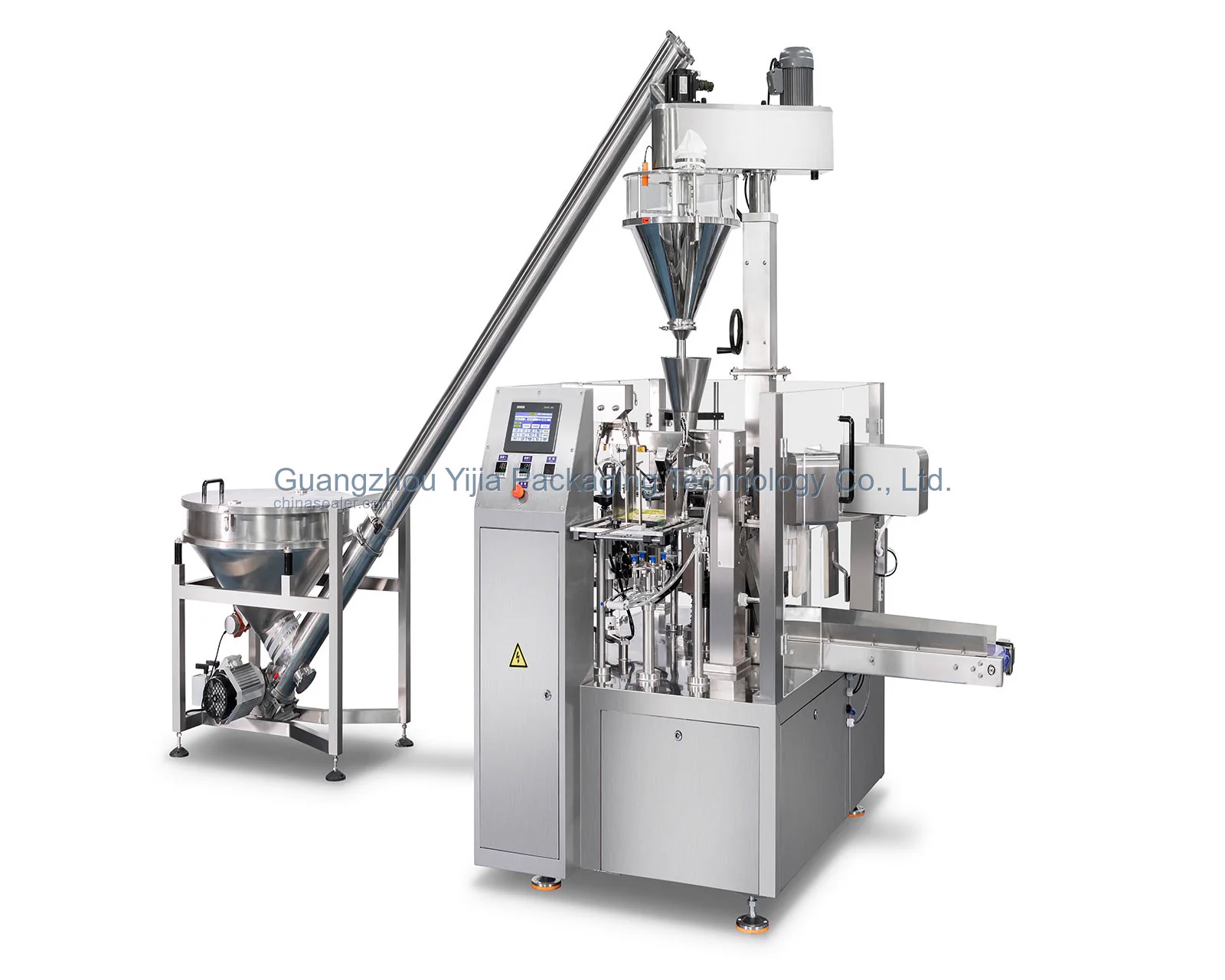 Single-Lane / 3-Station Pre-Made Pouch Filling and Sealing Machine Series
Material Confirmation; First determine whether the bag and pre-made pouch require insulation, stirring, drip prevention or special valves; Liq...
 Pre-made Pouches and Spout Pouch Packaging Materials
Material Confirmation; First determine whether the bag and pre-made pouch require insulation, stirring, drip prevention or special valves; Liquid, Sauce, Powder, G...
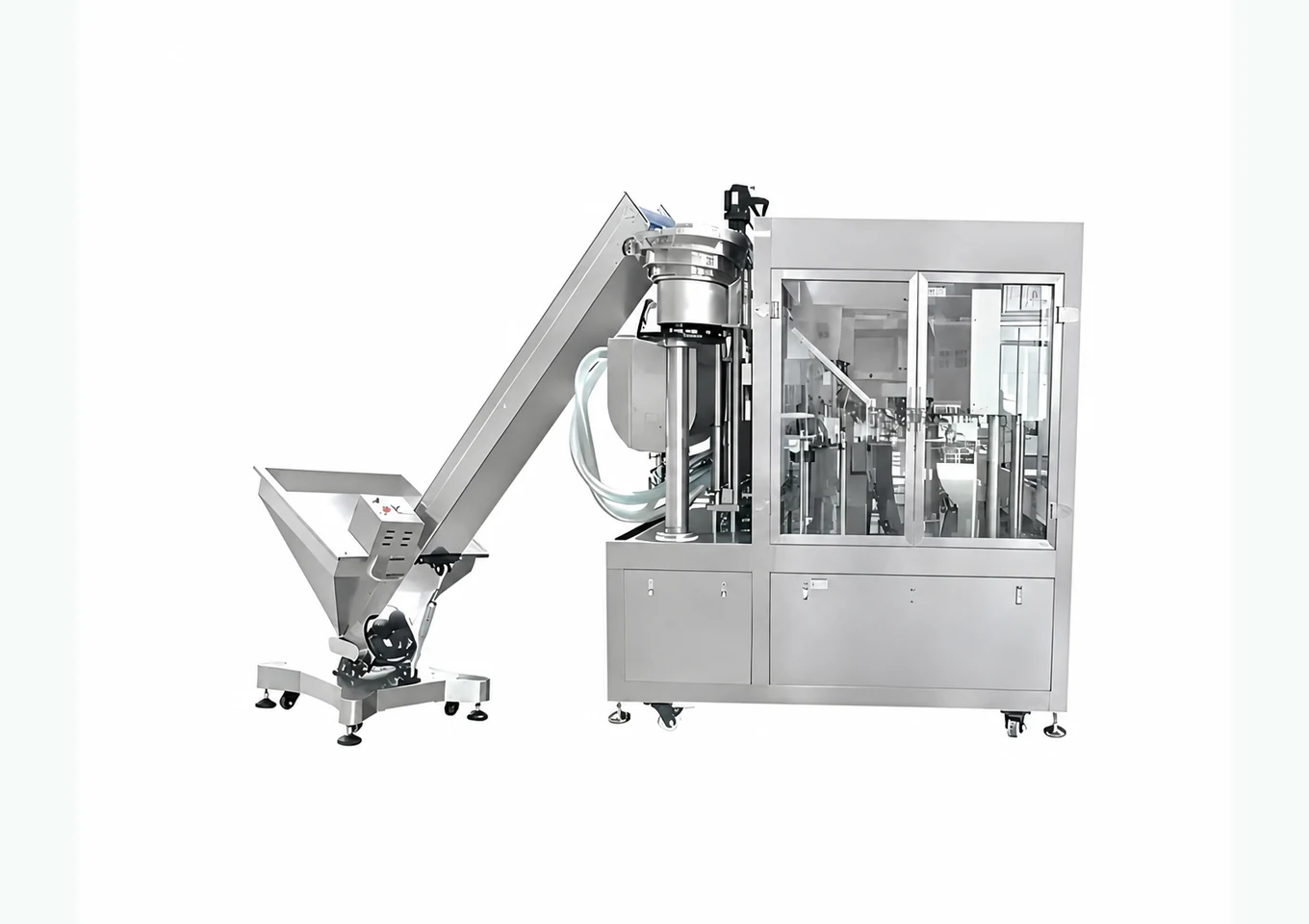 Stand-up Spout Pouch Filling and Screw Capping Machine
Feeding and Filling; Select filling method based on viscosity, particles, fill volume and cleaning requirements; Hopper / Pump / Piston / Weighing
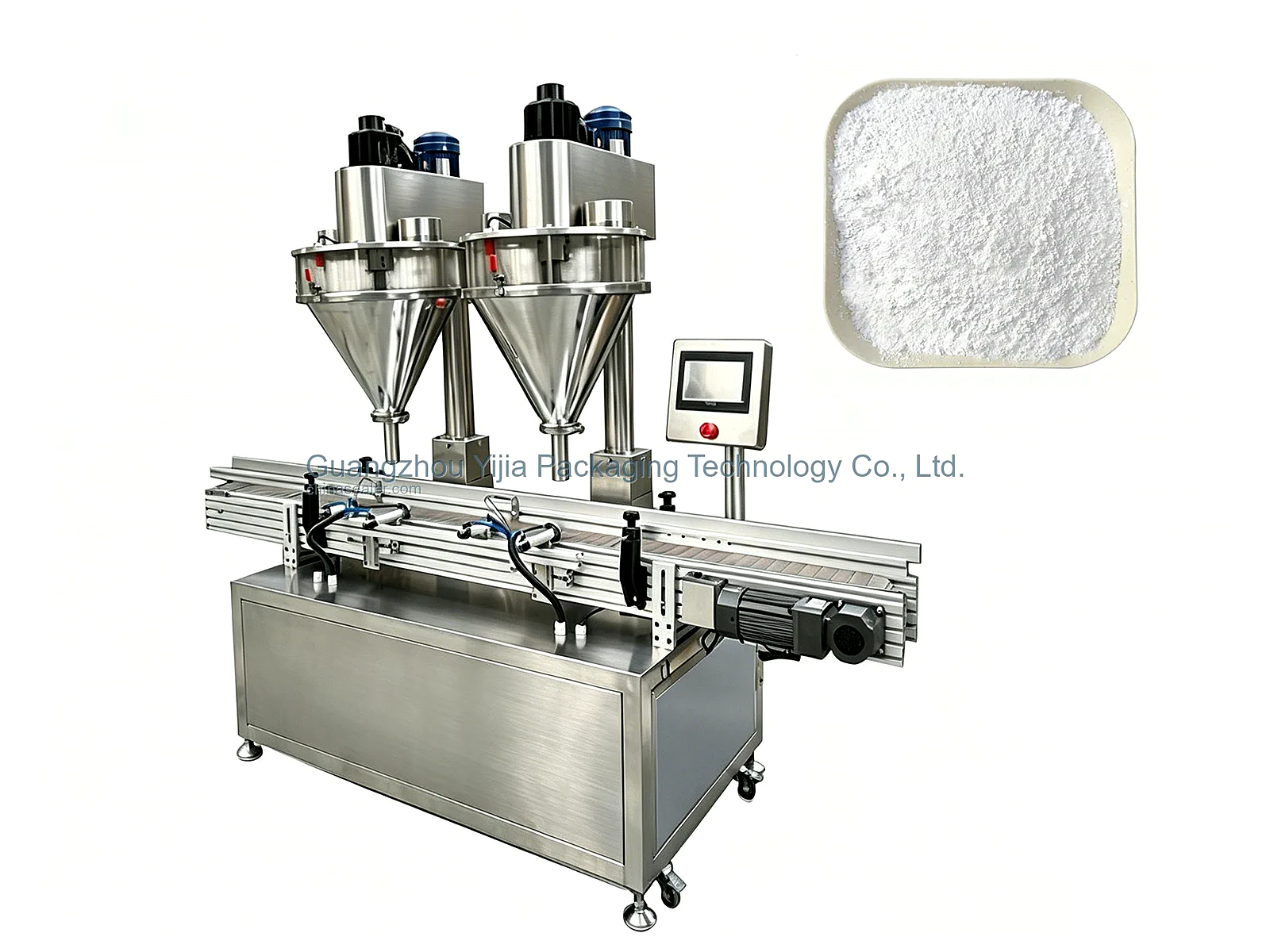 Powder & Granule Filling Machine
Feeding and Filling; Select filling method based on viscosity, particles, fill volume and cleaning requirements; Hopper / Pump / Piston / Weighing
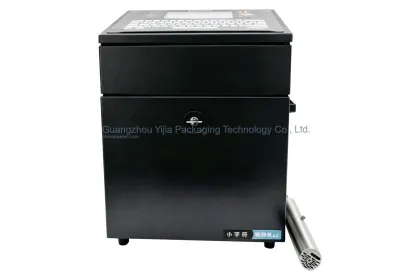 Date & Batch Inkjet Printer
Identification and Inspection; For export or retail packaging, it is recommended to confirm traceability and rejection methods together; Date Batch Code / Labeling / Checkweighing / Metal...
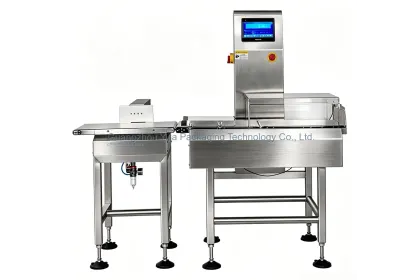 Inline Checkweigher
Identification and Inspection; For export or retail packaging, it is recommended to confirm traceability and rejection methods together; Date Batch Code / Labeling / Checkweighing / Metal Detection
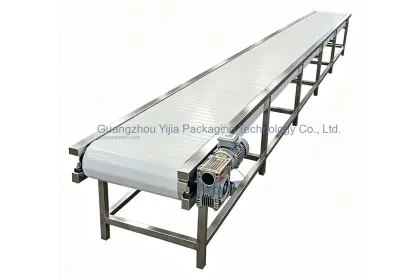 Food-grade conveyor line
Downstream and Delivery; Include site space, voltage, air supply, language interface and wooden case packaging in the quotation scope; Cartoning / Case Sealing / Outer Case Labeling / Spare P...
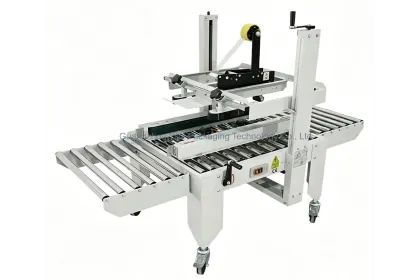 Carton Sealing and Outer Case Labeling Line
Downstream and Delivery; Include site space, voltage, air supply, language interface and wooden case packaging in the quotation scope; Cartoning / Case Sealing / Outer Case...
Sample details
Share the product name, container photos or dimensions, including mouth size, height, volume and whether it deforms easily.
Product name, viscosity, whether it contains particles or foamConfirm film, foil liner, lid, label or pouch material, thickness and sealing requirements.
Physical container or photos, diameter or length/width/height, rim or cap structure, and whether samples are availableShare the hourly target, manual or automatic loading preference, and whether conveyors, filling, labeling or carton packing should be connected.
Film or cap samples, product condition, whether it is hot-filled, contains particles, foams easily, and consumable specificationsUse the sample details to confirm machine model, tooling, optional functions, lead time and quotation range.
Target Capacity (boxes/hour)Send sample photos, key dimensions, film or caps, target output and line-integration needs so we can confirm the machine, tooling and quotation range.
Sample photos, dimensions, film or caps, target output, line integrationCommon selection mistakes
Without samples, packaging and capacity, the quote can only be very rough, leading to frequent revisions later.
Filling completion does not mean packaging completion. Sealing, capping, inverted test, transport and shelf condition must all be verified.
Actual capacity also includes feeding, changeover, cleaning, inspection rejection and manual collection.
Film, caps, labels and seals affect equipment configuration and should be confirmed together with the machine.
After order growth, insufficient conveying direction, space or interfaces become apparent, and retrofit costs increase significantly.
Common questions
A preliminary assessment can be made, but a formal quote requires sample photos, packaging dimensions, materials and target capacity. For complex projects, it is recommended to send samples for testing.
For small batches or trial production, start with a single machine. For stable orders and multi-process projects, consider automatic feeding, filling, sealing, labeling, inspection and downstream integration.
Differences usually come from filling method, number of heads, tooling, packaging materials, leak prevention requirements, inspection configuration, control system and export configuration.
Depends on the fluidity of the bag and pre-made pouch at actual temperature, whether it separates, crystallizes, and cleaning requirements.
Yes, but reserve conveying length, signal interfaces, installation space and product pitch in advance.
Confirm voltage, plug, air supply, English interface, manuals, spare parts, packaging method and destination port delivery requirements.