Filling / Dosing Equipment
Stand-up Spout Pouch Filling and Screw Capping Machine
The stand-up spout pouch filling and screw capping machine organizes a continuous process around spout positioning, liquid or paste filling, cap supply, cap placement, and screw capping. Spout dimensions, pouch support, product foaming and stringing, cap torque, and cleaning requirements determine the machine structure. Pouch handling, inspection, and downstream conveying are optional based on project needs.
Technical parameters
- Capacity and Cycle Time
- Confirmed based on pouch feeding, filling time, anti-drip, cap supply, capping action, and discharge stability; no fixed values published without project verification
- Automation Scope
- Automatic spout pouch positioning, filling, and screw capping; pouch feeding, cap sorting, inspection, rejection, and downstream conveying configured per project
- Applicable Container or Packaging
- Pre-made stand-up pouches with fixed spouts or similar flexible pouches; spout shape, position, pouch dimensions, and support method confirmed per actual sample
- Applicable Product
- Liquids, pastes, or products containing small particles; viscosity, temperature, foaming, stringing, particles, and cleaning conditions must be specified
- Packaging Materials and Consumables
- Spout pouches, screw caps, and related seals must be matched; cap orientation, thread, torque, and seal effect verified per sample
- Basic Process
- Spout pouch feeding and positioning, metered filling, optional cap sorting, cap feeding, screw capping, inspection, and discharge
- Tooling and Changeover
- Replace or adjust fixtures, filling nozzles, cap feeding guides, capping heads, and pouch supports according to spout and cap specifications
- Power, Air Supply, and Layout
- Confirm machine dimensions, power, air supply, maintenance space, and upstream/downstream interfaces based on filling metering, cap sorting and capping, pouch support, cleaning,...
Selection guide
- Spout clamping and flexible pouch support structure jointly verified with actual spout pouches
- Filling metering and anti-drip solution selected based on viscosity, foaming, and particle conditions
- Cap sorting, inspection, rejection, inkjet coding, and downstream conveying clearly defined as optional modules
- Screw capping torque, seal effect, and actual cycle time confirmed through pouch-cap combination testing
Applications
- Projects using pre-made spout pouches for beverages, sauces, daily chemical liquids, etc.
- Production lines requiring continuous spout positioning, filling, cap feeding, and screw capping
- Filling projects where product has foaming, stringing, or particles, requiring anti-drip verification
- Projects planning to add optional inspection, inkjet coding, rejection, or downstream conveying
Frequently Asked Questions
- Can the machine handle different spouts and caps? It can be evaluated, but differences in spout shape, thread, cap height, and torque affect fixtures, guides, and capping heads; replacement parts and re-tuning are usu...
- What if the pouch wobbles after filling? This needs to be addressed through pouch support, clamping position, filling speed, and discharge guidance; the specific structure is confirmed based on fill volume and pouch r...
Send samples and capacity requirements for a clearer solution
- Empty spout pouches, caps, and filled finished product samples
- Product viscosity, temperature, foaming, stringing, particles, and cleaning data
- Fill volume range, allowable tolerance, screw capping torque, and seal standard
- Target cycle time, feeding method, site space, and downstream interface
Stand-up Spout Pouch Filling and Screw Capping Machine: Feeding and Filling; Select filling method based on viscosity, particles, fill volume and cleaning requirements; Hopper /...
Stand-up Spout Pouch Filling and Screw Capping Machine: Contents confirmation; Choose the filling, sealing, capping or packing method by the confirmed sample; Liquid; Sauce
Stand-up Spout Pouch Filling and Screw Capping Machine: Filling; Tomato ketchup has relatively high viscosity. Piston filling gives accurate dosing and is suitable for sauce pro...
Stand-up Spout Pouch Filling and Screw Capping Machine: Sample and container confirmation; Use actual samples to confirm filling nozzle compatibility, sealing parameters, and to...
Stand-up Spout Pouch Filling and Screw Capping Machine: Sealing or Filling and Sealing; Choose a premade pouch filling and sealing machine or continuous sealer according to bag...
Stand-up Spout Pouch Filling and Screw Capping Machine: Filling; Choose a rotary lobe pump (with particles) or piston (without particles) based on whether the ketchup contains p...
Stand-up Spout Pouch Filling and Screw Capping Machine: Premade pouch feeding, filling, and sealing; Automatically picks pouches, opens them, fills, and seals them. This suits p...
Related products
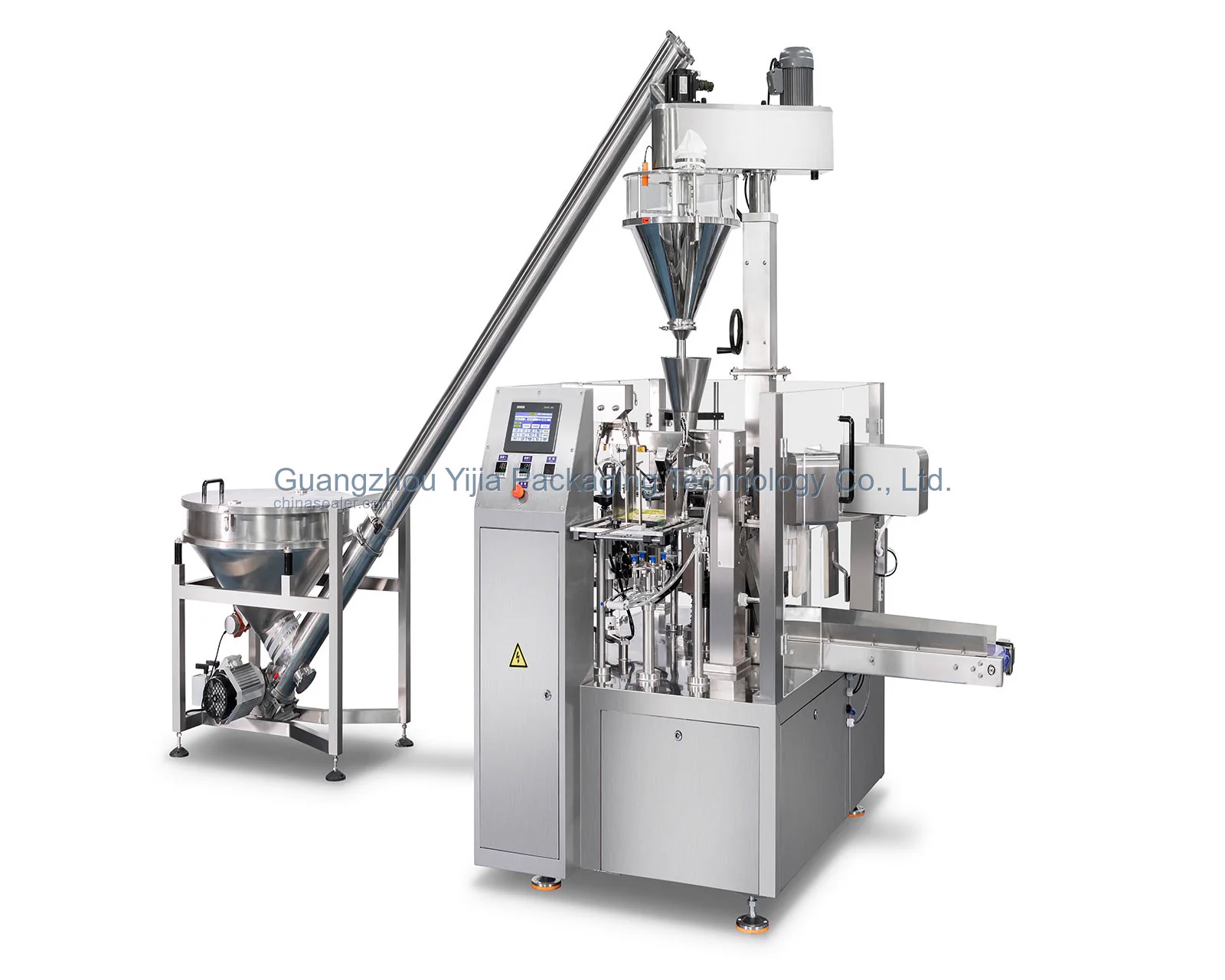
Single-Lane / 3-Station Pre-Made Pouch Filling and Sealing Machine Series
This series covers single-lane compact pre-made pouch and 3-station pre-made pouch filling and sealing lines, used fo...
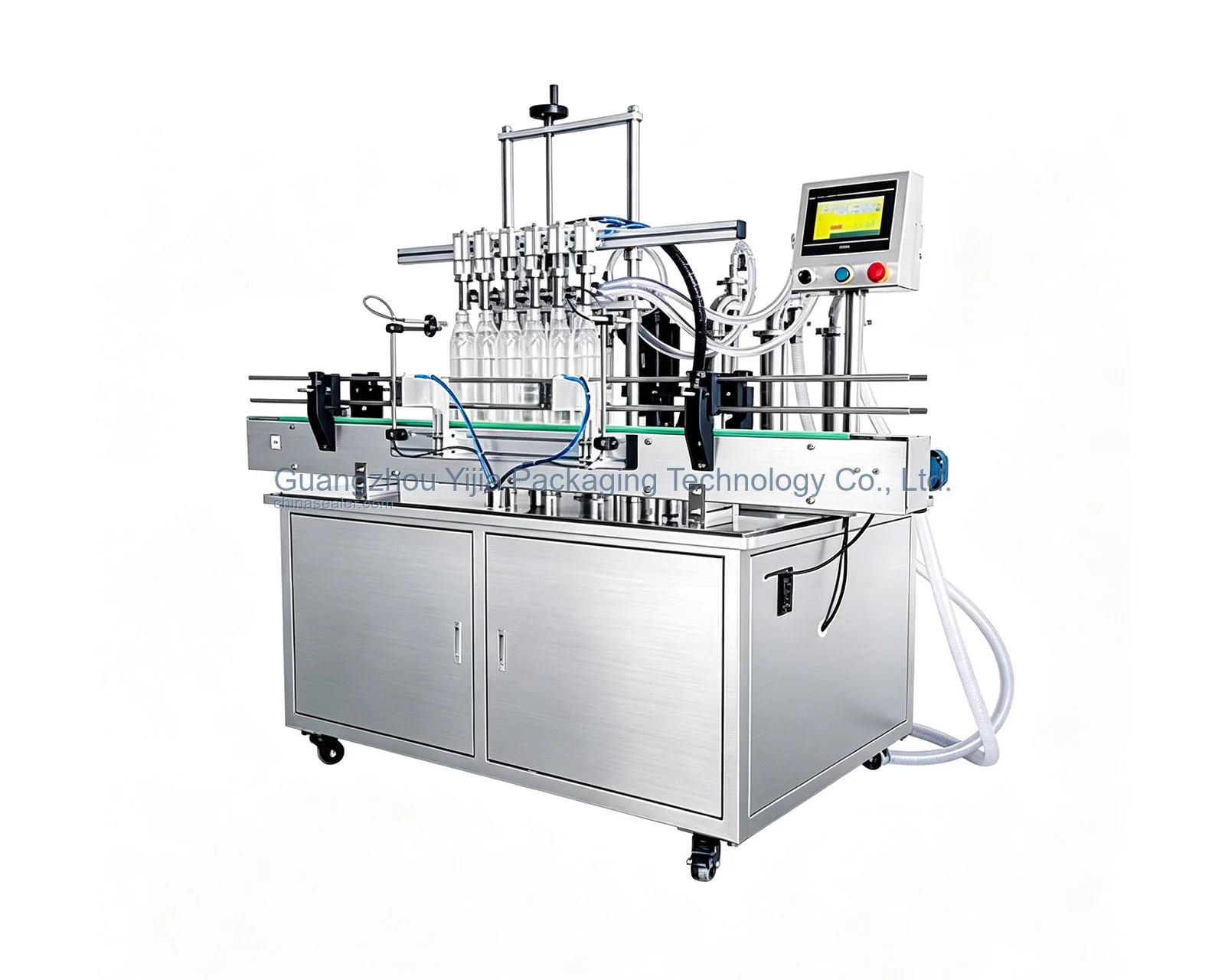
Multi-head servo liquid filling line
The multi-head servo liquid filling line coordinates container positioning, filling, anti-drip, and bottle discharge...
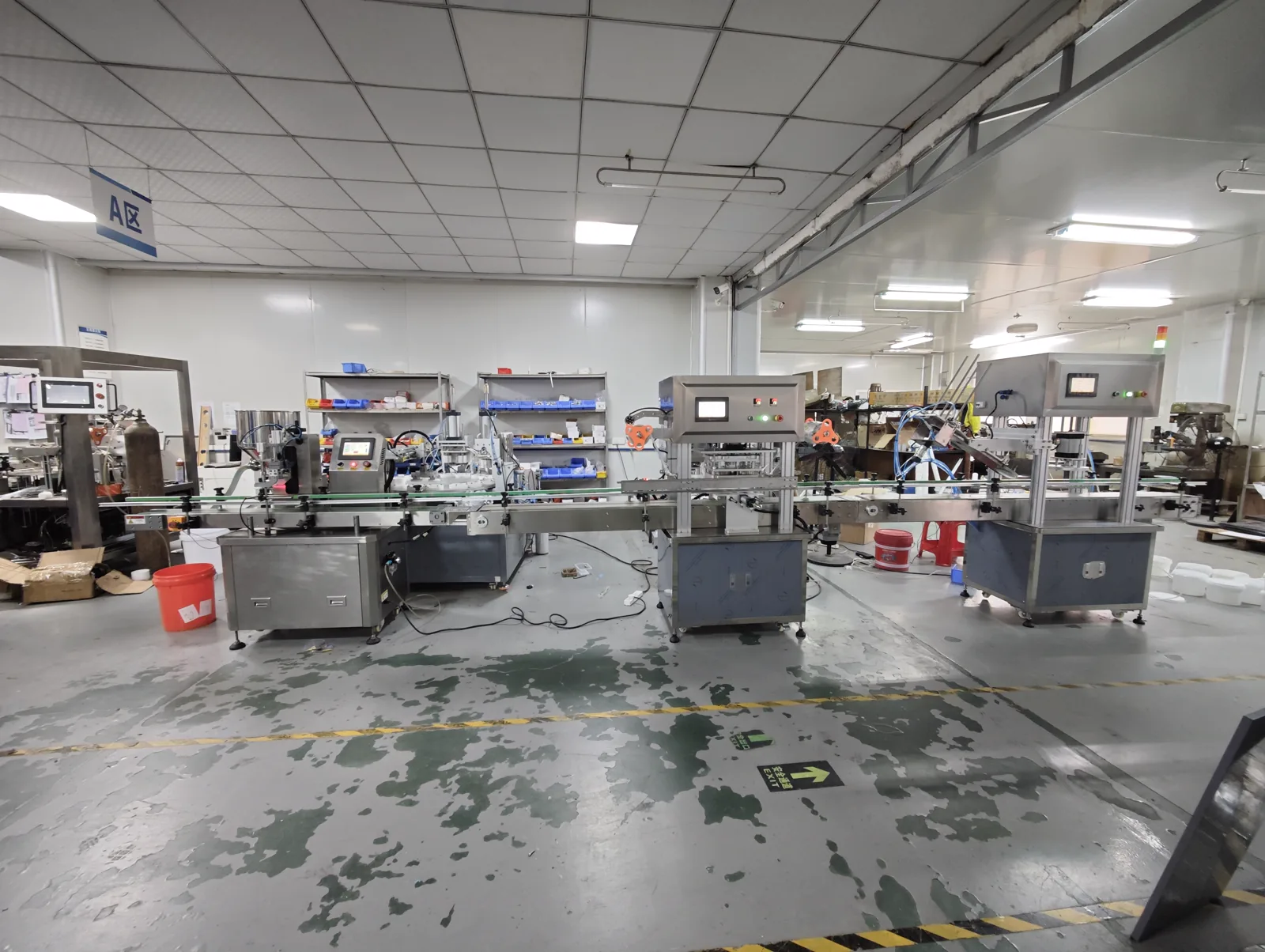
Filling, Press Capping / Screw Capping, Sealing Complete Line
This complete line integrates bottle feeding, filling, cap sorting, press or screw capping, sealing, inspection, and...
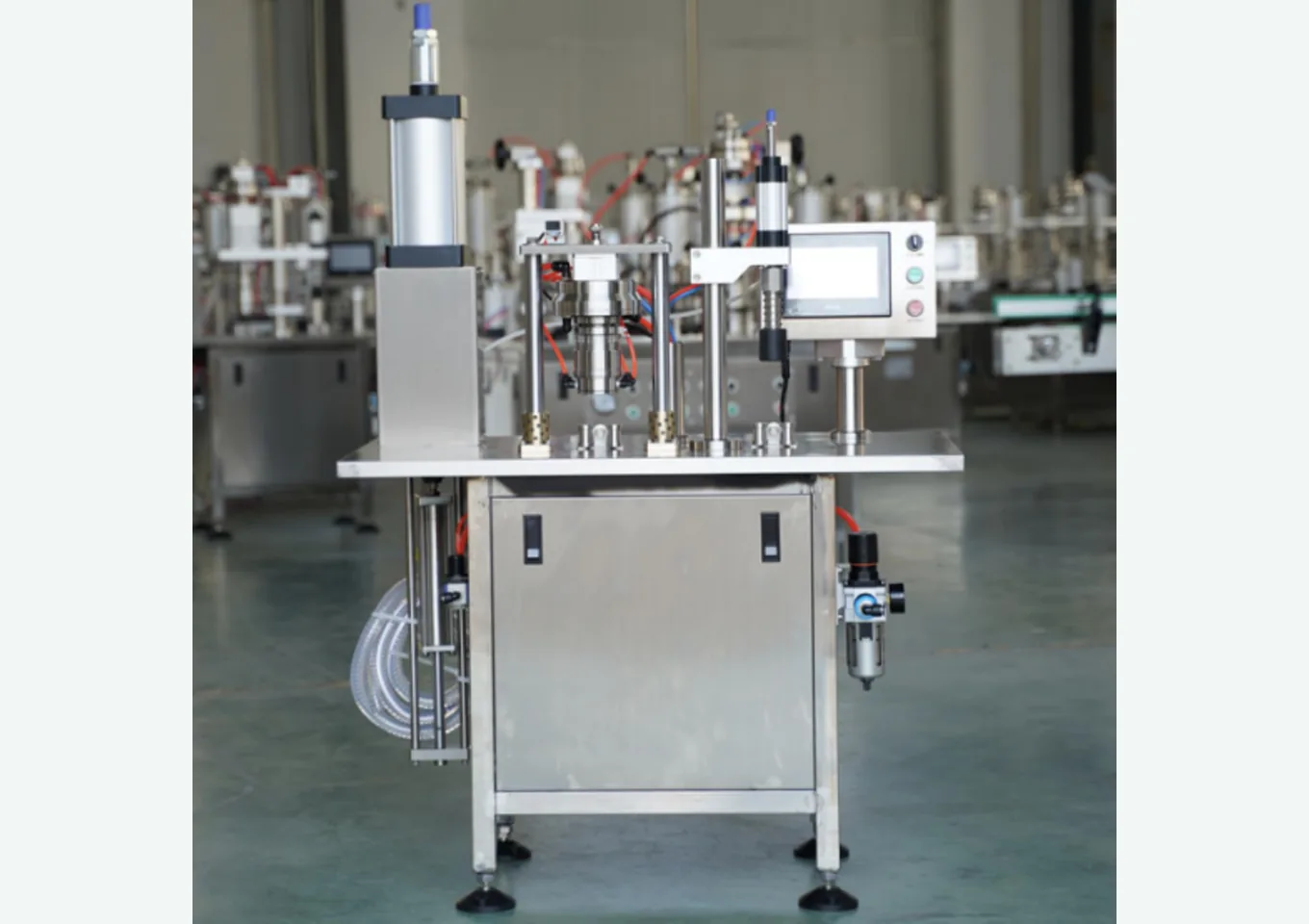
Two-Component Aerosol Filling and Sealing Machine
The two-component aerosol filling and sealing machine is configured around the can, inner bag or valve, product filli...
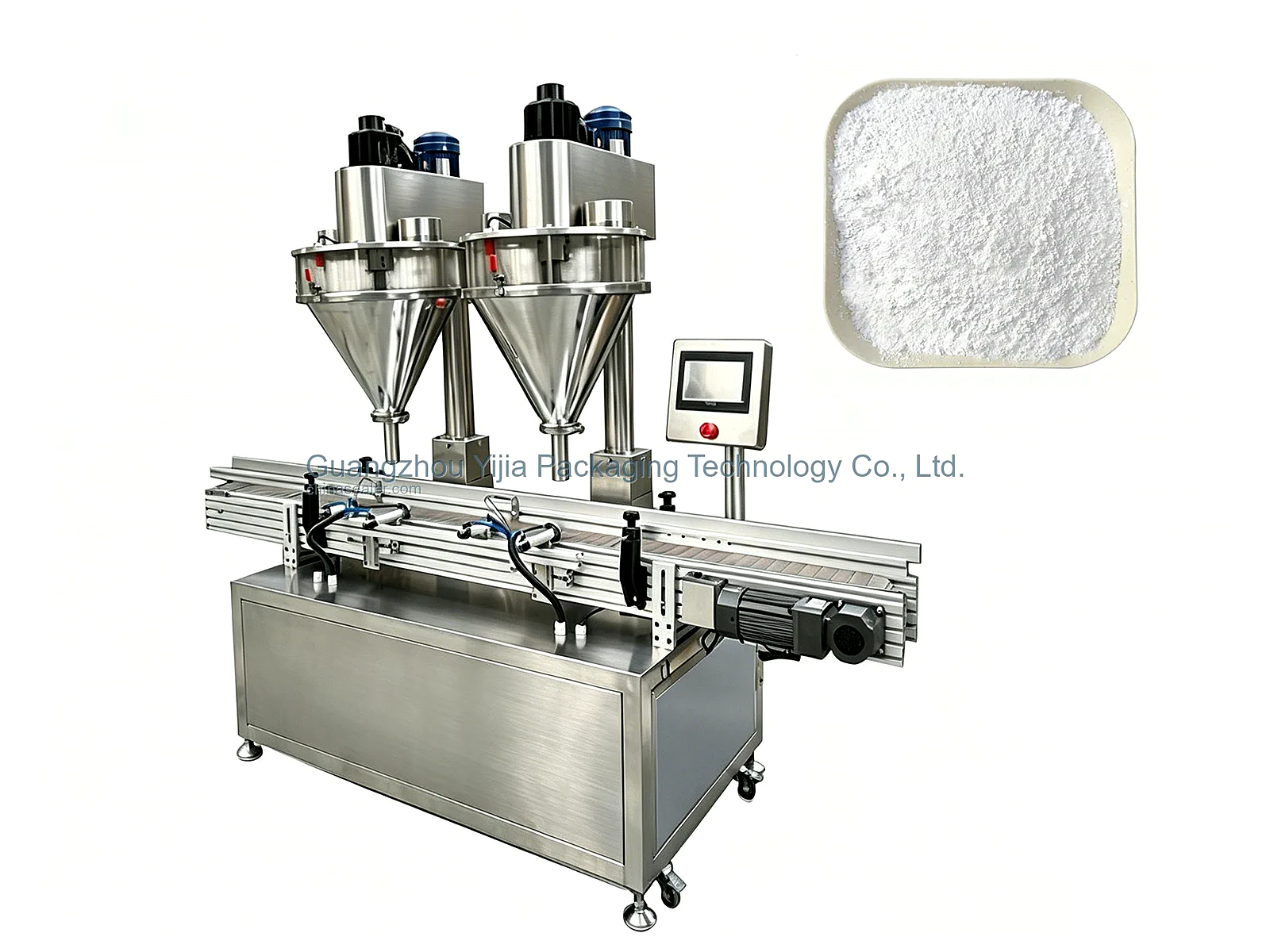
Powder & Granule Filling Machine
Powder & Granule Filling Machine is configured for Quantitative Material Filling on Bottles, pails, cans, flexible po...
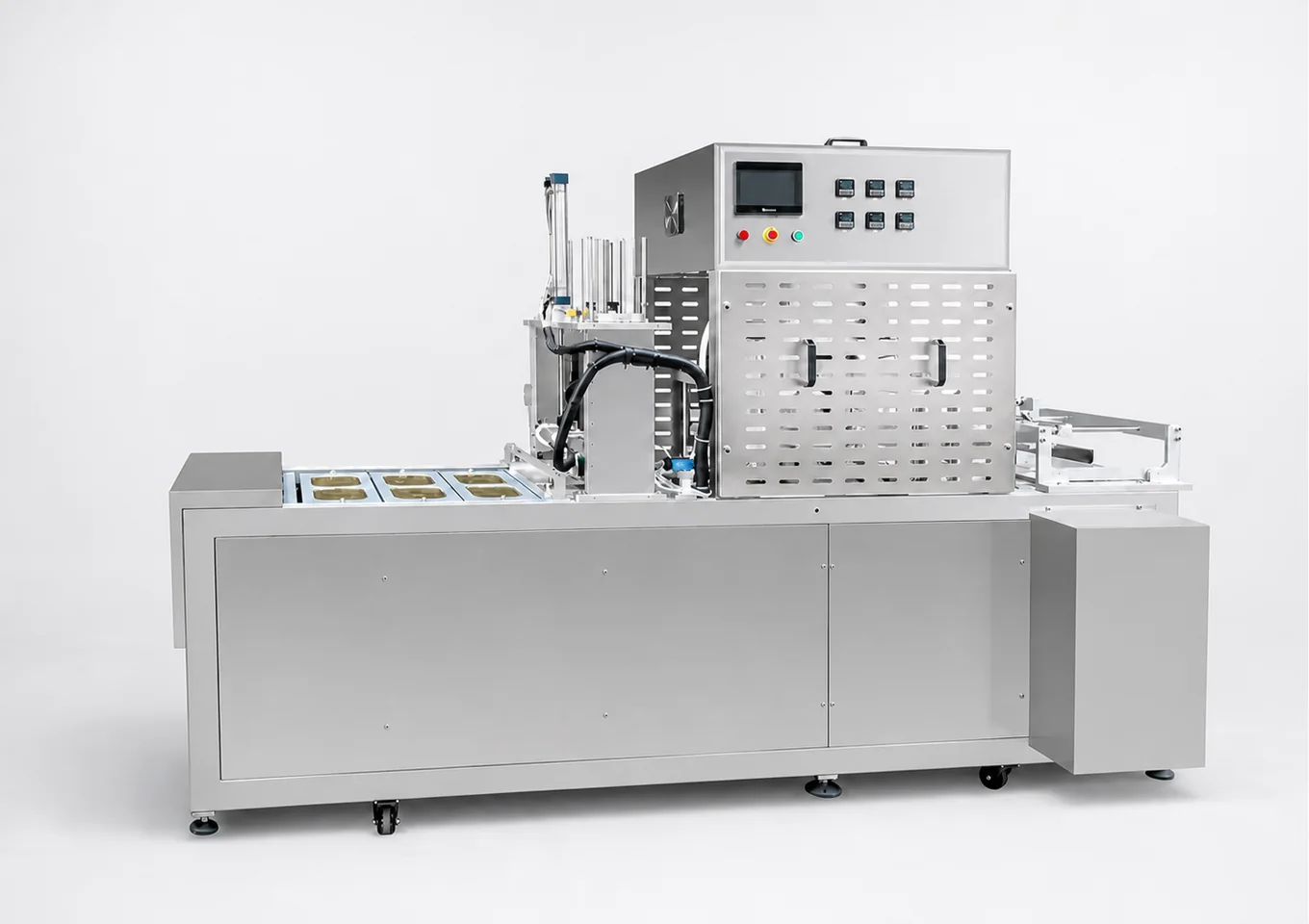
Chain Conveyor Cup/Tray Continuous Sealing Line (Optional Filling)
Suitable for continuous positioning conveying and heat sealing of preformed cups, boxes, and trays. The gallery inclu...