Solution topic
Small Cup Sauce Filling, Cup Film Sealing and Outer Case Closing
Use magnetic pump or sauce piston equipment to complete small-dose cup filling, then enter the small cup filling and sealing machine or automatic pre-cut film tray sealing machine,
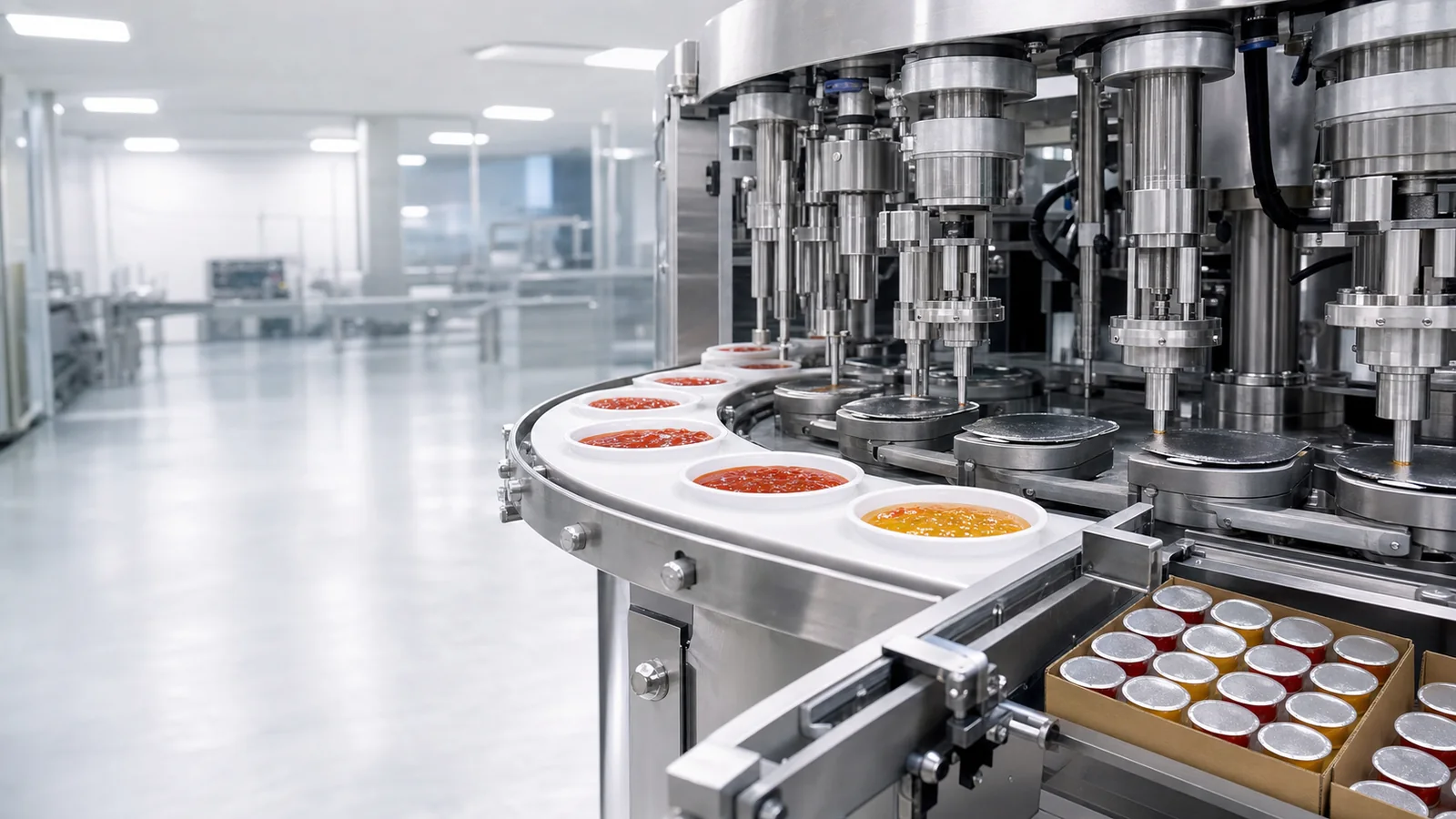
- When ketchup, chili sauce or salad dressing enters small cups, material flow and cup rim residue affect filling and film sealing. Shrink wrapping or outer case handling after cup forming should be confirmed separately according to the sales combination.
Solution summary prepared for you
- For small cup sauce packaging, first distinguish integrated filling and sealing from independent metering plus pre-cut film sealing based on cup type, film material, and actual material.
- Magnetic pump small-dose filling machine and sauce piston filling machine are compared by viscosity and particles; the automatic pre-cut film machine only handles pre-cut film sealing of already-filled cups and trays.
- Finished cup batch number, combination shrink wrapping, and outer carton closing are downstream stages selected according to shipping method; cooperative supply scope and official cup set and carton samples are confirmed separately.
Route comparison
- Suitable for projects with stable cup type, film material, and sauce, where cup feeding, filling, and film sealing need to be connected in one main machine.
- The small cup filling and sealing machine can use the same set of cup and film materials to observe cup dropping, material dropping, cup rim cleanliness, film feeding, and sealing.
- Cup type, fill volume, filling heads, and sealing stations are configured according to samples and project; tooling needs re-verification when changing specifications.
- When metering is already completed upstream or the project clearly uses pre-cut film for independent sealing, the corresponding step-by-step route should be adopted.
- The small cup filling and sealing machine is trial-run with official cup and film materials; finished sample cups of filling and sealing are retained for the main specification.
- Suitable for projects requiring separate control of sauce metering, where filled cups and trays use pre-cut film pick-and-place sealing.
- Magnetic pump and piston metering can be trial-run independently first; pre-cut film sealing is then evaluated around cup rim cleanliness and film position.
- Cup body orientation and rim condition between the two stages must remain stable; the pre-cut film machine does not handle sauce filling.
- When the project requires roll film integrated filling and sealing, or the cup body cannot be transported stably, return to the main machine that matches the actual packaging materials.
- Magnetic pump small-dose filling machine and sauce piston filling machine are compared with actual material; the automatic pre-cut film pick-and-place tray sealing machine is evaluated according to cup, film, and project scope.
- For shipping routes where sealed small cups need variable batch codes, combined shrink wrapping, or case closing and outer case labeling after packing.
- Cup surface marking, cup set shrink wrapping, and outer carton closing can be tested separately; do not mix different packaging levels into one set of stations.
- Printing surface, cup set, film sample, carton specification, and label content all require actual items; cooperative equipment boundaries must also be listed separately.
- For single-cup shipping or when outer cartons are not used, shrink wrapping and carton line can be omitted, keeping only the marking actually needed.
- The collaborative date batch inkjet coding machine is trial-printed on finished cups; the L-type cut-seal shrink packaging line is evaluated with official cup sets; the collaborative carton sealing and outer carton labeling line handles...
Associated Equipment / Consumables
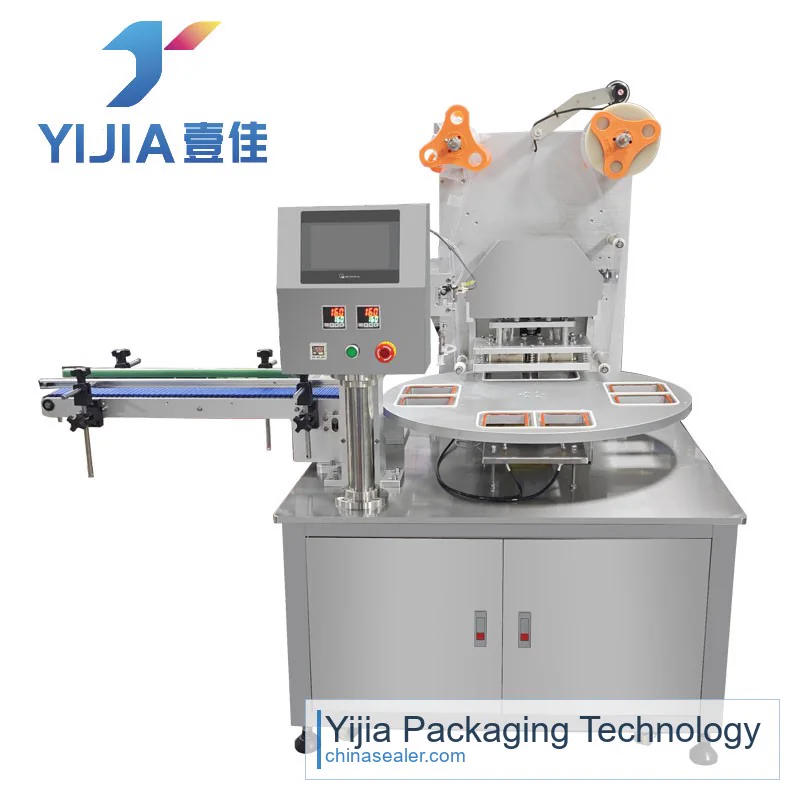 Automatic Small-Cup Filling and Sealing Machine
The machine denests cups, doses product, registers and heat-seals film, trims and discharges. Confirm cup stacking and rim, viscosity, particles, foaming or stringing, rollstock or pre-cut lids, peel and leak criteria...
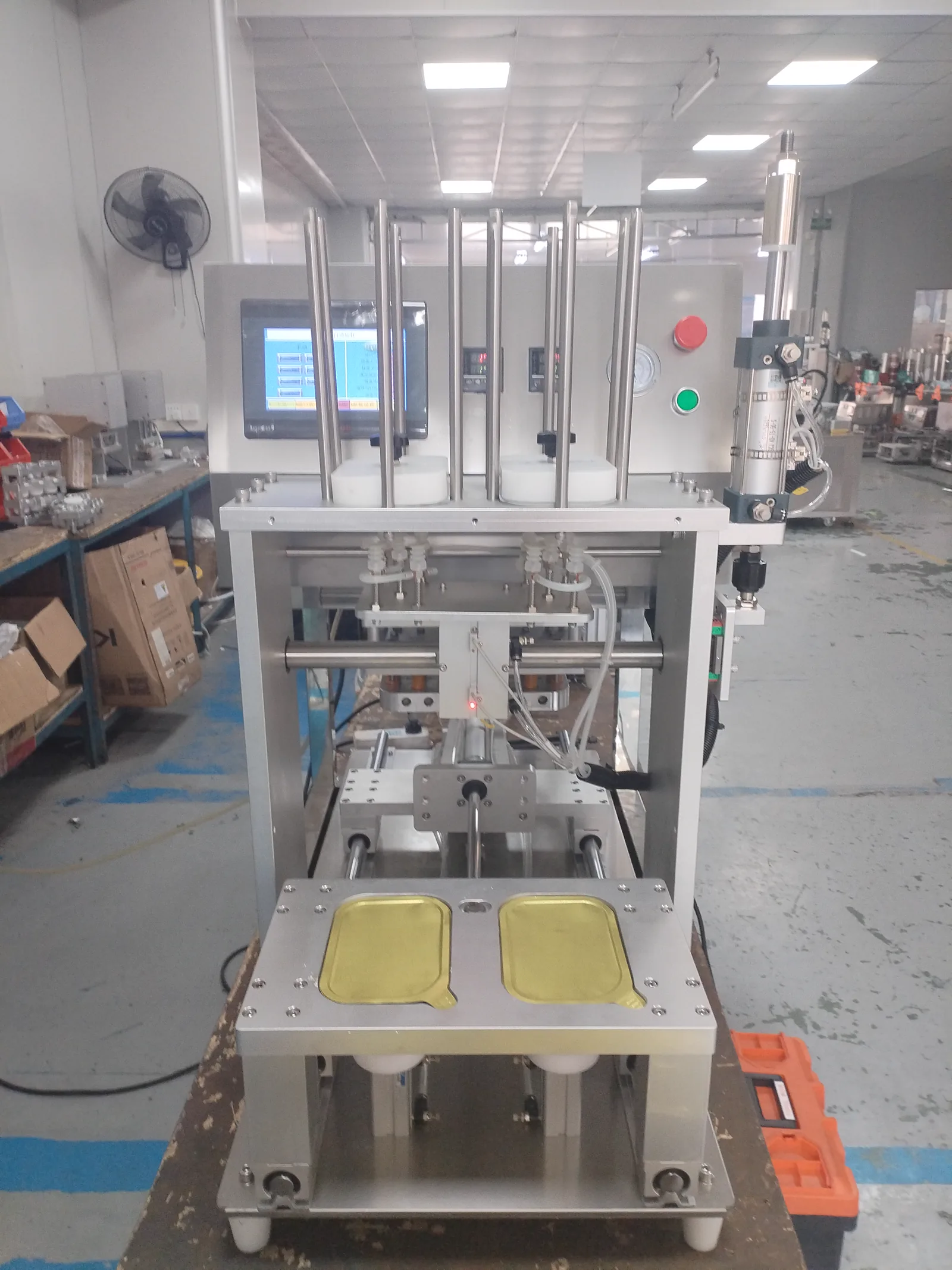 Automatic Pre-Cut Lid Pick-and-Place Tray Sealer
Automatic pre-cut film pick-and-place tray sealing machine: Complete cup, film, and material sample set; Each cup type corresponds to film material and sauce code; during trials, record material drop, cup rim cleanlin...
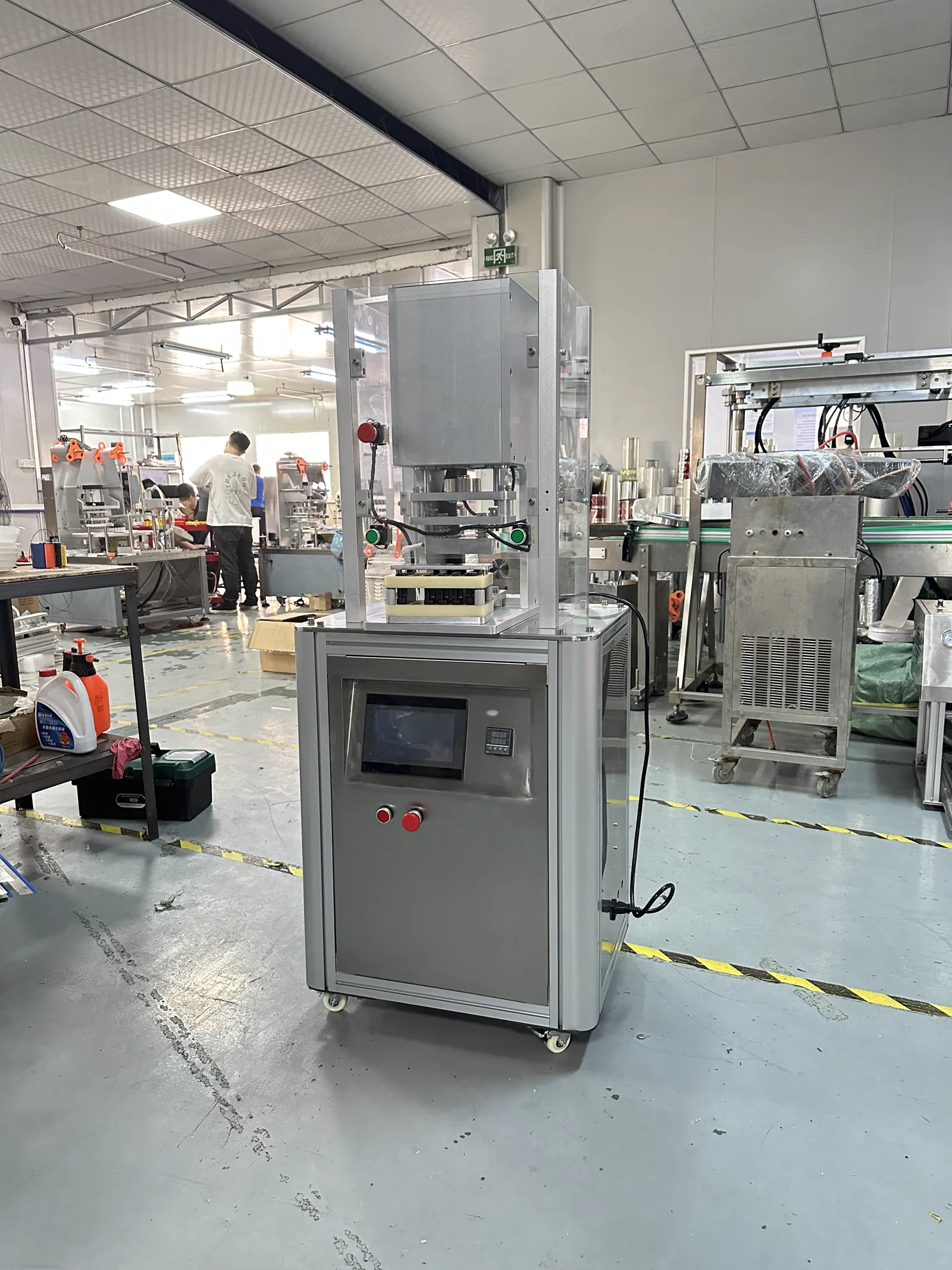 Servo Multi-Cavity Cup, Tray and Container Sealing Machine
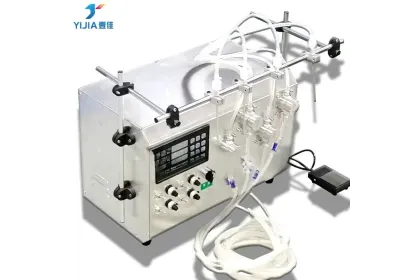 Magnetic pump small-dose filling machine
Integrated filling and sealing branch; The small cup filling and sealing machine is configured according to cup type, fill volume, sauce condition, and project; after changing...
Core process
Cup rim, stacking, film heat seal side, and sauce flow together determine cup dropping, metering, and sealing; samples should be submitted with the main production specification.
When small cup feeding and film sealing need to be completed in the same main machine, use the official cup, film, and material sample set to evaluate cup dropping, filling, film feeding, and sealing.
First compare small-dose magnetic pump and piston metering with actual material, then hand over the filled small cups to the pre-cut film pick-and-place sealing station.
Batch number is trial-printed on the sealed surface; only enter the downstream trial packaging stage when the shipping method requires finished cup combination shrink wrapping.
Single cups, cup sets, and outer cartons are different packaging levels; first clarify whether case packing is done manually or by another process, then arrange outer carton closing.
Products packed into outer cartons can be connected to carton sealing and outer carton labeling according to the project; the cup case packing method and cooperative supply boundary are described separately.
Sample details
The incoming condition is used to distinguish integrated filling and sealing or step-by-step equipment; cup rigidity and stacking also affect cup dropping and positioning.
Please provide cups, rim, cup bottom, and stacking condition, and indicate whether sauce metering is completed before entering the equipment.Roll film and pre-cut film use different feeding actions; official film should be trial-sealed with the cup rim and checked for opening.
Please prepare roll film or pre-cut film, indicating the heat seal side, pre-cut film dimensions, printing direction, and easy-tear opening requirements.Actual material performance is used to compare magnetic pump and piston metering, and to determine filling finishing and rim cleaning methods.
Please provide representative sauce, indicating production temperature, viscosity, particles, stringiness, cup rim drop point, and cleaning method.This information is used to verify the handover of integrated or step-by-step routes; do not replace real continuous trials with generic speed.
Please describe the shift pace of the main cup type, cup replenishment, film replenishment, material change and cleaning, manual stations, and on-site space.First clarify who completes the finished cup case packing, then evaluate the project boundaries of combination shrink wrapping, carton sealing, and outer carton labeling separately.
Please provide cup set arrangement, shrink film, outer carton dimensions, packing per carton, outer carton label, and transport orientation.Different packaging levels use their own samples for review; avoid using outer carton results to infer cup rim filling or sealing condition.
Please retain qualified samples and acceptance criteria for filling and film sealing, batch number, shrink-wrapped cup sets, and outer carton levels.Common selection mistakes
After submitting the main cup sample and dimensions, decide between integrated filling and sealing or step-by-step sealing with pre-cut film.
Compare magnetic pump and piston routes with the same batch of actual material, and check cup rim residue simultaneously.
Use filled cups, official pre-cut film, and finished product requirements to complete project evaluation for the automatic pre-cut film pick-and-place tray sealing machine.
The L-type cut-seal shrink packaging line is evaluated with official cup sets and film samples; single-cup routes can omit this stage.
The collaborative carton sealing and outer carton labeling line is connected only according to the confirmed carton sample, label, and scope of supply.
View detailed technical notes
First Identify the Infeed State of Small Cup Sauce
Feeding empty cups into the film sealing station, sealing pre-metered small cups with film, and placing sealed cups into outer cases are three different equipment boundaries.
Cup and Film Materials Together Determine the Main Process
Cup type and stacking determine positioning; film material determines film feeding and sealing; sauce viscosity, particles and stringiness determine metering and cup rim cleanliness. All three should be tested as a complete set.
Integrated Filling and Sealing Uses a Complete Sample Set
Evaluate the small cup filling and sealing machine starting from the actual cups, film and sauce. Observe cup infeed, metering drop point, filling finish, cup rim residue, film feeding and finished seal edge one by one. The number of stations, changeover and operating range are confirmed per project and cannot be pre-fixed by planned output or cup name.
Step-by-Step Route: Meter First, Then Seal with Film
Compare the magnetic pump small-dose filling machine and the sauce piston filling machine using the same batch of real material for metering and finish. Keep the pre-filled small cups in a stable posture before entering the automatic pre-cut film pick-and-place tray sealing machine. Film separation, orientation, film drop and seal edge are all evaluated with the actual cups and film, without adding other sealing machines unrelated to this pre-cut film process.
Outer Case Downstream Does Not Equal Automatic Cup Packing
After sealing, small cups can be trial-printed with batch numbers or grouped into cup sets as needed. The L-type cut-and-seal shrink wrapping line is used only after the actual cup sets and film samples pass project evaluation. How finished products enter the outer case is defined separately. The collaborative case closing and outer case labeling line handles the agreed packed products and does not write front-end case packing as a fixed capability.
Handle Cup Rim Residue at the Filling Stage
Adjust the sauce drop point, cut-off and cup positioning to an evaluable state first, then use filled sample cups to observe the seal edge. Do not leave continuous contamination to the film sealing station.
Check Pre-Cut Film Pick-and-Place Separately
Pre-cut film size, warpage, static, print direction and heat seal layer are tested with the cup rim. The automatic pick-and-place and sealing range are confirmed with actual samples.
Keep Batch Number Area Away from Seal Edge and Opening Position
The collaborative date and batch inkjet coder trial-prints on the available surface of the finished cups. Character position, adhesion and reading direction are confirmed together with the film layout.
Keep Samples for Different Packaging Levels Separately
Keep samples of filled and sealed cups, batch-coded cups, shrink-wrapped cup sets and sealed outer cases separately. After station adjustments, only re-check the affected packaging level.
Common questions
For small cup sauce, should you choose an integrated machine or step-by-step equipment first?
Evaluate a small cup filling and sealing machine when the cup shape is stable and continuous feeding and film sealing are required; use a step-by-step route when separate metering control or pre-cut film is needed.
How to determine the production pace of small cup equipment?
Run continuous trials with the main cup and film materials, then record the achievable pace based on cup replenishment, film replenishment, cleaning and changeover, abnormal cup removal, and handover to downstream stages.
Can the route be divided without an official cup sample?
You can first provide cup photos, rim dimensions, stacking method, and film material description; molds, pre-cut film pick-and-place, and sealing conditions still need confirmation with actual samples.
What conditions determine the sealing film?
The film's heat seal layer, dimensions, printing direction, and easy-tear structure must match the cup rim; use film samples from planned production for trial sealing.
Can the film still seal properly if sauce gets on the cup rim?
First adjust the filling and finishing, then use filled sample cups to observe rim residue and seal edges. Whether contamination is acceptable is judged by finished product testing.
Do all finished cups need shrink wrapping and outer carton line integration?
No. Only evaluate shrink wrapping or outer carton closing when the actual shipping combination requires it; single-cup products can keep manual sorting or omit the corresponding downstream stage.