Solution topic
Powder Dosing Packaging: Selecting the Sealing Main Machine by Bottles, Cans, Pails, Cups, Boxes, and Bags
Starting from powder flowability and containers such as bottles, cans, pails, cups, boxes, and pre-made bags, compare powder filling, heat sealing, press capping and can sealing, a
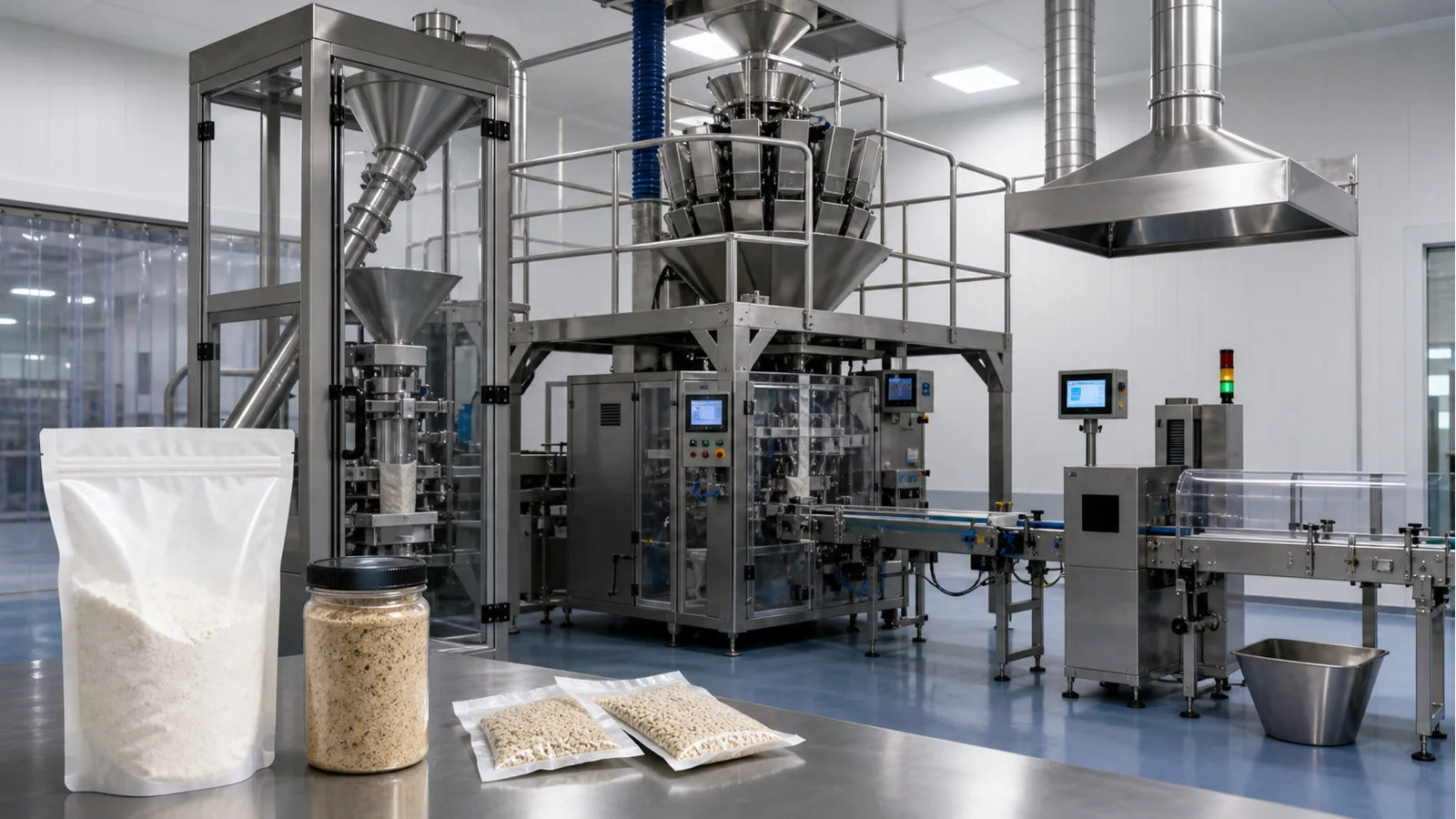
- Powder flowability first determines auger, weighing, or cup dosing; container form then determines heat sealing film, press capping and can sealing, or bag mouth heat sealing. Downstream conveying, checkweighing, and coding can only be configured after the discharge and main sealing are stable.
Solution summary prepared for you
- For powder quantitative packaging, look at the material first, then the container. Actual powder is used to select the dosing structure. Bottles, cans, pails, cups, boxes, or pre-made bags correspond to different sealing main machines.
- For bottles, cans, and pails, choose heat sealing, film sealing with press capping, or other corresponding sealing structures based on the rim. Cups and boxes use cup filling and sealing equipment. Pre-made bags go into the bag filling a...
- When information is incomplete, submit powder videos and packaging photos for preliminary routing. Final equipment configuration still requires joint trials with material, containers, and sealing consumables.
Route comparison
- Powder is filled into bottles, cans, or pails, and sealed with rigid container sealing that matches the rim, film, and lid.
- Dosing station and rigid container sealing can be trialed separately, making it easier to select the corresponding main machine based on rim and lid.
- Dust falling on the rim interferes with sealing. Container positioning, filling landing point, and mouth cleaning need to be verified together.
- When the sales packaging is actually cups, boxes, or pre-made bags, do not reuse the sealing main machine for bottles, cans, and pails.
- After the powder and granule filling machine, configure a bottle, pail, and can sealing machine, large-diameter pail heat sealing machine, or aluminum foil film sealing and press capping machine.
- Projects where powder uses cups or boxes as retail packaging and requires cup filling and mouth heat sealing.
- Cup positioning, quantitative filling, and film sealing can be integrated in the same cup process, suitable for first making a complete cup and film trial.
- Fine powder on the cup mouth, static, and film handling state can change continuous sealing performance.
- When containers require crimping, press capping, or bag mouth heat sealing, switch to corresponding packaging equipment.
- Evaluate small cup filling and sealing machines. Cup diameter, cup height, sealing film, and powder landing point are configured according to samples.
- For powder products sold in pre-made bags that require sequential bag picking, filling, and bag mouth heat sealing.
- The pre-made bag route can be verified step by step around bag type, opening, filling, and bag mouth sealing, suitable for bag sales forms.
- Bag mouth must not carry dust. Bag material, opening state, and filling landing point should be debugged with actual bag samples.
- When powder needs to be packed into rigid pails, cans, cups, or boxes, return to the positioning and sealing route of the corresponding container.
- The bagging process consists of a powder and granule filling machine and a single-lane or three-station pre-made bag filling and sealing machine series.
Associated Equipment / Consumables
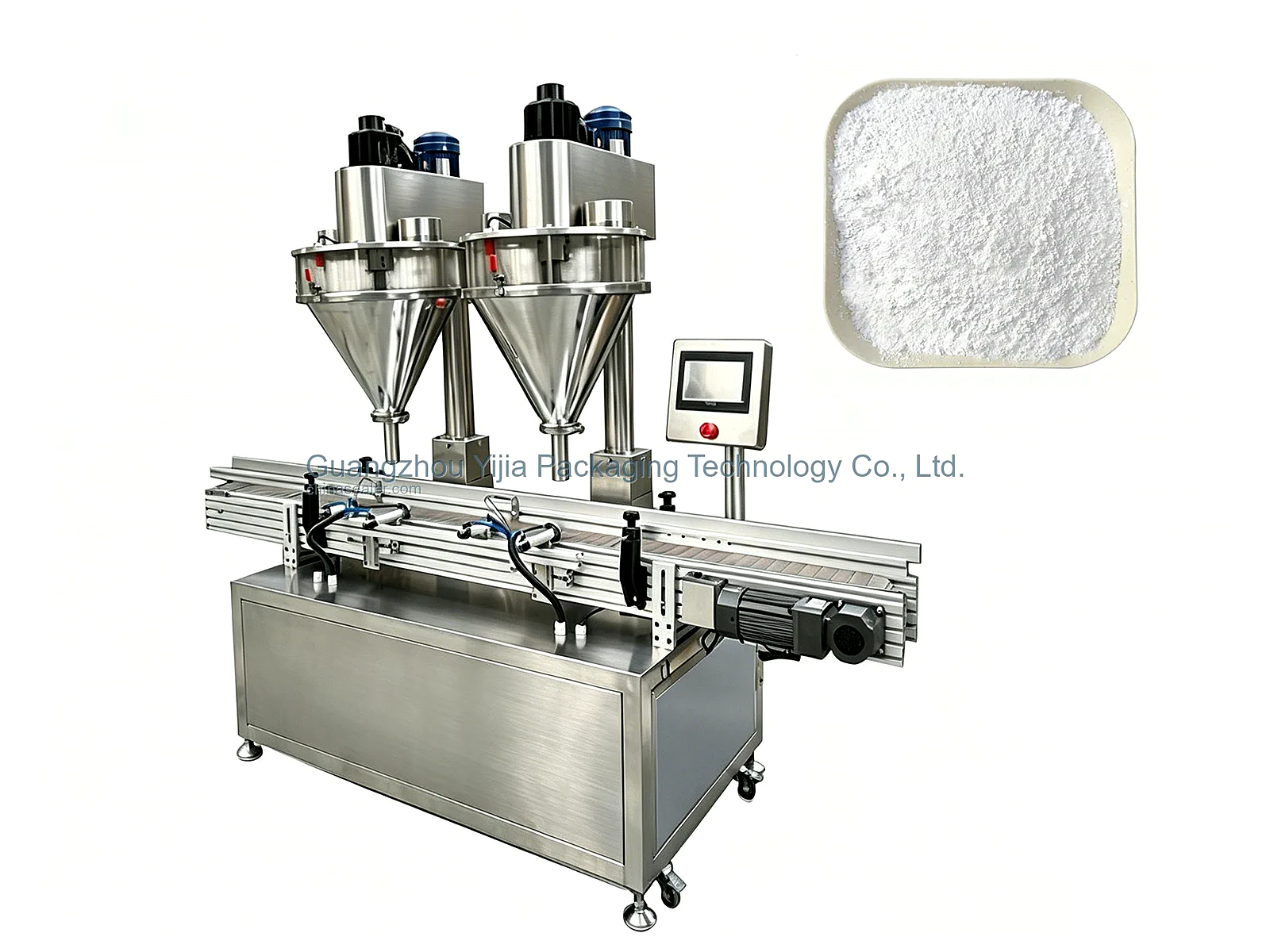 Powder and Granule Dosing Filling Machine
The machine doses powders or granules. Auger, volumetric and weighing systems are different routes. Select from flowability, bulk density, dust, particle size, static, fragility and tolerance, then validate accuracy,...
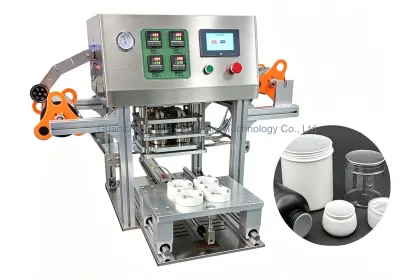 Bottle, Pail, Can Sealing Machine
Powder feeding and dosing; Record bridging, dust, residue, and fill volume fluctuation during trials to provide a basis for subsequent container pace and cleaning arrangements; Powde...
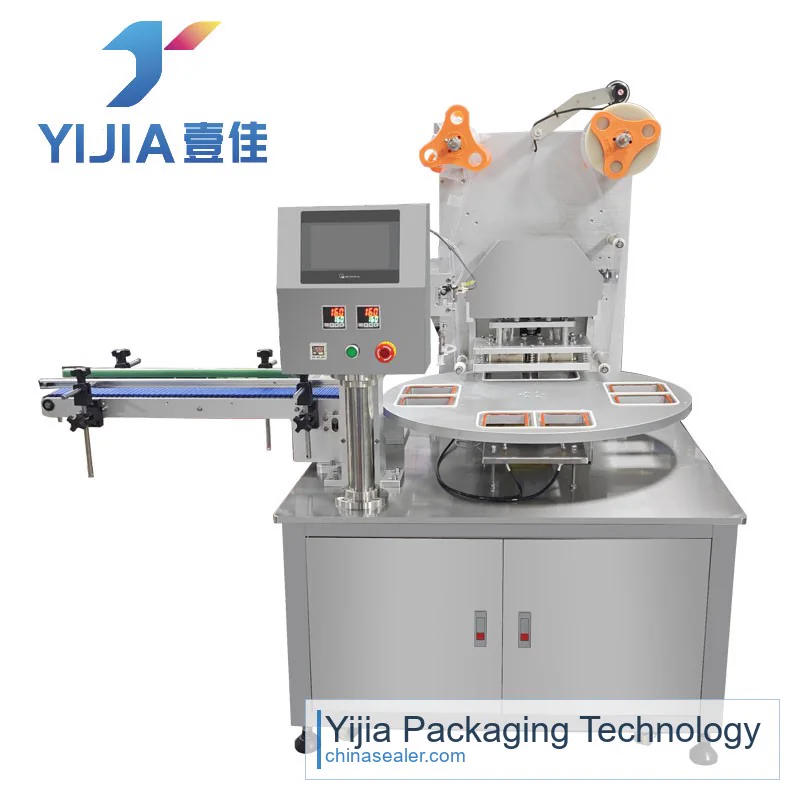 Automatic Small-Cup Filling and Sealing Machine
Powder feeding and dosing; Record bridging, dust, residue, and fill volume fluctuation during trials to provide a basis for subsequent container pace and cleaning arran...
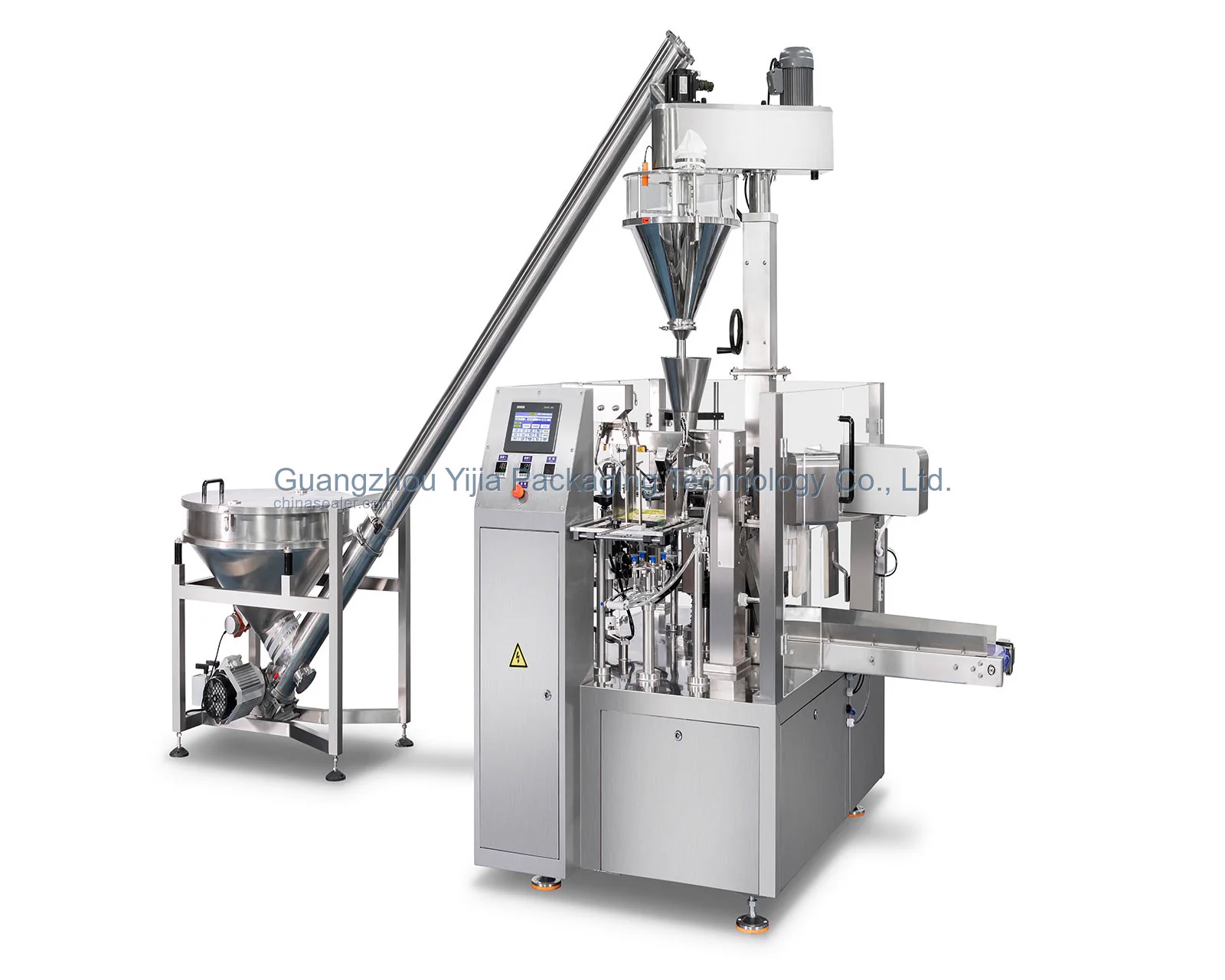 Single-Lane and Three-Station Premade Pouch Filling and Sealing Series
Main sealing for rigid containers; Heat sealing for bottle, pail, and can mouths, pail heat sealing, and film sealing with press capping correspo...
Core process
First use a powder and granule filling machine to test discharge with actual material, then determine the appropriate dosing structure based on flowability and target fill volume.
For bottles, cans, and pails, choose among bottle, pail, and can sealing machine, large-diameter pail heat sealing machine, or aluminum foil film sealing and press capping machine based on rim and lid structure.
After main packaging is stable, connect the automatic feeding, conveying, and sealing line, and configure online checkweigher and date batch coding machine according to weight judgment and marking requirements.
First review powder state, packaging samples, and expected fill volume to separate dosing issues from sealing issues.
For bottles, cans, pails, cups, boxes, and pre-made bags, submit rim, film, lid, or bag mouth structures separately, and mark powder landing point and sealing area.
For cups and boxes, evaluate small cup filling and sealing machines. For bags, evaluate pre-made bag filling and sealing machines. For food pails, check food pail filling and sealing machines according to the project.
Sample details
Flowability, particle distribution, oil content, and dust affect feeding, dosing, and cleaning arrangements.
Submit actual powder or continuous discharge video, and indicate whether bridging, caking, or obvious dust is likelyContainer height, opening, and stability affect filling landing point, positioning method, and sealing tooling.
Provide actual samples of bottles, cans, pails, cups, boxes, or pre-made bags, along with key dimensions and packaging materialsFilm, lid, and bag mouth structures are used to distinguish direct heat sealing, film sealing with press capping, cup/box heat sealing, and bag mouth heat sealing.
Submit the production film, outer lid, or pre-made bag intended for use with the container, and mark the sealing areaFill volume range and production arrangement change feeding capacity, station integration, and checkweighing needs.
Specify target fill volume, planned shifts, material change frequency, and production pace for each specificationDownstream interfaces should be confirmed after main packaging trials. Site space and cleaning routes should also be checked.
List conveying, checkweighing, coding, and other station needs, and provide available site and cleaning methodCommon selection mistakes
Powders with the same name may behave differently due to particle size, oil content, or moisture absorption. Observe actual samples before equipment decisions.
Heat seal results are formed by the film's heat-seal layer, container rim, seal area cleanliness, and process conditions.
The structure of lids, films, or bag mouths relates to feeding, positioning, and sealing tooling. Photos can be a preliminary screen, but equipment confirmation still requires actual samples.
Feeding, dosing, container positioning, and sealing stations each have their own operating pace. A continuous line should be adjusted based on whole-chain trial results.
Checkweighing and coding should be set after the main sealing is stable, based on judgment rules and readable positions. Conveying interfaces need to be reserved in advance.
View detailed technical notes
Separate Dosing and Sealing Tasks First
Powder packaging must solve two problems at the same time. The powder granule filling machine is responsible for loading the actual material into the package as required, while the sealing main machine is determined by the structure of bottles, cans, pails, cups, boxes, or pre-made bags. You cannot first choose a universal sealing machine and then adapt it to all containers.
Powder State Comes Before Dosing Structure
Material trials focus on flow, bridging, oil content, dust, and cleaning. Packaging trials focus on filling drop point, rim cleanliness, film/lid/bag structure, and sealing method. Only after combining the two results can the main machine and downstream conveying be arranged.
Rigid Containers Are Divided by Rim and Lid Type
The bottle, can, and pail route uses a powder granule filling machine as the front end. For sealing, choose a bottle, can, or pail sealing machine, a large-diameter pail heat sealing machine, or a paper can/plastic pail aluminum foil sealing and press capping machine based on actual samples. For food pail projects, also check the applicable range of food pail filling and sealing machines.
Cup and Box Route Focuses on Controlling Rim Powder
For cup and box retail packaging, use a small cup filling and sealing machine to complete positioning, filling, and film sealing. If the cup rim is prone to powder accumulation, check the filling drop point and rim condition during material trials, and set sealing and opening acceptance based on the actual cup-film combination.
Bag Route Starts with Bag Mouth Condition Verification
Pre-made bag packaging can be done by a powder granule filling machine combined with a single-lane or three-station pre-made bag filling and sealing machine series. Bag type, opening, material drop point, and bag mouth cleaning must be debugged together. Do not transfer the press capping or heat sealing structure of rigid containers to the bag packaging process.
Dosing Station First Does Real Powder Trials
The configuration of the powder granule filling machine starts with actual material testing. Dosing methods such as auger, weighing, or cup should be evaluated based on flow characteristics, filling range, and cleaning requirements. Do not write fixed accuracy or operating parameters without material trials.
Main Sealing Follows Packaging Form
Rigid container sealing, cup and box heat sealing, and pre-made bag sealing use different main machines. After container samples, sealing consumables, and acceptance methods are locked, connect the corresponding sealing equipment to the filling backend.
Inspection and Coding Are Arranged After Main Packaging
After the main packaging is stable, add conveying lines, online checkweighers, and date coding machines, and confirm cycle time, weight rules, and batch number position respectively.
Common questions
Don't have a complete sample yet to choose the packaging route?
You can first determine the direction of bottles, cans, pails, cups, boxes, or pre-made bags based on material videos, packaging photos, and target fill volume. The dosing structure still needs to be tested after obtaining the actual powder.
What is needed to confirm the powder equipment combination?
Please prepare powder samples, production containers or bag samples, film or lid components, fill volume range, cleaning method, and the downstream stations you plan to connect.
How does the target pace reflect in the line configuration?
Production pace affects feeding method, filling station arrangement, container conveying, and sealing integration. The equipment combination should be verified with trial results and target shifts.
Why can't film material be selected only by specification sheet?
Different combinations of film, rim, and bag mouth heat-seal layers change the process window. Use production packaging materials for trial sealing to establish corresponding inspection conditions.
How to do sample acceptance for powder packaging sealing?
First agree on film surface, seal edge, opening, or packaging test items, then conduct continuous trials with actual powder and packaging materials. Acceptance criteria are set by product and packaging requirements.
When is a continuous line suitable for powder projects?
When feeding, filling, sealing, checkweighing, and coding need to be integrated at a fixed pace, a continuous line can be planned. For multi-product trial production, independent stations can be used first to verify material change and cleaning.