Solution topic
How to choose coffee powder cup filling, film sealing, and date coding? First, check the cup type, powder condition, and sealing film material.
A coffee powder cup packaging project should not just look at the name 'filling and sealing machine'. First confirm cup type, diameter, powder flowability, metering accuracy, sealing film material, and coding position, then decide on a stand-alone, semi-automatic, or integrated line solution.
- A coffee powder cup packaging project should not just look at the name 'filling and sealing machine'. First confirm cup type, diameter, powder flowability, metering accuracy, sealing film material, and coding position, then decide on a stand-alone, semi-automatic, or integrated line solution.
- How to choose coffee powder cup filling, film sealing, and date coding?
Customer's real question
I want to fill coffee powder into small cups, seal with film, and print dates. What equipment should I use?
First determine the packaging route
A coffee powder cup packaging project should not just look at the name 'filling and sealing machine'. First confirm cup type, diameter, powder flowability, metering accuracy, sealing film material, and coding position, then decide on a stand-alone, semi-automatic, or integrated line solution.
Integrated cup filling and sealing route
Suitable for: automatic cup denesting, quantitative filling, film placement, heat sealing, and discharge for coffee powder, granules, or capsules, commonly used in small cup, capsule cup, and sample cup projects. Advantages: From cup denesting to sealing completed on one machine, small footprint, low labor, stable sealing, suitable for continuous production. Limitations: Cup type, diameter, film material, and fill volume need to be confirmed; changing cup type usually requires mold or parameter adjustment. Not recommended: If the customer needs separate screw capping after filling or modified atmosphere packaging downstream, the integrated filling and sealing route alone is not recommended. Equipment direction: Our small cup filling and sealing machine and coffee capsule filling and sealing machine can handle automatic cup denesting, filling, sealing, and discharge, with downstream co...
Semi-automatic small cup sealing route
Suitable for: Small batch, multi-specification, or sample-stage coffee powder cup projects. Manual cup placement and filling, then semi-automatic sealing. Advantages: Low equipment investment, flexible changeover, suitable for trial production or unstable orders. Limitations: Filling and sealing are separate operations, manual efficiency is limited, sealing consistency depends on operator skill. Not recommended: If target capacity exceeds several thousand cups per day or continuous integrated production is needed, the semi-automatic route is not recommended. Equipment direction: Our small-diameter cup sealing machine SGP-03 is suitable for small cup heat sealing, can be used with manual filling or external filling equipment.
Filling + sealing + coding integrated line route
Suitable for: Coffee powder cup projects with stable capacity requiring continuous production and online date/batch coding. Advantages: Filling, sealing, and coding completed on one line, reducing intermediate handling, coding position and content adjustable online. Limitations: Cup type, film material, coding content, and conveying speed need to match; line commissioning takes longer than a single machine. Not recommended: If the customer has budget for only one machine or limited site space, a fully integrated line is not recommended initially. Equipment direction: We can connect the small cup filling and sealing machine or coffee capsule filling and sealing machine with a date/batch coder via a conveyor line to achieve an integrated filling, sealing, and coding line.
Recommended equipment route: Cup type and powder confirmation
Cup type, diameter, cup depth, and powder flowability directly affect filling metering and sealing mold design; these must be confirmed first.
Recommended equipment route: Filling and sealing
The integrated machine automatically completes cup denesting, quantitative filling, film placement, and heat sealing, making it the mainstream solution for coffee powder cup packaging.
Recommended equipment route: Date coding
Print production date, batch number, or QR code on the sealed cup lid or body to meet traceability and labeling requirements.
Recommended equipment route: Conveying and collection
Smoothly convey sealed and coded cups to a collection table or downstream packaging to avoid accumulation and contamination.
Route comparison
- Suitable for automatic cup denesting, quantitative filling, film placement, heat sealing, and discharge for coffee powder, granules, or capsules, commonly used in small cup, capsule cup, and sample cup projects.
- From cup denesting to sealing completed on one machine, small footprint, low labor, stable sealing, suitable for continuous production.
- Cup type, diameter, film material, and fill volume need to be confirmed; changing cup type usually requires mold or parameter adjustment.
- If the customer needs separate screw capping after filling or modified atmosphere packaging downstream, the integrated filling and sealing route alone is not recommended.
- Our small cup filling and sealing machine and coffee capsule filling and sealing machine can handle automatic cup denesting, filling, sealing, and discharge, with downstream coding and conveying available.
- Suitable for small batch, multi-specification, or sample-stage coffee powder cup projects. Manual cup placement and filling, then semi-automatic sealing.
- Low equipment investment, flexible changeover, suitable for trial production or unstable orders.
- Filling and sealing are separate operations, manual efficiency is limited, sealing consistency depends on operator skill.
- If target capacity exceeds several thousand cups per day or continuous integrated production is needed, the semi-automatic route is not recommended.
- Our small-diameter cup sealing machine SGP-03 is suitable for small cup heat sealing, can be used with manual filling or external filling equipment.
- Suitable for coffee powder cup projects with stable capacity requiring continuous production and online date/batch coding.
- Filling, sealing, and coding completed on one line, reducing intermediate handling, coding position and content adjustable online.
- Cup type, film material, coding content, and conveying speed need to match; line commissioning takes longer than a single machine.
- If the customer has budget for only one machine or limited site space, a fully integrated line is not recommended initially.
- We can connect the small cup filling and sealing machine or coffee capsule filling and sealing machine with a date/batch coder via a conveyor line to achieve an integrated filling, sealing, and coding line.
Core process
Cup type, diameter, cup depth, and powder flowability directly affect filling metering and sealing mold design; these must be confirmed first.
The integrated machine automatically completes cup denesting, quantitative filling, film placement, and heat sealing, making it the mainstream solution for coffee powder cup packaging.
Print production date, batch number, or QR code on the sealed cup lid or body to meet traceability and labeling requirements.
Smoothly convey sealed and coded cups to a collection table or downstream packaging to avoid accumulation and contamination.
Associated Equipment / Consumables
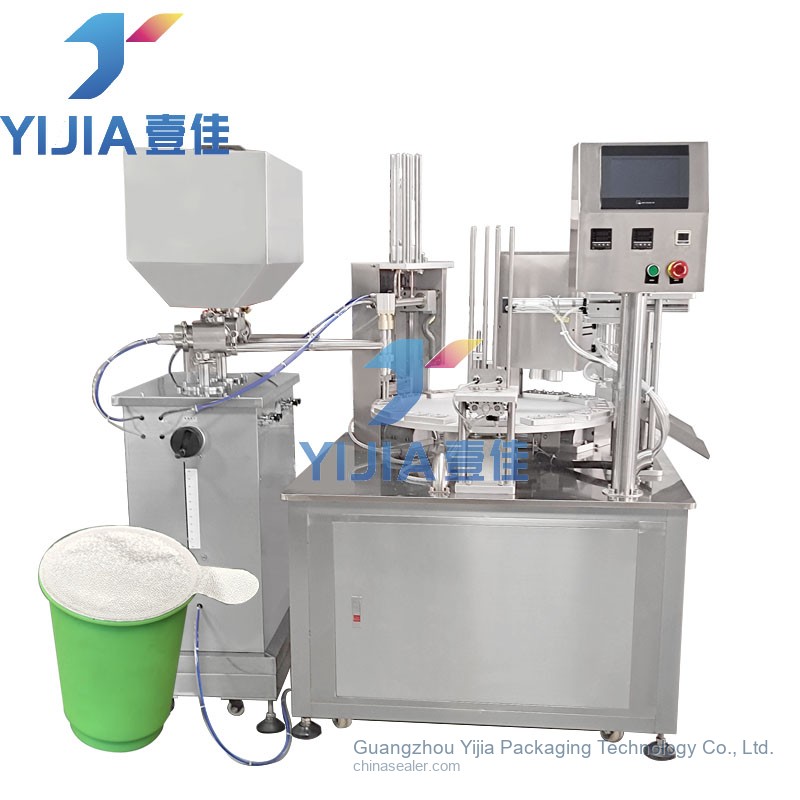 Coffee Capsule Filling and Sealing Machine
Cup type and powder confirmation; Cup type, diameter, cup depth, and powder flowability directly affect filling metering and sealing mold design; these must be confirmed fir...
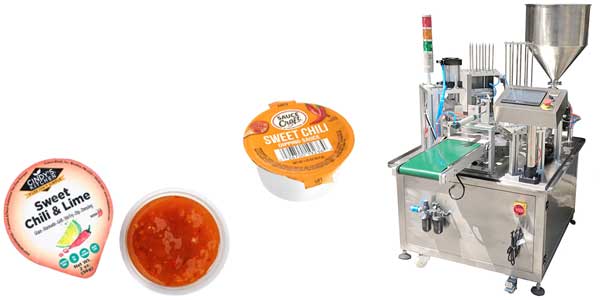 Small Cup Filling and Sealing Machine
Cup type and powder confirmation; Cup type, diameter, cup depth, and powder flowability directly affect filling metering and sealing mold design; these must be confirmed first; S...
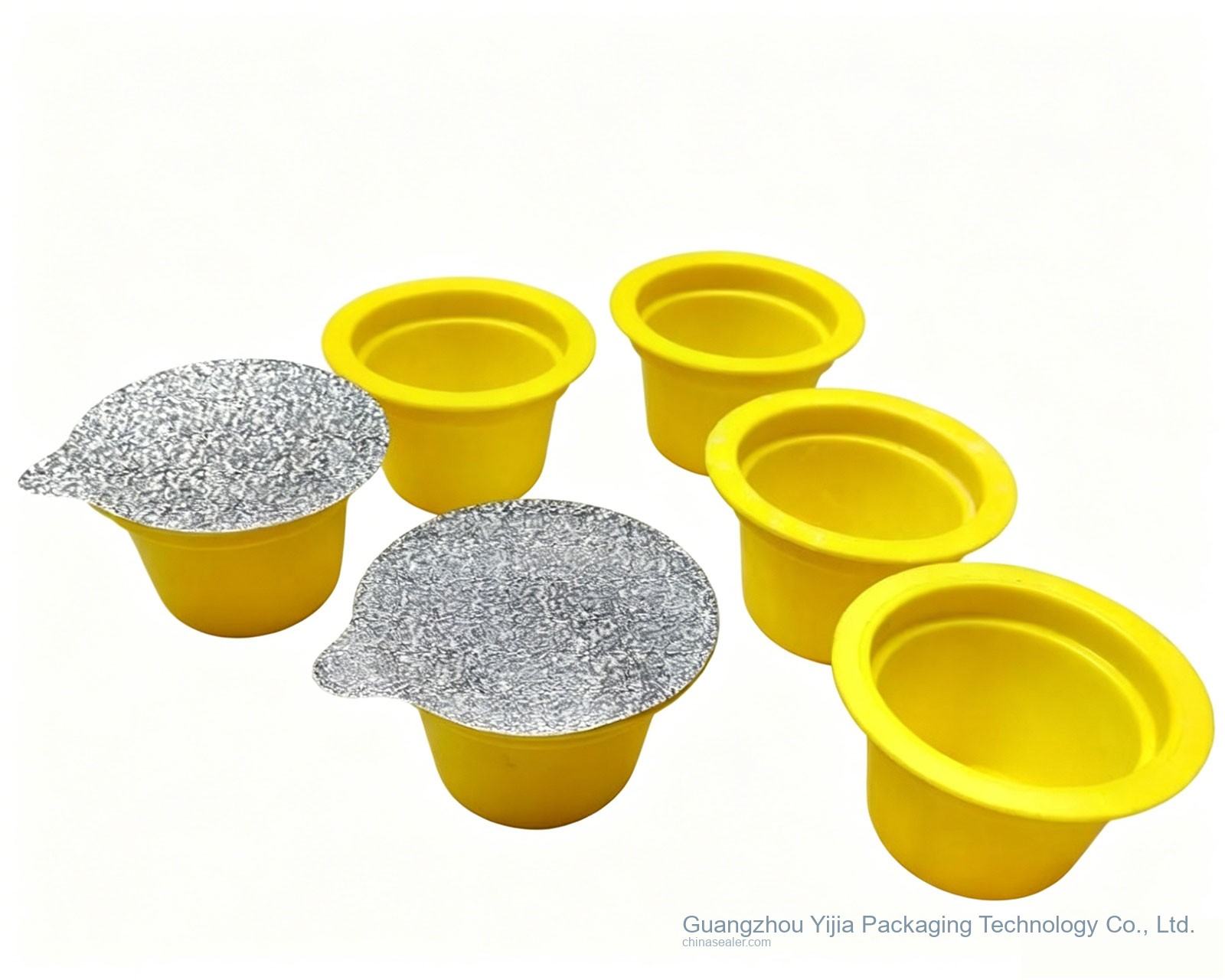 Small Cup Sealing Film and Easy-Tear Film Consumables
Filling and sealing; The integrated machine automatically completes cup denesting, quantitative filling, film placement, and heat sealing, making it the mainstrea...
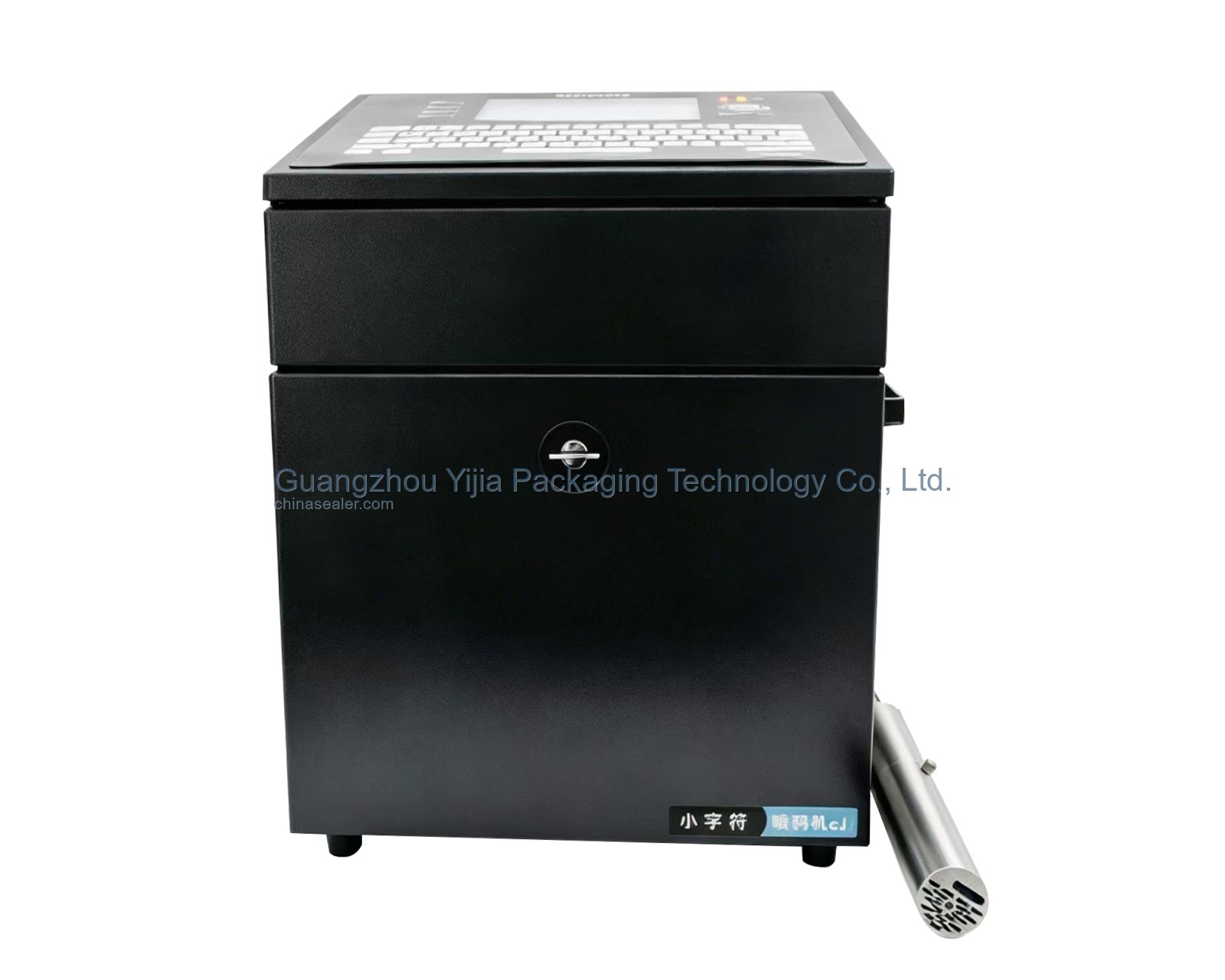 Date & Batch Inkjet Printer
Date coding; Print production date, batch number, or QR code on the sealed cup lid or body to meet traceability and labeling requirements; Date/batch coder
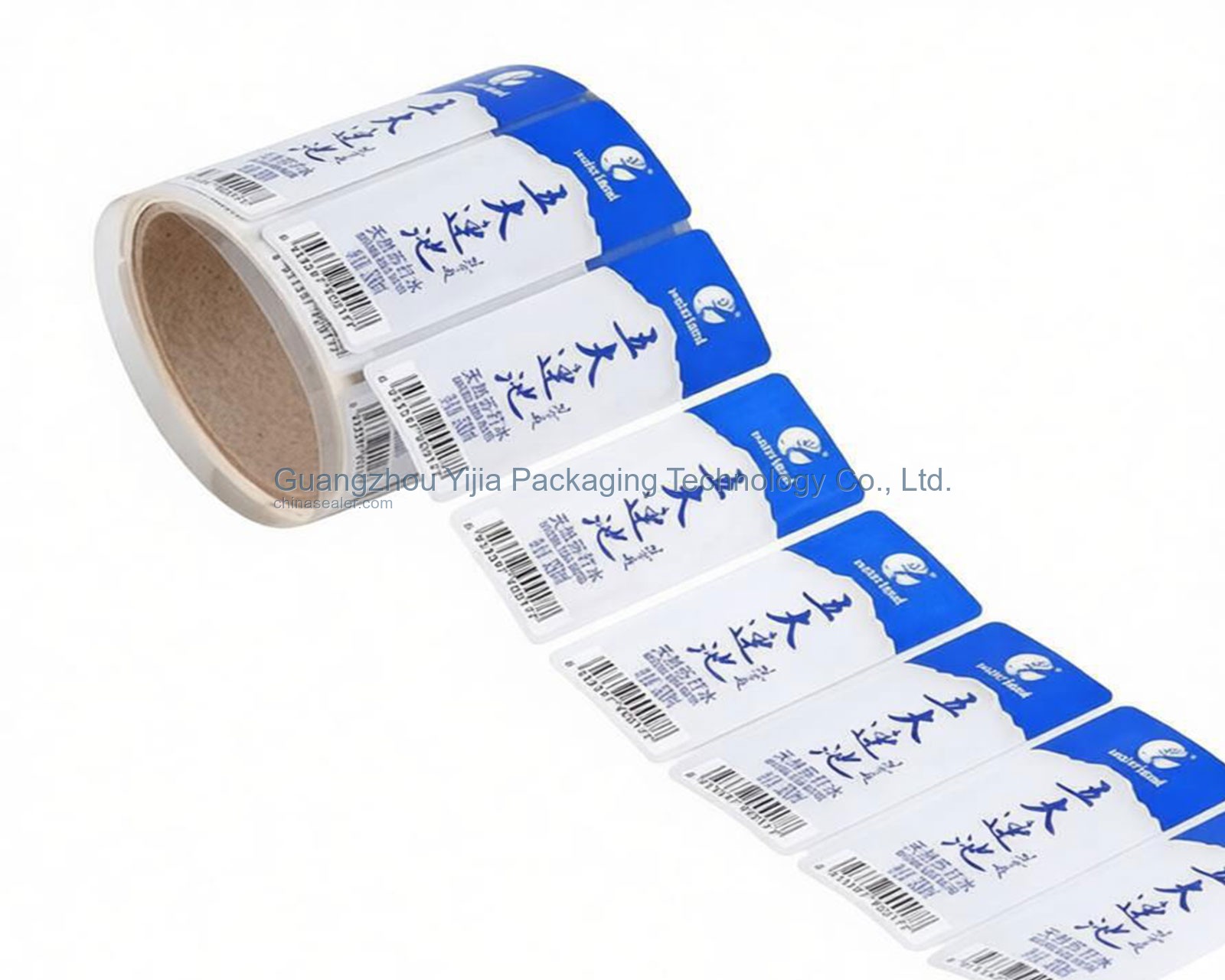 Labels, Inkjet Inks, and Thermal Transfer Ribbons
Date coding; Print production date, batch number, or QR code on the sealed cup lid or body to meet traceability and labeling requirements; Date/batch coder
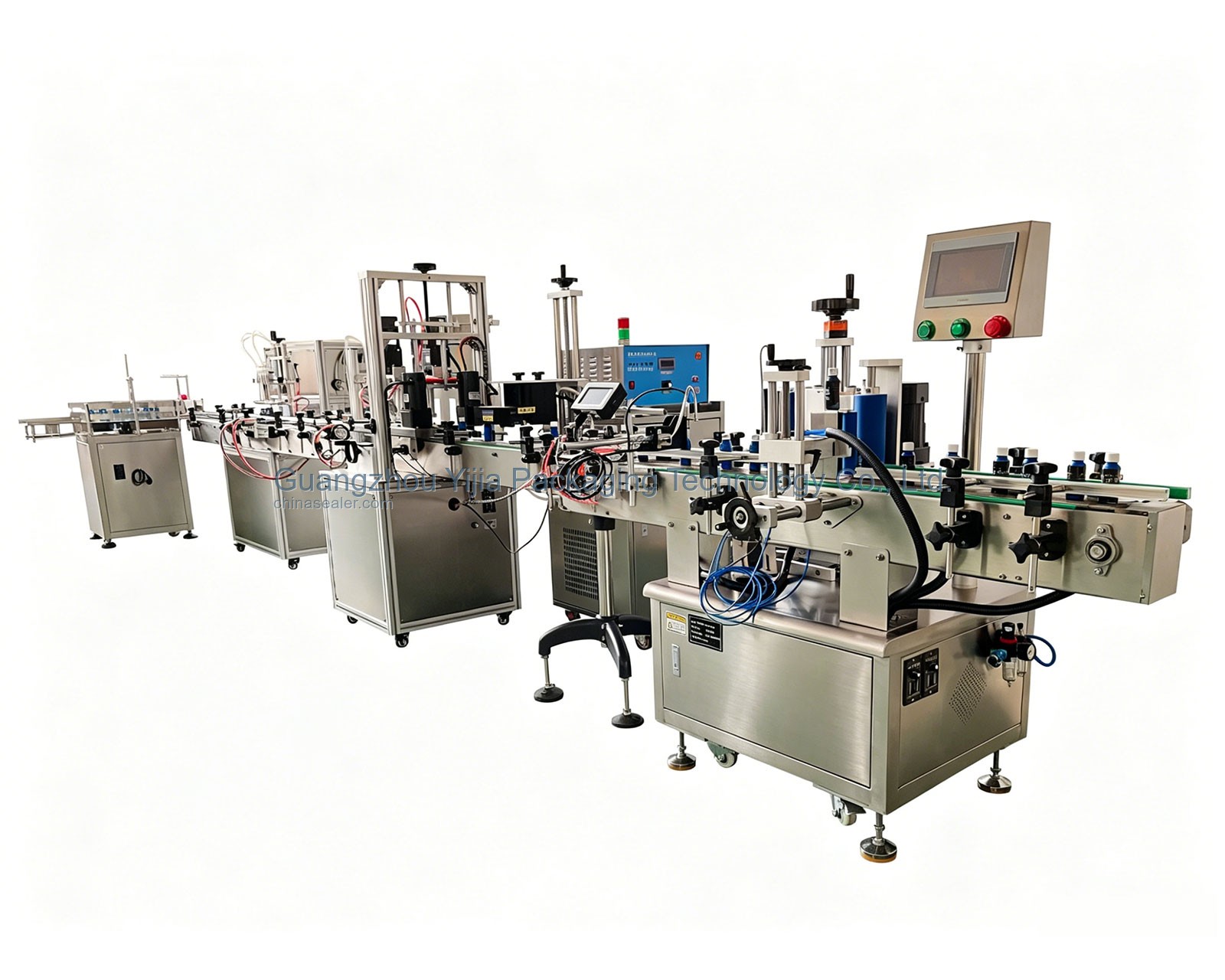 Automatic Feeding Conveying Sealing Line
Conveying and collection; Smoothly convey sealed and coded cups to a collection table or downstream packaging to avoid accumulation and contamination; Food-grade conveyor line
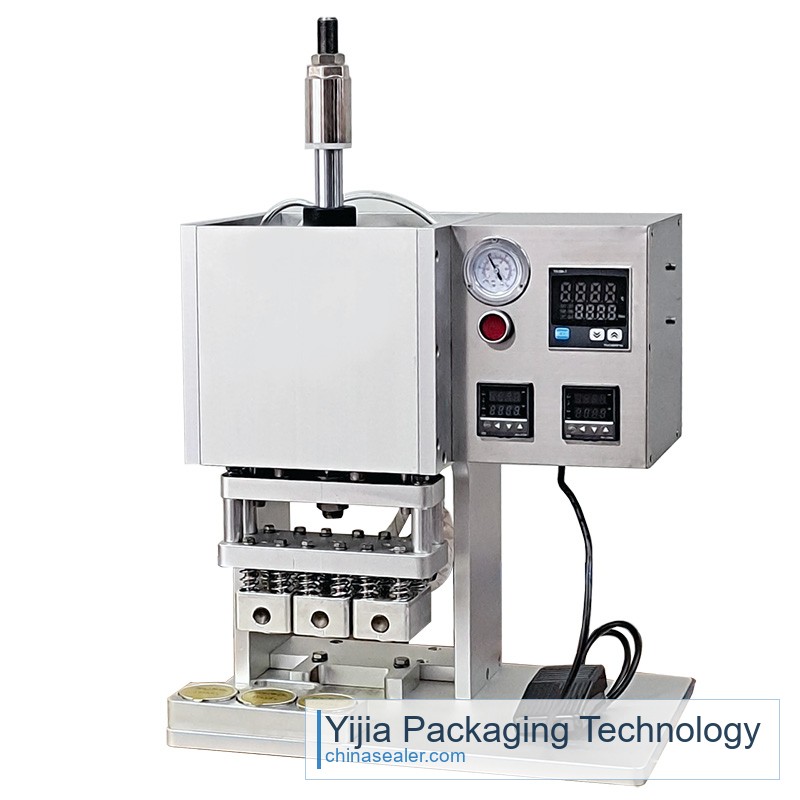 Small-Diameter Cup Sealer SGP-03
Container and Packaging Material Confirmation; For cup-packed coffee powder, including small cups and capsule cups, coffee capsules with aluminum foil film sealing, instant coffee pow...
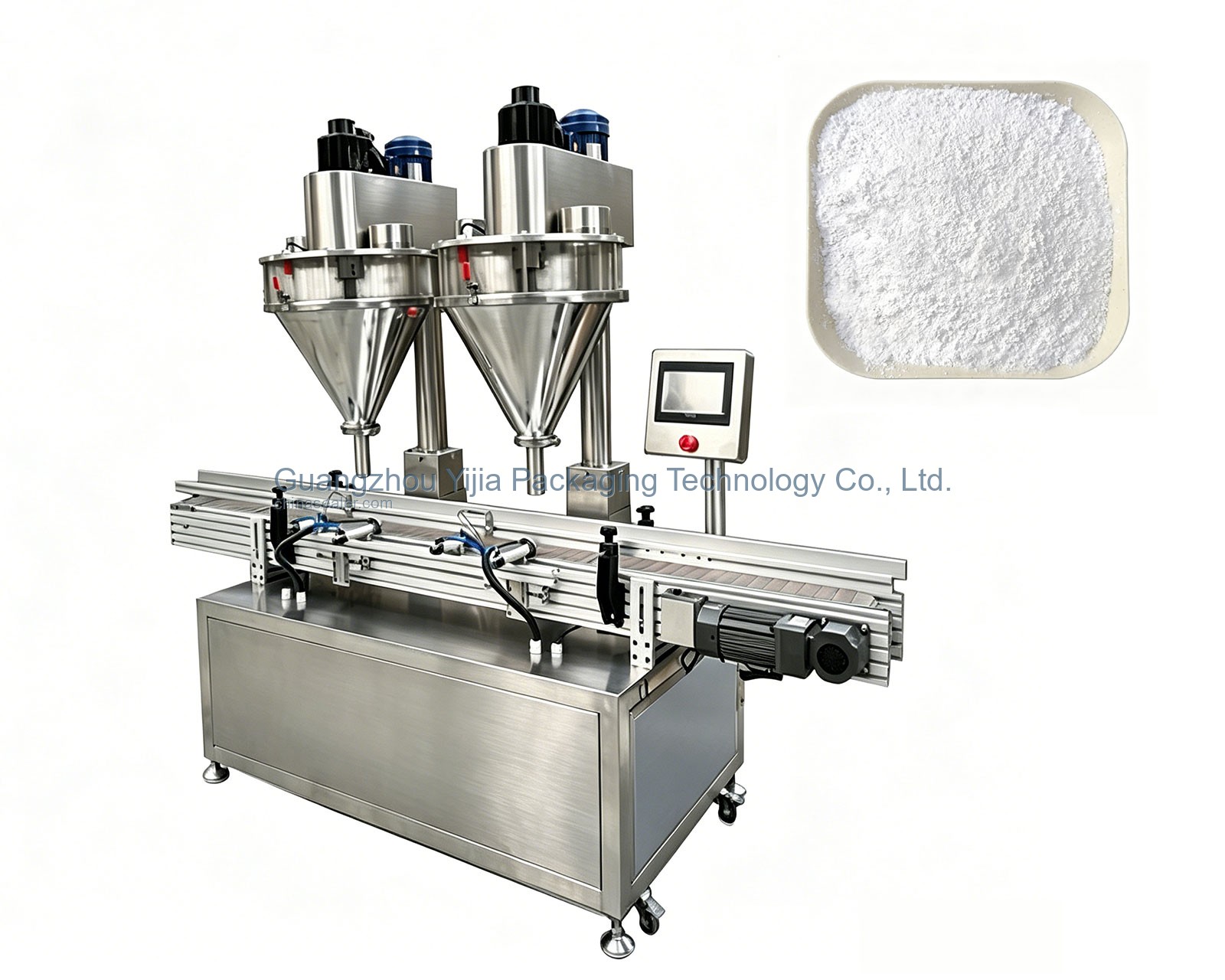 Powder & Granule Filling Machine
Cup type and powder confirmation; Cup type, diameter, cup depth, and powder flowability directly affect filling metering and sealing mold design; these must be confirmed first; Sample...
Sample details
Photos and dimensions can help determine container positioning, mold direction, and whether sample testing is needed.
Prepare coffee powder samples and empty cup samples (including cup rim dimensions) for testing filling accuracy and sealing effect.Film material and liner affect sealing temperature, pressure, dwell time, and feeding method.
Provide sealing film samples or film specifications (material, thickness, easy-tear or not), which affect sealing temperature and mold design.Capacity target determines stand-alone, semi-automatic, or continuous integrated line configuration, and also affects the quotation range.
Inform target capacity (cups per hour or per day) to decide on stand-alone, semi-automatic, or integrated line solution.Integration requirements affect equipment sequence, cycle matching, and downstream inspection methods.
Indicate whether coding is needed (date, batch number, QR code) and the coding position (cup lid or body), which affects coder selection and installation.Capacity target determines stand-alone, semi-automatic, or continuous integrated line configuration, and also affects the quotation range.
If information is incomplete, you can first send photos of the cups and coffee powder, approximate dimensions, and capacity target. We will first determine the route and then supplement the detailed list.Common selection mistakes
Cup type, diameter, and film material directly affect mold and sealing parameters. Not confirming these may result in equipment incompatibility or weak sealing.
Coffee powder varies greatly in fineness, oil content, and flowability. Not testing may cause inaccurate filling or clogging.
If a coder is added later, the conveyor line may need modification or a bracket added. Planning ahead saves costs.
Different cup types usually require mold changes. Changeover time and cost should be evaluated in advance; do not assume universal compatibility.
When capacity is unstable, semi-automatic or stand-alone machines offer more flexibility. Integrated lines are suitable for upgrades after orders stabilize.
Common questions
The price depends on the cup type, filling accuracy, production capacity, and whether it is integrated into a line. It needs to be confirmed based on samples and configuration; there is no fixed price.
A small cup filling and sealing machine typically has a capacity of about 600-1200 cups per hour, depending on the cup type, number of stations, and automation level.
A preliminary assessment can be made based on cup type, film material, and capacity target, but for a formal quotation, it is recommended to test filling accuracy with samples.
It is best to provide cup and film samples so we can test sealing temperature and mold matching to ensure sealing quality.
Sealing quality depends on the film material, cup rim flatness, and sealing parameters. Leak-proof performance can be confirmed through sample testing.
Yes, but it is recommended to reserve conveying space and installation area in advance. Retrofitting later requires evaluating the difficulty of modification.