Solution topic
How to Choose Cosmetic Paste Filling, Sealing, Capping and Labeling? Start With Container, Paste State and Packaging Route
Cosmetic cream packaging is not simply arranging a filling machine, capping machine, and labeling machine in a row. First confirm cream viscosity, whether it contains particles, container opening, cap structure, sealing film, and label position, then decide whether a single-machine combination or an in-line solution is suitable.
- Cosmetic cream packaging is not simply arranging a filling machine, capping machine, and labeling machine in a row. First confirm cream viscosity, whether it contains particles, container opening, cap structure, sealing film, and label position, then decide whether a single-machine combination or an in-line solution is suitable.
- How to Choose Filling, Sealing, Capping and Labeling for Cosmetic Pastes
Start With the Current Production Conditions
I need to package cosmetic cream with filling, sealing, screw capping, and labeling. How should equipment be selected?
First determine the packaging route
Cosmetic cream packaging is not simply arranging a filling machine, capping machine, and labeling machine in a row. First confirm cream viscosity, whether it contains particles, container opening, cap structure, sealing film, and label position, then decide whether a single-machine combination or an in-line solution is suitable.
Standalone Combination Route: Filling, Capping and Labeling Are Independent
Suitable for: Small-batch, multi-specification, frequent changeover cosmetic paste projects, e.g., sampling, pilot runs, or shared line for multiple bottle types. Advantages: Each machine operates independently, flexible changeover, lower initial investment. Limitations: Confirm container size, neck finish, and cap type for each machine; manual transfer efficiency. Not recommended: For target capacity over 600 bottles/hour with continuous production, evaluate line integration. Equipment direction: We offer paste filler, automatic capper, and round/square bottle labeler; molds and change parts configured per sample dimensions.
Semi-Automatic Line: Filling, Capping and Labeling Connected by Conveyor
Suitable for: Cosmetic projects with medium capacity, wanting to reduce manual transfer but still with high changeover frequency. Advantages: Conveyor line connects processes, reduces handling, more stable cycle time. Limitations: Need to confirm container stability on conveyor, upstream/downstream cycle matching, and on-site layout space. Not recommended: If container shape is extremely irregular or prone to tipping, first evaluate stand-alone machine combination or custom conveying solutions. Equipment direction: We can configure paste filler, automatic capper, and labeler, connected by food-grade conveyor, with reserved unscrambler and cap feeder interfaces.
Fully Automatic Line Integration: Bottle Unscrambling → Filling → Sealing → Capping → Labeling → Coding
Suitable for: High-volume, single-spec, continuous production of cosmetic creams, e.g., main product lines in daily chemical factories. Advantages: Fully automatic from bottle unscrambling to inkjet coding, minimal manual intervention, stable output. Limitations: Need to confirm container size, cap consistency, film and label stability, and changeover time. Not recommended: If product specifications are many and changeovers frequent, consider semi-automatic line or standalone machines. Equipment direction: We can provide automatic bottle unscrambler, cream filler, inline heat sealer or induction cap sealer, automatic capper, labeler, and inkjet coder; line configured per samples and capacity.
Recommended equipment route: Sample and container confirmation
First confirm container-mouth size, height, bottle shape, cap structure, sealing film material, and label size before matching filling nozzles, capping heads, sealing tooling, and labeling mechanisms.
Recommended Equipment Route: Paste Filling
Cosmetic creams usually have relatively high viscosity, so piston filling is suitable and anti-drip nozzles plus a heated hopper can be configured.
Recommended equipment route: sealing, hot press or induction foil
Choose by bottle-mouth material and sealing requirement: plastic bottles often use induction foil sealing, while wide-mouth bottles or jars can use heat-press sealing.
Recommended equipment route: Capping
Choose screw capping or press capping according to cap type, such as threaded caps, press-on caps, or pump caps; cap type and torque must be confirmed.
Recommended equipment route: labeling and coding
Label position and label material must match the bottle shape, and coding content should be confirmed in advance.
Route comparison
- Suitable for small-batch, multi-specification, frequent changeover cosmetic paste projects, such as prototyping, pilot runs, or shared production lines for multiple bottle types.
- Each machine runs independently, changeover is flexible, and initial investment is relatively controllable.
- Container size, mouth diameter, cap type, and manual transfer efficiency must be confirmed for each machine.
- When target output exceeds 600 bottles per hour and continuous production is required, evaluate a connected-line solution.
- We can provide paste filling machines, automatic capping machines, and labeling machines for round and square bottles, with molds and change parts configured according to sample dimensions.
- Suitable for medium-output cosmetic projects that need less manual transfer while still changing sizes frequently.
- The conveyor connects each process, reducing handling and keeping the production rhythm more stable.
- Container stability on the conveyor, upstream and downstream takt matching, and available site layout space should be confirmed.
- If the container shape is highly irregular or easy to tip, evaluate a stand-alone machine combination or custom conveyor first.
- We can configure a paste filler, automatic capper, and labeler, connected by a food-grade conveyor, with interfaces for bottle and cap unscramblers reserved.
- Suitable for high-volume, single-specification, continuous production of cosmetic paste projects, such as main product lines in daily chemical plants.
- Fully automatic operation from bottle unscrambling to coding, with less manual intervention and stable output.
- Container size, lid consistency, film and label stability, and changeover adjustment time all need to be confirmed.
- If there are many product sizes and frequent changeovers, evaluate a semi-automatic line or a stand-alone machine combination first.
- We can provide automatic bottle unscramblers, paste fillers, in-line heat sealers or induction aluminum foil sealers, automatic cappers, labelers, and coders, configured into a line based on samples and capacity.
Core process
Associated Equipment / Consumables
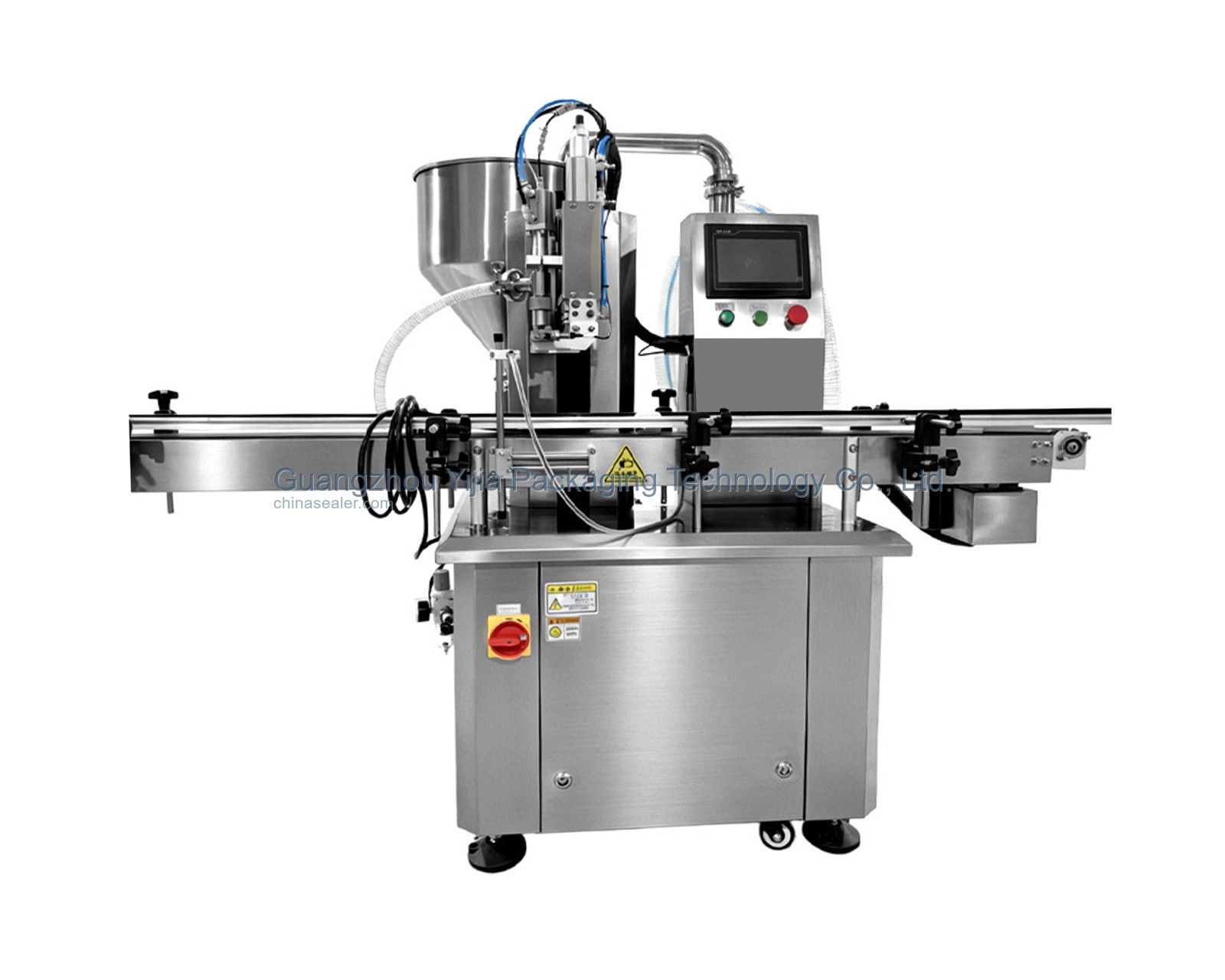 Paste Filling Machine
Sample and container confirmation; First confirm container-mouth size, height, bottle shape, cap structure, sealing film material, and label size before matching filling nozzles, capping heads,...
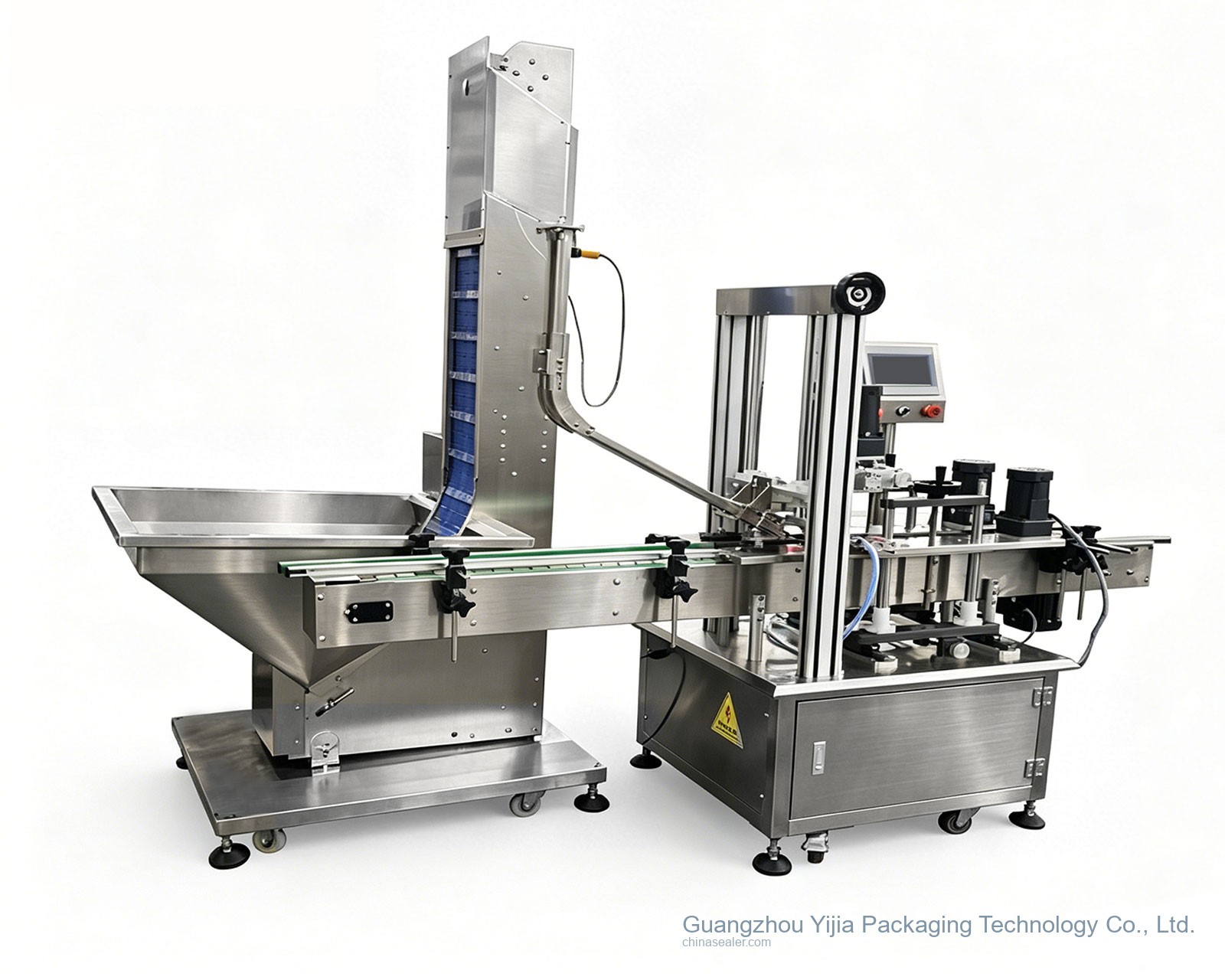 Automatic Screw Capping Machine
Sample and container confirmation; First confirm container-mouth size, height, bottle shape, cap structure, sealing film material, and label size before matching filling nozzles, cappi...
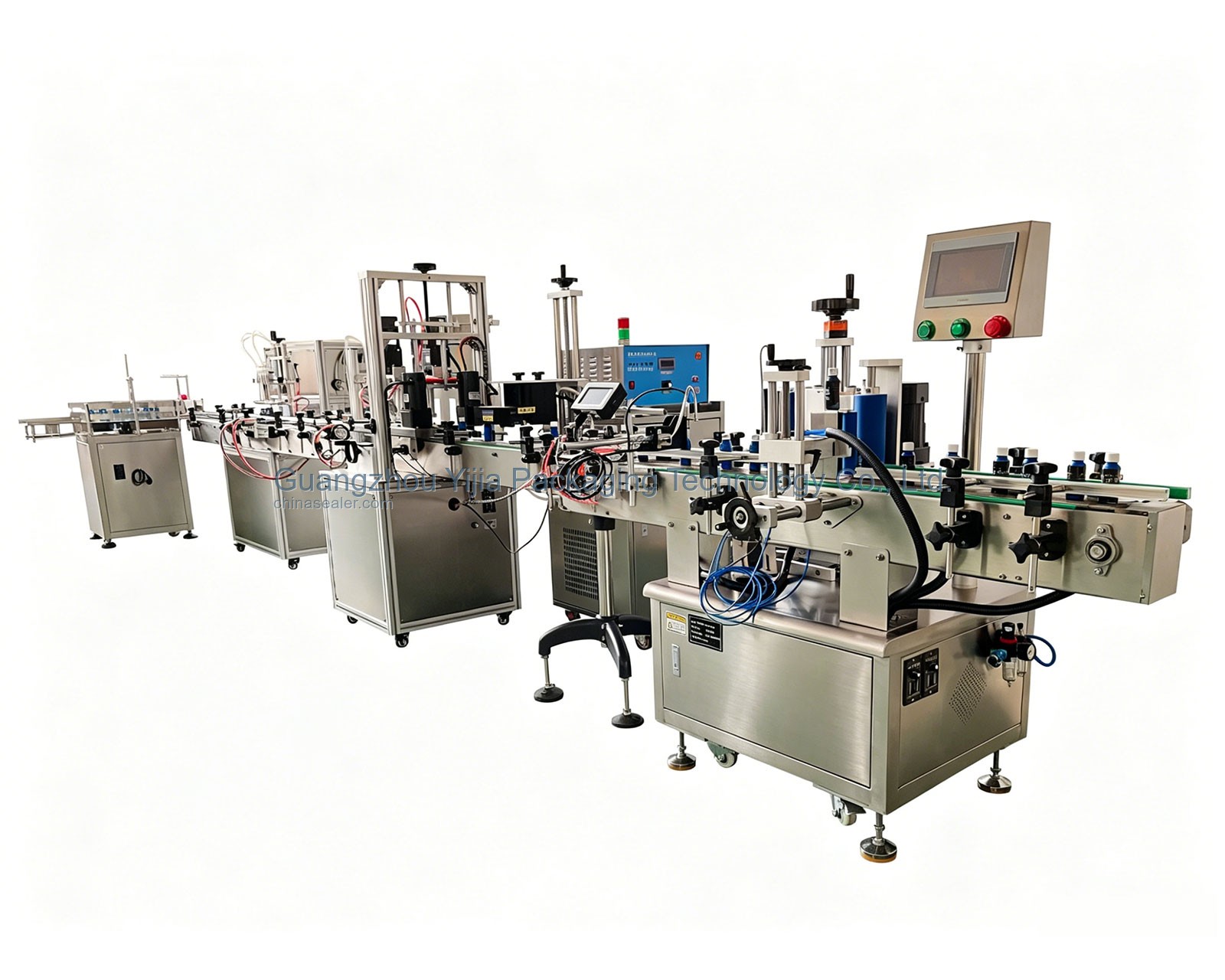 Automatic Feeding Conveying Sealing Line
conveying and downstream support; Configure conveyors, cap sorting, checkweighing, or metal detection modules according to output and automation requirements; food-grade conve...
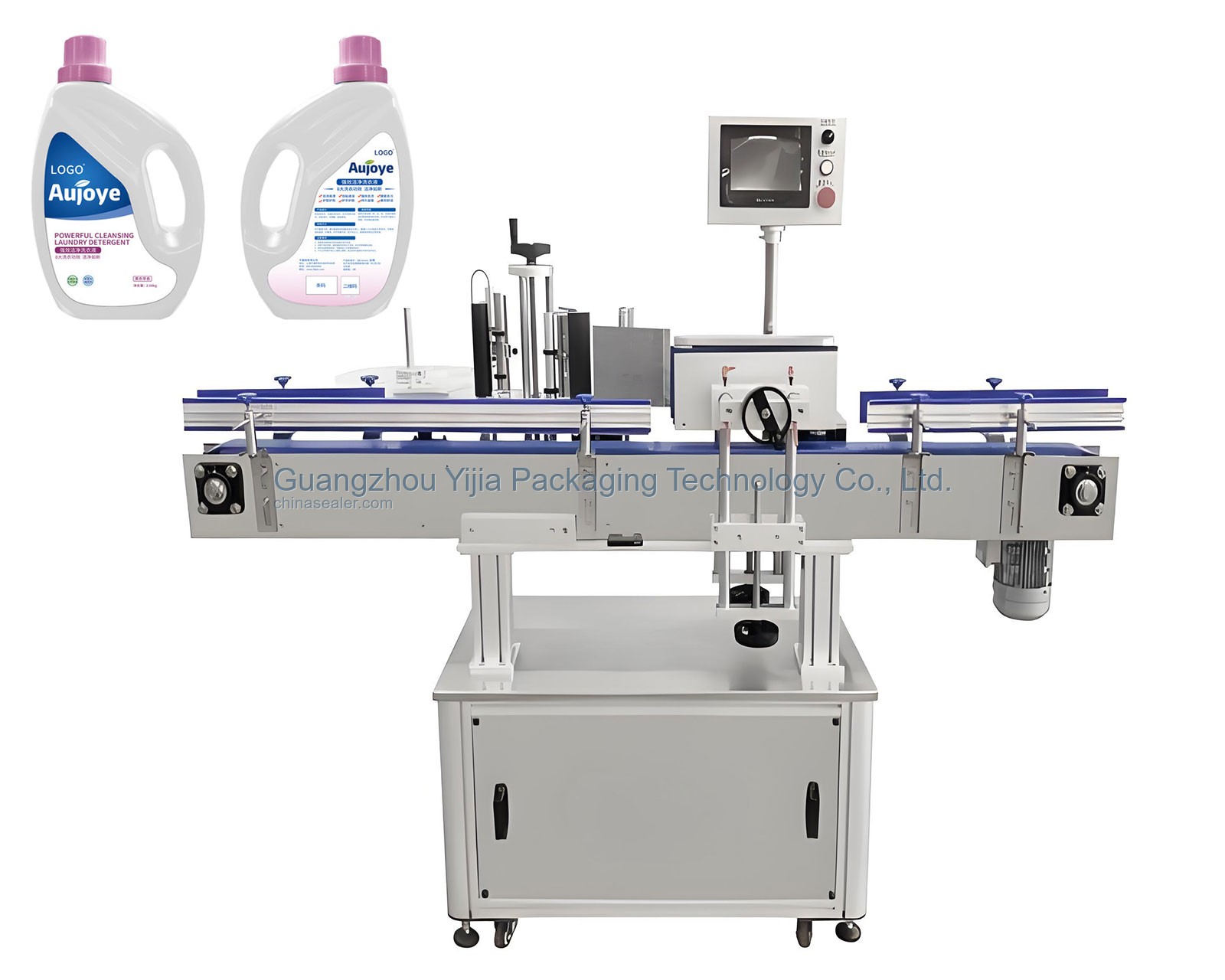 Round & Square Bottle Labeling Machine
Sample and container confirmation; First confirm container-mouth size, height, bottle shape, cap structure, sealing film material, and label size before matching filling nozzles...
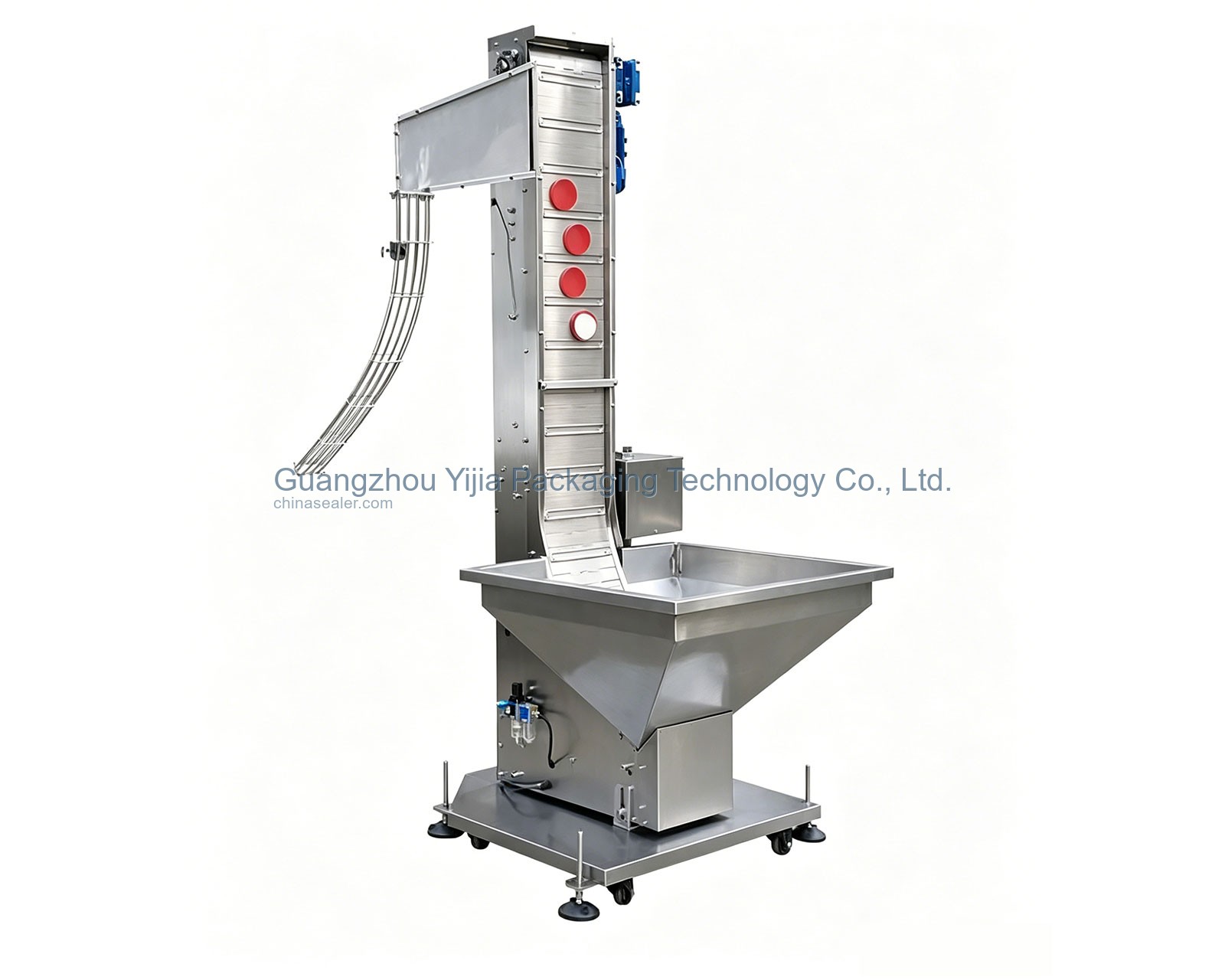 Cap Feeding and Sorting System
Sample and container confirmation; First confirm container-mouth size, height, bottle shape, cap structure, sealing film material, and label size before matching filling nozzles, cappin...
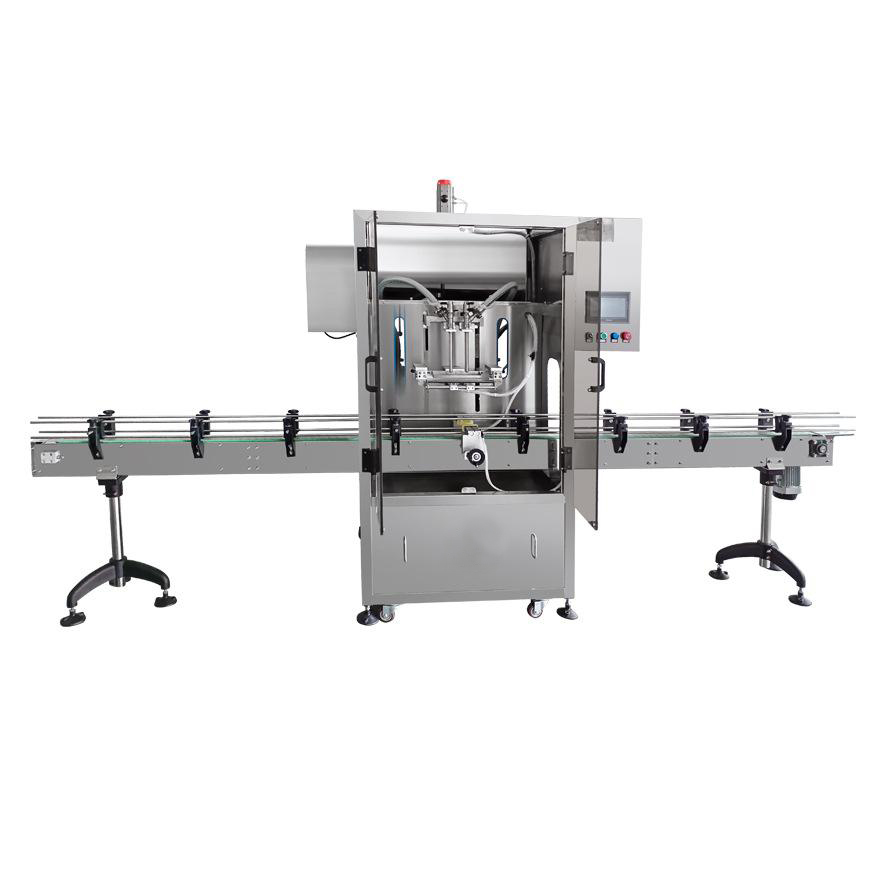 Servo Piston Liquid Filling Machine
Sample and container confirmation; First confirm container-mouth size, height, bottle shape, cap structure, sealing film material, and label size before matching filling nozzles, c...
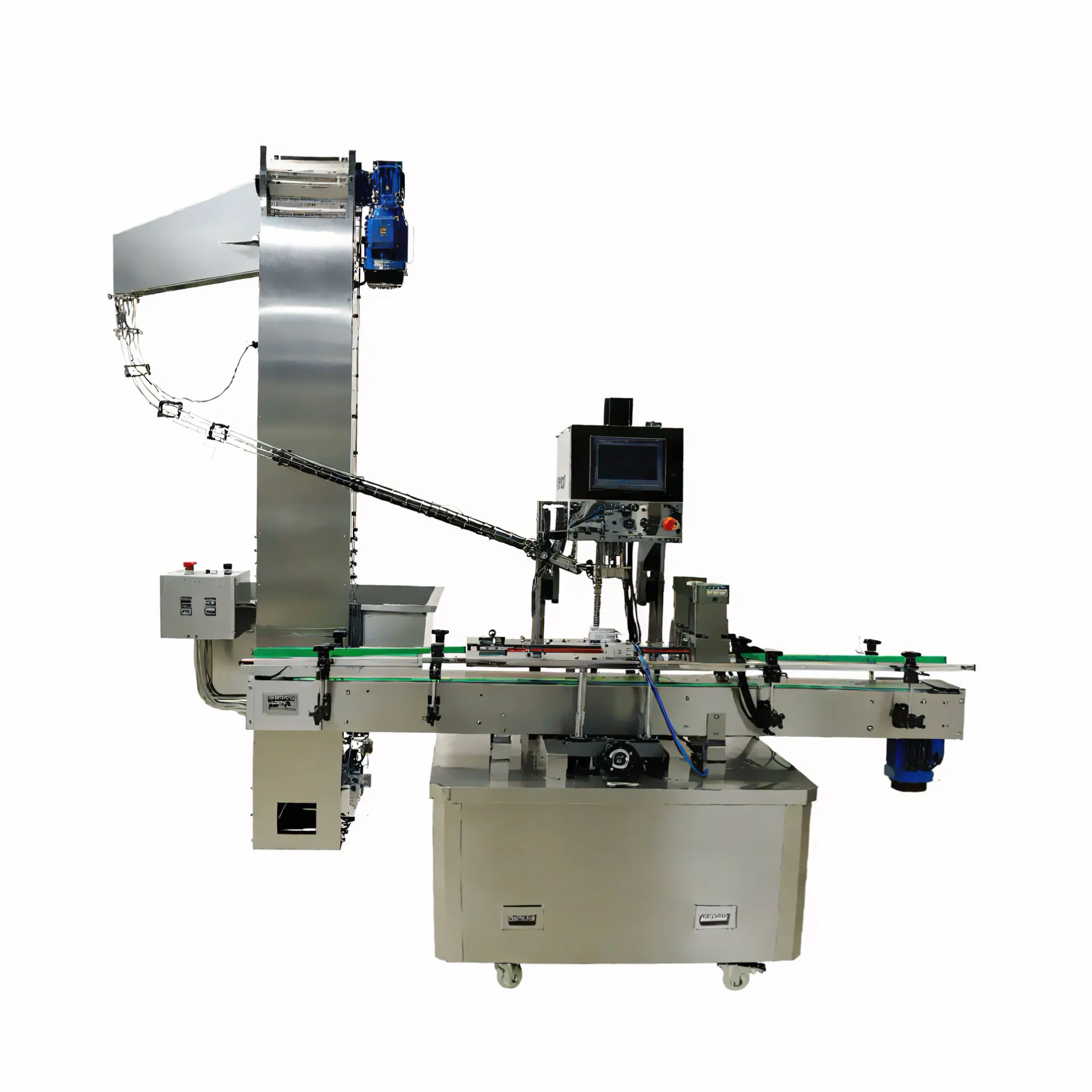 Automatic Screw Capping and Press Capping Machine
Sample and container confirmation; First confirm container-mouth size, height, bottle shape, cap structure, sealing film material, and label size before matching fill...
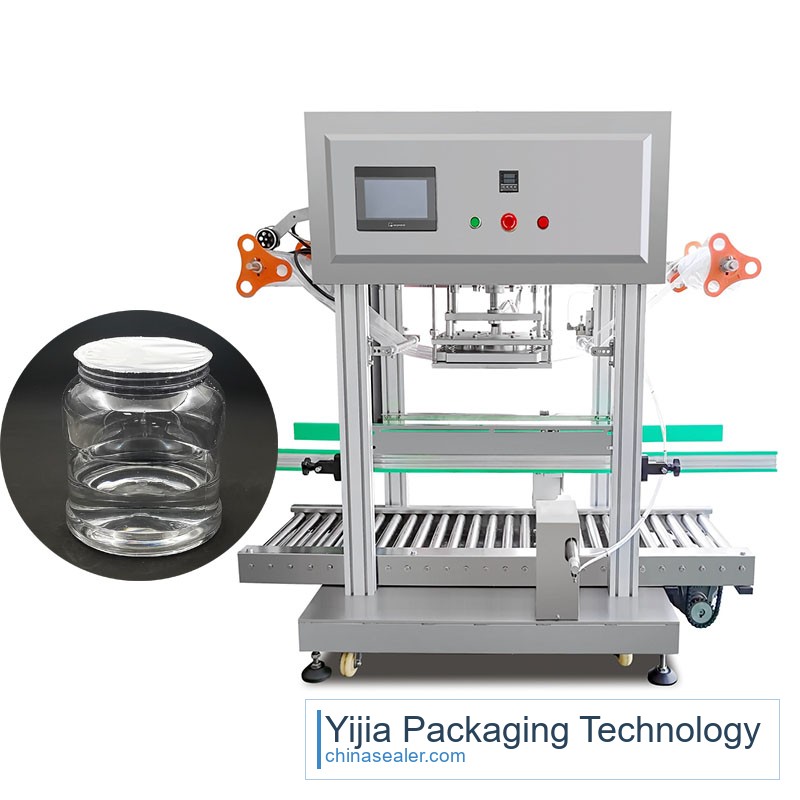 Bottle Inline Heat Press Sealer
Sample and container confirmation; First confirm container-mouth size, height, bottle shape, cap structure, sealing film material, and label size before matching filling nozzles, cappi...
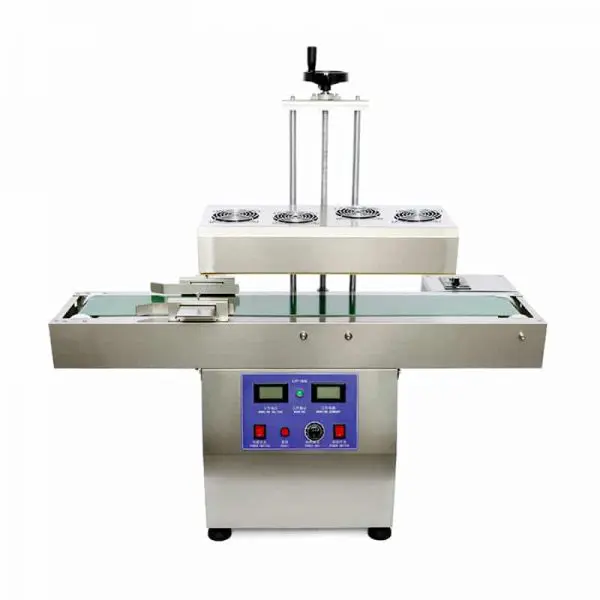 Inline Induction Foil Sealer
Sample and container confirmation; First confirm container-mouth size, height, bottle shape, cap structure, sealing film material, and label size before matching filling nozzles, capping...
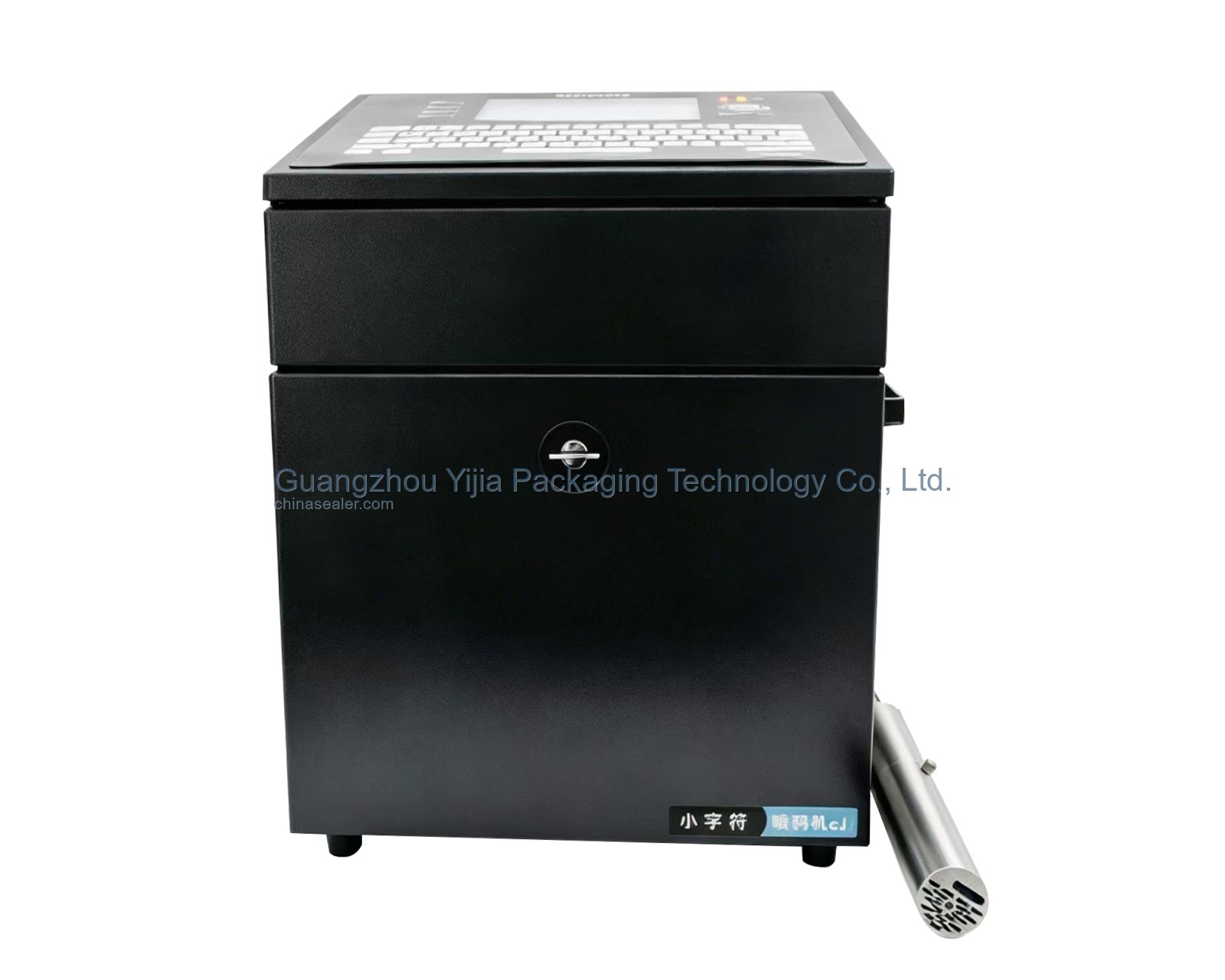 Date & Batch Inkjet Printer
Sample and container confirmation; First confirm container-mouth size, height, bottle shape, cap structure, sealing film material, and label size before matching filling nozzles, capping h...
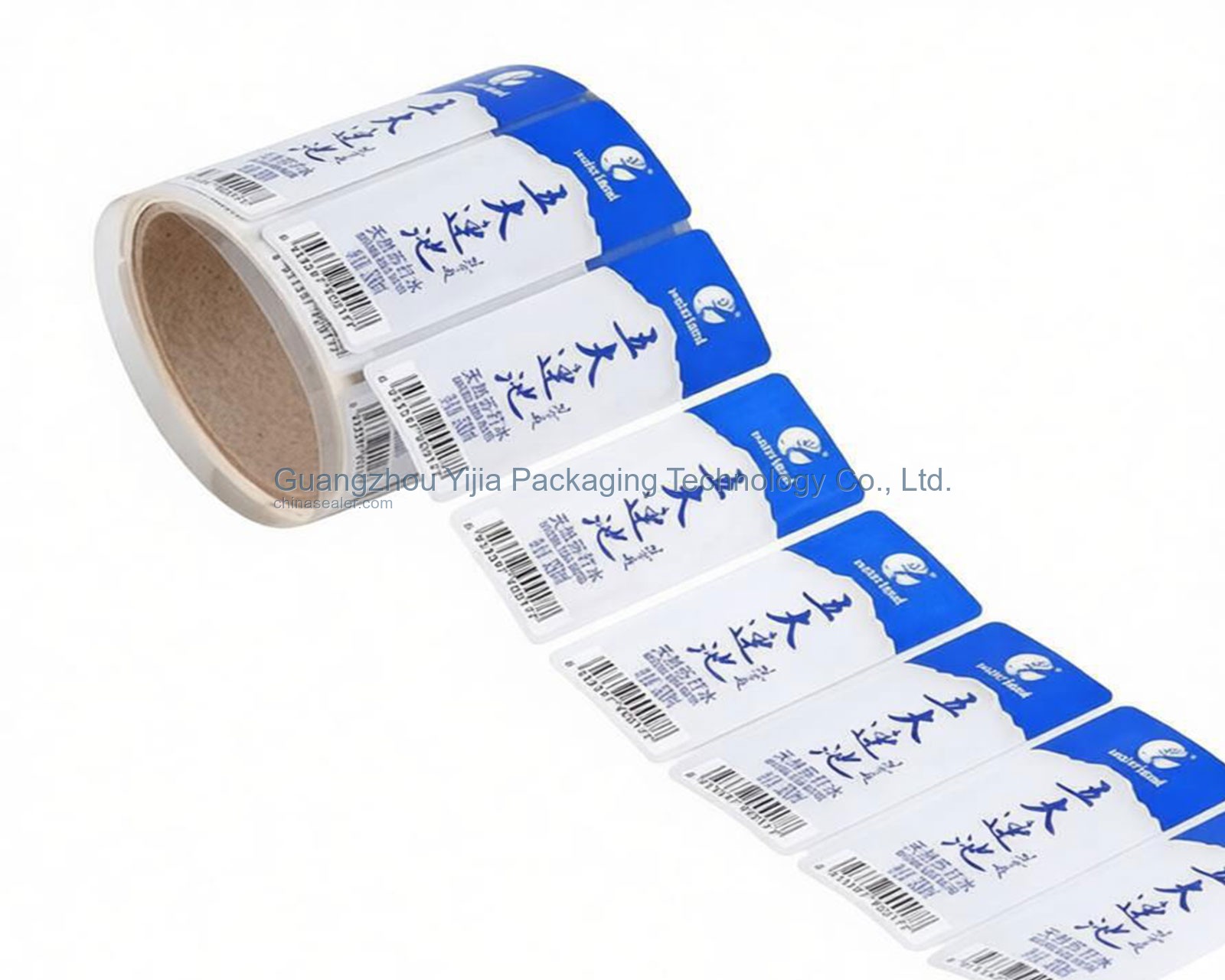 Labels, Inkjet Inks, and Thermal Transfer Ribbons
Sample and container confirmation; First confirm container-mouth size, height, bottle shape, cap structure, sealing film material, and label size before matching fill...
Sample details
The lid structure determines the capping method (press, screw, or place) and whether inline integration is needed.
Please provide photos and key dimensions (neck diameter, height, bottle shape) of the container (bottle, jar, tube) to match filling nozzles, capping heads, and molds.The lid structure determines the capping method (press, screw, or place) and whether inline integration is needed.
Please provide cap samples or photos, specifying cap type (threaded cap, press-on cap, pump head) and material, to confirm the capping or pressing method.Inline requirements affect equipment sequence, cycle time matching, and downstream inspection methods.
Please provide sealing film or foil liner samples, plus label samples or dimensions, so we can test sealing results and label positioning.Capacity target determines single machine, semi-automatic, or continuous inline configuration, and also affects the quotation range.
Please advise target output (bottles per hour or per day) and whether inline production is planned; this affects equipment configuration and cycle time design.Site conditions affect electrical control, pneumatics, conveyor length, and safety protection configuration.
Please provide a site layout sketch or photo, including material flow direction, space dimensions, and power supply conditions, to plan the conveying and line integration. Incomplete information is acceptable; send wh...Common selection mistakes
Common questions
Yes. First send container photos, approximate dimensions, paste condition, and target capacity. We can first determine whether a single machine, semi-automatic, or line integration route is suitable, then list the samples and information needed.
It is recommended to prepare container and lid samples or photos, sealing film or aluminum foil liner samples, label samples, target capacity (bottles per hour), and a site layout sketch. Incomplete information is also acceptable for initial discussion.
Capacity affects the number of machines, conveyor speed, bottle/cap handling method, and whether line integration is needed. Low capacity can use standalone machines; high capacity requires automatic line integration with matched cycle times.
Sealing effect is closely related to film, container material, temperature, pressure, or power. Different films require parameter adjustments. It is recommended to test with actual samples to determine the usable range.
Sealing effectiveness needs to be confirmed through testing with samples, film materials, and parameters, including leak testing, torque testing, and visual inspection. Equipment can help control parameters, but the final result requires compatible packaging materials.
If high capacity is required, manual transfer reduction is desired, and product specifications are relatively uniform, an integrated line solution is recommended. If changeovers are frequent or batch sizes are small, standalone machines offer more flexibility.