Solution topic
Tomato Ketchup Packaging Line by Container: Bottles, Cups, and Pre-made Pouches
Compare tomato ketchup bottle screw capping with inner sealing, cup filling with heat sealing, and pre-made pouch filling and sealing routes, explaining configuration differences i
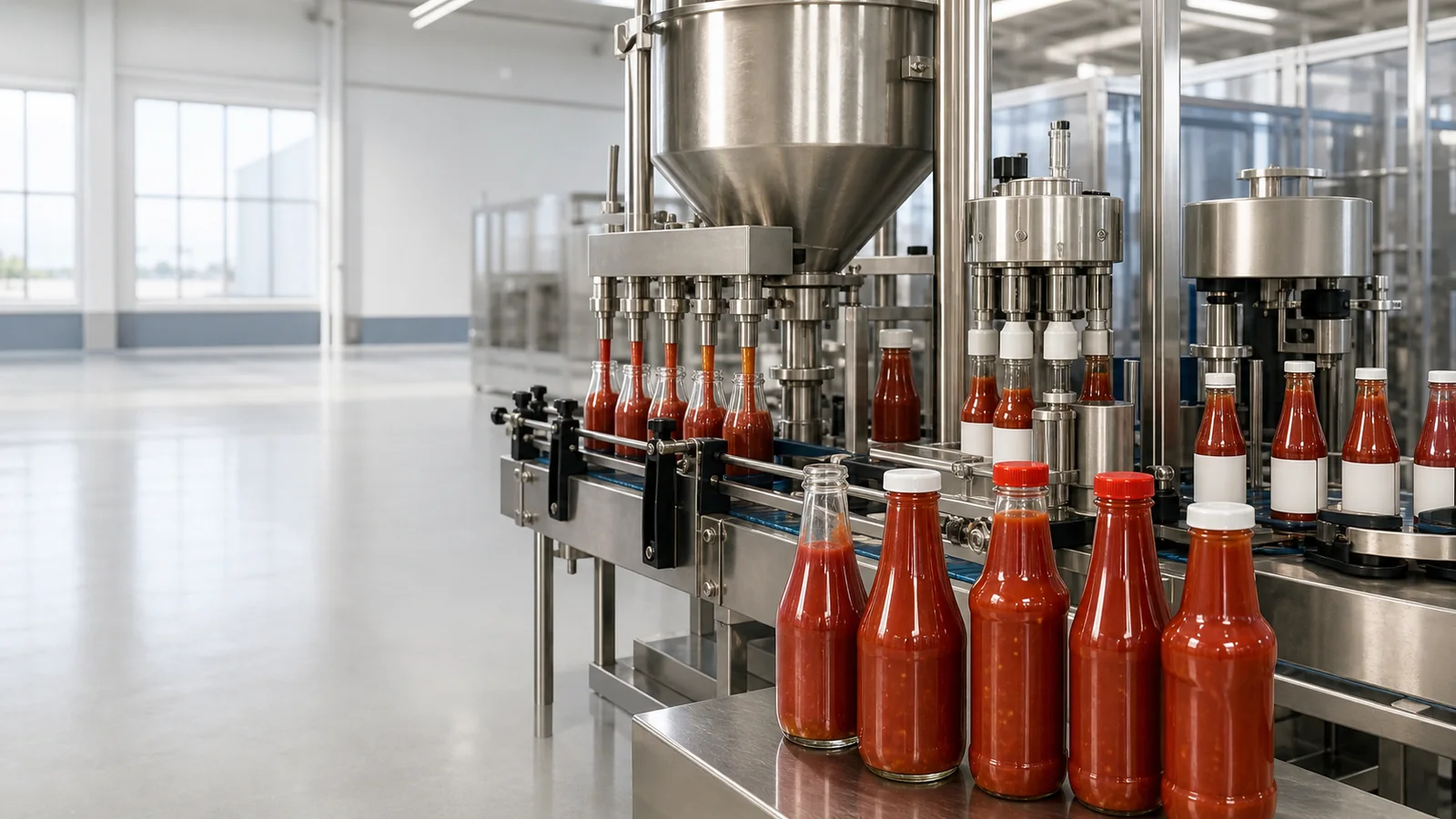
- Bottles require filling, screw capping, and optional inner sealing; cups require cup mouth heat sealing; pre-made pouches rely on bag mouth cleanliness and heat seal layers. The three routes share sauce feeding judgment, but the primary sealing equipment cannot replace each other.
Solution summary prepared for you
- Ketchup first uses piston or rotor pump filling machine for actual material test; viscosity, particles, cut-off, and cleaning results determine feeding configuration.
- Bottles distinguish bare mouth direct film and cap inner gasket; former heat presses before capping, latter screw caps then enters online induction inner seal.
- Cups are handled by small cup filling and sealing machine for cup filling and cup film main sealing; cannot be replaced by bottle screw capping equipment.
Route comparison
- Suitable for bottled ketchup using outer cap, requiring bottle label, and able to clarify inner seal structure and filling closing.
- Bottles support cap opening method and jar label; inner sealing can be configured separately according to bare mouth film or cap inner gasket structure.
- Cap type, bottle mouth, gasket or direct film, tightening state, and ketchup closing all need complete testing.
- When sales container is determined as cup or bag, bottle screw capping and inner sealing stations do not match that packaging structure.
- After sauce filling, use automatic screw capping machine. If cap has suitable gasket, connect online induction aluminum foil sealing machine; for bare mouth independent film, first use bottle online heat pressing sealing machine.
- Suitable for small cup single-serve packaging like fast food condiments; cup body and film material have formed main sealing finished sample.
- Small cup filling and sealing machine puts cup filling and film main sealing in same cycle, suitable for single-serve cup products.
- Cup type, film layer, dripping, and rim cleanliness all need sample confirmation; equipment does not handle screw capping or bottle mouth induction.
- When product requires outer cap multiple openings, or sales unit uses bag material, choose corresponding bottle or pre-made bag route.
- Use small cup filling and sealing machine, and verify filling nozzle and heat sealing according to ketchup particles, cup mouth, and film material.
- Suitable for tomato ketchup packaging where pouch type, fill volume, and filling method are clear, and residual sauce at the bag mouth can be stably controlled.
- The pre-made pouch main machine organizes bag picking, opening, sauce filling, and bag mouth heat sealing in the same cycle, suitable for orders with stable pouch types.
- Pouch material, bag opening, filling nozzle, and sealing zone all need testing; the equipment does not include bottle screw capping or cup film primary sealing.
- When packaging requires a rigid cup body or a bottle cap opening structure, the pre-made pouch route does not correspond to that sales format.
- Use a single-lane/three-station pre-made pouch filling and sealing machine series, and check the filling drop point and bag mouth cleanliness with real sauce samples.
Associated Equipment / Consumables
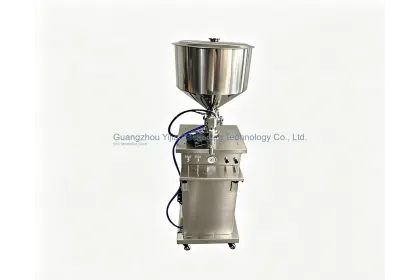 Piston Sauce Filling Machine
This machine meters sauces and pastes by piston stroke. Treat the actual product, container opening, dose, particles, temperature, stringing, drip control and cleaning as one trial set. Verify repeatability, particle...
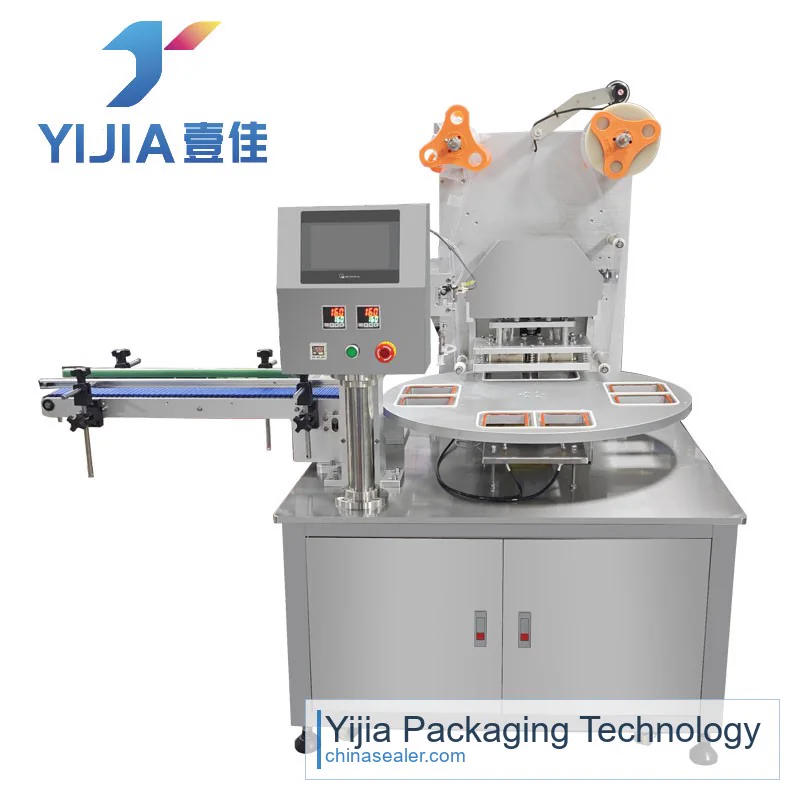 Automatic Small-Cup Filling and Sealing Machine
Establish sauce feeding baseline; Same-name ketchup may have different particle and flow states; water or another sauce cannot replace production formula testing; Ketch...
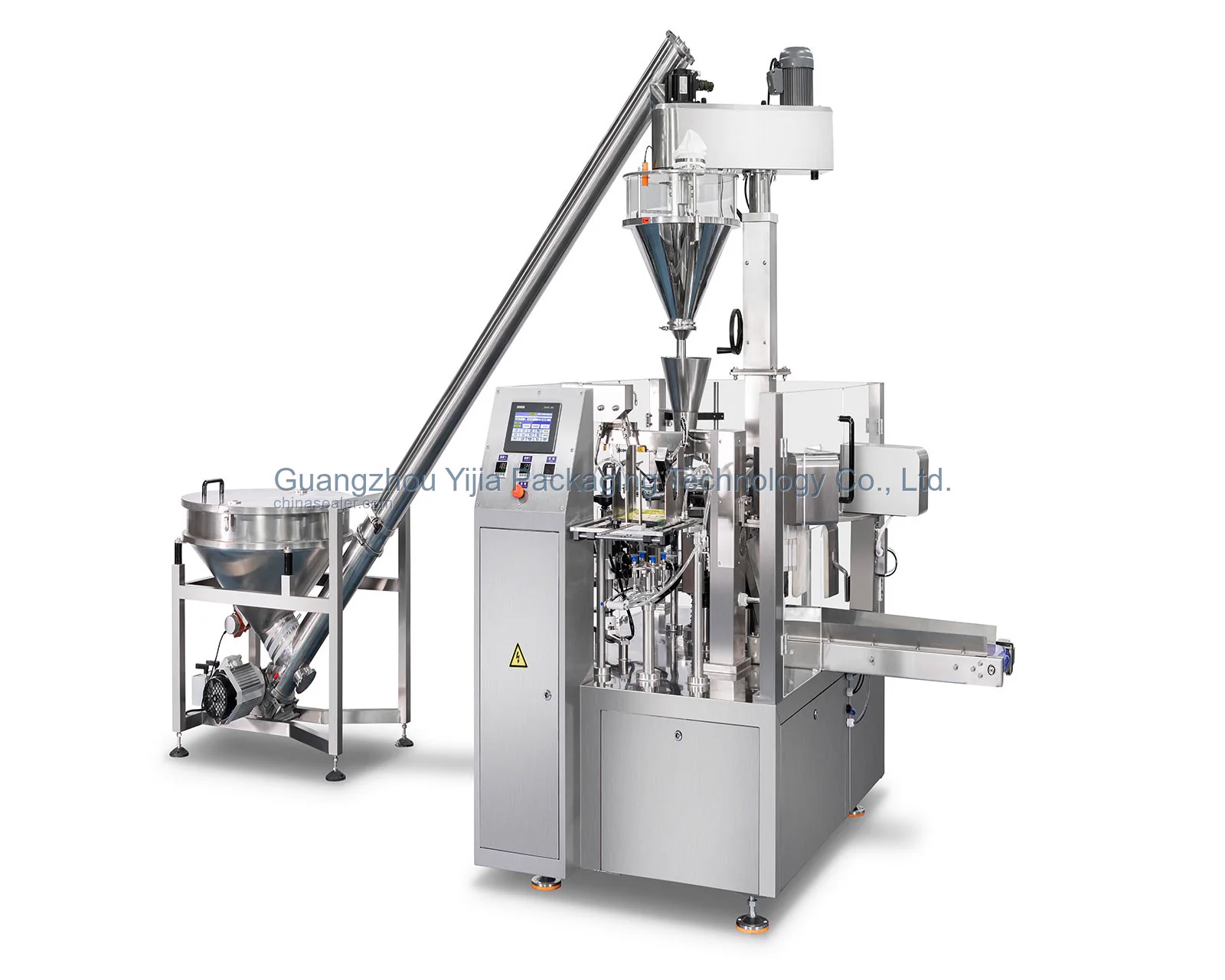 Single-Lane and Three-Station Premade Pouch Filling and Sealing Series
Bottle screw capping and gasket induction; Induction equipment does not handle bare mouth independent film, nor correct loose caps or gasket misa...
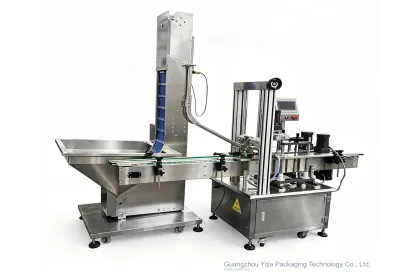 Automatic Screw Capping Machine
Bottle screw capping and gasket induction; Induction equipment does not handle bare mouth independent film, nor correct loose caps or gasket misalignment; screw capping finished sample...
Core process
First use real ketchup to cover feeding, startup, continuous filling, and shutdown; record particle passage, stringiness, dripping, and acceptable fill volume samples.
Compare ketchup piston filling machine and rotor pump ketchup filling machine based on actual material state; evaluate servo piston liquid filling machine when formula is suitable.
For bottles, first use automatic screw capping machine according to cap type. When cap has suitable gasket, after screw capping, use online induction aluminum foil sealing machine for inner seal.
If bottle mouth uses independent film, before capping use bottle online heat pressing sealing machine to verify film, rim, and pressing, then handle outer cap.
When sales container changes to cup or pre-made bag, use corresponding main machine; do not move bottle screw capping and inner sealing stations into new route.
After main sealing of bottles, cups, and bags is stable, arrange conveying, labels, and date characters according to final packaging, and cover changeover for each specification.
Sample details
Viscosity, particles, oil content, temperature, and stringiness change pumping, filling nozzle, and cut-off performance.
Production ketchup, formula batch, particle size, processing temperature, target fill volume, and cleaning requirementsBottles, cups, and bags correspond to different positioning and main sealing actions; sales container must be determined at the start.
Target bottle/cup/bag samples, key dimensions, materials, center of gravity after filling, and final display stateCaps, direct film, cup film, and bag material respectively determine screw capping, heat pressing, induction, or bag sealing conditions.
Production samples and material structure of bottle caps and gaskets, bare mouth film, cup film, or pre-made bagsFill volume and order organization affect filling stations, manual feeding, changeover, and buffer arrangements.
Fill volume per container, shift orders, specification quantities, changeover frequency, and labor configurationBottle label and batch number surface differ among three packaging types; confirm on final incoming direction.
Label and date layout, application/printing position, reading direction, and exception reprint requirementsLine connection must match actual discharge posture and leave operating space for cleaning, rejects, and changeover.
Site layout, electrical and air supply, in/out direction, cleaning access, and finished product receiving methodCommon selection mistakes
Only looking at the ketchup name will miss particles, stringiness, and temperature state; the same filling nozzle may clog or drip on another formula.
The main sealing objects for bottles, cups, and pre-made bags are different; shared filling judgment does not mean sealing equipment is interchangeable.
Bare mouth film is heat pressed before capping, while cap inner gasket is inducted after capping; reversing the order loses the corresponding contact conditions.
When ketchup residue remains on the cup rim or bag mouth, it separates the heat seal layer; only adjusting temperature cannot solve the upstream dropping problem.
If label character positions are set after connecting equipment, they may conflict with guiding, gripping, or sealing areas.
View detailed technical notes
First Split into Three Lines by Container
Tomato ketchup can be packed into bottles, cups, or pre-made pouches, but the primary sealing action differs for each container. First select the sales packaging, then connect the shared sauce feeding system to the corresponding main machine.
Feeding Test is the Common Starting Point for All Three Lines
The viscosity, particulates, temperature, and stringiness of real tomato ketchup determine the feeding and cut-off behavior. Piston and rotor pump equipment for sauce should be compared using the same batch production recipe.
Bottle Mouth Inner Sealing Ordered by Membrane Position
For bottled products, first confirm the cap and inner seal structure. A cap liner is induction sealed after screw capping, while a separate membrane on the bare mouth is heat sealed before capping; these two processes cannot be reversed.
Cup Filling and Sealing Completed on the Same Main Machine
The small cup filling and sealing machine handles in-cup filling and cup film heat sealing. Cup rim dripping, film layers, easy-tear, and cup discharge posture are all verified with real cups filled with tomato ketchup.
Pouch Packing Focuses on Seal Edge Cleanliness
The pre-made pouch route starts with bag picking, opening, and filling. The ketchup drop point must avoid the sealing zone; residual sauce at the bag mouth and wrinkles are treated as abnormal samples, and the first bag after a stop and restart is recorded.
Cap Type Determines Screw Capping Feasibility
The automatic screw capping machine only handles cap types confirmed by sample testing. If special pump heads or caps cannot be stably fed and gripped, manual or dedicated upstream processes must be determined separately.
Three Packaging Types Arranged Separately for Marking
Labels mainly serve the bottle body; date characters can be set on the visible face of bottles, cups, or pouches. After the packaging orientation is fixed, connect the round/square bottle labeling machine and the date batch inkjet coding machine.
The Line Only Connects Stabilized Stations
The automatic feeding, conveying, and sealing line is used to connect already stabilized stations. Acceptance covers start/stop, material shortage, changeover, and abnormal recovery; it does not correct upstream filling fluctuations.
Save Independent Completion Samples by Container
Each route keeps records of sauce batch, container packaging material, filling results, primary seal samples, and marking records. When changing sales containers, re-verify from the corresponding main machine.
Common questions
Can we discuss the packaging direction first if information is incomplete?
You can first use photos of the ketchup, containers, and lid/film bag samples to identify information gaps; formal filling and sealing configuration still requires physical trials.
What should be included in the preparation materials?
You need to provide production ketchup, target bottles/cups/bags, lid film or bag material, fill volume, order organization, label batch number, and site layout.
How to determine the number of machines and the scope of the line?
The choice of stations and connection method should be based on actual filling, container feeding, screw capping or heat sealing, changeover, labor, and complete cycle results.
Why are samples required for bottles, cups, and bags?
Film layers, container material, and rim condition together form the sealing conditions; actual lid/film bag samples are necessary input for heat sealing or induction testing.
How to accept the main seal for three packaging types?
According to the container route, establish screw capping, film sealing, bag sealing, peel testing, or other packaging tests, and retain qualified and boundary samples.
When is it suitable to connect the ketchup line?
When sauce feeding, each main sealing station, and packaging direction are stable, then evaluate the connection based on on-site handover, label characters, and exception handling.