Solution topic
How to Choose Freeze-dried Fruit Can Filling Nitrogen Flushing Sealing? Start With Can Type, Film Material and Gas Replacement Method
For freeze-dried fruit canning with nitrogen flushing and sealing, do not select by sealing machine name alone. First confirm can type, mouth structure, film or foil liner, nitrogen flushing method, target output, and whether an in-line layout is needed, then decide between heat-press sealing, induction foil sealing, or MAP sealing.
- For freeze-dried fruit canning with nitrogen flushing and sealing, do not select by sealing machine name alone. First confirm can type, mouth structure, film or foil liner, nitrogen flushing method, target output, and whether an in-line layout is needed, then decide between heat-press sealing, induction foil sealing, or MAP sealing.
- How to Choose Can Filling, Nitrogen Flushing and Sealing for Freeze-Dried Fruit
Start With the Current Production Conditions
Freeze-dried fruit needs nitrogen freshness preservation after canning. What sealing equipment should be used?
First determine the packaging route
For freeze-dried fruit canning with nitrogen flushing and sealing, do not select by sealing machine name alone. First confirm can type, mouth structure, film or foil liner, nitrogen flushing method, target output, and whether an in-line layout is needed, then decide between heat-press sealing, induction foil sealing, or MAP sealing.
Heat-Press Aluminum Foil Sealing Route
Suitable for: Wide-mouth containers such as paper cans, plastic cans, and composite cans, where film is heat-sealed directly onto the container mouth, with nitrogen MAP option. Advantages: Fast sealing speed, suitable for continuous production, low film cost. Limitations: Requires container mouth flatness and film compatibility testing. Not recommended: If the container mouth has threads or requires capping, consider induction sealing plus capping. Equipment direction: We can provide paper can/plastic drum aluminum foil sealing and capping machines or large-diameter drum heat sealing machines with nitrogen connection.
Induction Aluminum Foil Sealing Route
Suitable for: Plastic jars, glass jars with aluminum foil liner inside the cap; induction sealing after capping. Advantages: Sealed state allows easy liner integrity check. Limitations: Cap must press the liner tightly; cap type and torque affect results. Not recommended: For paper cans or composite cans, induction may be unstable; test first. Equipment direction: We can provide water-cooled induction aluminum foil sealer or inline induction sealer, can be integrated with capping.
Modified Atmosphere Packaging Sealing Route (MAP)
Suitable for: trays, cups, bowls, etc., by vacuumizing and nitrogen flushing then heat sealing film. Advantages: high gas replacement efficiency, suitable for oxygen-sensitive products. Limitations: requires smooth container rim; film must match MAP performance. Not recommended: when containers are metal cans or paper cans, MAP sealers are generally not suitable; consider heat sealing or induction sealing routes. Equipment direction: we can provide tray MAP sealers supporting nitrogen flushing and heat sealing.
Recommended equipment route: Sample and container confirmation
Use samples to confirm can-mouth size, film compatibility, and nitrogen flushing interface position.
Recommended Equipment Route: Main Sealing Equipment
Heat-press sealing with nitrogen flushing is suitable for freeze-dried fruit canning.
Recommended equipment route: nitrogen flushing and MAP module
Configure gas replacement parameters according to residual oxygen requirements inside the can.
Recommended Equipment Route: Downstream Inspection and Marking
Useful for checking packaging status and traceability.
Route comparison
- Suitable for wide-mouth paper cans, plastic cans, and composite cans, where film is heat-sealed directly on the can mouth and can be paired with gas flushing.
- Fast sealing speed, suitable for continuous production with relatively low film cost.
- can-mouth flatness and film compatibility need testing.
- If the can mouth has threads or requires capping, induction sealing plus capping is recommended.
- We can provide aluminum foil membrane sealing and capping machines for paper cans/plastic drums, or large-diameter drum hot press sealing machines, with nitrogen flushing interface support.
- Suitable for plastic or glass jars whose caps already contain foil liners; sealing is completed by induction heating after capping.
- seal condition is easy to check through liner integrity.
- The cap must press the aluminum foil liner tightly; cap type and torque affect the result.
- For metal cans or paper cans, induction performance may be unstable, so testing should be done first.
- We can provide a water-cooled induction foil sealer or in-line induction foil sealer, which can connect with capping.
- Suitable for trays, cups, and bowls, with vacuuming and nitrogen flushing before heat sealing.
- high gas replacement efficiency, suitable for oxygen-sensitive products.
- container rim should be flat, and film should support MAP performance.
- For metal or paper cans, MAP sealing machines are usually not suitable. Heat sealing or induction sealing is recommended instead.
- We can provide tray MAP sealing machines with nitrogen flushing and heat sealing.
Core process
Associated Equipment / Consumables
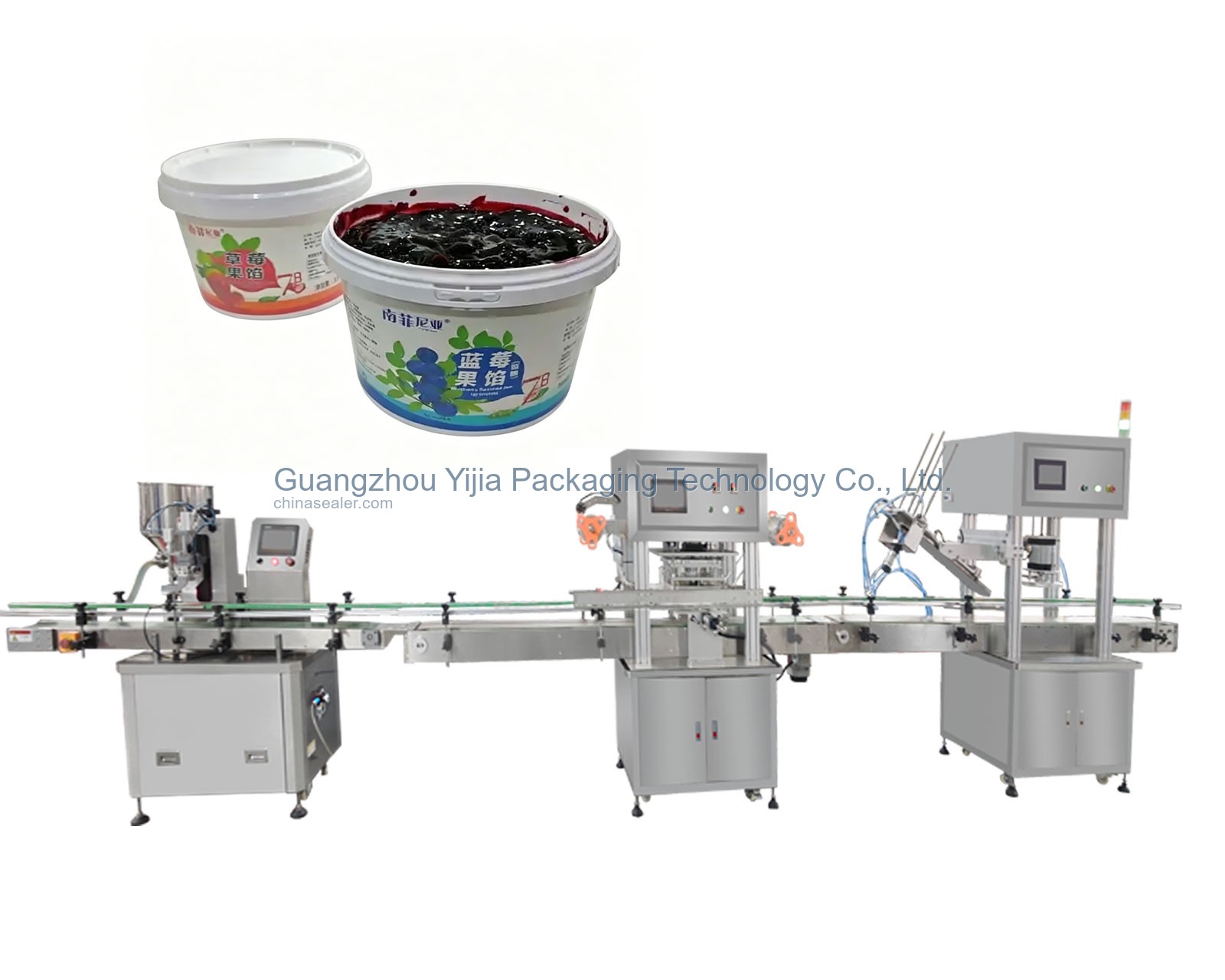 Paper Can / Plastic Pail Aluminum Foil Sealing and Capping Machine
Sample and container confirmation; Use samples to confirm can-mouth size, film compatibility, and nitrogen flushing interface position; can samples,...
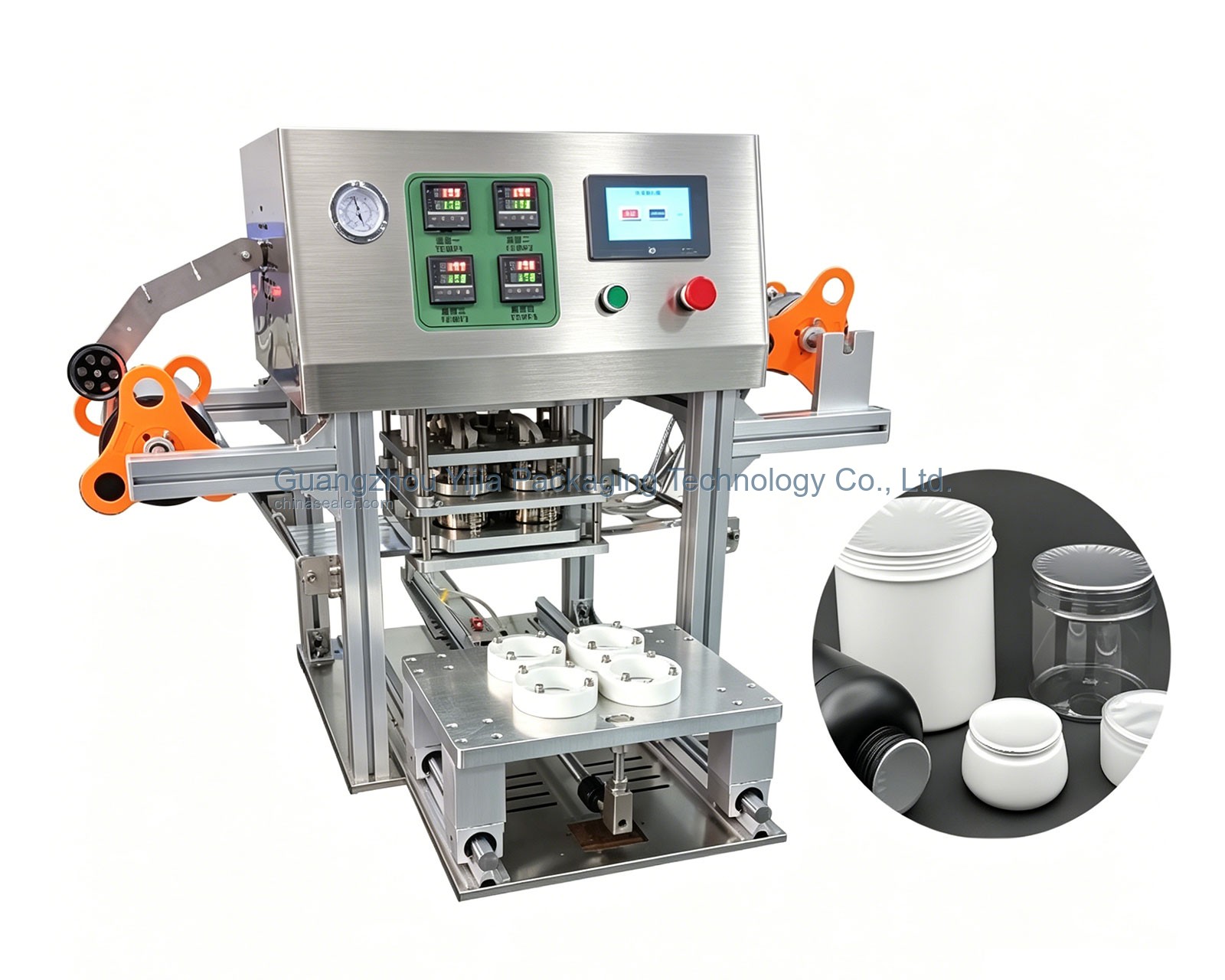 Bottle, Pail, Can Sealing Machine
Sample and container confirmation; Use samples to confirm can-mouth size, film compatibility, and nitrogen flushing interface position; can samples, film samples or foil liner samples
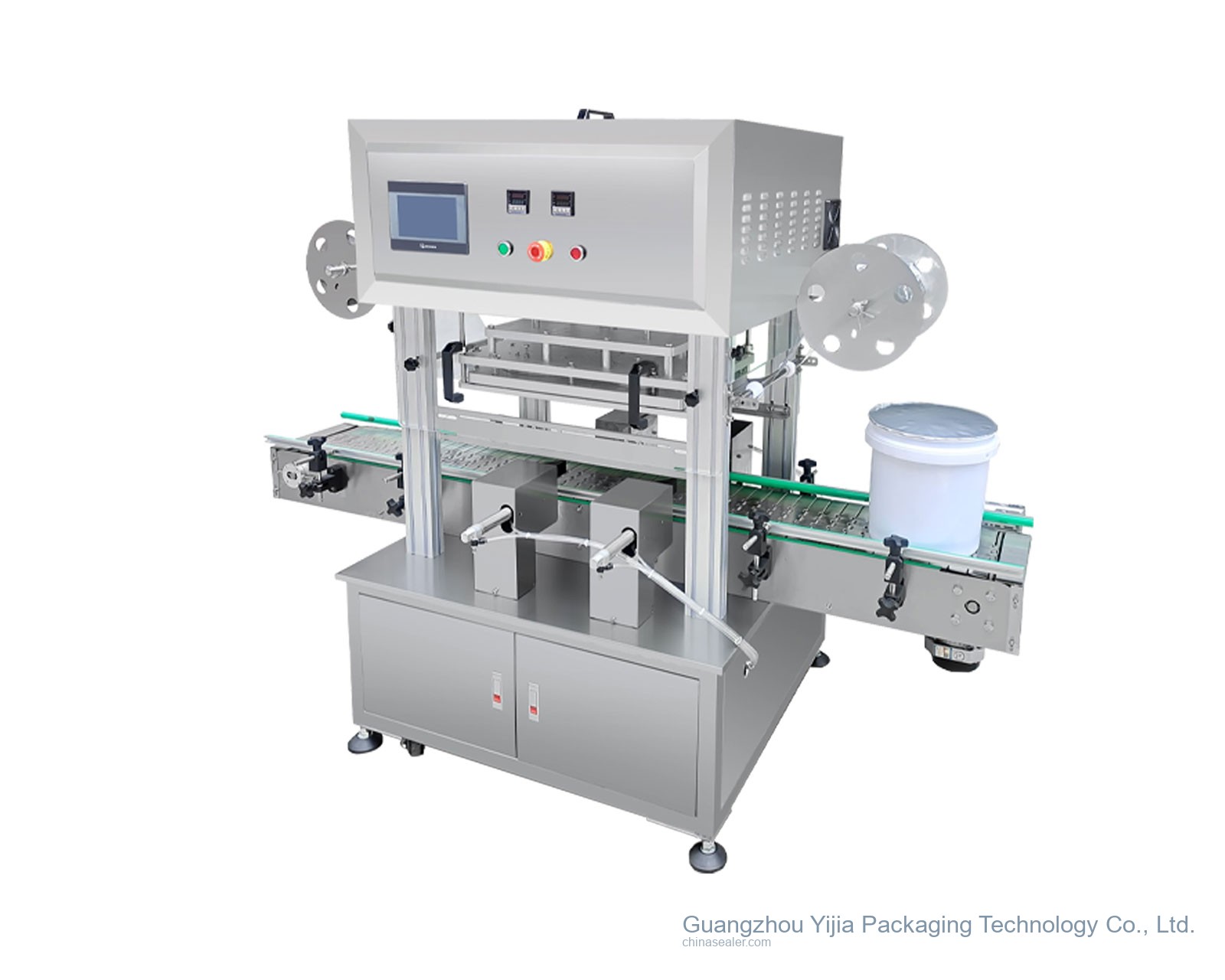 Large-Diameter Pail Heat Seal Sealer
Main sealing equipment; Heat-press sealing with nitrogen flushing is suitable for freeze-dried fruit canning; Paper can or plastic pail foil sealing and capping machine, or large-...
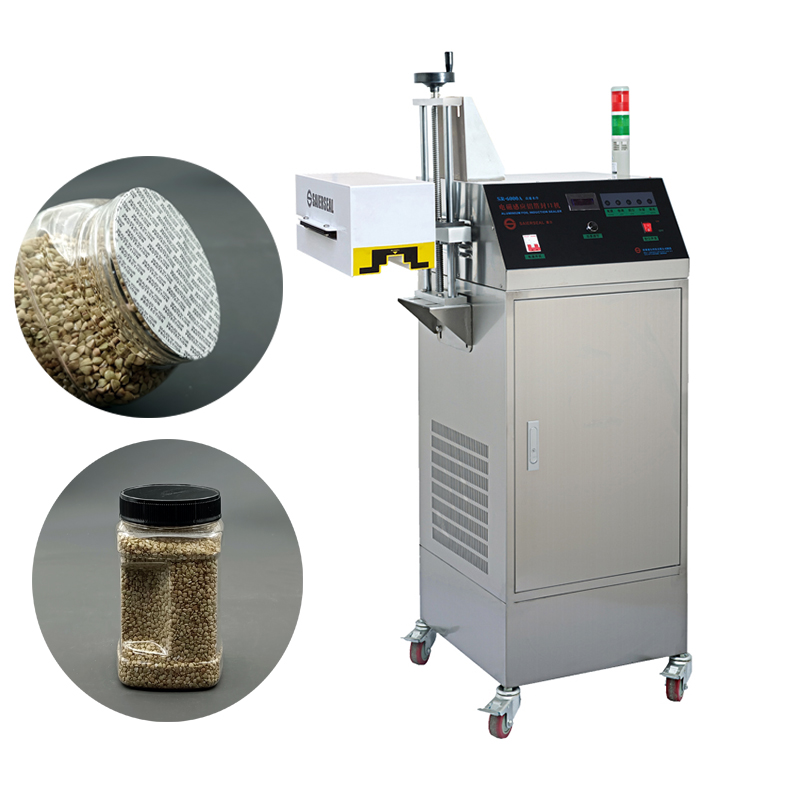 Water-Cooled Induction Aluminum Foil Sealing Machine
Main sealing equipment; Heat-press sealing with nitrogen flushing is suitable for freeze-dried fruit canning; Paper can or plastic pail foil sealing and capping ma...
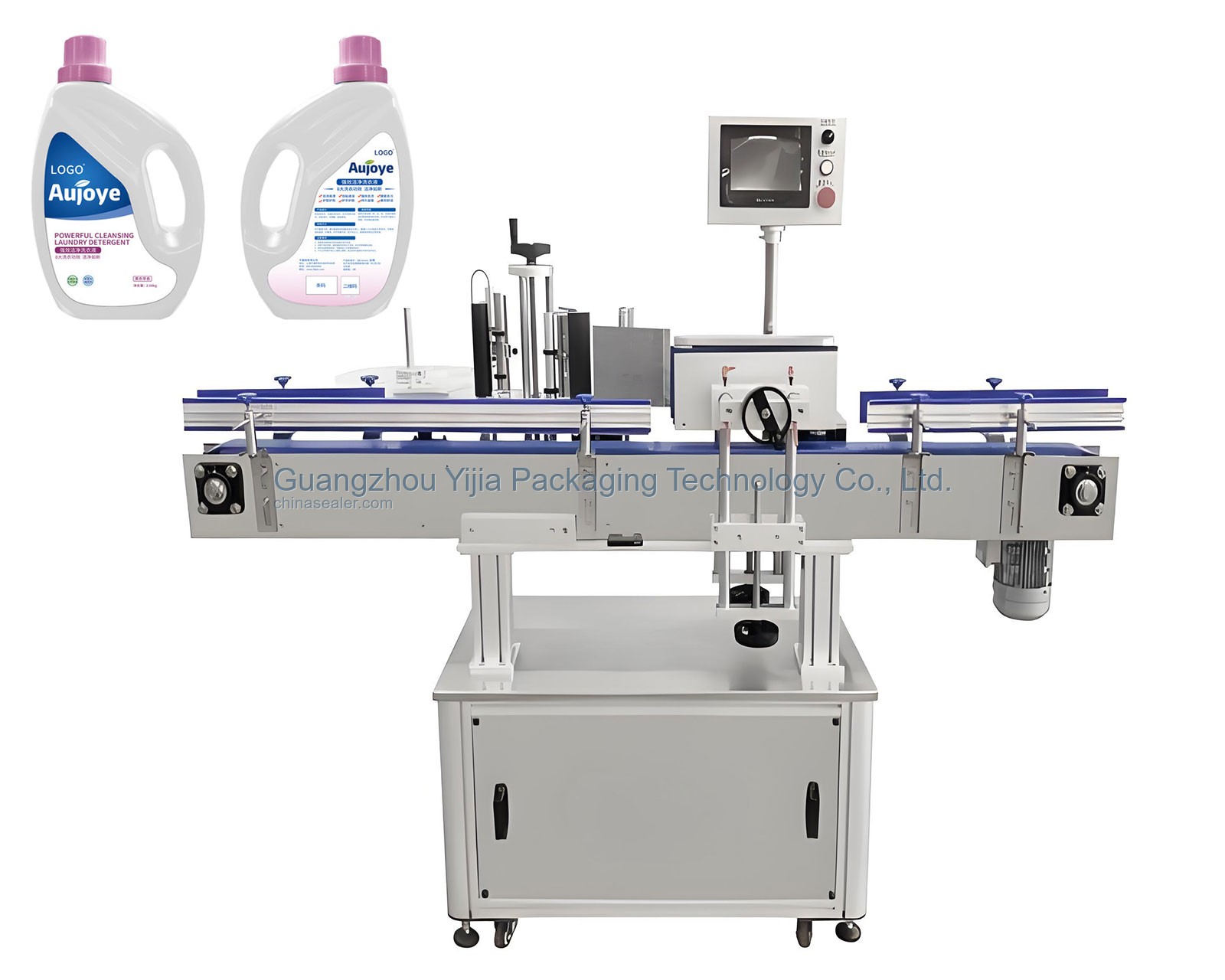 Round & Square Bottle Labeling Machine
Downstream Inspection and Marking; Useful for checking packaging status and traceability; online checkweighing and vision inspection system, date/batch inkjet coder
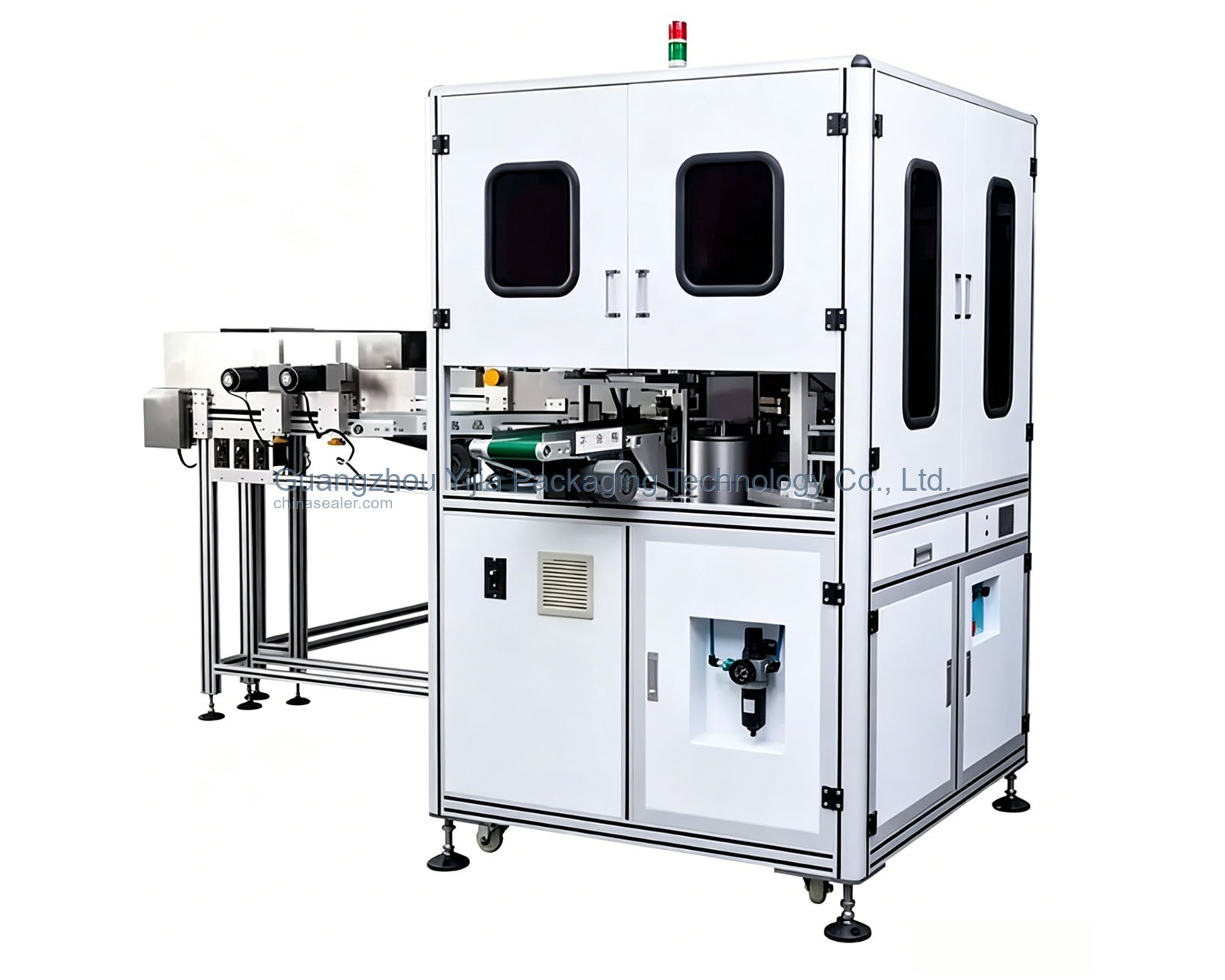 Online Checkweigher and Vision Inspection System
Downstream Inspection and Marking; Useful for checking packaging status and traceability; online checkweighing and vision inspection system, date/batch inkjet coder
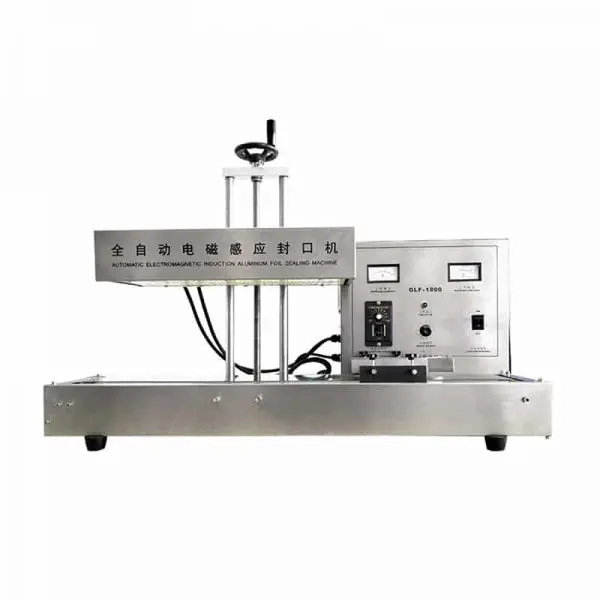 Benchtop Air-Cooled Induction Aluminum Foil Sealer
Main sealing equipment; Heat-press sealing with nitrogen flushing is suitable for freeze-dried fruit canning; Paper can or plastic pail foil sealing and capping mach...
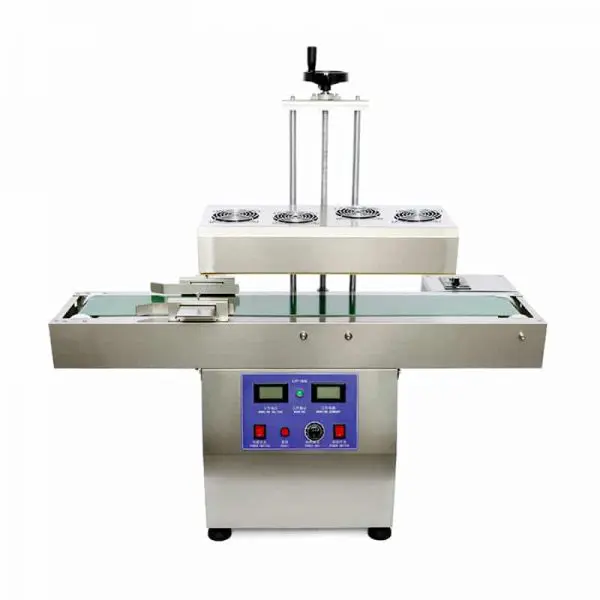 Inline Induction Foil Sealer
Main sealing equipment; Heat-press sealing with nitrogen flushing is suitable for freeze-dried fruit canning; Paper can or plastic pail foil sealing and capping machine, or large-diameter...
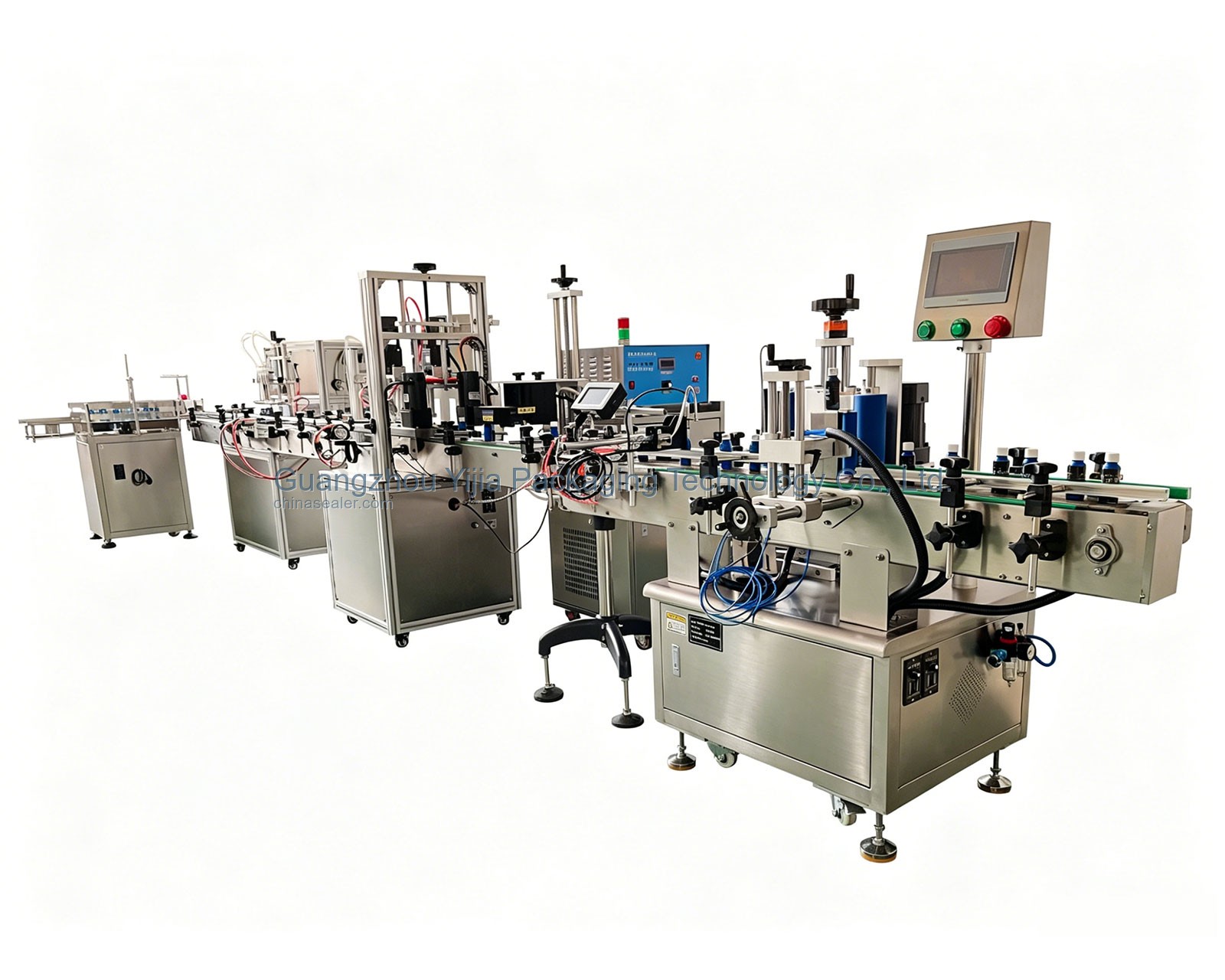 Automatic Feeding Conveying Sealing Line
Main sealing equipment; Heat-press sealing with nitrogen flushing is suitable for freeze-dried fruit canning; Paper can or plastic pail foil sealing and capping machine, or la...
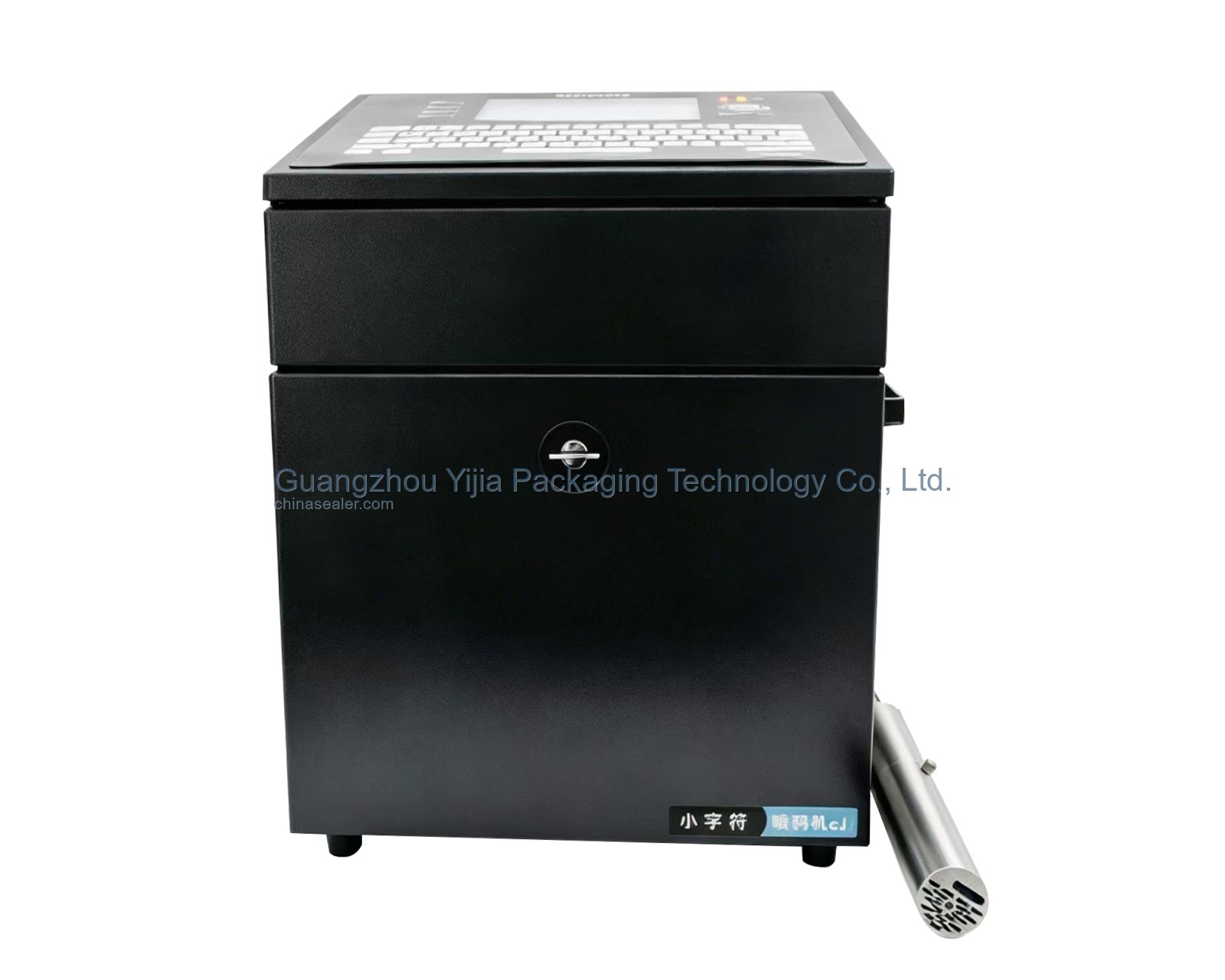 Date & Batch Inkjet Printer
Downstream Inspection and Marking; Useful for checking packaging status and traceability; online checkweighing and vision inspection system, date/batch inkjet coder
Sample details
Photos and dimensions can first determine container positioning, mold direction, and whether sample testing is needed.
Can sample or can-mouth dimension photo, including diameter, height, and rim shape.Film material and liner affect sealing temperature, pressure, dwell time, and feeding method.
Film or aluminum foil liner sample, including material, thickness, and whether it has easy-peel function.Capacity target determines single machine, semi-automatic, or continuous inline configuration, and also affects the quotation range.
target capacity in cans per hourInline requirements affect equipment sequence, cycle time matching, and downstream inspection methods.
Whether line integration is required, such as filling, sealing, coding, checkweighing, and related steps.Site conditions affect electrical control, pneumatics, conveyor length, and safety protection configuration.
site dimensions or layout sketch, if availableCommon selection mistakes
Common questions
Yes. First send photos of the can, approximate dimensions, and target output. We will determine the approach and then list the additional items needed.
Please provide can samples or dimensions, film or foil liner samples, target output, line-integration needs, and site-space information.
Target output affects station count and line integration. High-speed production usually requires automatic feeding and line-connected configuration.
Film material, can rim material, and sealing temperature must match, and testing determines suitable parameters.
Sealing performance should be confirmed through samples, packaging material, and parameter tests, including leakage and torque checks.
If filling is upstream and coding or checkweighing is needed downstream, evaluate a connected line to improve efficiency.