Solution topic
Yogurt Cup Filling and Sealing Downstream: From Cup Trials to Case Sealing and Labeling Configuration
Explains the configuration sequence for yogurt cups from cup and film testing, small-batch sealing, to automatic filling and sealing, date coding, checkweighing, case sealing, and
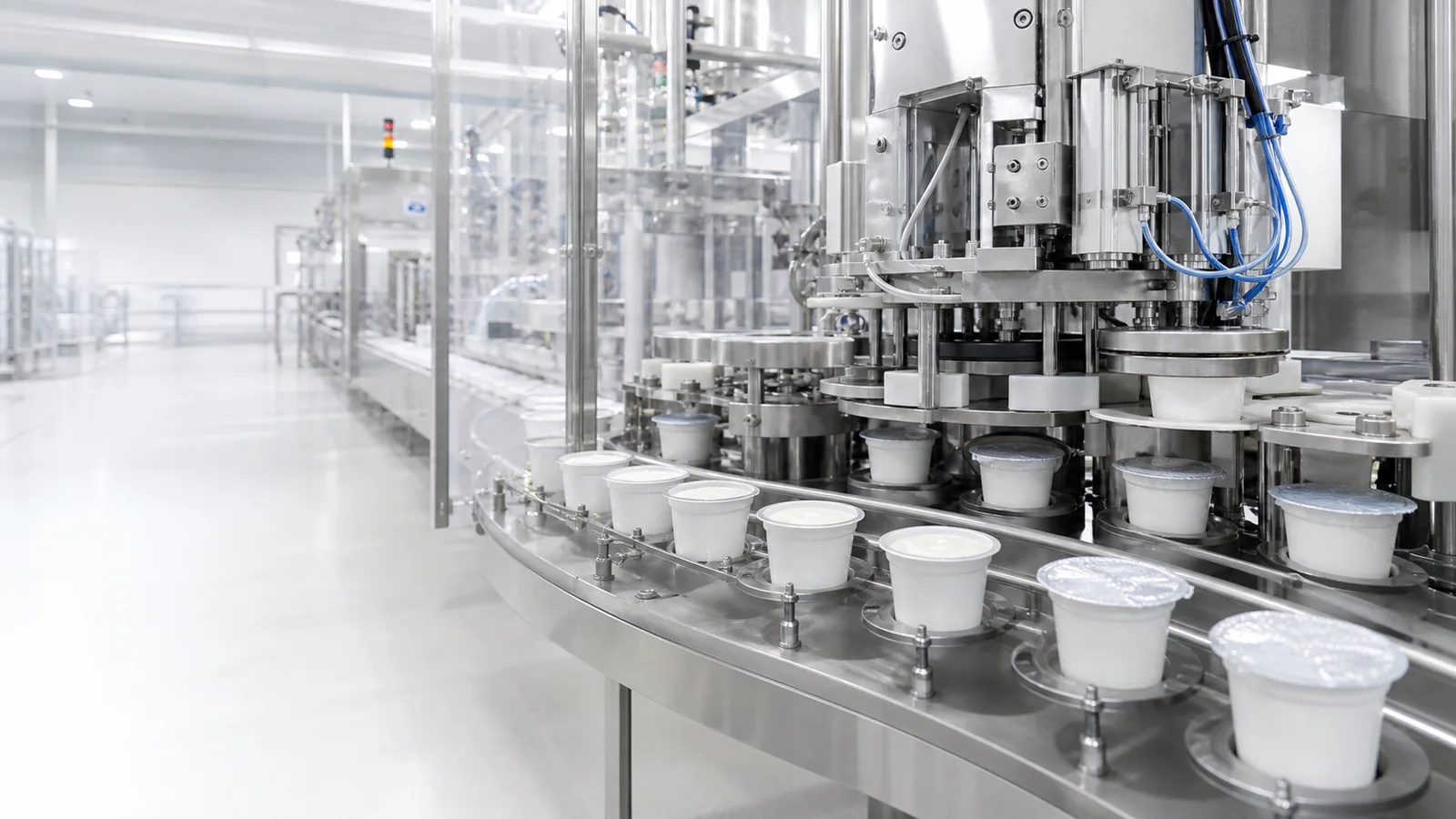
- The yogurt cup material, rim, and sealing film first determine the mold and sealing tests, while the filling volume and changeover frequency determine whether a semi-automatic or automatic main machine is used. Cup surface coding, checkweighing, conveying, and outer carton labeling should be configured according to the finished product arrangement and car...
Solution summary prepared for you
- For yogurt cup packaging, first determine the mold and trial sealing conditions using the cup material, rim, and sealing film, then organize benchtop verification or automatic filling and film sealing according to the order.
- For small batch trial cups, use the small-diameter cup sealing machine SGP-03. For continuous production, use the small cup filling and sealing machine and food-grade conveying line, followed by coding and online checkweighing.
- The downstream carton section starts from cartons already packed with yogurt cups. Carton sealing and outer carton labeling can be linked, and automatic case packing needs separate confirmation.
Route comparison
- Suitable for new cup film sampling, multi-specification small batch verification, or yogurt projects where the automatic main machine is not yet determined.
- The small-diameter cup sealing machine and formal cup film can quickly verify positioning, edge sealing, and easy-peel appearance, making it easy to correct packaging materials before the main machine is determined.
- Manual cup and film placement is required, and it does not include automatic cup denesting and dosing filling. Trial sealing results also cannot represent the continuous line cycle time.
- When the cup film is stable and continuous cup denesting, filling, and sealing are required, the benchtop trial sealing machine should not be used as the mass production main line.
- Use the small-diameter cup sealing machine SGP-03 and small cup sealing film for benchtop cup trials. Yogurt is first placed into cups by an independent filling method.
- Suitable for orders where the main yogurt cup and film have been sample-approved and automatic filling and film sealing with continuous cup discharge is required.
- The small cup filling and sealing machine integrates cup denesting, dosing, film supply, and sealing into a continuous cycle, and the food-grade conveying line receives the finished products.
- Cup type, film material, and yogurt flow state jointly affect the mold and station cycle time, and must be verified online with the main specifications.
- When cups, sealing film, or fill volume change frequently, and only a small number of samples are needed, it is not advisable to lock in a complete automatic main line first.
- With the small cup filling and sealing machine as the core, connect the food-grade conveying line according to the cup discharge posture, and reserve stable bottle spacing for coding and checkweighing.
- Suitable for projects that require cup-level batch and weight records and already have a clear manual or independent case packing method.
- The date batch coding machine and online checkweighing machine handle individual cup traceability and weight verification. After case packing, the carton sealing and outer carton labeling line completes case-level packaging.
- Printing area, weight judgment, cup case packing method, and carton specifications must be clear. The listed equipment does not include an automatic case packer.
- When individual cup quality rules or packed carton incoming materials are not yet determined, all downstream sections should not be written as a fixed configuration at once.
- Sealed cups are sequentially connected to coding, online checkweighing, and conveying. Packed cartons are then connected to the carton sealing and outer carton labeling equipment.
Associated Equipment / Consumables
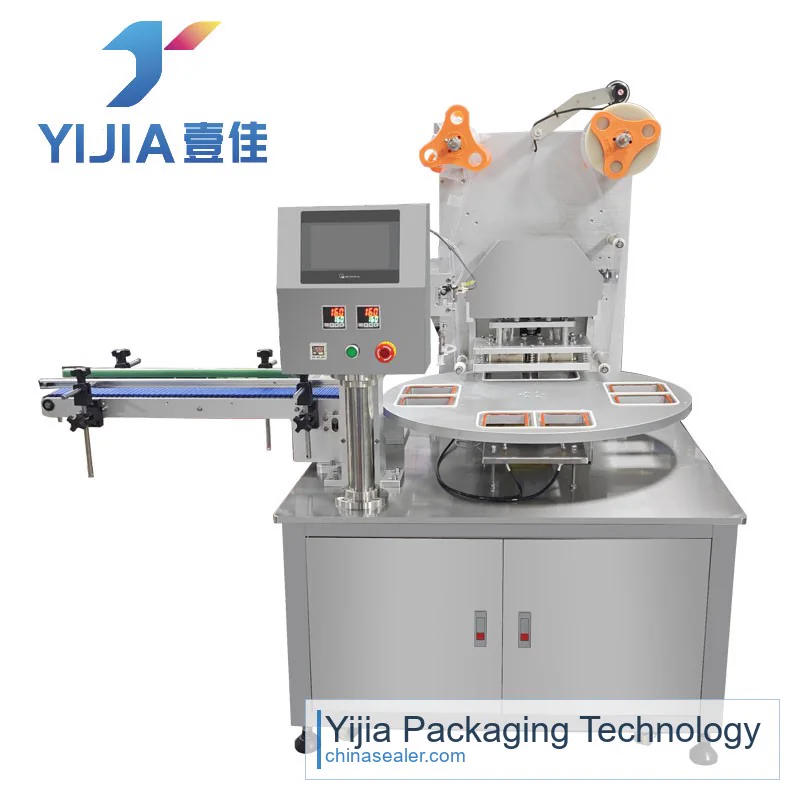 Automatic Small-Cup Filling and Sealing Machine
The machine denests cups, doses product, registers and heat-seals film, trims and discharges. Confirm cup stacking and rim, viscosity, particles, foaming or stringing, rollstock or pre-cut lids, peel and leak criteria...
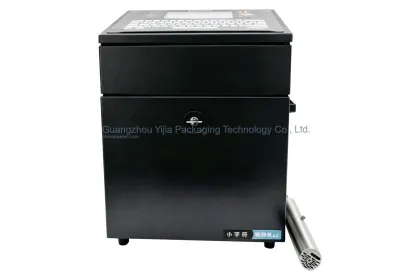 Date & Batch Inkjet Printer
Cup marking and weight verification; Coding reading, checkweighing range, and defective product handling should be defined separately. Checkweighing cannot replace sealing inspection; Date...
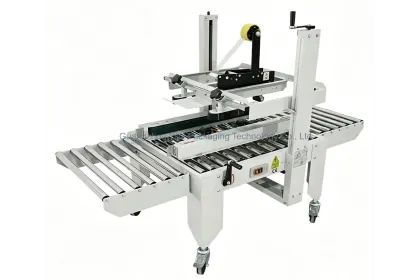 Carton Sealing and Outer Case Labeling Line
Carton sealing and traceability after case packing; The listed equipment does not automatically load cups into cartons. The case packing method needs to be defined separate...
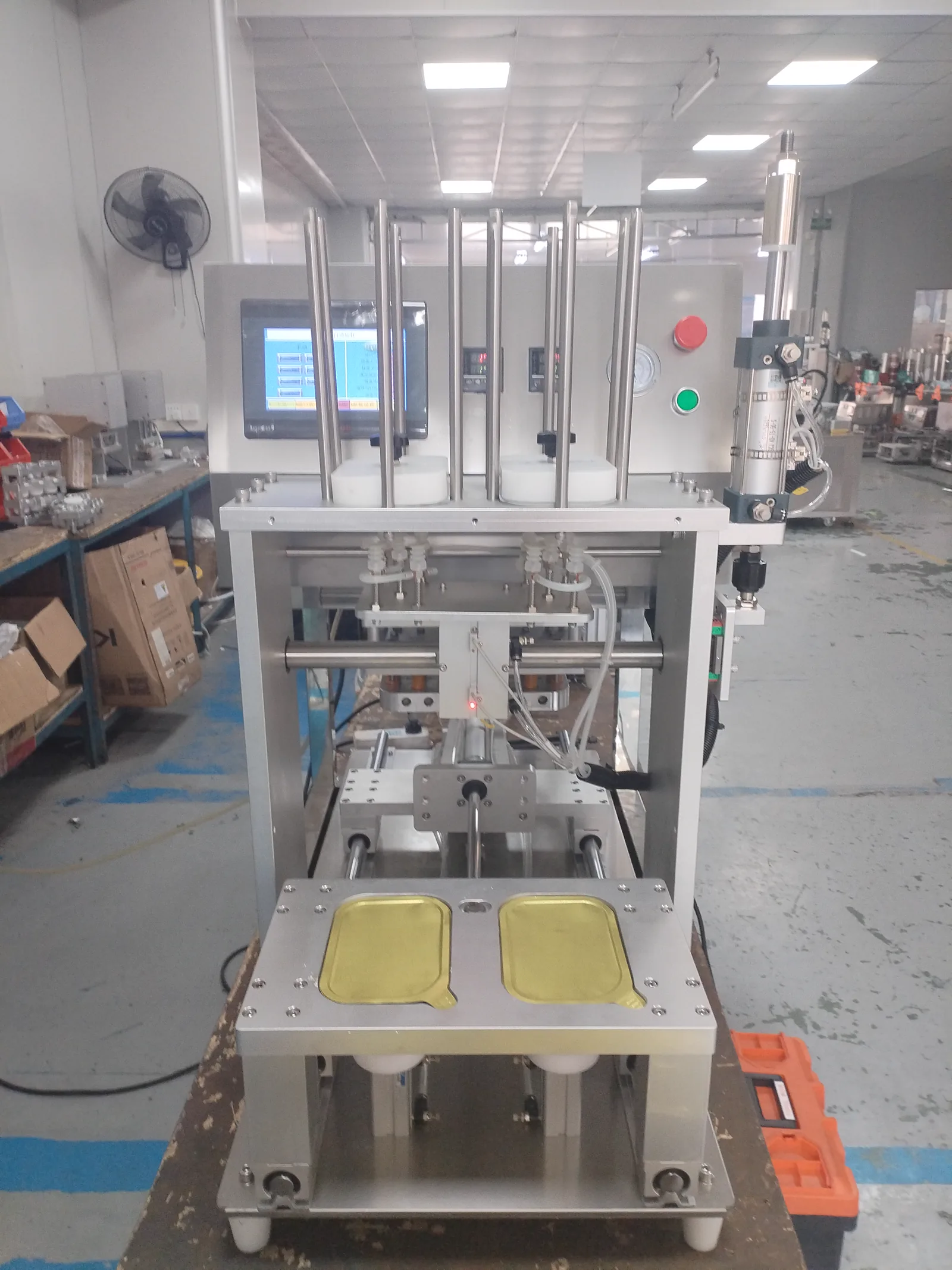 Automatic Pre-Cut Lid Pick-and-Place Tray Sealer
Cup film combination sample approval; Reporting only the cup rim diameter cannot confirm stacking, positioning, edge sealing, and easy-peel direction; Yogurt cups, sea...
Core process
The cup rim plane, material, and sealing film heat-seal layer determine the mold and trial sealing reference. Empty cups, filled cups, and formal film should be provided as a set.
In the small batch stage, use the small-diameter cup sealing machine to verify cup film adhesion and opening appearance. Filling is completed by the established station and rim contamination is controlled.
After the cup type and yogurt state are stable, the small cup filling and sealing machine completes cup denesting, dosing, film supply, sealing, and cup discharge, and the food-grade conveying line receives the finished products.
The date batch coding machine triggers based on a stable area on the cup surface or film surface, and the online checkweighing machine verifies finished products according to the weight rules given by the project.
After yogurt cups are grouped or manually packed into cartons, the carton sealing and outer carton labeling line processes the packed cartons to form case-level identification.
Use representative yogurt, cup film, target fill volume, and finished product arrangement throughout the trial run to prevent qualified front-end samples from being compressed or deformed during conveying or outer packaging.
Sample details
Provide cup body material, rim, stacking, and deformation state after filling to determine positioning and mold reference.
Empty cups and filled cups, key cup rim dimensions, material markings, cup stacking state, and main specificationsThe film heat-seal layer, print direction, easy-peel position, and film supply form will change trial sealing and automatic film feeding actions.
Formal sealing film, roll direction or sheet film direction, print registration, and opening requirementsUse actual yogurt to check flow, dripping, drop point, and rim contamination, and determine the filling station and cleaning boundary.
Representative yogurt, target fill volume, production state, cleaning and flavor change, and cup rim cleanliness standardsList the scope of cup denesting, filling, film supply, sealing, coding, checkweighing, and conveying, then confirm the planned cycle time based on a complete cycle.
Action list, target cycle time, shifts, quality rules, and defective product handlingExplain how finished cups are arranged and packed into cartons, and provide cartons and outer carton labels, clarifying the responsibilities of case packing and carton sealing.
Cup arrangement, case packing method, carton samples, carton sealing tape, outer carton labels, and site directionCommon selection mistakes
Even if the cup rim diameters are similar, differences in material, rim ribs, or cup stacking state can still change the mold and sealing results.
Yogurt falling onto the heat-seal contact area affects film adhesion, and sealing parameters cannot compensate for continuous rim contamination.
The benchtop machine is for manual trial sealing. The automatic main machine also includes cup denesting, filling, film supply, and cup discharge actions. The operating conclusions of the two cannot be interchanged.
Without planning the batch number on the sealed cup surface, checkweighing, and conveying posture, the downstream section may experience unstable triggering or cup compression.
The carton sealing and outer carton labeling equipment starts from already-packed cartons and does not automatically complete yogurt cup grouping and carton loading.
View detailed technical notes
First layer the main sealing and downstream sections
For yogurt cup packaging, first solve whether the cup film can be sealed stably, then decide whether to use manual trial sealing or automatic cup denesting, filling, and film sealing. Coding, checkweighing, and the downstream carton section are planned later.
Cup and Film Combination Is the Starting Point of the Line
The cup material, rim plane, stacking state, and film heat-seal layer jointly determine the mold. After yogurt is filled, also check cup rim contamination and cup body stress.
Benchtop Equipment for Cup and Film Process Confirmation
For new specifications, you can use the small-diameter cup sealing machine SGP-03 to first perform edge sealing and opening trials, and clarify the cup and film direction before discussing continuous production. The benchtop stage is suitable for correcting the rim and film material, but it still requires manual cup and film placement and does not include yogurt metered filling or continuous cup output.
Automatic Main Machine Handles Complete Filling and Sealing Actions
When the cup type, yogurt, and film material are stable, the small cup filling and sealing machine completes cup denesting, metered filling, film feeding, and sealing in a continuous cycle, with a food-grade conveyor connecting subsequent stations. The filling drop point, cup rim cleanliness, film supply, and cup discharge posture must be confirmed online with the main specification.
Coding and Checkweighing Do Not Replace Sealing Acceptance
The date and batch coding machine should select a stable cup surface or film surface, and the online checkweigher rechecks according to the finished product rules, with abnormal product handling agreed in the acceptance documents. Only cartons that have been case packed can enter the case sealing and outer carton labeling line; if yogurt cups need to be grouped and packed into cartons automatically, a separate solution should be established.
Cup Rim Cleanliness Controlled from the Filling Station
If yogurt dripping or stringing contaminates the rim, it will damage the sealing film contact. The filling nozzle, drop point, finishing, and necessary cleaning should be debugged together with sealing.
Changeover Scope Checked Item by Item for the Main Cup
For multi-cup-type production, molds and positioning parts should be prepared separately, and changeover actions, cleaning, re-signing of samples, and required time are based on actual equipment records.
Clarify the Incoming Material Conditions for the Case Sealing Line
The downstream carton section handles cartons with products already packed. If yogurt cup grouping, arrangement, and carton packing need to be automated, a separate case packing requirement should be established.
Complete Information Reduces Repeated Adjustments to the Cup Line
When submitting solution materials, also provide yogurt, cup film, target fill volume, continuous cycle rate, coding rules, and carton specifications, so that the mold, main machine, and downstream interfaces can be verified together.
Common questions
Do yogurt cups have to use aluminum foil lid film?
Not necessarily. It should be determined jointly by the cup material, the heat-seal layer of the film, the opening method, and the packaging requirements. Aluminum foil, easy-peel, or composite films all need trial sealing with the actual cup rim.
How to make film sealing samples for small batches of yogurt?
You can first use the small-diameter cup sealing machine SGP-03 for cup film process verification, with manual cup and film placement. Yogurt filling still needs independent confirmation; the trial sealing machine cannot be treated as an automatic filling main line.
Does yogurt filling need special anti-drip measures?
It is necessary to use the actual product to observe dripping, stringing, and adhesion on the cup rim, and then decide on the filling nozzle finish and drop point. You cannot directly specify the structure based solely on "yogurt is thick."
How to connect marking and the downstream carton section after film sealing?
After film sealing, you can add date coding, food-grade conveying, and online checkweighing. After the cartons are packed with products, they enter the carton sealing and outer carton labeling line.
Can multiple yogurt cup sizes be changed over quickly?
It depends on the cup rim, cup height, stacking, and film differences. Each specification needs to be checked against the mold and positioning parts. The actual changeover steps and time are subject to the equipment trial run records.
Can the direction be determined before cup film samples are ready?
Based on photos and key dimensions, you can preliminarily determine whether a benchtop trial sealing or automatic filling-sealing direction is suitable. The formal mold, film supply, and continuous sealing still require sample verification.