Solution topic
How to choose coffee powder cup filling, film sealing, and date coding? First consider cup type, powder condition, and sealing method.
For coffee powder cup packaging projects, do not just look at the filling and sealing machine name. First confirm cup type, cup mouth, powder flowability, whether nitrogen flushing is needed, film material, and coding position, then decide on integrated filling and sealing, MAP sealing, or step-by-step configuration.
- For coffee powder cup packaging projects, do not just look at the filling and sealing machine name. First confirm cup type, cup mouth, powder flowability, whether nitrogen flushing is needed, film material, and coding position, then decide on integrated filling and sealing, MAP sealing, or step-by-step configuration.
- How to choose coffee powder cup filling, film sealing, and date coding?
Customer real problem
We want to package coffee powder in small cups, requiring filling, film sealing, and date coding, but we don't know what machine to use. Can one line do it all?
First determine the packaging route
For coffee powder cup packaging projects, do not just look at the filling and sealing machine name. First confirm cup type, cup mouth, powder flowability, whether nitrogen flushing is needed, film material, and coding position, then decide on integrated filling and sealing, MAP sealing, or step-by-step configuration.
Integrated filling and sealing machine route
Suitable for: Direct filling and heat sealing of powders like coffee powder, tea powder, suitable for small cups, capsules, and standard cup types. Advantages: Automatic cup denesting, filling, sealing, and discharge, compact process, small footprint, suitable for medium and small batch continuous production. Limitations: Cup type, film material, and powder flowability need confirmation; changeover requires mold and filling part replacement. Not recommended: If powder has high oil content or poor flowability, or if nitrogen flushing preservation is needed, ordinary heat sealing route is not recommended. Equipment direction: We can provide coffee capsule filling and sealing machines or small cup filling and sealing machines, configured with filling and sealing molds according to cup type and powder.
MAP sealing route
Suitable for: Cup products needing extended shelf life, preventing coffee powder oxidation or preserving aroma. Advantages: Vacuum and nitrogen flushing before sealing significantly extends shelf life, suitable for high-end coffee powder or sensitive powders. Limitations: Higher equipment cost, cup type, film material, and MAP parameters need confirmation; changeover also requires mold replacement. Not recommended: If customer has low shelf life requirements or limited budget, adding MAP function is not recommended. Equipment direction: We can provide tray MAP sealing machines, configured with molds and MAP parameters according to cup type.
Step-by-step configuration route (filling + sealing + coding independent)
Suitable for: Small batch sampling, multi-specification production, or budget-limited projects. Semi-automatic equipment combination can be used first. Advantages: Low equipment investment, flexible changeover, suitable for multi-variety small batch production. Limitations: More manual involvement, lower efficiency, inline requires additional conveying and synchronization control. Not recommended: If target capacity exceeds 600 cups per hour or continuous automated production is needed, step-by-step configuration is not recommended. Equipment direction: We can provide small cup filling and sealing machines or small-diameter cup sealing machines as sealing units, plus date batch inkjet coders.
Recommended equipment route: Sample and container confirmation
Cup type, cup mouth size, film material, and powder flowability directly affect filling nozzle, sealing mold, and parameter settings.
Recommended equipment route: Main process equipment: Filling and sealing
Automatic cup denesting, quantitative filling, film placement, and heat sealing are the core processes of cup coffee packaging.
Recommended equipment route: Date coding
Print production date and batch number on cup bottom or side. Confirm coding position and film ink adhesion.
Recommended equipment route: Consumables and molds
Film material must match sealing temperature and seal strength. Changing cup type requires mold and filling nozzle replacement.
Recommended equipment route: Post-process inspection and conveying
Conveyor line connects processes; checkweighing ensures stable filling volume, configured as needed.
Route comparison
- Direct filling and heat sealing of powders like coffee powder, tea powder, suitable for small cups, capsules, and standard cup types.
- Automatic cup denesting, filling, sealing, and discharge, compact process, small footprint, suitable for medium and small batch continuous production.
- Cup type, film material, and powder flowability need confirmation; changeover requires mold and filling part replacement.
- If powder has high oil content or poor flowability, or if nitrogen flushing preservation is needed, ordinary heat sealing route is not recommended.
- We can provide coffee capsule filling and sealing machines or small cup filling and sealing machines, configured with filling and sealing molds according to cup type and powder.
- Cup products needing extended shelf life, preventing coffee powder oxidation or preserving aroma.
- Vacuum and nitrogen flushing before sealing significantly extends shelf life, suitable for high-end coffee powder or sensitive powders.
- Higher equipment cost, cup type, film material, and MAP parameters need confirmation; changeover also requires mold replacement.
- If customer has low shelf life requirements or limited budget, adding MAP function is not recommended.
- We can provide tray MAP sealing machines, configured with molds and MAP parameters according to cup type.
- Small batch sampling, multi-specification production, or budget-limited projects. Semi-automatic equipment combination can be used first.
- Low equipment investment, flexible changeover, suitable for multi-variety small batch production.
- More manual involvement, lower efficiency, inline requires additional conveying and synchronization control.
- If target capacity exceeds 600 cups per hour or continuous automated production is needed, step-by-step configuration is not recommended.
- We can provide small cup filling and sealing machines or small-diameter cup sealing machines as sealing units, plus date batch inkjet coders.
Core process
Cup type, cup mouth size, film material, and powder flowability directly affect filling nozzle, sealing mold, and parameter settings.
Automatic cup denesting, quantitative filling, film placement, and heat sealing are the core processes of cup coffee packaging.
Print production date and batch number on cup bottom or side. Confirm coding position and film ink adhesion.
Film material must match sealing temperature and seal strength. Changing cup type requires mold and filling nozzle replacement.
Conveyor line connects processes; checkweighing ensures stable filling volume, configured as needed.
Associated Equipment / Consumables
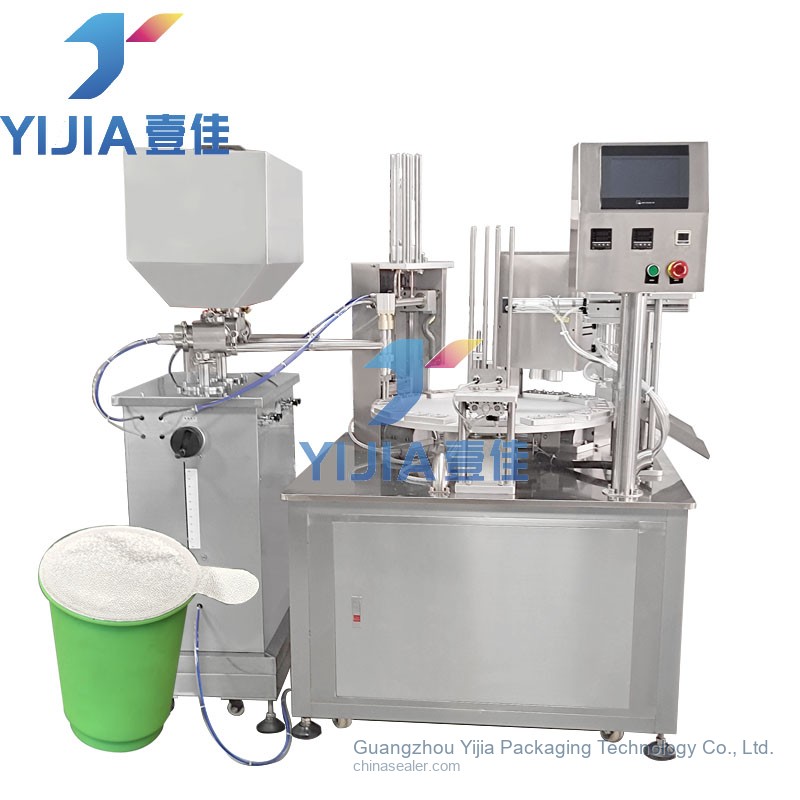 Coffee Capsule Filling and Sealing Machine
Sample and container confirmation; Cup type, cup mouth size, film material, and powder flowability directly affect filling nozzle, sealing mold, and parameter settings; Coff...
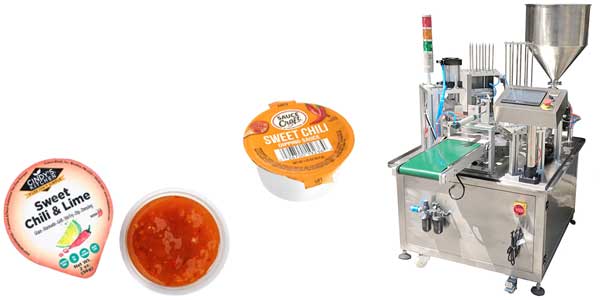 Small Cup Filling and Sealing Machine
Sample and container confirmation; Cup type, cup mouth size, film material, and powder flowability directly affect filling nozzle, sealing mold, and parameter settings; Coffee cu...
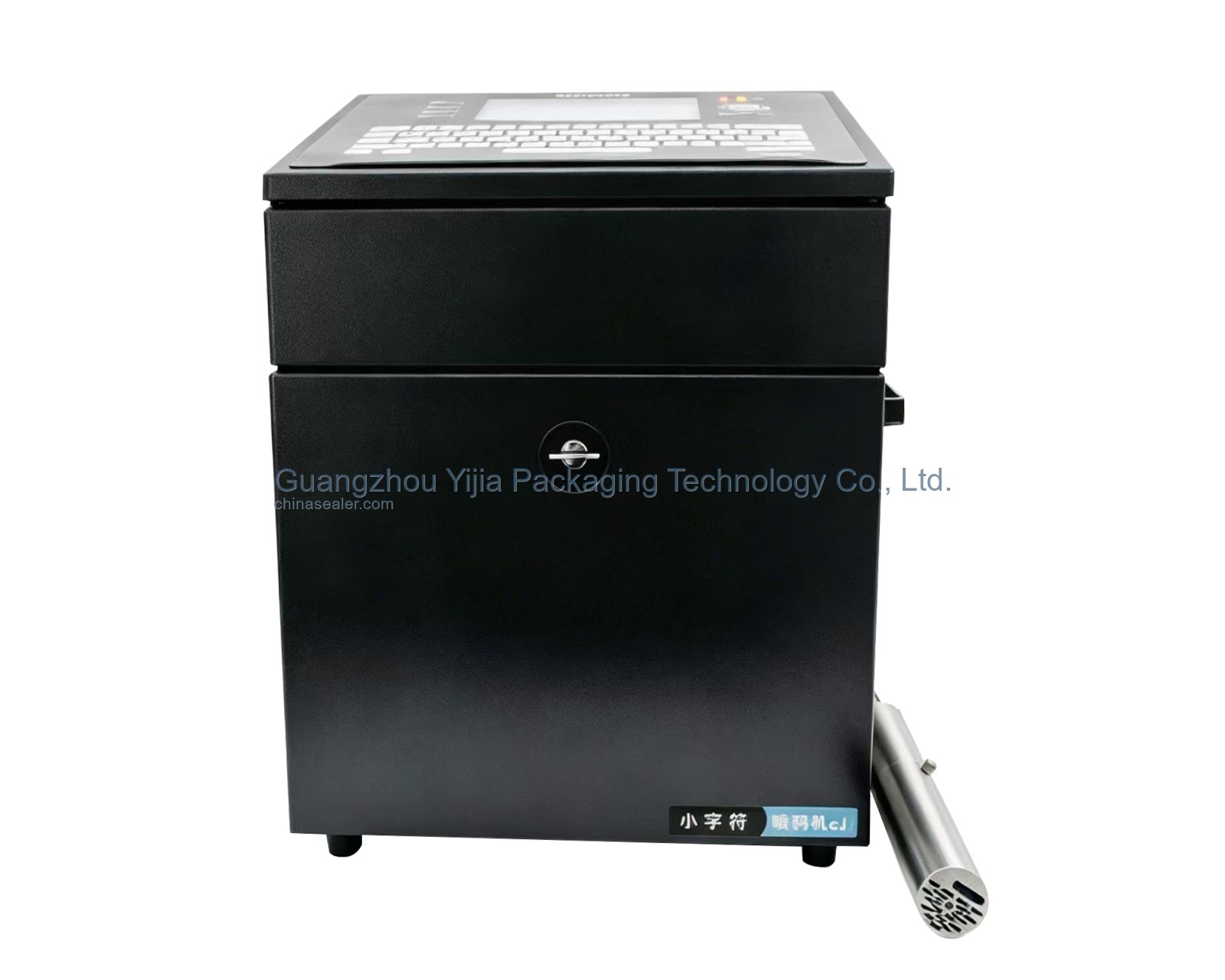 Date & Batch Inkjet Printer
Date coding; Print production date and batch number on cup bottom or side. Confirm coding position and film ink adhesion; Date batch inkjet coder
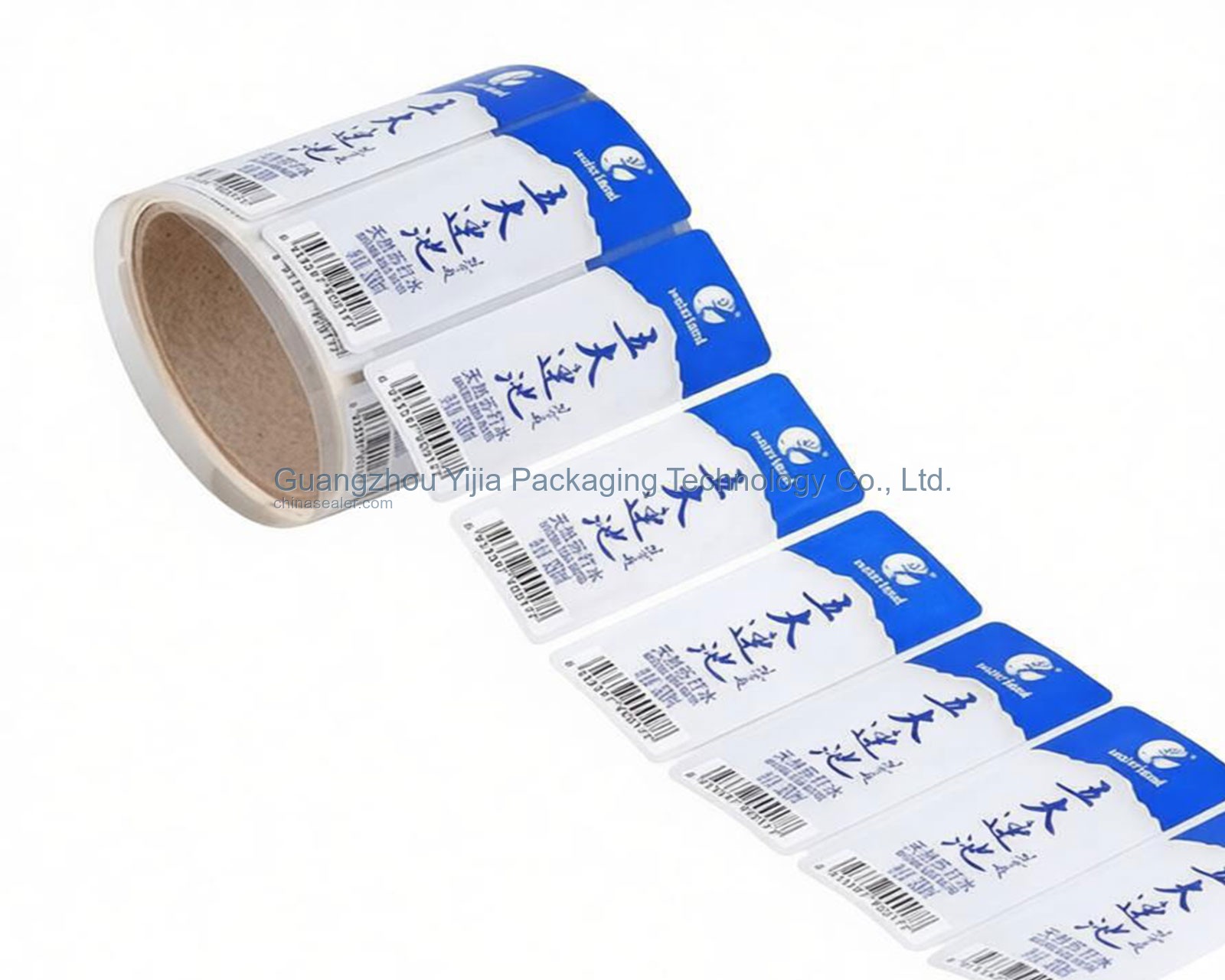 Labels, Inkjet Inks, and Thermal Transfer Ribbons
Date coding; Print production date and batch number on cup bottom or side. Confirm coding position and film ink adhesion; Date batch inkjet coder
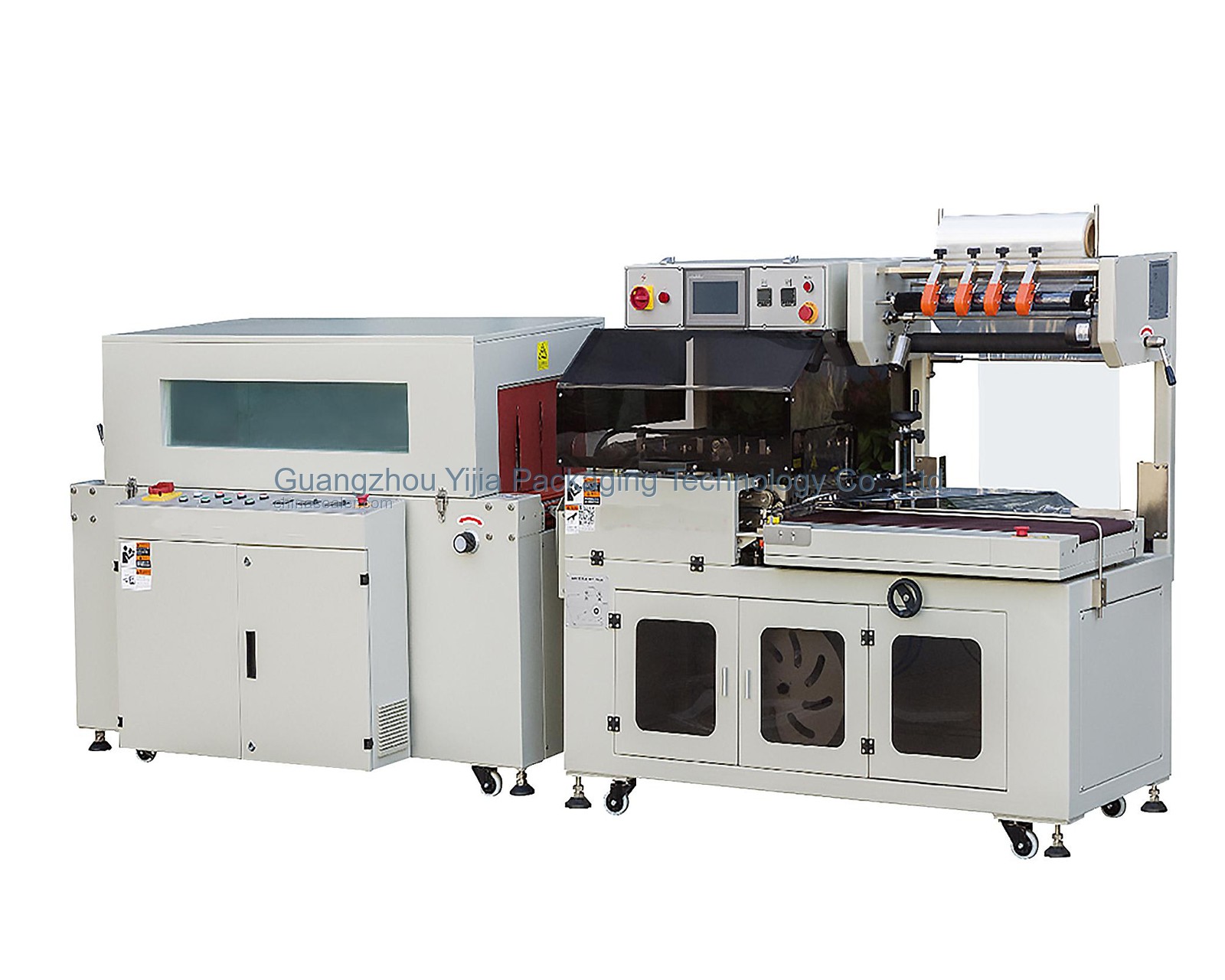 Heat Shrink Sealing and Cutting Wrapping Machine
Post-process inspection and conveying; Conveyor line connects processes; checkweighing ensures stable filling volume, configured as needed; Food-grade conveyor line, i...
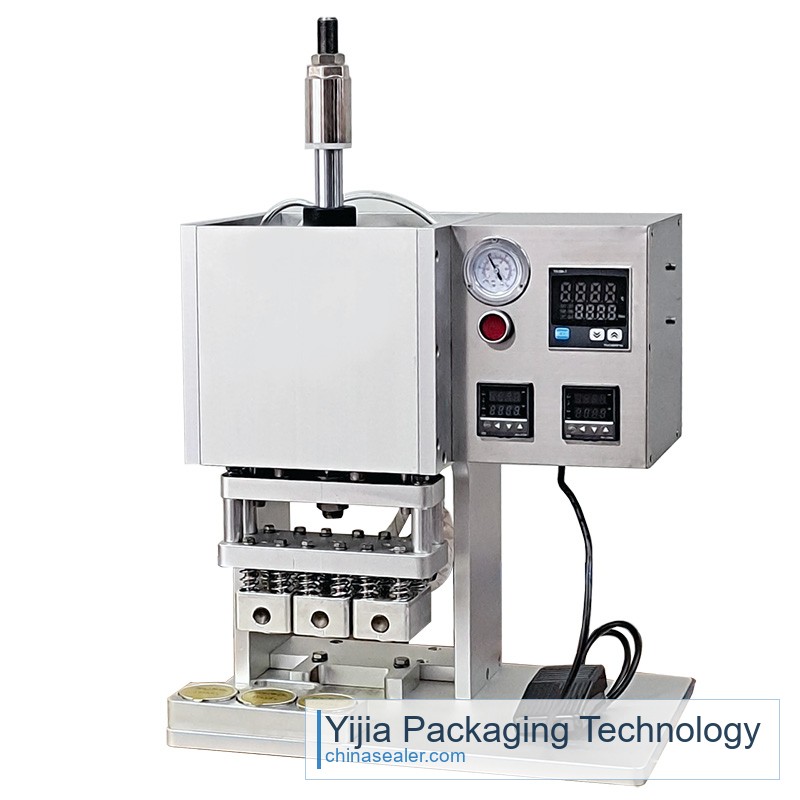 Small-Diameter Cup Sealer SGP-03
Sample and container confirmation; Cup type, cup mouth size, film material, and powder flowability directly affect filling nozzle, sealing mold, and parameter settings; Coffee cup sam...
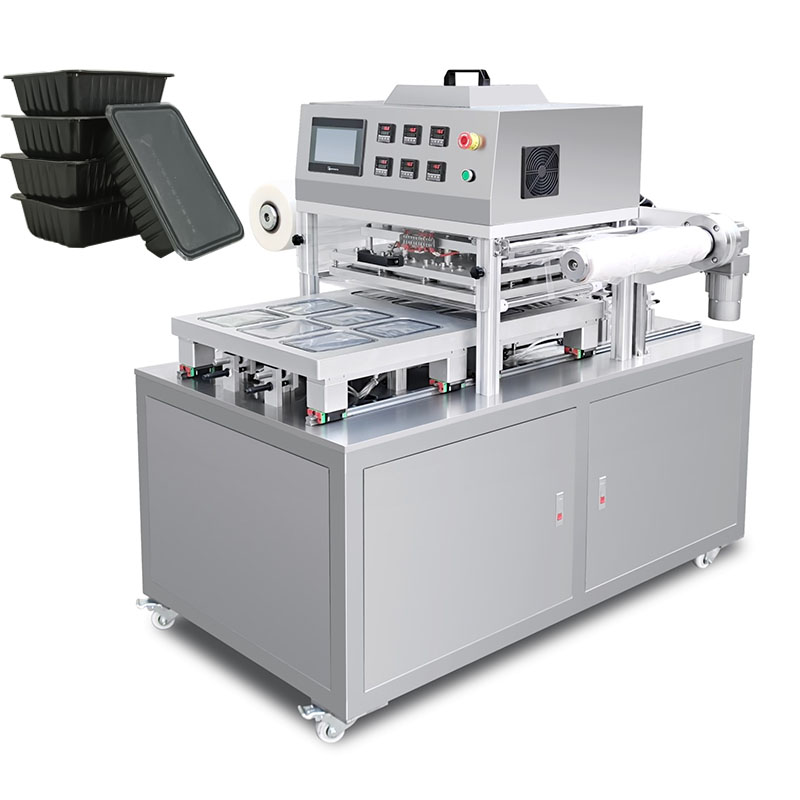 Tray MAP Sealer
Sample and container confirmation; Cup type, cup mouth size, film material, and powder flowability directly affect filling nozzle, sealing mold, and parameter settings; Coffee cup samples, sealing fil...
Sample details
Photos and dimensions can first determine container positioning, mold direction, and whether sample testing is needed.
Please provide coffee cup samples or photos, cup mouth inner and outer diameters, and height. These affect filling nozzle and sealing mold matching.Film material and gasket affect sealing temperature, pressure, dwell time, and feeding method.
Please provide sealing film samples or specify film type (aluminum foil film, easy-tear film, composite film). This determines heat sealing temperature and sealing effect.Target capacity determines single machine, semi-automatic, or continuous inline configuration, and also affects quotation range.
Please describe coffee powder flowability, whether it contains oil, and target filling volume. This affects filling method and accuracy.Target capacity determines single machine, semi-automatic, or continuous inline configuration, and also affects quotation range.
Please inform target capacity (cups per hour) and whether inline production is planned. This determines single machine or automatic line configuration.Inline requirements affect equipment sequence, cycle matching, and post-process inspection method.
If coding position requirements exist, please provide samples or specify. This affects coder installation and ink selection.Target capacity determines single machine, semi-automatic, or continuous inline configuration, and also affects quotation range.
Incomplete information is fine. You can first send existing photos and approximate capacity. We will first determine the route and then supplement the confirmation checklist.Common selection mistakes
Many customers directly ask 'How much is a coffee powder filling and sealing machine?', but cup type, cup mouth size, and film material vary, so molds and parameters are completely different. Without samples, accurate quotation is impossible.
When coffee powder contains oil or clumps, ordinary filling nozzles may clog or measure inaccurately. It is necessary to confirm whether stirring or special filling structure is needed.
Aluminum foil film, easy-tear film, and composite film have different heat sealing temperatures and pressures. Using the wrong film may cause weak sealing or difficulty opening.
When coding on film, ink adhesion must be tested, otherwise the date may fall off. Cup bottom coding requires consideration of conveying positioning.
Different cup types require changing molds, filling nozzles, and sealing heads. Changeover time and cost should be evaluated during selection.
If cup type, film material, or powder vary greatly, one line may not handle all. It is recommended to determine the main specification first.
Common questions
The price depends on cup type, film material, filling accuracy, production capacity, and whether it is inline. We recommend providing samples and target capacity first, and we will quote based on actual configuration.
Common capacity for small cup filling and sealing machines is about 600-1200 cups/hour, depending on cup type, number of stations, and automation level.
We can estimate the direction first, but a formal quotation requires cup samples or dimensional drawings, because molds and filling nozzles must be customized to the actual cup type.
We can provide small cup sealing film consumables and inkjet coding ink and ribbons, but we recommend testing compatibility with samples first.
Powder containing oil needs evaluation of filling nozzle structure and whether heating or stirring is required. We recommend sending samples for testing.
Yes, we can reserve conveying interfaces and space in the early stage, and add bottle unscrambling, automatic feeding, checkweighing, and inkjet coding inline later.