Solution topic
Paper Can Film Sealing, Press Capping and Labeling: First Distinguish Inner Seal and Outer Cap Processes
Determine heat sealing, press capping, induction sealing, and labeling processes based on the paper can rim, aluminum foil film or liner, inner and outer cap structure, and label p
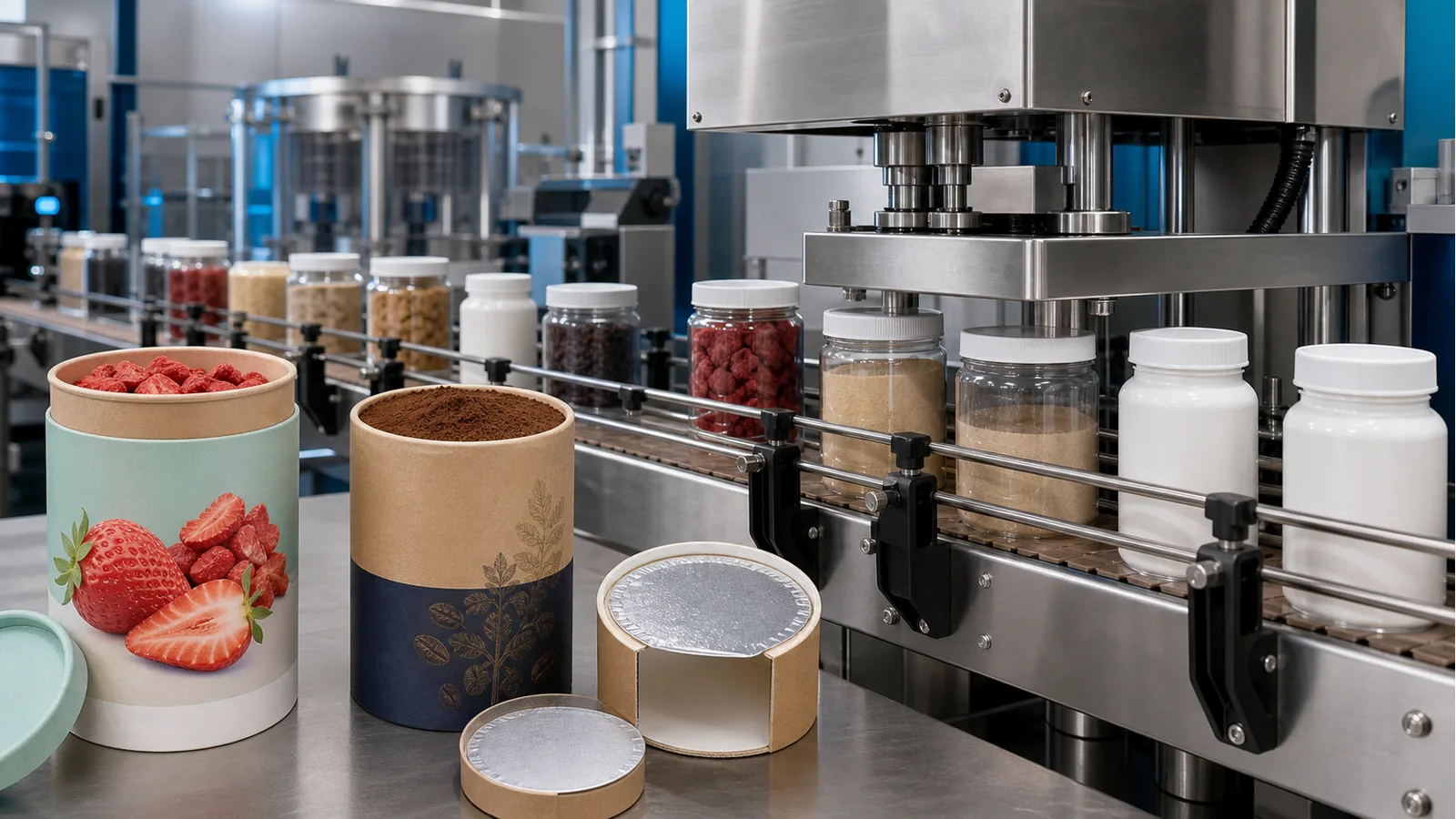
- Paper cans and composite cans can use heat-seal film, aluminum foil liner inside the cap, or direct press-on caps; these three cannot be treated as the same equipment. For selection, provide the can mouth, film sample, inner and outer caps, label samples, filled state, and planned line integration method.
Solution summary prepared for you
- For paper cans with directly placed aluminum foil film and pressed outer cap, the paper can/plastic pail aluminum foil film sealing and cap pressing machine can be used for a complete can, film, and cap trial.
- For paper cans with an aluminum foil liner inside the cap, the cap must be closed first, then evaluate the benchtop air-cooled induction foil sealing machine.
- After the paper can inner seal and outer cap are stable, connect labeling, batch coding, and food-grade conveyor lines according to the can body surface, finished product orientation, and actual cycle time.
Route comparison
- Packaging where the paper can mouth is first directly heat-sealed with aluminum foil film, followed by pressing a plastic or metal outer cap.
- Direct film sealing and cap pressing are integrated in one machine, allowing separate inspection of the inner seal film and outer cap completion.
- The can mouth, film heat seal layer, film feeding, and cap pressing action must all match the equipment configuration.
- When the aluminum foil is inside the cap, or the outer cap requires screwing or other non-pressing actions, split the process according to the actual structure.
- Use the paper can/plastic pail aluminum foil film sealing and cap pressing machine with filled cans, direct film, and outer cap for a complete trial, then proceed to the marking station.
- Can packaging where an aluminum foil liner is pre-installed inside the cap and non-contact inner sealing is completed after the cap is closed.
- The cap liner enters production with the cap, so there is no need to place aluminum foil sheets separately on the can mouth.
- The capping equipment is not part of the induction machine's function. Continuous operation conditions and post-sealing condition must be verified after the previous cap closure step is stable.
- Induction is not used when there is no matching aluminum foil liner inside the cap, the paper can material is unsuitable, or the cap is not pressed against the can mouth.
- After cap closure, use the benchtop air-cooled induction foil sealing machine and conduct physical tests based on the paper can material, can mouth, liner, and passing dimensions.
- Projects where the packaging standard only requires an outer cap closure matching the cap type, and the can body label and batch number are handled later.
- After the outer cap is closed, can body labeling, batch coding, and conveying can be organized independently based on the finished product orientation.
- This route does not include inner sealing, and labeling or conveying equipment cannot replace the cap closing equipment.
- If the product also requires an aluminum foil inner seal, first complete direct heat-seal film or cap liner induction sealing, then proceed to the labeling process.
- The outer cap closing equipment should be confirmed separately based on the cap type. The finished product can be trialed on the round/square bottle labeling machine and date/batch coding machine; the food-grade conveyor line is evaluate...
Associated Equipment / Consumables
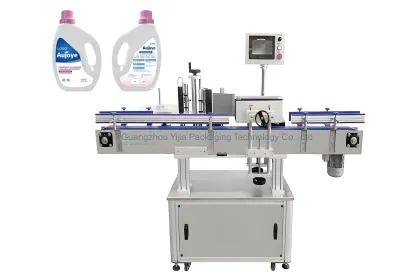 Round-Bottle and Front/Back Labelling Machine
The machine labels round containers by wraparound and square or flat containers on one or two panels, with optional coding, vision and rejection. Round rotation, square-bottle stabilisation and oriented irregular pack...
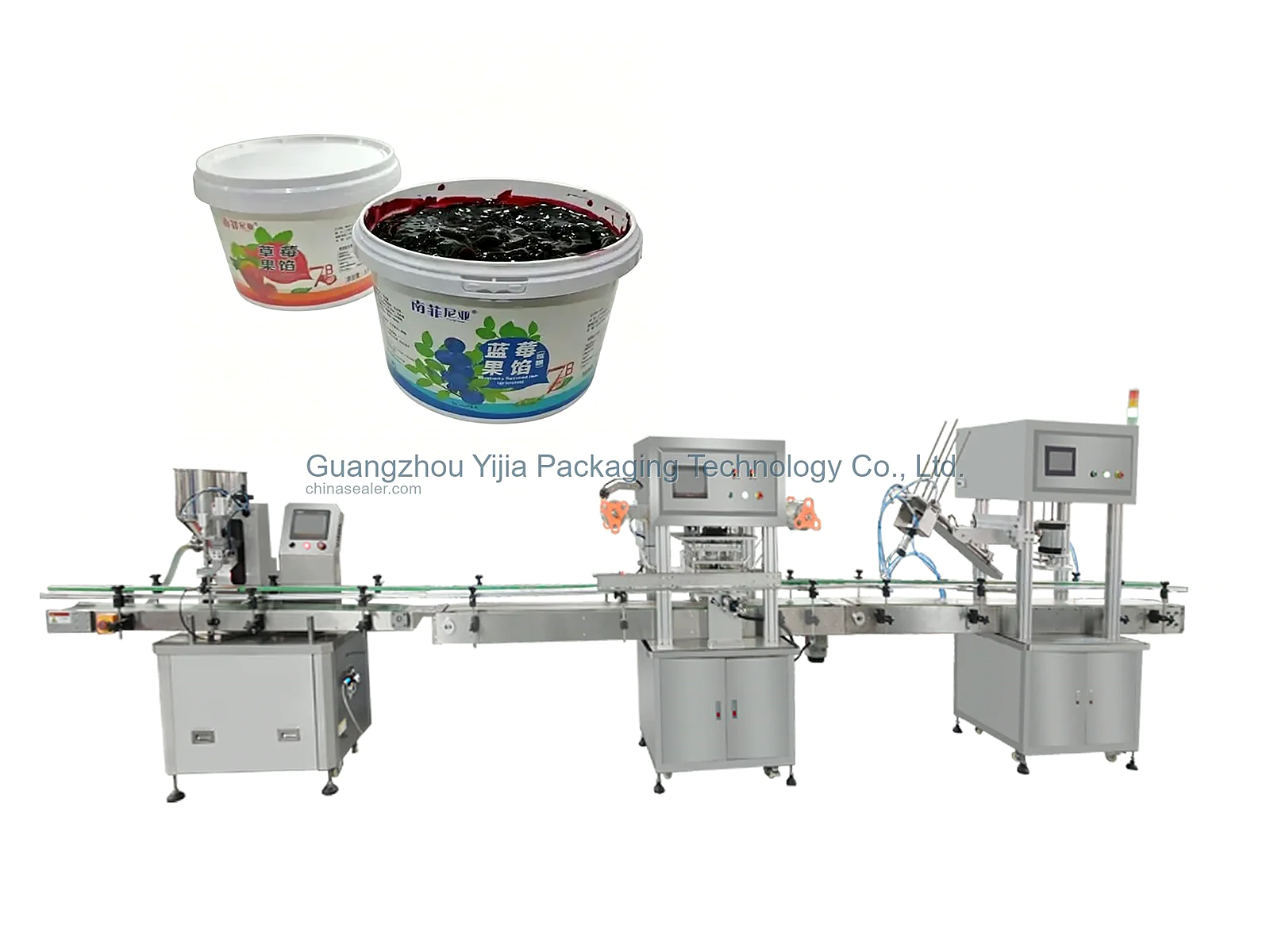 Paper Can and Plastic Pail Foil Heat Sealing and Capping Machine
Labeling, coding, and conveying; Only after the paper can specification and front-end discharge orientation are stable, connect conveying and marking s...
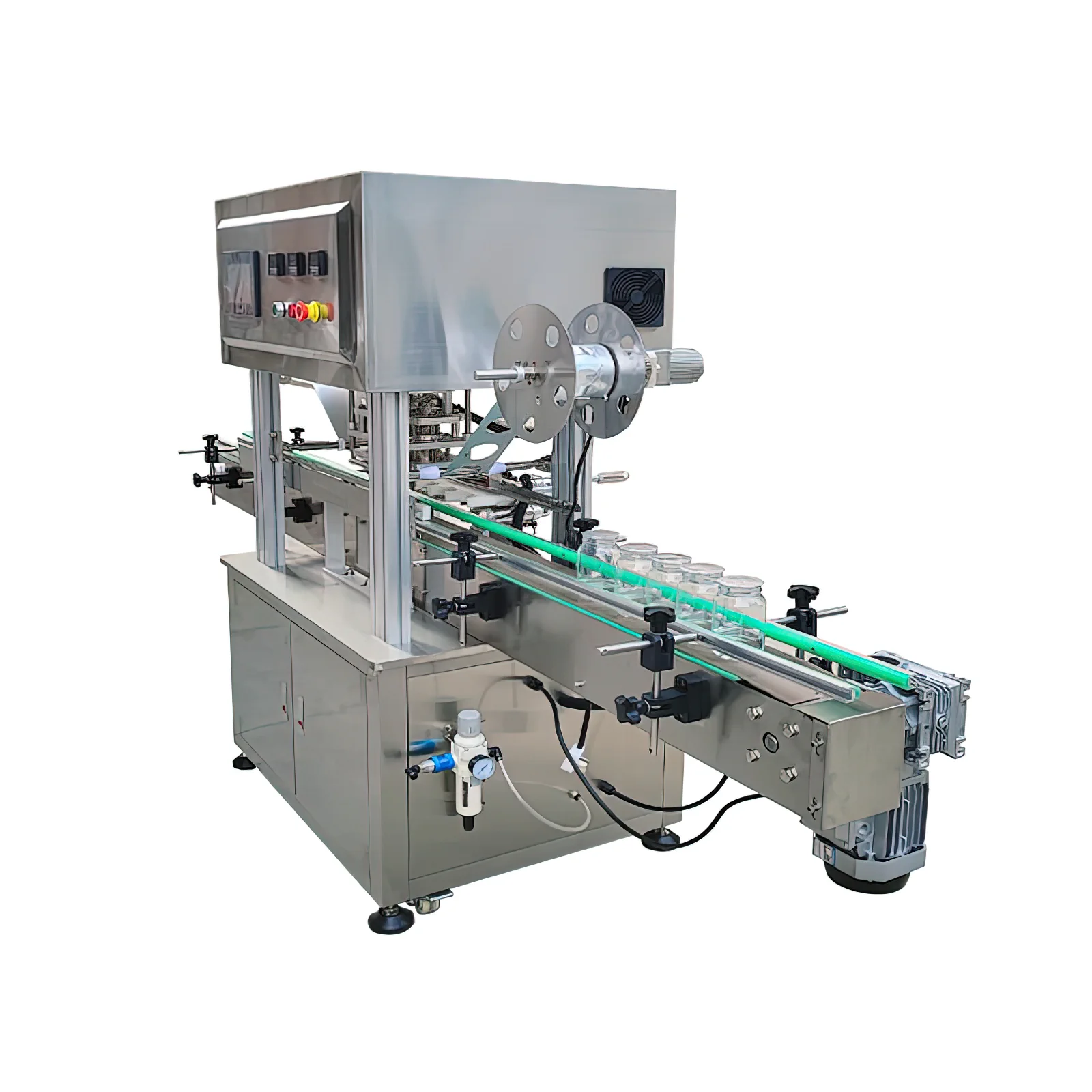 Inline Heat-Press Bottle Sealing Machine
Identify inner seal and outer cap; The film position determines heat sealing or induction, and the cap closing method determines whether the capping action can handle it; Pape...
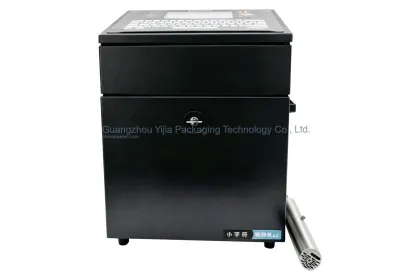 Date & Batch Inkjet Printer
Labeling, coding, and conveying; Only after the paper can specification and front-end discharge orientation are stable, connect conveying and marking stations according to the measured cyc...
Core process
First separate and label the inner seal and outer cap. Confirm whether the aluminum foil is placed directly on the can mouth or pre-installed inside the cap, and whether the outer cap is pressed or uses another closing action.
When film is placed directly on the can mouth and the outer cap is pressed after sealing, use the paper can/plastic pail aluminum foil film sealing and cap pressing machine for the complete trial.
When the aluminum foil liner is inside the cap, first close the cap according to its structure, then use the benchtop air-cooled induction foil sealing machine to verify the seal between the liner and the can mouth.
After the inner seal and outer cap processes are complete, arrange labeling, date coding, and continuous conveying according to the can body surface and traceability requirements.
Filled paper cans and empty cans may differ in center of gravity, surface cleanliness, and conveying performance. During the trial, observe both the sealing contact surface and the can body labeling area.
When submitting information, draw the sequence of filling, inner sealing, outer cap, labeling, and coding separately. Do not treat a cap name as a complete sealing process.
Sample details
Close-up photos of the opening and cross-section diagrams can show the rim, inner sealing material, and cap closure relationship.
Physical paper can, can mouth dimensions, and photos after fillingLabel direct film and cap liner separately to avoid mixing the two aluminum foil materials in the same feeding description.
Production film, liner material, and heat seal layer descriptionThe physical cap is used to determine pressing, screwing, or other closing actions, and to check cap height and dimensional tolerances.
Inner cap, outer cap, and finished product sample after closureThe label roll should indicate the dispensing direction, and the layout drawing should note the can body front, seam, and batch code avoidance area.
Label sample, application position, and coding contentExplain whether continuous labeling, manual sampling, and available on-site length are needed after sealing and capping, so equipment order can be arranged.
Target cycle time, process sequence, conveying height, and site layoutCommon selection mistakes
When the aluminum foil is on the can mouth versus inside the cap, the feeding sequence and sealing mechanism are different.
The paper can/plastic pail aluminum foil film sealing and cap pressing machine is designed for the combination of direct film sealing followed by pressing an outer cap. It is not equivalent to closing any cap type.
Before the induction station starts, the liner inside the cap must already be pressed against the can mouth by the cap.
Paper can seams, taper, and surface coatings change label positioning and adhesion performance.
If the discharge orientation of the capped product is still being adjusted, fixing the food-grade conveyor too early will cause repeated changes in labeling and coding positions.
View detailed technical notes
First Separate the Two Closure Layers
Paper can packaging often mentions film sealing and press capping together, but the inner seal material and the outer cap serve two different functions. First confirm whether the aluminum foil is placed at the can mouth or inside the cap, then confirm whether the outer cap is pressed in or screwed on, so that the equipment sequence is not reversed.
Seal the Can Mouth Film First, Then Press the Outer Cap
When the direct film is placed at the can mouth, the paper can/plastic pail aluminum foil film sealing and press capping machine can first complete heat sealing as the inner seal, then proceed to press the outer cap. For trials, bring the filled paper can, production film, and inner and outer caps together, and inspect the film surface and cap placement separately.
Liner Inside Cap: Close Cap First, Then Induction Seal
If the aluminum foil liner is pre-installed inside the cap, the production sequence changes to first closing the cap, then using a bench-top air-cooled induction foil sealing machine. The induction equipment is only responsible for sealing the liner to the can mouth, not for cap feeding or cap closing.
Only Outer Cap: Confirm Closing Equipment Separately
Some paper cans only require an outer cap without an inner seal. In this case, the closing equipment should be confirmed separately based on the cap type (press-on, threaded, or other). Do not apply a film sealing and press capping machine just because the name includes 'press capping'. After capping, the finished product moves to labeling and coding.
Labeling Based on the Capped Finished Product
The round/square bottle labeling machine should be tested with finished paper cans after capping. The can body taper, longitudinal seam, surface coating, label adhesive, and the front of the finished product will together affect positioning and adhesion. The batch number position should also avoid label seams and cap edges.
Coding and Conveying After Capping
The date/batch coding machine can be arranged after sealing and capping, and tested according to the finished product reading surface. The food-grade conveyor line should be connected only after the paper can specifications, discharge posture, and actual cycle times at each station are stable, to avoid transferring upstream adjustments downstream.
Check Each Station's Responsibility
Trial records should be organized by process step: first check the rim cleanliness after filling, then the inner seal film, outer cap, label, and batch number. This way, when wrinkles, misaligned caps, or skewed labels are found, you can trace back to the corresponding station.
Communicate with Physical Samples and Process Drawings
Prepare paper cans, filled samples, film or cap liners, inner and outer caps, labels, batch number artwork, and site drawings, and draw the actual sequence. Starting the discussion from the packaging structure makes it easier to determine which equipment needs trials.
Common questions
How to distinguish between direct film sealing and a liner inside the cap?
Look at where the aluminum foil is located. If a single film sits directly on the can mouth, use heat sealing for a trial seal. If the foil liner is inside the cap, close the cap first, then evaluate induction sealing.
Which packaging materials should be brought for the trial run of the film sealing and cap pressing machine?
Paper cans, aluminum foil film, and outer caps need to be provided as a set of samples. Check the sealed film surface after heat sealing and the seating and opening condition after cap pressing separately.
Can an air-cooled induction sealing machine also press the cap on?
No. The induction sealing machine only handles a matching aluminum foil liner that has been pressed against the can mouth by the cap. Capping and closing are still the previous process step.
How to handle the outer cap when no inner seal is done?
The cap closing method must be identified separately and the appropriate equipment selected. Having an outer cap alone does not mean the film sealing and cap pressing combination can be used, and a physical test with the actual cap type cannot be skipped.
Is measuring only the label size enough for paper can labeling?
First check whether the can body has taper, seams, or coatings, then use production labels to test positioning, adhesion, and roll direction. The front of the finished product after capping should also be determined.
When is it suitable to link sealing, capping, and labeling in one line?
In the front section, first stably output capped finished products, then measure the actual spacing and cycle time of each station. If specification changes are frequent, you can keep station-by-station operation before deciding on continuous conveying.