Solution topic
How to Choose Coffee Powder Can Filling, Aluminum Foil Sealing and Labeling? Start With Can Type, Powder Flowability and Sealing Method
For coffee powder can filling, aluminum foil sealing, and labeling, first confirm the container, powder condition, sealing material, lid type, output, and on-site line integration needs. The equipment route may include powder filling, aluminum foil sealing by heat pressing or induction, and labeling. Sample photos, dimensions, and target output help match equipment and prepare an accurate quote.
- Coffee powder can filling is not only about choosing a filling machine. First confirm can type, can-mouth diameter, powder flowability, whether aluminum foil sealing is needed, label position, and target output; then decide the filling, sealing, and labeling route.
- How to Choose Coffee Powder Can Filling, Foil Sealing and Labeling
Real customer problem
I want to fill coffee powder into cans and need filling, sealing, and labeling, but I do not know where to start with equipment selection.
First determine the packaging route
Coffee powder can filling is not only about choosing a filling machine. First confirm can type, can-mouth diameter, powder flowability, whether aluminum foil sealing is needed, label position, and target output; then decide the filling, sealing, and labeling route.
Auger Filling + Heat-press Aluminum Foil Sealing + Labeling
Suitable for: coffee powder, milk powder, and similar powders packed in flat-mouth metal or plastic cans, where aluminum foil film is heat-sealed directly to the can mouth. Advantages: auger filling provides stable dosing, and heat-press sealing closes the can directly without screw capping, making it suitable for products with high moisture-protection requirements. Limitations: can-mouth flatness and film compatibility must be confirmed, and powder flowability will affect filling accuracy. Not recommended when: the can mouth has threads or requires screw capping before induction sealing; this route is not suitable. Equipment direction: use powder or granule filling with an inline bottle heat-press sealer, followed by round or square bottle labeling when needed.
Auger Filling + Capping + Induction Aluminum Foil Sealing + Labeling
Suitable for: canned coffee powder that needs screw-cap sealing, with an aluminum foil liner inside the cap, commonly used for plastic jars or glass jars. Advantages: induction sealing after capping provides double protection, improving moisture resistance and tamper evidence. Limitations: confirm whether the cap has an aluminum foil liner; induction sealing also depends on can-mouth flatness and container material. Not recommended when: the container cannot be screw capped or the cap has no aluminum foil liner. Equipment direction: use powder or granule filling, automatic capping, inline induction foil sealing, and round or square bottle labeling according to the required line layout.
Auger Filling + Can Seaming (Double Seaming) + Labeling
Suitable for: coffee powder in metal cans where the lid is closed by can seaming, often used for instant coffee or gift cans. Advantages: can seaming gives strong sealing performance and suits long storage and transport. Limitations: lid and can body dimensions must match, and the seaming rollers and can support plate need to be configured by can type. Not recommended when: the container is plastic or paper; heat-press sealing or induction sealing should be evaluated instead. Equipment direction: use powder or granule filling, can seaming, and labeling according to the can structure and output target.
Recommended equipment route: powder filling
Coffee powder is a powder product. Auger filling helps control dosing accuracy and is suitable for can packaging.
Recommended equipment route: Aluminum foil sealing (heat sealing or induction)
Choose heat-press sealing or induction sealing according to the can-mouth structure and sealing material, then confirm moisture-proof sealing performance.
Recommended equipment route: Labeling
Canned coffee powder usually needs labels for branding and ingredients. Round or square bottle labeling machines can handle common can types.
Route comparison
- Suitable for coffee powder, milk powder, and similar powders in flat-mouth metal or plastic cans where aluminum foil film is heat sealed directly onto the can mouth.
- Auger filling provides stable metering, and heat-press sealing directly seals the can without screw capping. It suits products with high moisture-protection requirements.
- Can-mouth flatness and film compatibility must be confirmed. Powder flowability affects filling accuracy.
- If the can mouth has threads or requires screw capping followed by induction sealing, this route is not suitable.
- Recommended equipment direction: a powder or granule filling machine can work with an inline bottle heat press sealer and then connect to a round or square bottle labeling machine.
- Suitable for canned coffee powder that needs screw-cap sealing and has an aluminum foil liner inside the cap, commonly used with plastic or glass jars.
- After capping, induction sealing provides double sealing, with good moisture protection and tamper-evidence.
- Confirm whether the cap contains an aluminum foil liner. Induction sealing requires suitable can-mouth flatness and material.
- If the can cannot be screw capped or the cap has no aluminum foil liner, the induction sealing route is not recommended.
- Recommended equipment direction: a powder or granule filling machine, automatic capping machine, inline induction foil sealer, and round or square bottle labeling machine can be combined.
- Suitable for coffee powder in metal cans where the lid is seam sealed, often used for instant coffee or gift cans.
- Can seaming provides high sealing strength and is suitable for long storage and transport.
- Can body and lid dimensions must match. Seaming rollers and the can support plate need to be configured according to the can type.
- If the container is plastic or paper, seaming may not be suitable. Heat pressing or induction sealing should be evaluated instead.
- Recommended equipment direction: a powder or granule filling machine, can seamer, and round or square bottle labeling machine can be combined.
Core process
Associated Equipment / Consumables
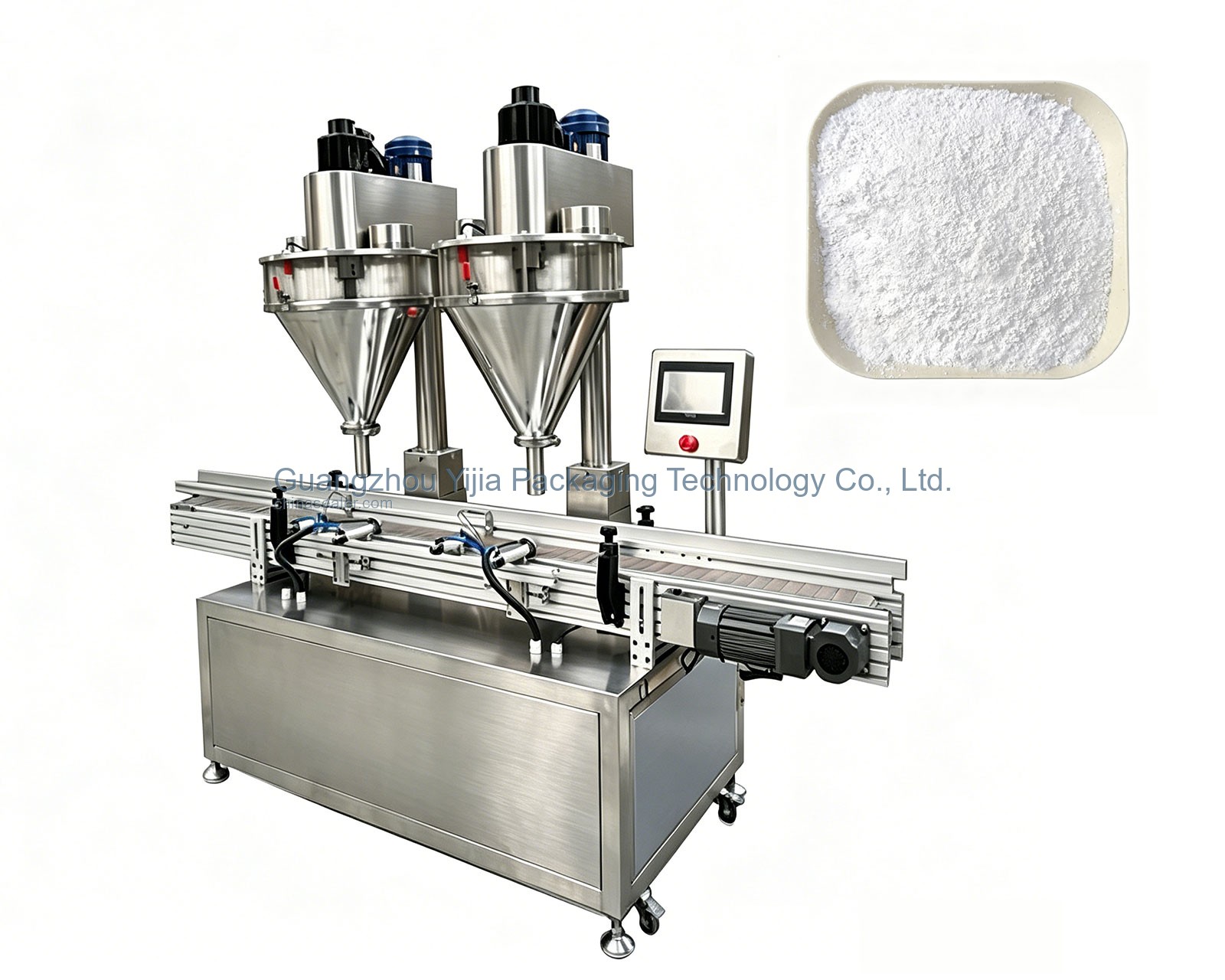 Powder & Granule Filling Machine
Aluminum foil sealing (heat sealing or induction); Choose heat-press sealing or induction sealing according to the can-mouth structure and sealing material, then confirm moisture-proo...
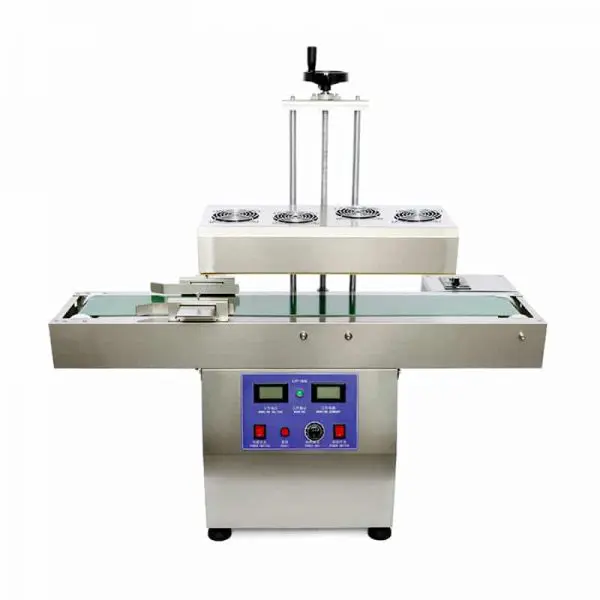 Inline Induction Foil Sealer
Aluminum foil sealing (heat sealing or induction); Choose heat-press sealing or induction sealing according to the can-mouth structure and sealing material, then confirm moisture-proof se...
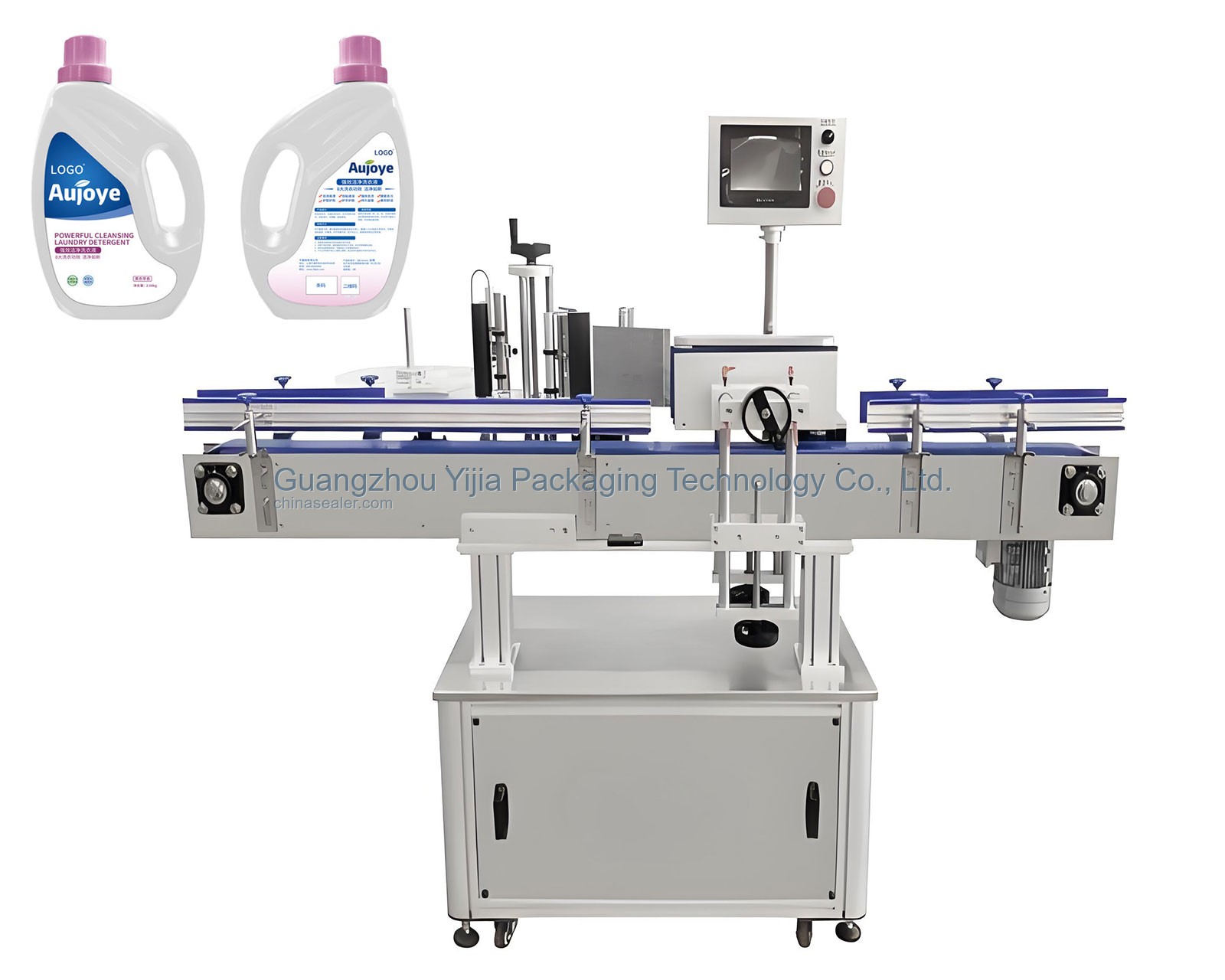 Round & Square Bottle Labeling Machine
Labeling; Canned coffee powder usually needs labels for branding and ingredients. Round or square bottle labeling machines can handle common can types; Round and Square Bottle L...
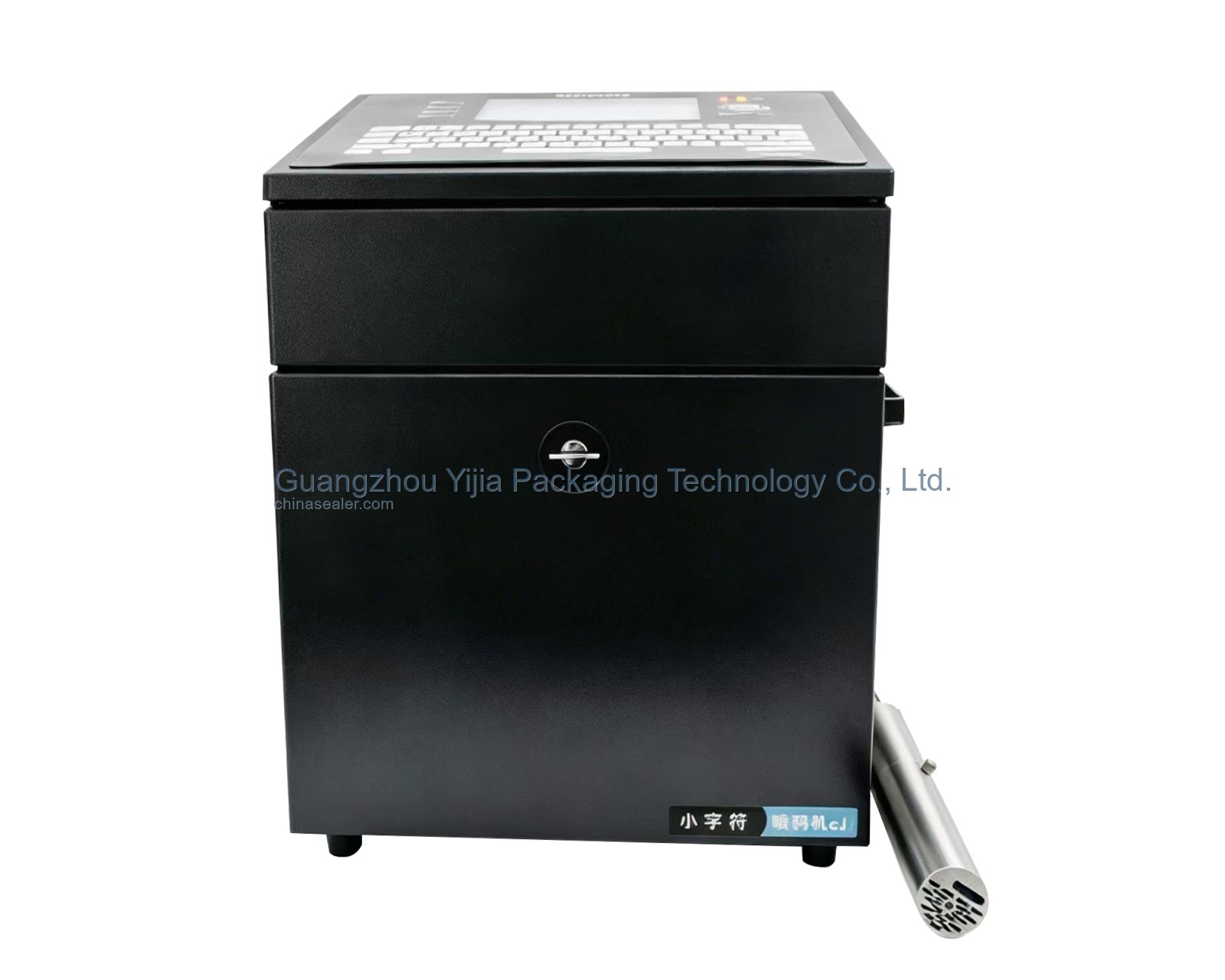 Date & Batch Inkjet Printer
Labeling; Canned coffee powder usually needs labels for branding and ingredients. Round or square bottle labeling machines can handle common can types; Round and Square Bottle Labeling Mac...
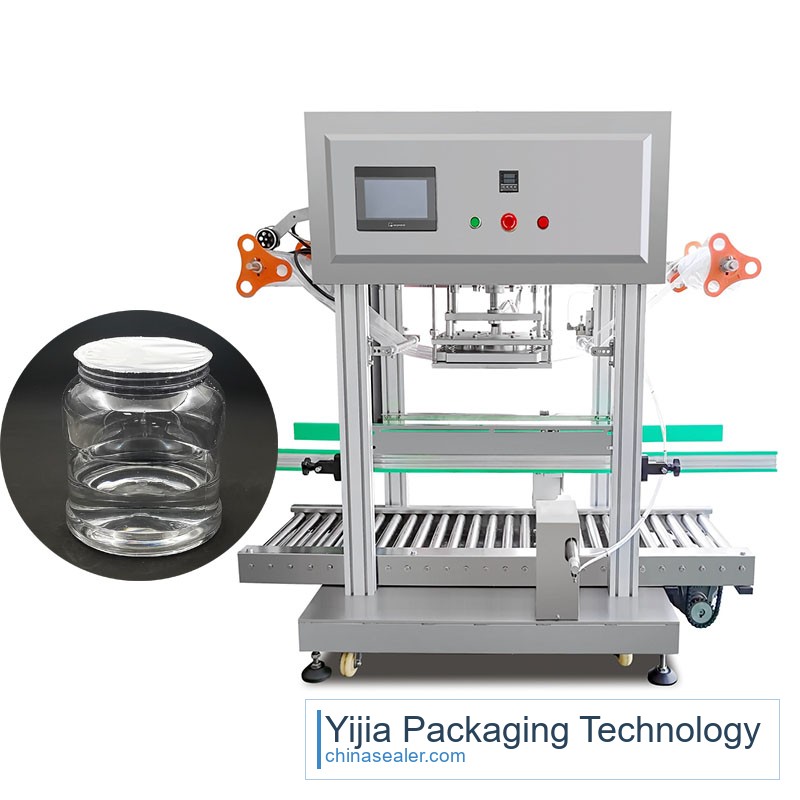 Bottle Inline Heat Press Sealer
Container and Packaging Material Confirmation; For coffee powder, metal cans, plastic cans, wide-mouth jars, narrow-mouth jars, and coffee capsules, confirm the can mouth, film materia...
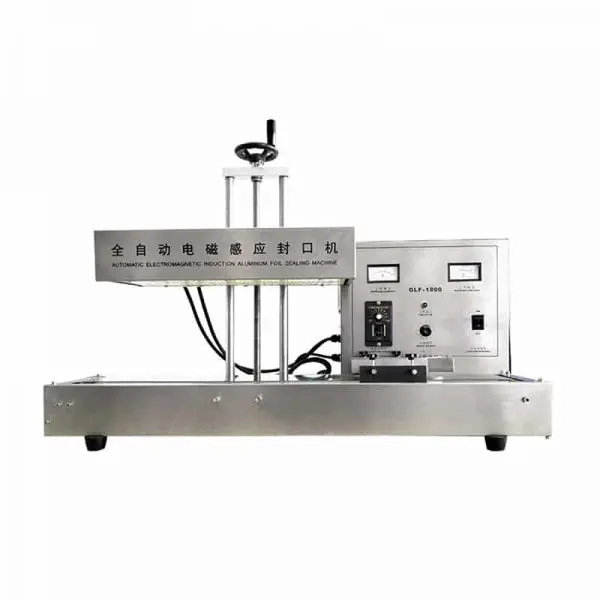 Benchtop Air-Cooled Induction Aluminum Foil Sealer
Aluminum foil sealing (heat sealing or induction); Choose heat-press sealing or induction sealing according to the can-mouth structure and sealing material, then con...
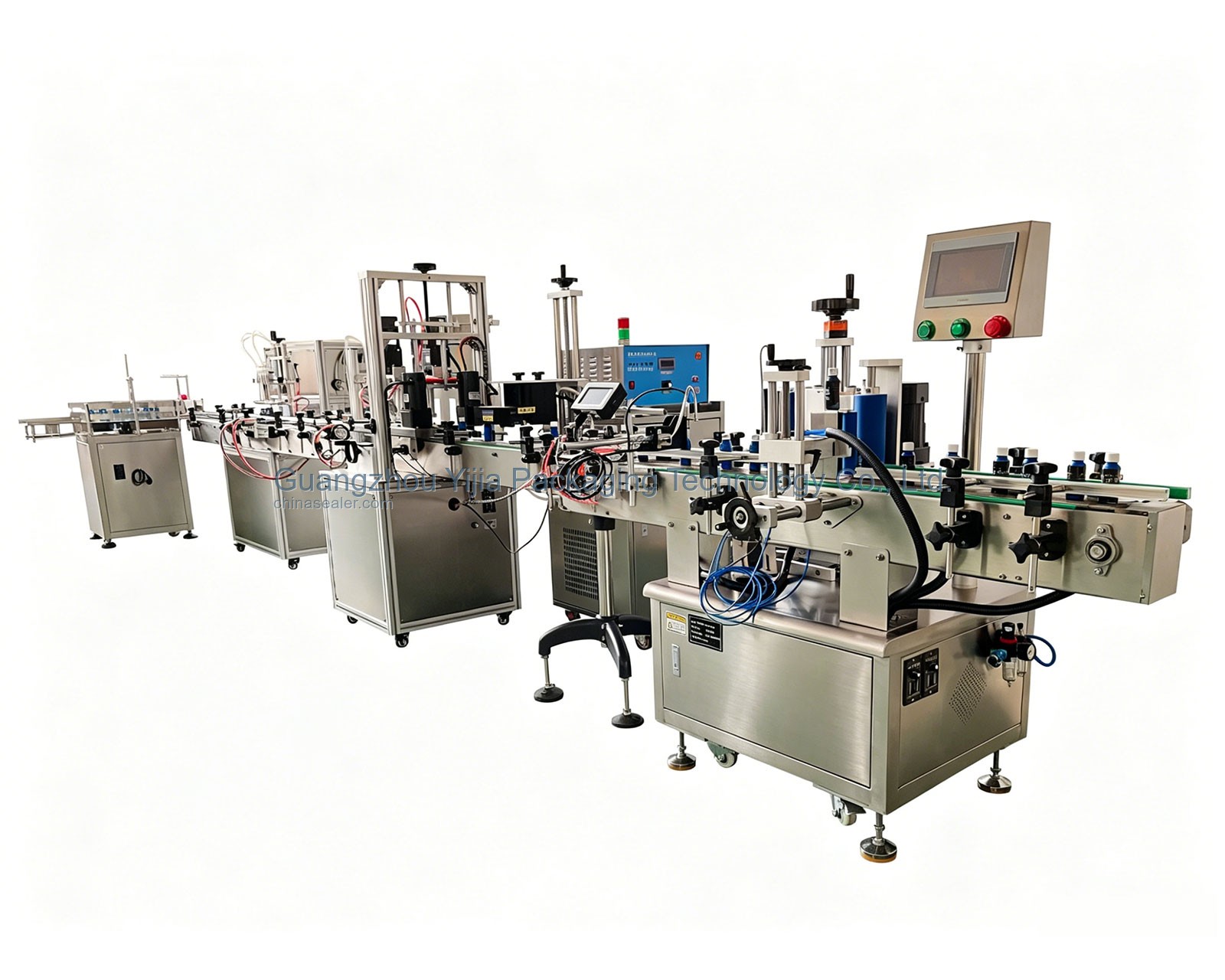 Automatic Feeding Conveying Sealing Line
Aluminum foil sealing (heat sealing or induction); Choose heat-press sealing or induction sealing according to the can-mouth structure and sealing material, then confirm moist...
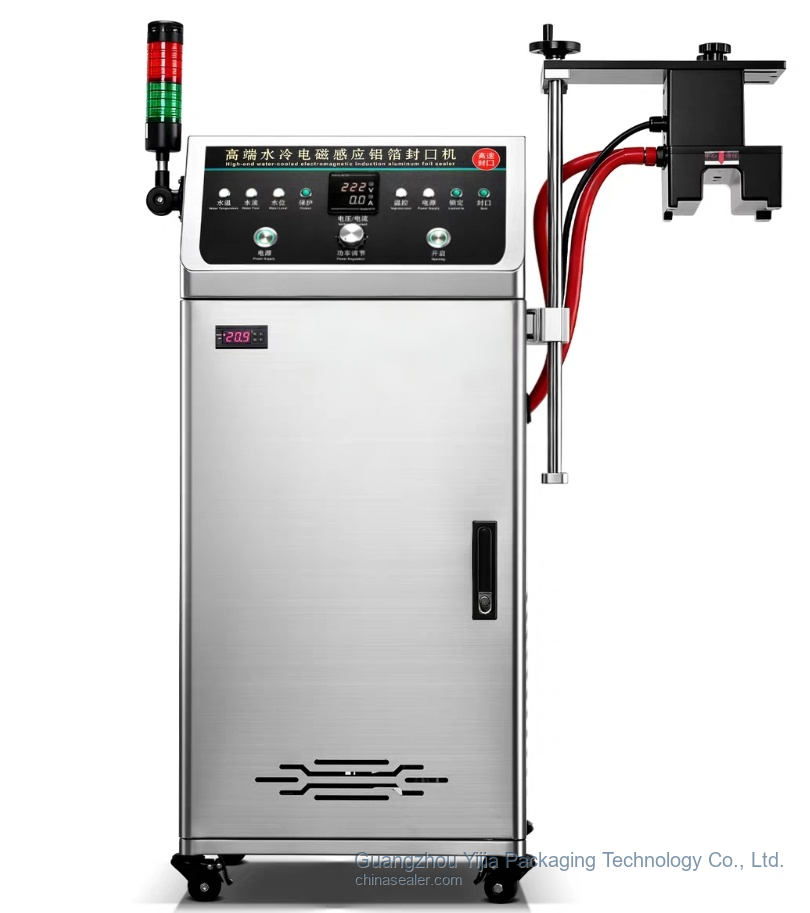 Induction Aluminum Foil Sealing Machine
Aluminum foil sealing (heat sealing or induction); Choose heat-press sealing or induction sealing according to the can-mouth structure and sealing material, then confirm moistu...
Sample details
Photos and dimensions can first determine container positioning, mold direction, and whether sample testing is needed.
Please provide a coffee powder sample or describe the powder condition, such as whether it cakes easily and how it flows. This affects the filling and metering method.Inline requirements affect equipment sequence, cycle time matching, and downstream inspection methods.
Please provide empty-can samples or photos, can-mouth diameter, height, and material so sealing tooling and label positioning can be confirmed.Capacity target determines single machine, semi-automatic, or continuous inline configuration, and also affects the quotation range.
Please specify target output, such as cans per hour, and whether line production is required. This determines standalone equipment or full-line configuration.Film material and liner affect sealing temperature, pressure, dwell time, and feeding method.
If sealing film or aluminum foil liners are already available, please provide samples for sealing temperature and pressure tests.Photos and dimensions can first determine container positioning, mold direction, and whether sample testing is needed.
If information is incomplete, send available photos and dimensions first. We will judge the route and then provide a confirmation checklist.Common selection mistakes
Common questions
The price depends on filling accuracy, sealing method, output, and whether the machines need to be connected into a line. Samples and key parameters are needed before a reliable quotation can be prepared.
Yes. Bench-top or semi-automatic machines can be used for sampling and small batches, and the configuration can be upgraded later when orders become stable.
Photos and dimensions can be used for an initial direction, but formal quotation and testing are best confirmed with real cans, lids, film, and product samples.
No. They must match the can-mouth size, container material, and sealing requirement. Film or liner samples are recommended for sealing tests.
For heat-press sealing, confirm film material and temperature. For induction sealing, confirm the liner and cap torque. A sealing test is recommended before final configuration.
Yes. A complete line can be configured, but each section must be matched by takt time, conveyor height, and available floor space.