Solution topic
Small-dose liquids such as essential oils and reagents: pump type selection depends on viscosity and bottle mouth
Small-dose liquids such as essential oils, reagents, and disinfectants require selection of magnetic pump or servo piston filling and downstream sealing based on viscosity, foaming
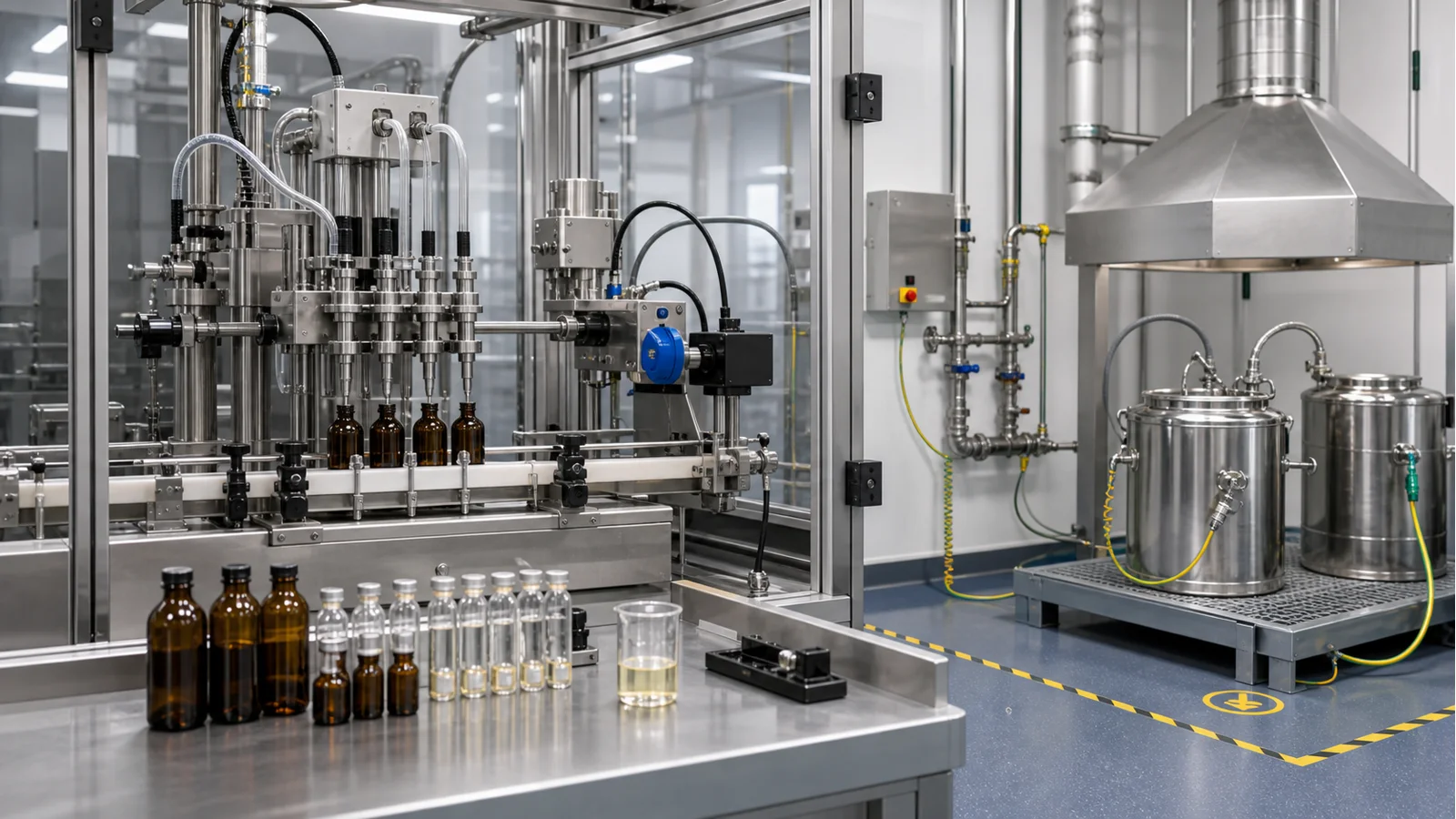
- Low-viscosity liquids can be evaluated with a magnetic pump; medium-viscosity or volume-controlled materials can be evaluated with a servo piston. Small-mouth bottles also require handling of drips and nozzle adaptation. Provide liquid, cap samples, fill volume range, foaming/particle conditions, capacity, and sealing requirements.
Solution summary prepared for you
- For small-dose liquids such as essential oils and reagents, first look at viscosity, foam, particles, and bottle mouth. Low viscosity can evaluate magnetic drive pump; medium viscosity or volumetric control can evaluate servo piston.
- For small bottle mouths or liquids prone to dripping, use actual samples to match the anti-drip and anti-stringing filling nozzle assembly, and observe start/stop and bottle mouth condition after withdrawal.
- Screw caps use automatic screw capping machine; exposed rims with direct film sealing use inline heat sealing machine for bottles; the two sealing structures cannot be mixed.
Route comparison
- Suitable for low-viscosity liquids confirmed by samples, requiring small-dose quantitative filling in small bottles.
- Magnetic drive pump small-dose filling machine facilitates trial filling around liquid, fill volume, and bottle mouth, and can be combined with anti-drip nozzle for verification.
- Foam, particles, contact materials, and target fill volume may still change suitability; pump type cannot be determined only by the low-viscosity label.
- When liquid reaches medium viscosity or the process is more suitable for volumetric metering, compare servo piston filling.
- Use magnetic drive pump small-dose filling machine; when bottle mouth is small or prone to dripping, equip with anti-drip and anti-stringing filling nozzle assembly.
- Suitable for medium-viscosity liquids, or production where the project requires volumetric action to control fill volume.
- Servo piston liquid filling machine can adjust filling action with actual material and fill volume, and can be linked with downstream sealing for trial.
- Liquid state, piston specifications, changeover cleaning, and bottle mouth filling nozzle all need to be checked; frequent changeover also requires evaluating operation.
- When the small-dose task for low-viscosity liquid is already satisfied by magnetic drive pump trial, there is no need to preset another pump type.
- For medium viscosity or volumetric filling, evaluate servo piston liquid filling machine; results are confirmed by samples and project method.
- Suitable for projects where the main filling machine is already determined, and screw capping or direct heat-seal film, as well as bottle label and batch code, are needed.
- Sealing is selected according to cap/foil structure; labeling and coding are based on finished bottle positioning, allowing each downstream station to correspond to a clear task.
- Caps, film, bottle mouth, labels, and character positions all need to be verified as a set; in a line, also check finished bottle posture.
- When cap/foil structure is undetermined or main filling still has dripping contaminating the bottle mouth, complete front-end tests first.
- According to structure, use automatic screw capping machine or inline heat sealing machine for bottles, followed by round/square bottle labeling machine and date/batch coding machine.
Associated Equipment / Consumables
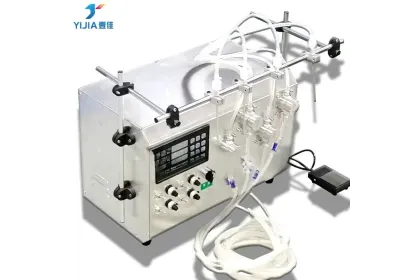 Magnetic pump small-dose filling machine
Magnetic pump small-dose filling machine is configured for Quantitative filling of materials on Bottles, pails, cans, flexible pouches.
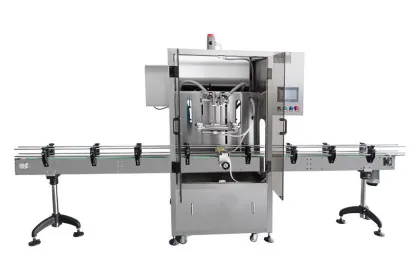 Servo Piston Liquid and Paste Filling Machine
Pump type selection for low and medium viscosity; Pump type comparison should record continuous filling, start/stop, and changeover cleaning; it cannot be determined dire...
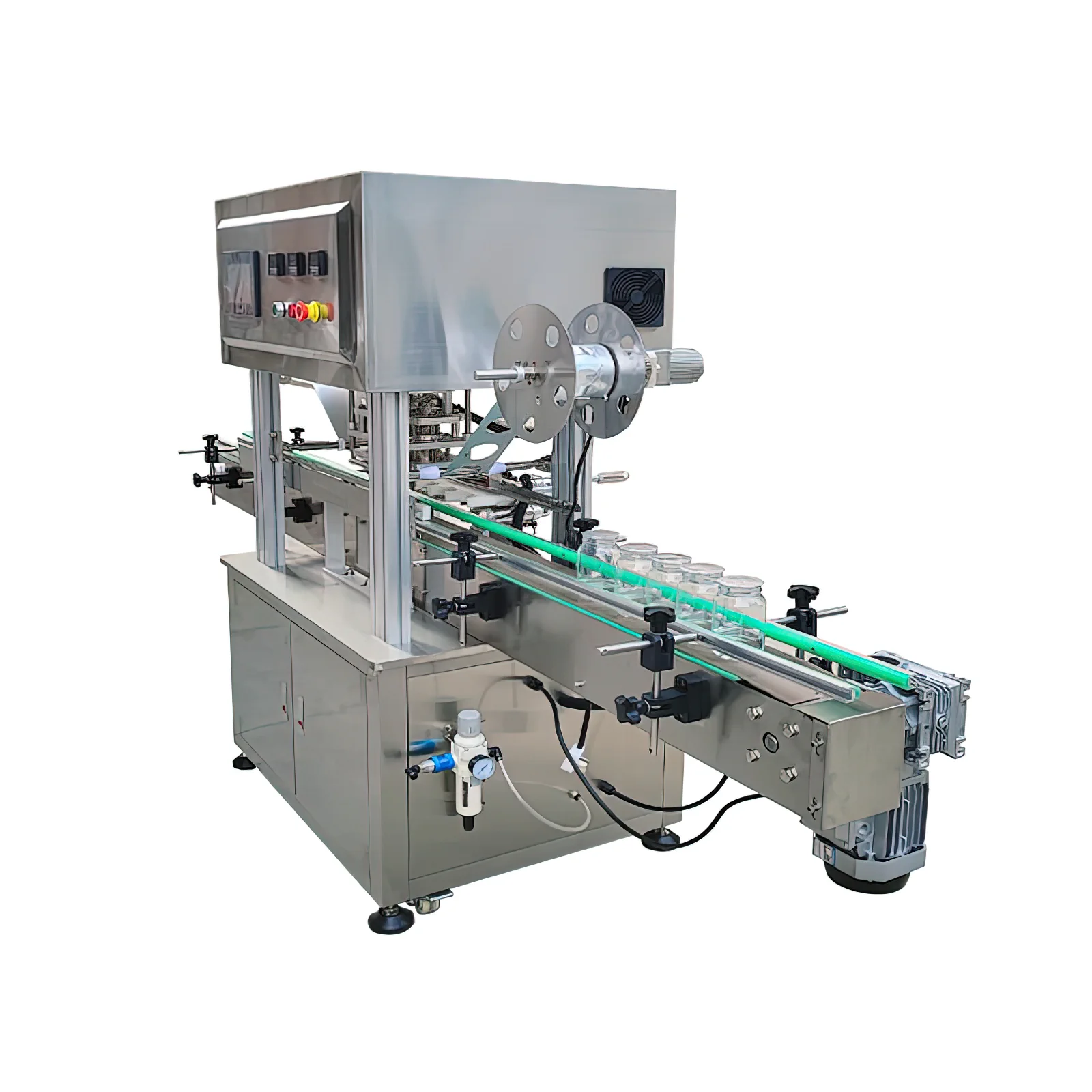 Inline Heat-Press Bottle Sealing Machine
Liquid, bottle mouth, and fill volume trial; Glass, PET, and PE bottles should be grouped by actual mouth diameter; contact material compatibility is confirmed by material doc...
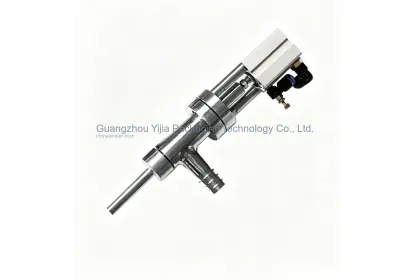 Anti-Drip and Anti-Stringing Filling Nozzle Assembly
Pump type selection for low and medium viscosity; Pump type comparison should record continuous filling, start/stop, and changeover cleaning; it cannot be determin...
Core process
Put liquid viscosity, foam, particle state, and bottle mouth dimensions in the same trial filling, first verify pump type, filling nozzle, and finish.
For low-viscosity small-dose liquids, first evaluate magnetic drive pump; for medium viscosity or when volumetric control is needed, evaluate servo piston; final selection is based on material and fill volume tests.
When the bottle mouth is small or the liquid is prone to dripping, the anti-drip and anti-stringing filling nozzle assembly is matched according to the bottle mouth and liquid sample.
Screw caps use automatic screw capping machine; exposed bottle mouths with direct film sealing evaluate inline heat sealing machine for bottles; the two processes are distinguished by packaging structure.
After main filling and sealing are stable, configure labeling and date/batch coding according to the small bottle's locatable surface, label web direction, and traceability position.
Submit material, container, sealing, and labeling documentation as a complete set, and clearly separate pump type, anti-drip nozzle, screw capping or heat sealing, and downstream labeling.
Sample details
Material state is used to compare magnetic drive pump and servo piston, and to determine contact parts, cleaning, and filling finish tests.
Describe viscosity, foam, particles, corrosiveness, or other contact material requirementsBottle mouth determines the filling nozzle and sealing contact surface; finished bottle shape also affects downstream labeling positioning.
Submit glass, PET, or PE bottle samples, and note bottle mouth, bottle height, and locatable surfacesFill volume and production rate are used to organize trial filling and pump type comparison; fixed milliliter ranges are not used to replace project data.
Provide fill volume for each specification, output per shift, and allowed changeover frequencyCap/foil documentation is used to distinguish automatic screw capping machine from inline heat sealing machine for bottles, and to prepare corresponding tooling.
Submit screw caps or direct heat-seal film for exposed bottle mouths, and explain the finished sealing structureAfter main machine trial, these materials can be used to arrange labeling, coding, conveying, and on-site operations during liquid changeover.
Attach label, batch code position, site dimensions, bottle inlet/outlet direction, and cleaning and changeover requirementsCommon selection mistakes
Use the planned liquid for trial filling, record metering, start/stop, and filling finish, then choose between magnetic drive pump or servo piston.
Provide actual liquid and process documentation, observe continuous discharge and in-bottle condition, then determine the equipment.
Use official bottle samples for trial filling, and verify the start/stop and cleaning of the anti-drip assembly together.
Provide caps or film separately, and confirm the automatic screw capping machine or inline heat sealing machine for bottles according to the finished packaging.
Use finished bottles to verify the labeling reference, character trigger, and conveying rhythm between equipment.
View detailed technical notes
First classify small-dose liquids by pump type and bottle mouth
Essential oils, reagents, and serums differ in viscosity, foaming, particles, and contact materials. The filling volume range must be tested together with the liquid and the small bottle mouth.
Prioritize magnetic pump verification for low-viscosity liquids
Magnetic pump small-dose filling machines suit low-viscosity applications, but final selection still depends on target fill volume, foaming, particles, and continuous start-stop performance.
Compare servo piston for medium viscosity or volume control
When the liquid reaches medium viscosity or the process requires positive displacement, use a servo piston liquid filling machine for trial filling, and verify changeover cleaning and first-batch recheck.
Match drip-proof nozzles with actual small bottles
Small bottle mouths have limited space. The filling nozzle's entry, exit, and liquid stop action must be observed with actual bottle samples. Drip-proof components should not be selected by mouth diameter alone; also record cleaning status.
Sealing branches from cap and film structure
Threaded caps go into an automatic screw capping machine; exposed bottle mouths go directly to an inline heat sealing machine for bottles. Verify both processes separately and retain samples.
Complete sample set defines contact and sealing boundaries
Liquid, small bottles, caps or film, labels, and character samples should be submitted together so that filling, sealing, and marking each have physical evidence.
Pump type comparison does not use a fixed milliliter threshold
The suitability of magnetic pump versus servo piston depends on liquid state, fill volume, and project metering method; a generic capacity number cannot replace trial filling.
Bottle mouth cleanliness determines whether downstream can continue
If the filling nozzle leaves hanging liquid or drips after exit, adjust the upstream section first. Only after the bottle mouth condition is stable proceed to screw capping or direct film sealing.
Position labels and batch codes using finished bottles
Finished sealed bottles are used to verify the round/square bottle labeling machine and the date/batch inkjet coding machine, avoiding labels or codes falling into the grip and sealing areas.
Consider changeover cleaning when linking lines
Beyond equipment cycle time, also specify liquid changeover, line cleaning, and first-batch recheck; the on-site layout should reserve conditions for these operations.
Common questions
Can the pump type be selected with only a liquid description and bottle photos?
You can start with a preliminary screening based on viscosity, foam, particles, and bottle mouth. The final choice between a magnetic drive pump or a servo piston still requires trial filling with the liquid and fill volume.
What materials need to be prepared for small-dose filling?
Please provide a liquid sample and documentation, small bottles and cap/foil, fill volume range, foam and particle conditions, planned production rate, cleaning and changeover requirements, and labeling requirements.
Are magnetic drive pumps used for all low-viscosity liquids?
A magnetic drive pump is a direction to evaluate for low-viscosity small-dose liquids, but the target fill volume, contact materials, foam, and particles also need to be considered; viscosity alone is not enough.
When should servo piston filling be evaluated?
When the liquid reaches medium viscosity, or when the process requires volumetric metering, the suitability of servo piston filling can be compared using actual materials.
How to choose sealing equipment after filling small bottles?
Screw caps correspond to automatic screw capping machines, while exposed bottle mouths with direct film sealing correspond to inline heat sealing machines for bottles. The cap/foil structure determines the process.
When should labeling and coding be integrated?
After filling, anti-drip, and sealing pass with finished product samples, configure the round/square bottle labeling machine and date/batch coding machine according to the label surface and traceability position.