Bagging and Flexible Packaging Sealing Equipment
Rotary Vertical Automatic Feeding Vacuum Packaging Machine
The rotary vertical automatic feeding vacuum packaging machine is designed for bagged products that can be fed via elevator, metering, or manual assistance. It uses rotary indexing stations to complete loading, vacuum, and sealing in a cycle. Bag type, fill volume, material discharge, chamber size, and cleaning requirements affect the solution. Feeding, metering, shaping, and inspection are configured per project.
Technical parameters
- Capacity and cycle time
- Confirmed based on feeding metering, bagging time, number of rotary stations, vacuum treatment, sealing cooling, and discharge; no fixed values are published without project val...
- Automation scope
- Rotary multi-station vacuum and sealing; elevator feeding, metering, bagging, shaping, inspection, and conveying are configured per project
- Applicable containers or packaging
- Pre-made bags that can be placed in rotary clamping or vacuum chamber stations; bag width, length, fill volume, and bag mouth are confirmed per actual sample
- Applicable materials
- Granular, solid, small parts, or partially liquid-containing products; discharge, dust, sharp edges, pressure resistance, and cleaning requirements must be specified
- Packaging materials and consumables
- Pre-made bags suitable for vacuumizing and heat sealing; barrier, thickness, bag mouth structure, and heat seal layer are verified per sample
- Basic process
- Optional elevator and metering, bagging, rotary positioning, vacuum treatment, heat sealing, cooling, and cyclic discharge
- Tooling and changeover
- Adjust feeding, discharge, bag clamping, vacuum chamber, sealing, and program according to bag type, fill volume, and product volume
- Power, air supply, and layout
- Equipment dimensions, power, air supply, maintenance space, and upstream/downstream interfaces are confirmed based on elevator metering, rotary drive, vacuum system, sealing coo...
Selection guide
- Vertical feeding, bagging, and rotary vacuum stations are coordinated per actual material and bag type
- Vacuum chamber, bag clamping, and sealing structure are confirmed based on bag volume and bag mouth
- Elevator, metering, automatic bagging, shaping, and inspection are optional modules
- Cycle time, vacuum duration, and cleaning scope are configured per project
Applications
- Projects requiring vertical feeding followed by vacuum packaging for granular, solid, or regular products
- Production lines that wish to use rotary indexing stations to organize loading, vacuum, and discharge in a cycle
- Projects where fill volume, bag type, or product volume require vacuum chamber fit verification
- Projects planning to add optional metering, automatic bagging, inspection, or finished product conveying
Frequently Asked Questions
- Can vertical feeding directly complete automatic bagging? Not by default. Elevator and metering only handle feeding; automatic bagging also requires bag feeding, opening, clamping, and discharge structures, which must...
- Are liquid-containing products suitable for rotary vacuum? Can be evaluated, but bagging posture, liquid migration, vacuum chamber cleaning, and bag mouth contamination risks require specific testing.
Send samples and capacity requirements for a clearer solution
- Empty bags and filled bag samples, bag dimensions, and target fill weight
- Material, discharge, dust, liquid content, sharp edges, and pressure resistance
- Elevator, metering, bagging method, and cleaning/maintenance requirements
- Target vacuum appearance, cycle time, site height, and upstream/downstream interfaces
Related products
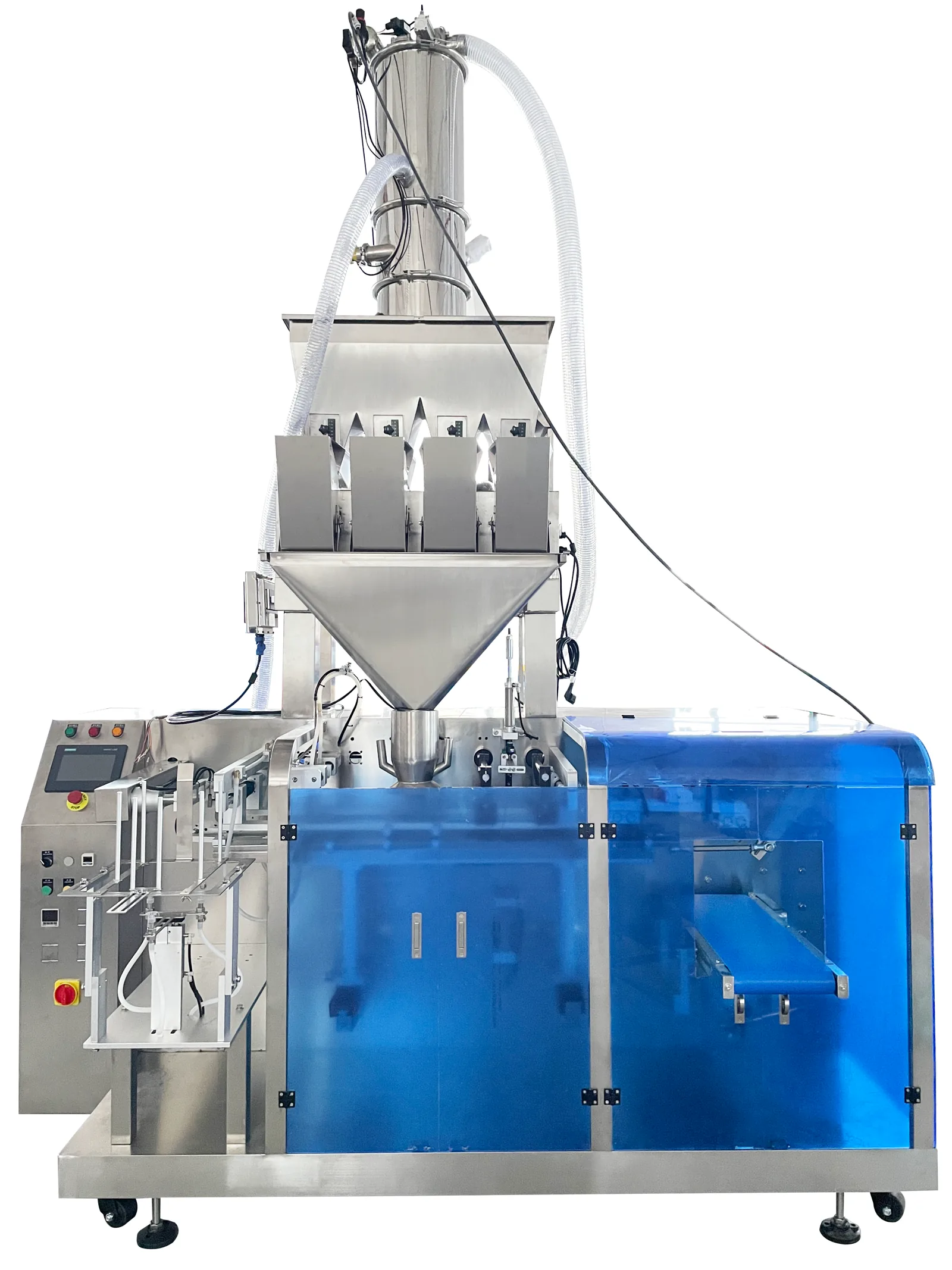
Vacuum Horizontal Pouch Packaging Machine
The vacuum horizontal pouch packaging machine is designed for vacuumizable pre-made pouches. After bag picking, openi...
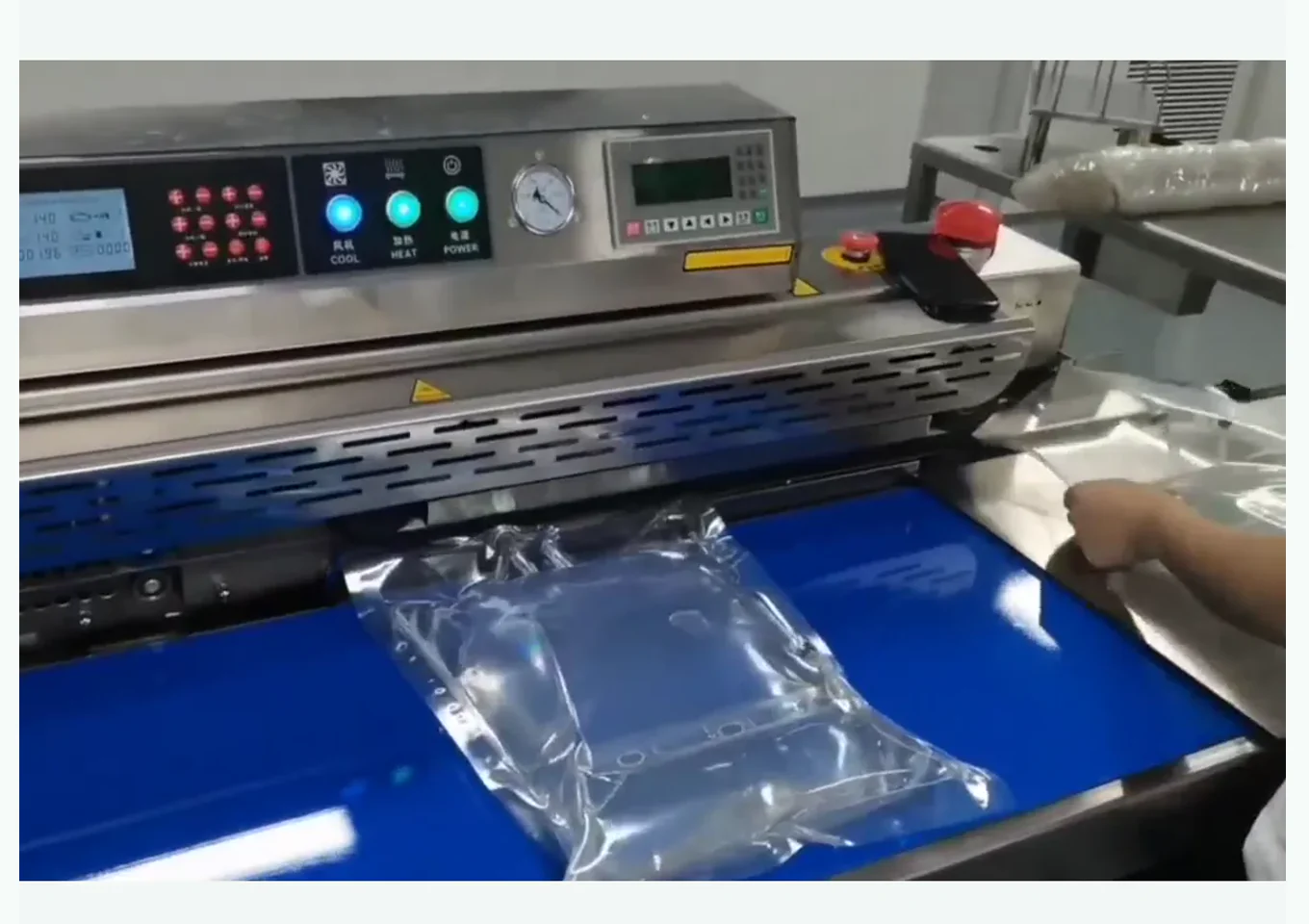
Continuous Inline Bag Vacuum Sealing Machine
The continuous inline bag vacuum sealing machine is suitable for products that have already been bagged, processing t...
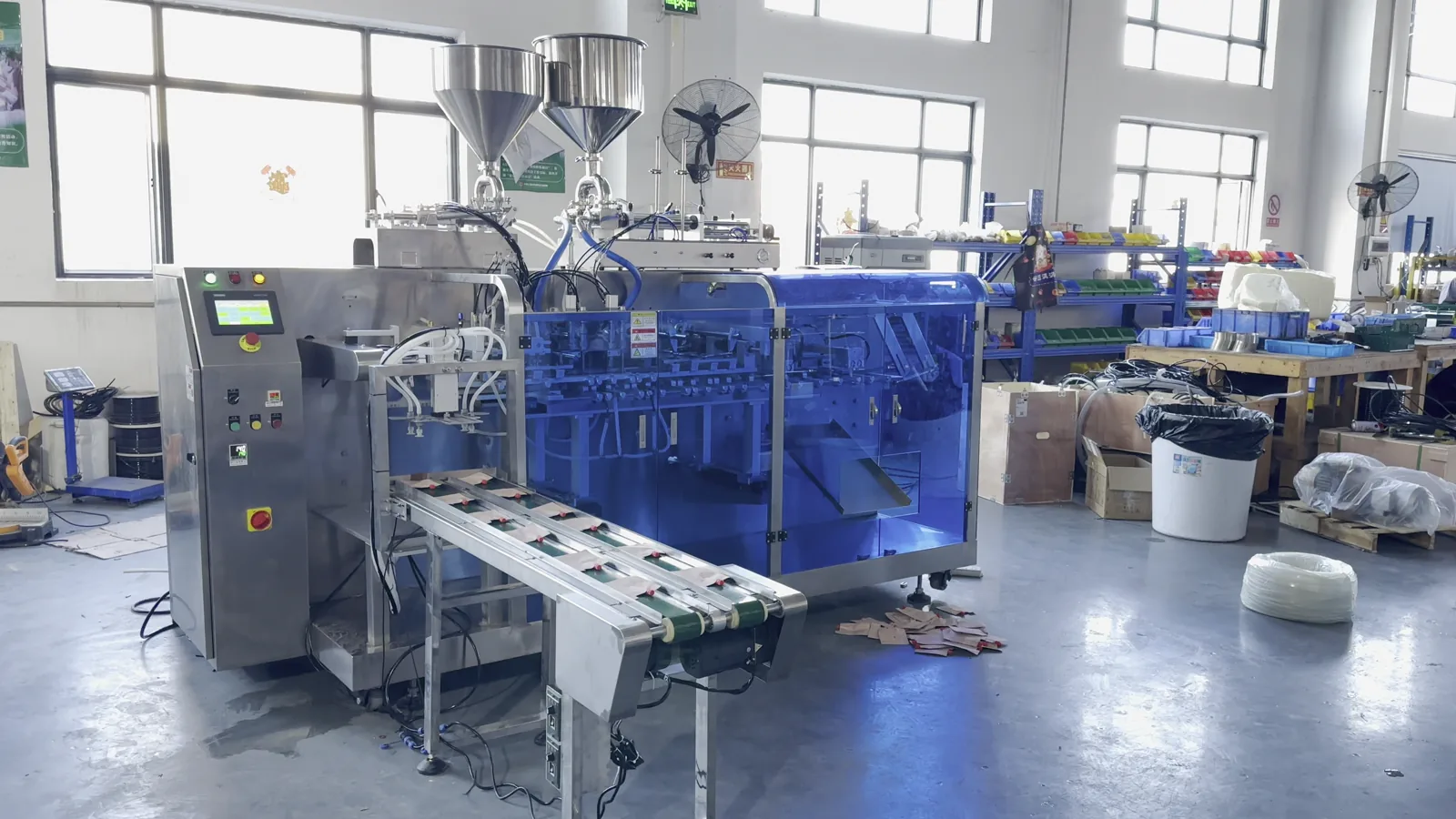
Dual-Lane Horizontal Pouch Packaging Machine
The dual-lane horizontal pouch packaging machine organizes bag picking, opening, filling, mouth finishing and heat se...
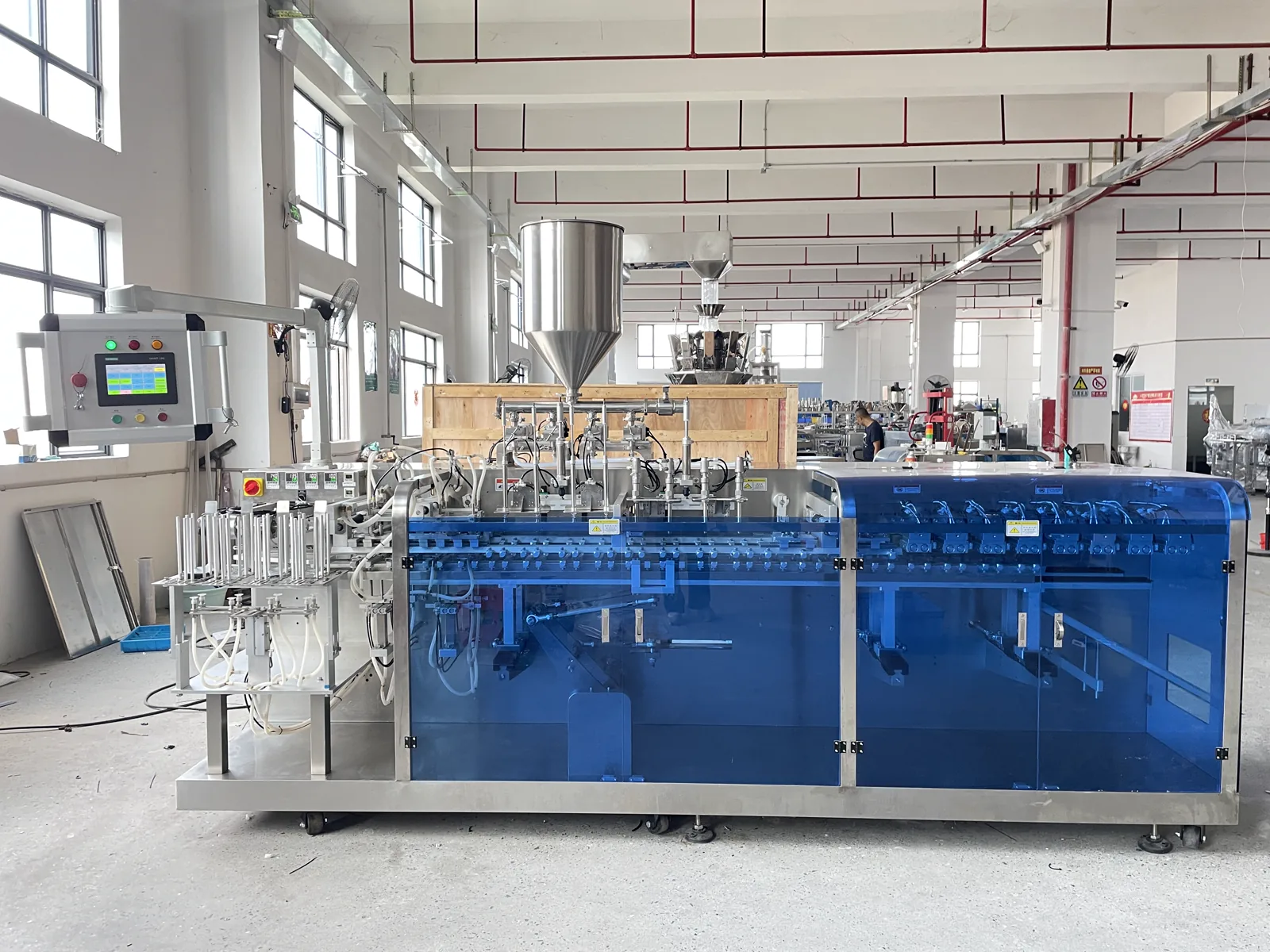
Four-Lane High-Speed Horizontal Pouch Packaging Machine
The four-lane horizontal pouch packaging machine uses multiple bag magazines and gripping mechanisms to perform bag p...
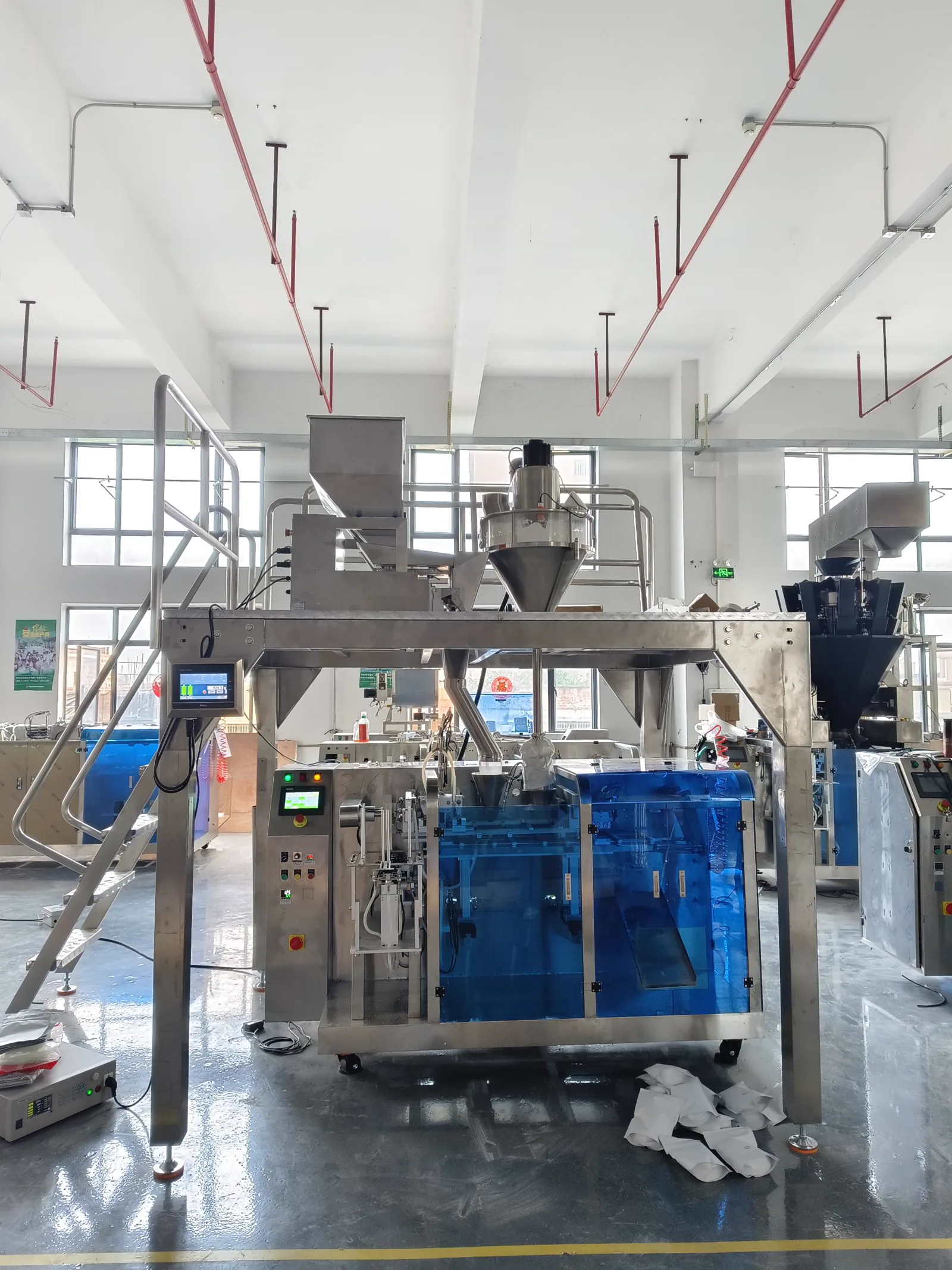
Powder/Granule Dual Metering Horizontal Pre-made Bag Packaging Machine
The machine connects a horizontal pre-made bag feeder with powder and granule metering systems, suitable for projects...
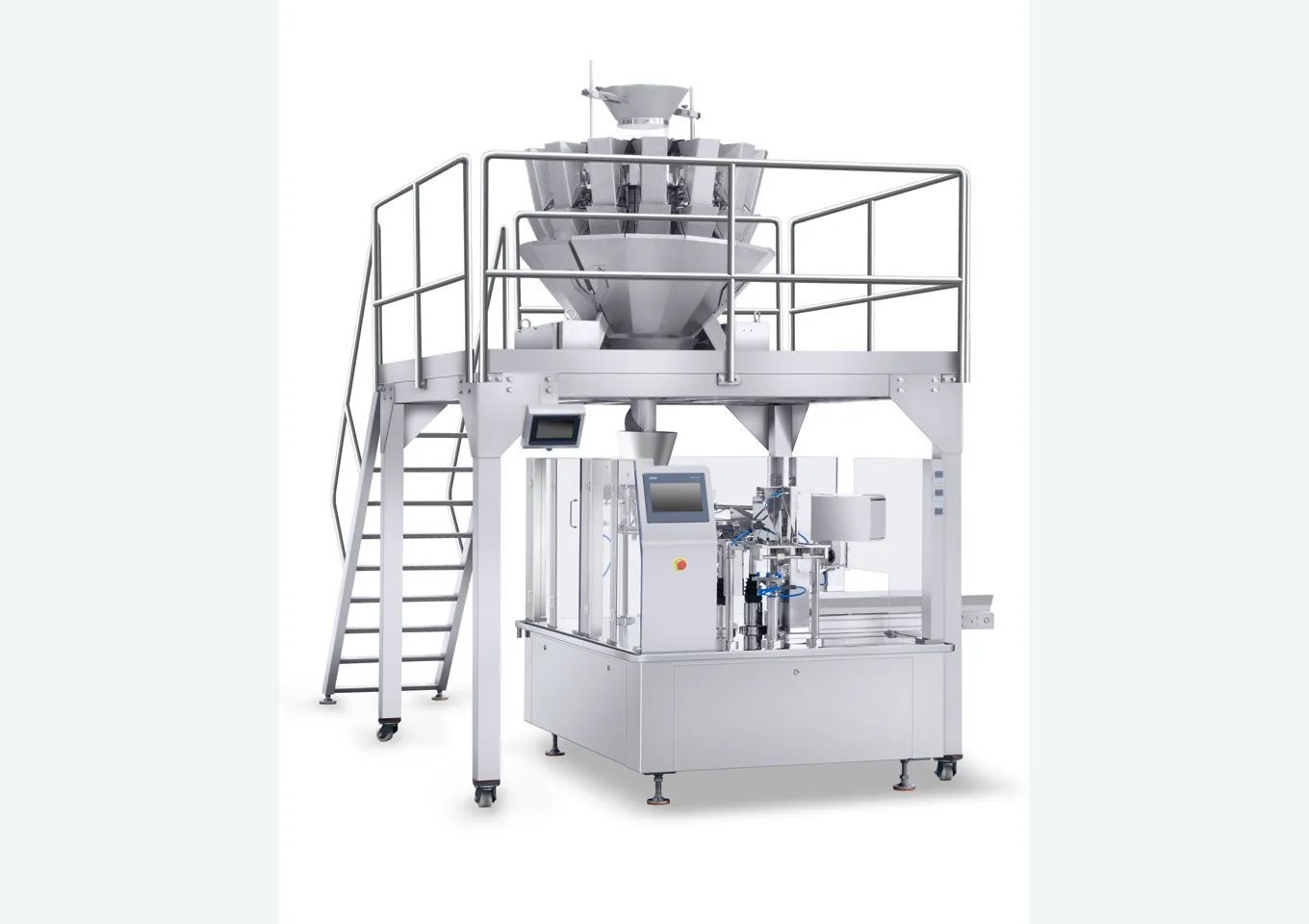
Automatic Rotary Premade Pouch Packaging Machine
The automatic rotary premade pouch packaging machine distributes bag picking, opening, filling, shaping, and sealing...