Lösungsthema
Versiegelung von Tierfutter- und Katzenfutterdosen: Auswahl der Dosenmaterialien, Deckeltypen und Etikettierstationen
Für Verpackungen von nassem Tierfutter, Katzenfutter usw. werden die Routen Metalldosen-Rollverschluss, Papier-Kunststoffdosen mit Aluminiumfolienversiegelung und Deckelpressen sow
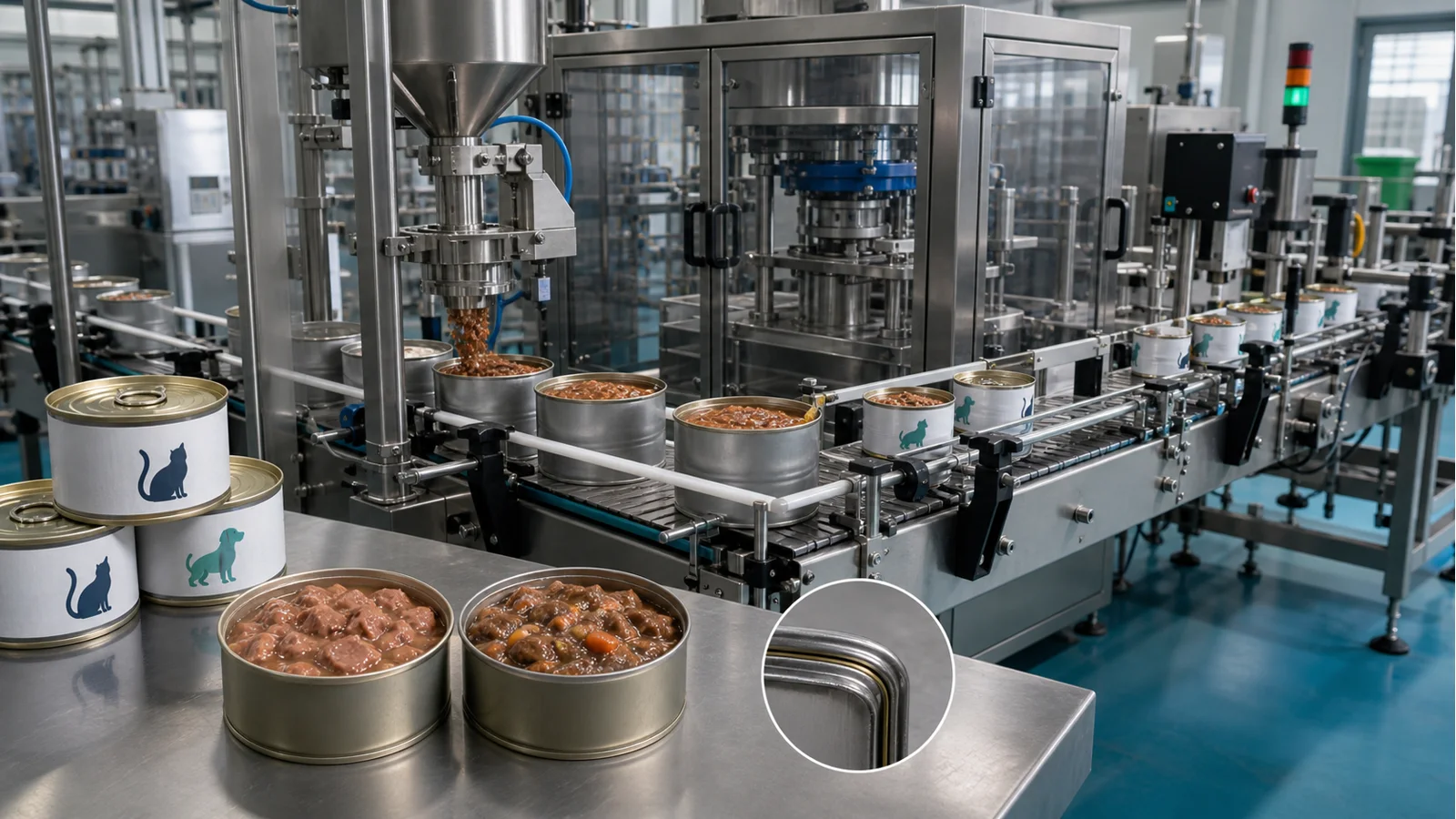
- Metalldosen werden geseamt, Papier- oder Kunststoffdosen können mit Aluminiumfolie versiegelt und dann gedeckelt werden, Glas- oder Gewinde-Kunststoffdosen werden aufgeschraubt und eine Induktionsversiegelung kann geprüft werden. Zuerst Dosenmaterial und Deckeltyp festlegen, dann Etikettierung, Codierung und Kontrollwiegen konfigurieren.
Für Sie erstellte Lösungszusammenfassung
- For pet food cans, first select the machine according to can material and lid type. Metal cans use rolled seam, paper-plastic cans with direct membrane use heat sealing and lid pressing, threaded cans use screw capping.
- Induction inner sealing is only used for glass or plastic jars with a matching aluminum foil liner in the lid and stable capping. It cannot replace rolled seam or direct membrane heat sealing.
- Labeling, coding, and checkweighing are integrated after main sealing verification. Checkweighing only works according to weight rules and does not indicate can lid closing quality.
Route comparison
- Pet food uses metal can bodies and matching metal lids that can be conveyed stably, and is accepted according to the rolled seam structure.
- The automatic online can seamer completes positioning and rolled seaming around the metal can body and lid. The closing principle matches the can type.
- Can body roundness, lid dimensions, seaming tooling, and rim cleanliness must be validated as a set. Optional lid placement inspection is confirmed separately.
- When packaging uses paper-plastic cans with direct membrane or threaded glass jars, choose the corresponding heat sealing or screw capping route.
- Use an automatic online can seamer and configure seaming components according to production-scale metal cans, lids, and seaming requirements.
- Packaging where membrane is placed directly on the rim of paper or plastic cans and an outer lid is required after sealing.
- Direct aluminum foil membrane heat sealing and outer lid assembly can be completed in sequence. Suitable for paper cans and verifiable plastic can combinations.
- Membrane heat seal layer, can opening support, filling residue, and outer lid pressing all need validation. Not applicable to metal rolled seam.
- When the lid is a metal rolled seam lid, or the packaging uses a threaded lid with inner liner, switch to the corresponding process.
- Use a paper can/plastic pail aluminum foil membrane sealing and lid pressing machine, and sample the can opening, membrane, and outer lid together.
- Pet food uses glass jars or threaded plastic jars. Lid components can be assembled stably and liners configured as needed.
- Glass or threaded plastic jars can be screwed or pressed according to the lid type, and induction inner sealing can be added when liner conditions are met.
- Thread, lid type, bottle body clamping, liner, and opening requirements all need actual sample testing. Induction is not a fixed station.
- When metal cans require rolled seam, or paper-plastic cans use direct membrane at the rim, do not use the threaded can closing route.
- Choose an automatic screw capper or automatic screw capping/lid pressing machine according to the lid sample. If the lid has a suitable liner, evaluate a benchtop air-cooled induction aluminum foil sealing machine.
Zugehörige Geräte / Verbrauchsmaterialien
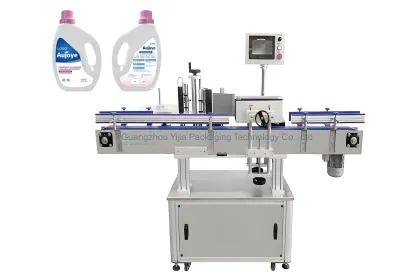 Etikettiermaschine für runde und eckige Flaschen
Etikettiermaschine für runde und eckige Flaschen wird für Etikettieren von runden Flaschen bei Runde Flaschen, eckige Flaschen, Tuben, Beutelprodukte ausgelegt.
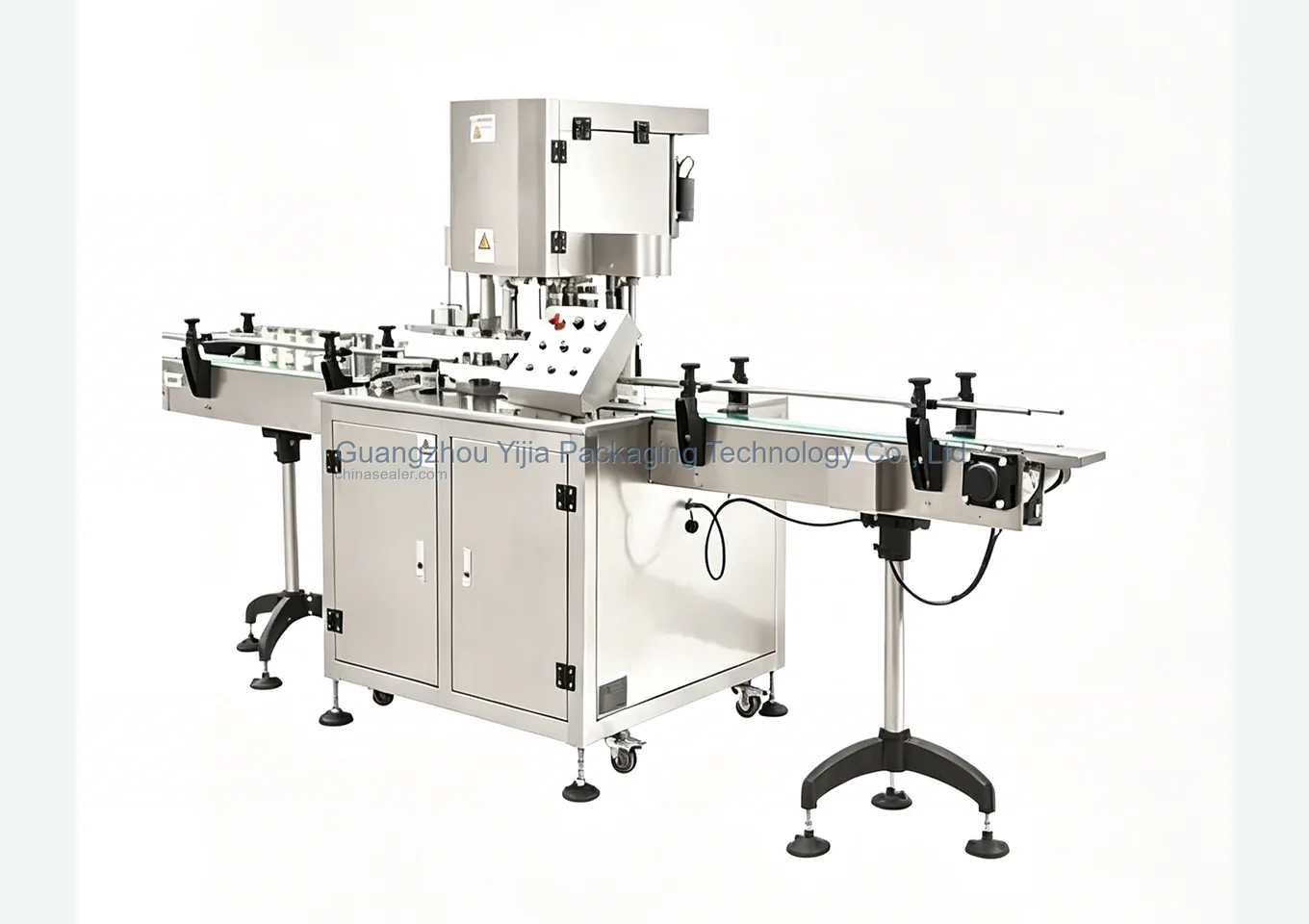 Inline automatische Dosendeckel-Verschließmaschine
Paper-plastic can membrane sealing and lid pressing; Direct membrane, outer lid, rim support, and post-filling residue must be sampled as a set. This station is not...
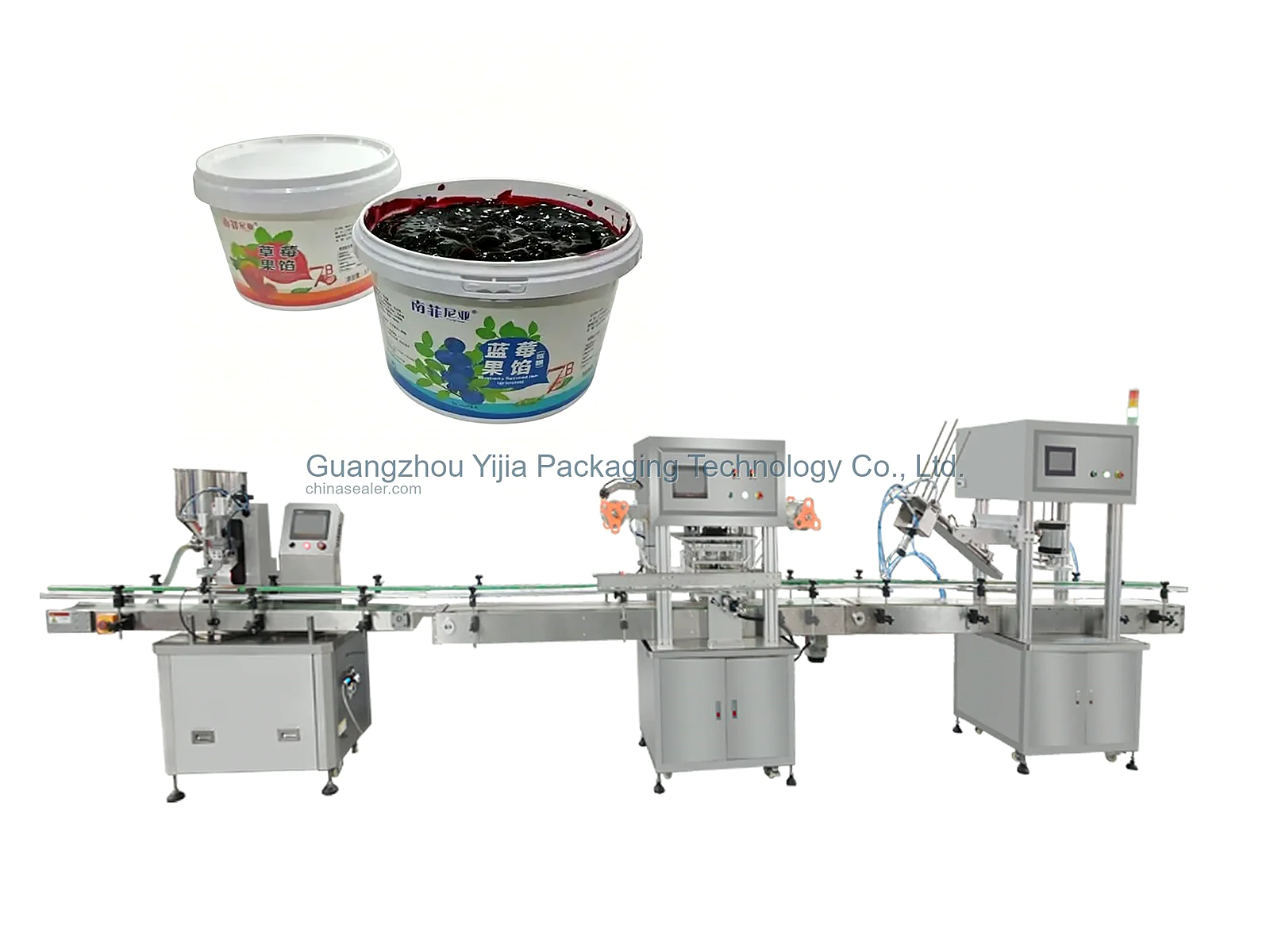 Aluminiumfolien-Siegel- und Deckelpressmaschine für Papierdosen/Kunststoffeimer
Paper-plastic can membrane sealing and lid pressing; Direct membrane, outer lid, rim support, and post-filling residue must be sampled a...
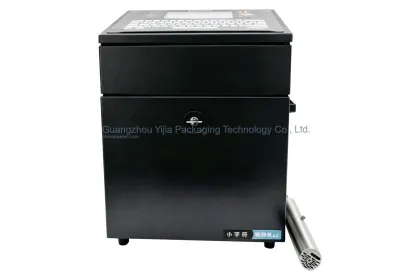 Datums- und Chargen-Codierer
Metal can rolled seam; Lid placement, rolled seam inspection, and rejection are modules configured per project. Rolled seam samples still need to be checked according to the agreed method...
Kernprozess
First separate metal rolled seam, direct membrane press capping at the can opening, and threaded cap screwing according to can body material and lid structure, then consider downstream marking.
When metal can body is paired with metal lid, the automatic online can seamer completes positioning and rolled seaming according to the actual lid and seaming profile.
When paper or plastic cans have aluminum foil membrane placed directly on the rim and require an outer lid, use the aluminum foil membrane sealing and lid pressing machine to complete heat sealing inner seal and lid pressing.
For glass or threaded plastic jars, first use an automatic screw capper or screw capping/lid pressing machine according to the lid type. If the lid has a suitable aluminum foil liner, then evaluate benchtop air-cooled induction inner sealing.
After the main closing process is stable, the round bottle/square bottle labeling machine and date batch number inkjet coder are set according to the can body surface, and the online checkweigher reviews according to the agreed weight rules.
For different can materials, keep closing samples, label layouts, and weight anomaly handling records separately. When changing cans, return to the corresponding equipment and reconfirm.
Musterdaten
Can body material, shape, rim, height, and rigidity are used to determine rolled seam, heat sealing support, screw capping clamping, and labeling.
Submit actual samples and key dimensions of each specification of metal cans, paper cans, plastic cans, or glass jarsMetal can lids, outer lids, inner plugs, separate membranes, and lid inner liners correspond to different closing actions.
Provide complete lid components, membranes, liners, and planned assembly sequenceWet food seepage, dust, pellets, fill height, and rim residue will change the pre-sealing state and conveying stability.
Submit actual pet food and filled can samples, and explain cleaning and rim inspection methodsLabel layout, batch number position, and can body seam must coordinate with clamping, rolled seam, or lid inspection areas.
Provide label rolls, date batch number content, application position, and can body display directionWeight rules, production schedule, can change frequency, and defective product process are used to configure checkweighing and downstream handover.
Explain finished product weight range, review rules, site layout, changeover plan, and defective product handlingHäufige Auswahlfehler
The food name does not indicate the can material and lid type. The same pet food can use rolled seam, membrane press cap, or threaded cap.
Metal can rolled seaming requires matching can lids and seaming tooling. Can body roundness and rim condition are also included in sample validation.
The separate membrane of paper-plastic cans is processed by heat sealing equipment, while the metal can lid rolled edge is formed by a can seamer.
Only if the lid has a suitable liner should induction testing be performed. Ordinary threaded caps only need assembly according to the lid type.
The online checkweigher can only identify defined weight anomalies. The closing status must still be checked using can lid and finished product samples.
Technische Details anzeigen
Dosenmaterial und Deckeltyp vor dem Produktnamen
The closing equipment for pet food cans is determined by the can body material and lid component structure. First distinguish metal rolled seam, paper-plastic can direct membrane, and threaded cans, then configure downstream equipment.
Prozess anhand gefüllter Dosenmuster bestätigen
Die Muster müssen gefüllte Dosen, komplette Deckel sowie Folien oder Dichtungen enthalten. Auch Randrückstände, Dosensteifigkeit und Schwerpunkt des fertigen Produkts müssen mit den Mustern reproduziert werden.
Metalldosen mit speziellem Rollverschluss
Metalldosen und passende Deckel werden mit einer automatischen Inline-Dosenverschließmaschine geseamt. Die Rollierkomponenten, die Deckelzuführung und die Endkontrolle werden anhand der Deckelkombination festgelegt; Muster für einwandfreie und fehlerhafte Verschließungen werden aufbewahrt.
Papier-Kunststoff-Dosen: erst Folie versiegeln, dann Deckel pressen
Bei Papier- oder Kunststoffdosen wird nach dem Auflegen der Folie eine Aluminiumfolien-Versiegelungs- und Deckelpresse für das Heißsiegeln und die Montage des Außendeckels verwendet. Die Umrüstbedingungen für Dose, Folie und Deckel werden getrennt dokumentiert; nach einem Dosenwechsel werden Randauflage und Deckelposition erneut geprüft.
Gewindedosen: Induktionsversiegelung je nach Dichtung
Glasdosen und Gewinde-Kunststoffdosen werden je nach Deckelmuster aufgeschraubt oder eingepresst. Wenn der Deckel eine passende Dichtung enthält und der Verschluss stabil sitzt, kann zusätzlich eine induktive Innenversiegelung mit Luftkühlung ergänzt werden; Muster für das Öffnen des Deckels werden aufbewahrt.
Kennzeichnungsstation folgt der Dosenausrichtung
Etikettieren und Inkjet-Codierung erfolgen nach der Hauptverschlussprüfung; Etikettenfläche und Chargennummer vermeiden den Dosenrand und die Greifbereiche. Für verschiedene Dosenmaterialien werden separate Enddurchlaufprüfungen durchgeführt.
Kontrollwiegen verarbeitet nur Gewichtsregeln
Die Inline-Kontrollwaage prüft das Endprodukt gemäß den vereinbarten Gewichtsregeln. Sie bewertet nicht den Metallrollverschluss, die Folienverbindung oder das Schraubdeckelergebnis.
Muster für verschiedene Dosentypen getrennt aufbewahren
Für jeden Dosentyp werden Muster für einwandfreien Verschluss, Etikett und Chargennummer sowie Gewichtsabweichungen aufbewahrt. Nach einem Dosen- oder Deckelwechsel wird die jeweilige Station neu eingestellt.
Stationen der Tierfutterdosen-Verpackung prüfen
Die Linienabnahme wird stationweise dokumentiert: Dosenzuführung, Deckelzuführung, Hauptverschluss, Kennzeichnung, Kontrollwiegen und Ausschleusung von Fehlchargen. Ein Ergebnis ersetzt nicht einen anderen Prozessschritt.
Häufige Fragen
How are metal pet food cans sealed?
Metal can bodies and matching metal lids are sealed on an automatic online can seamer with a rolled seam. The lid and seaming profile must be set up using production-scale samples.
How are paper or plastic cans sealed with a membrane and lid?
When the can opening is directly covered with an aluminum foil membrane and an outer lid is required, a paper can/plastic pail foil membrane sealing and lid pressing machine can be used. The membrane and outer lid must be validated as a set.
How should glass jars and threaded plastic jars be configured?
First complete screw capping or press capping according to the lid type. Only add induction inner sealing if the lid has a suitable aluminum foil liner and the lid is applied stably.
Can a seamer replace a screw capper?
No. Rolled seaming processes the rolled edge of a metal lid, while screw capping processes threaded caps. The lids, tooling, and acceptance methods are different.
At what stage should the can body marking be confirmed?
After the main sealing is tested with samples, set up labeling and coding. The label area and batch number position should avoid clamping and sealing inspection zones.
Can checkweighing determine whether the can lid is sealed properly?
The online checkweigher screens finished products according to the agreed weight rules. Rolled seam, membrane inner seal, and screw cap status are still checked by their respective process methods.