Machine scope
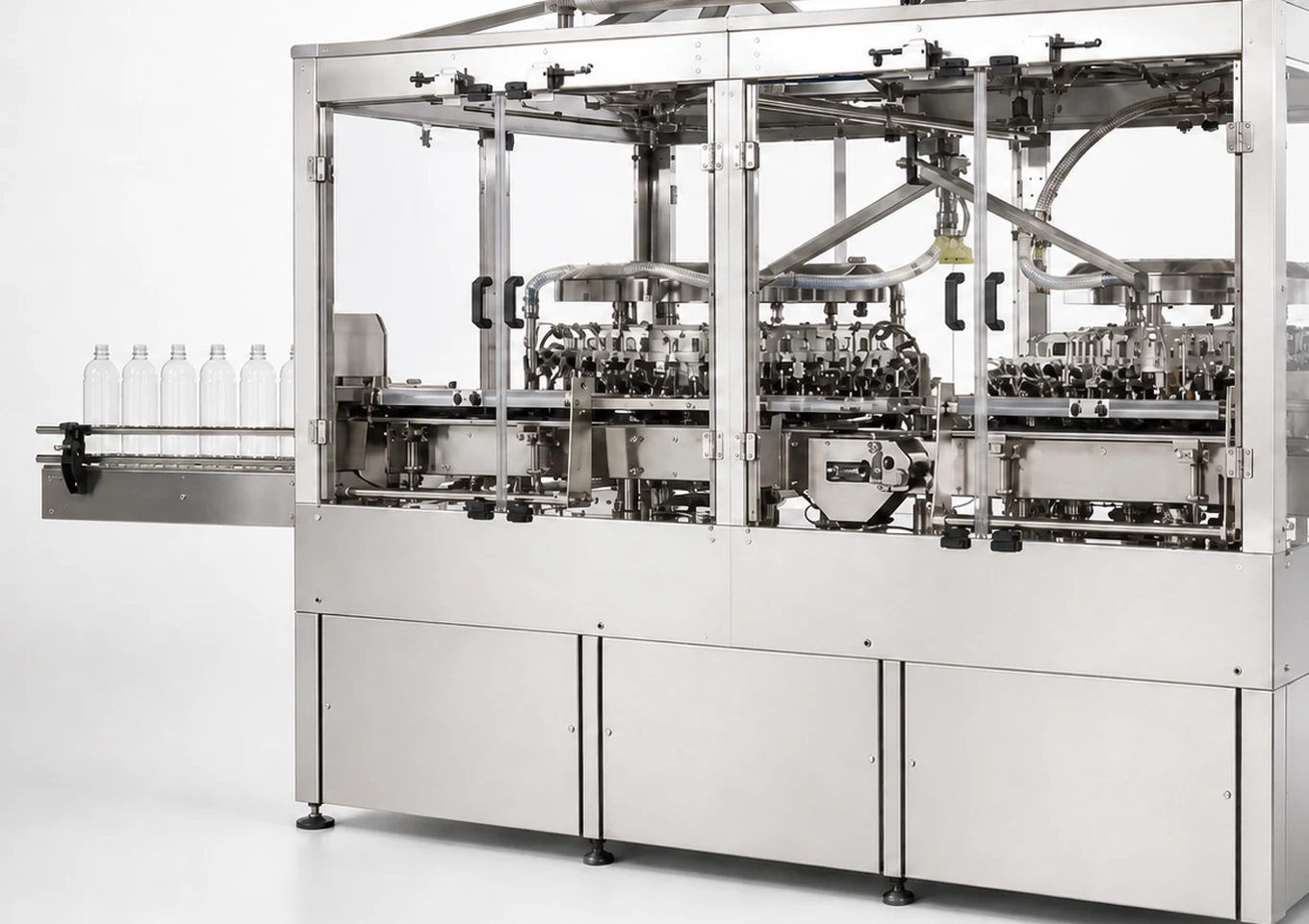
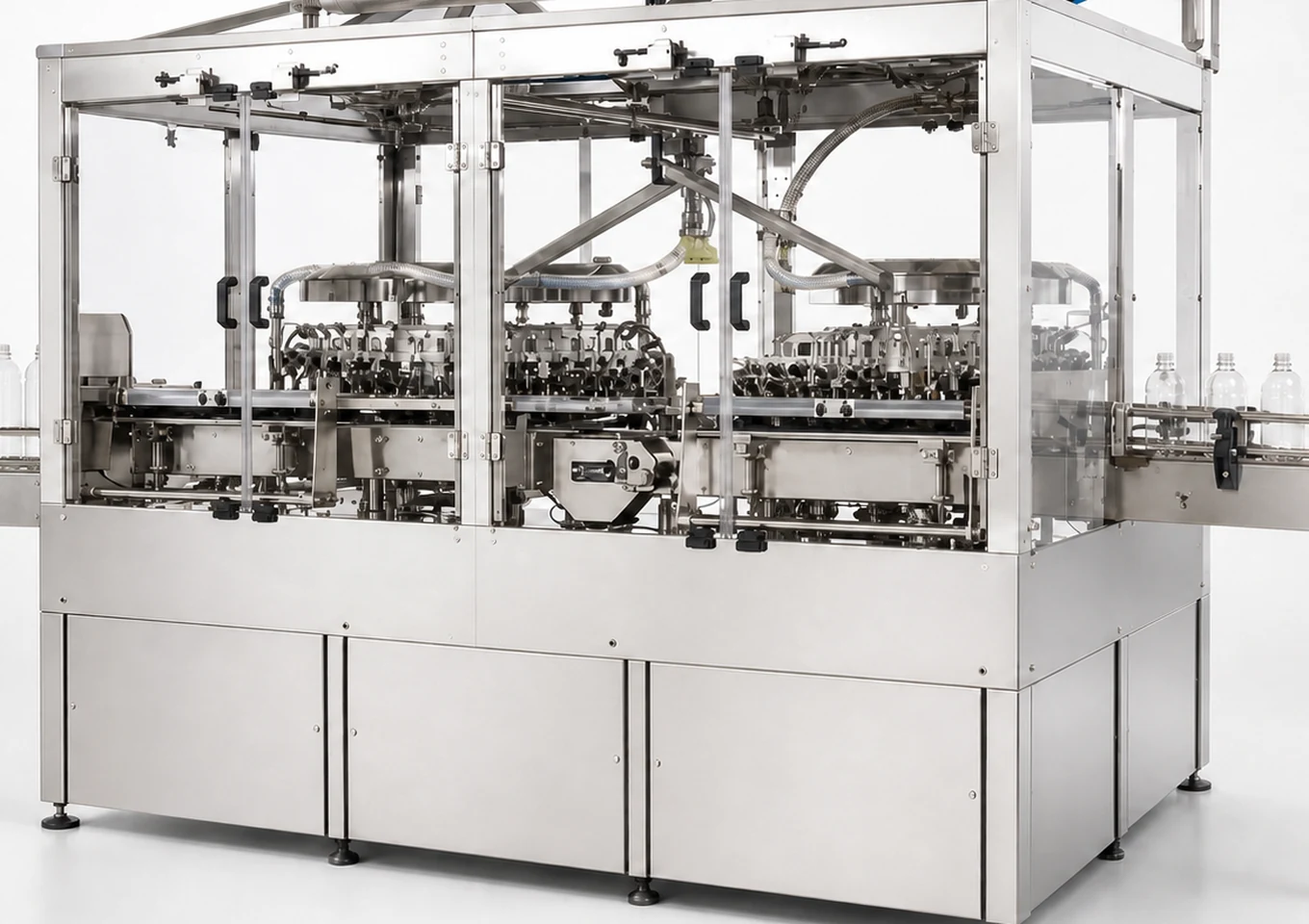
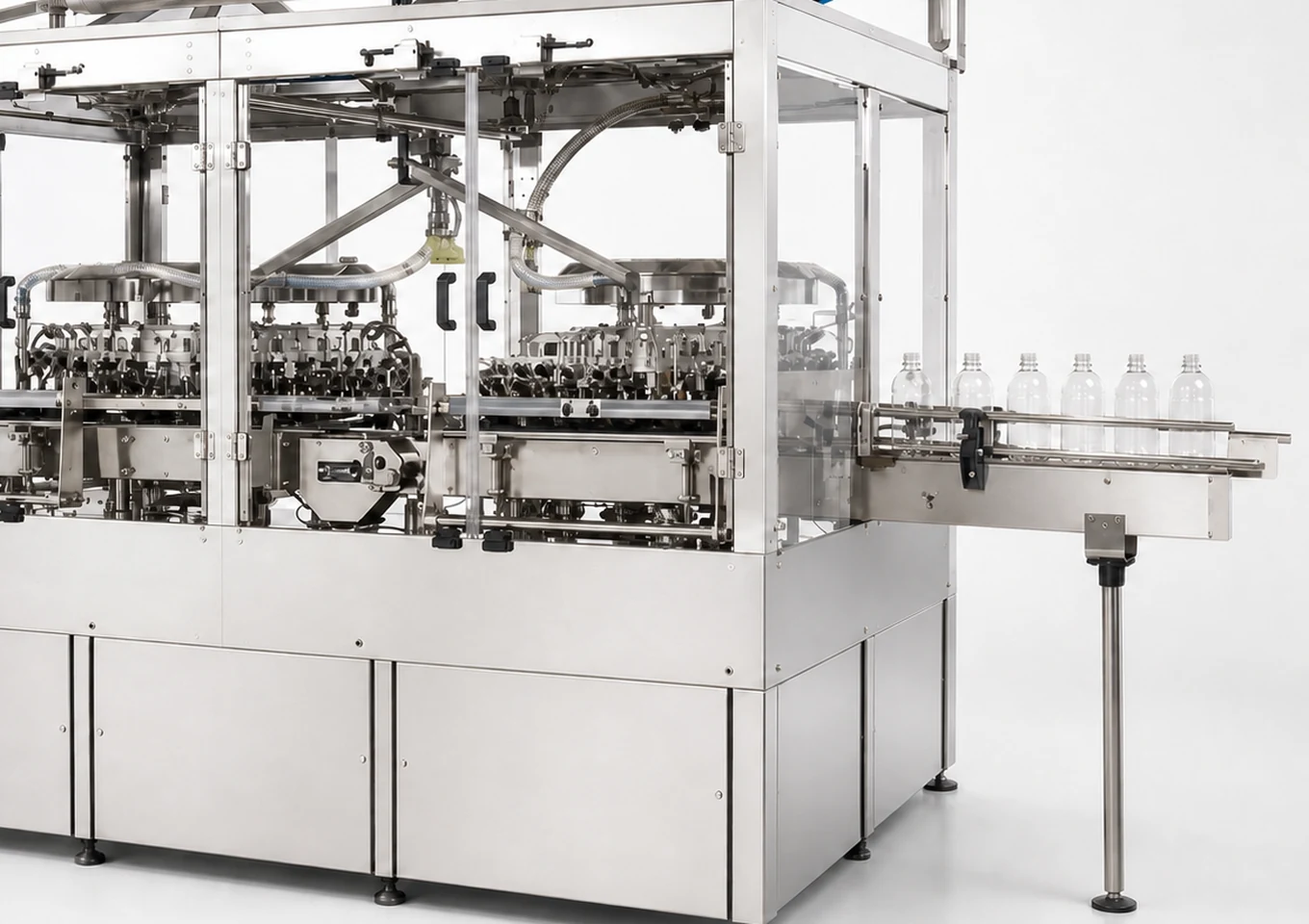
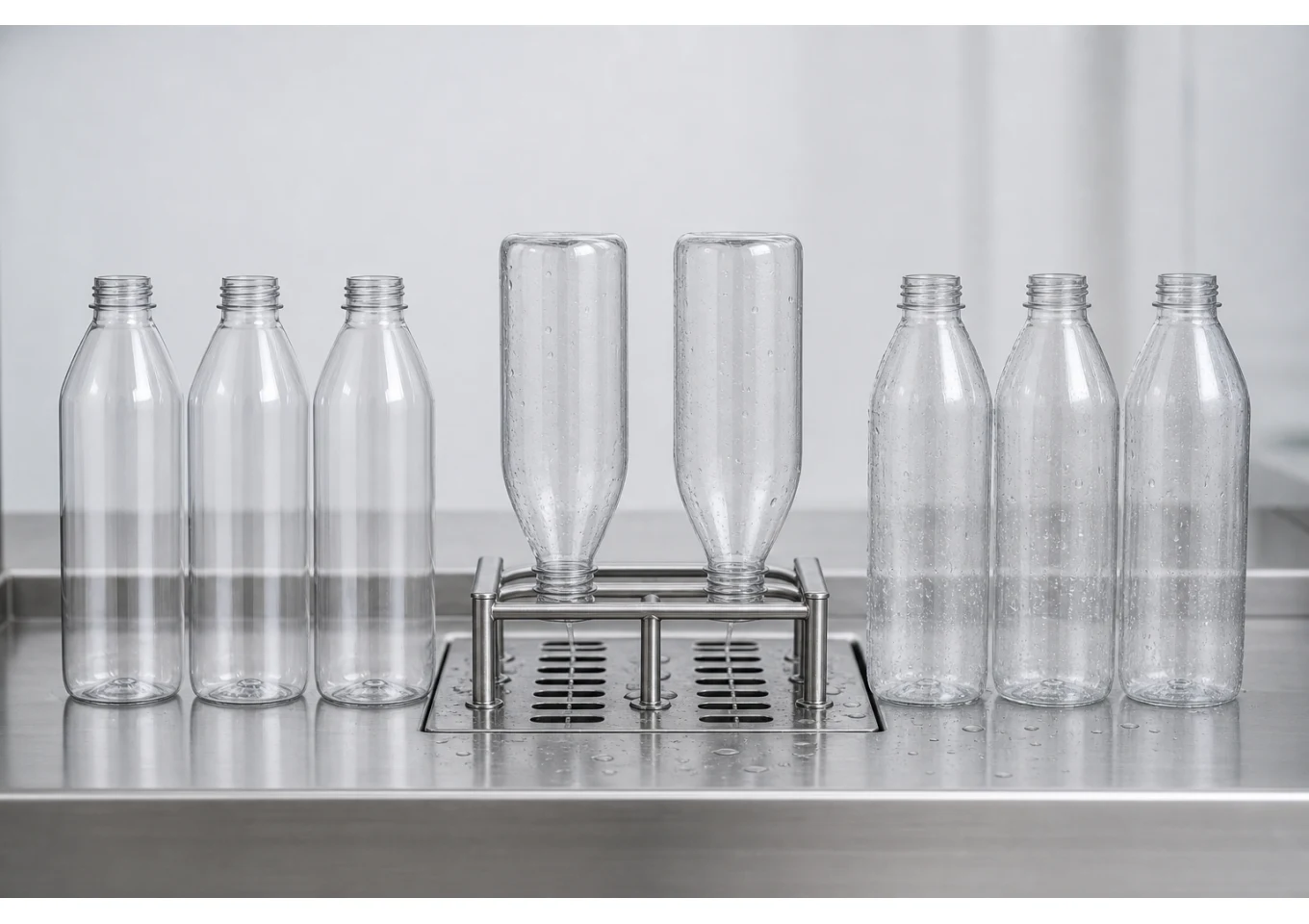
Used for inverting, rinsing, blowing, draining, and righting empty bottles before filling and sealing.
Conveying, Feeding and Packaging Line Auxiliary Equipment
Used for inverting, rinsing, blowing, draining, and righting empty bottles before filling and sealing.
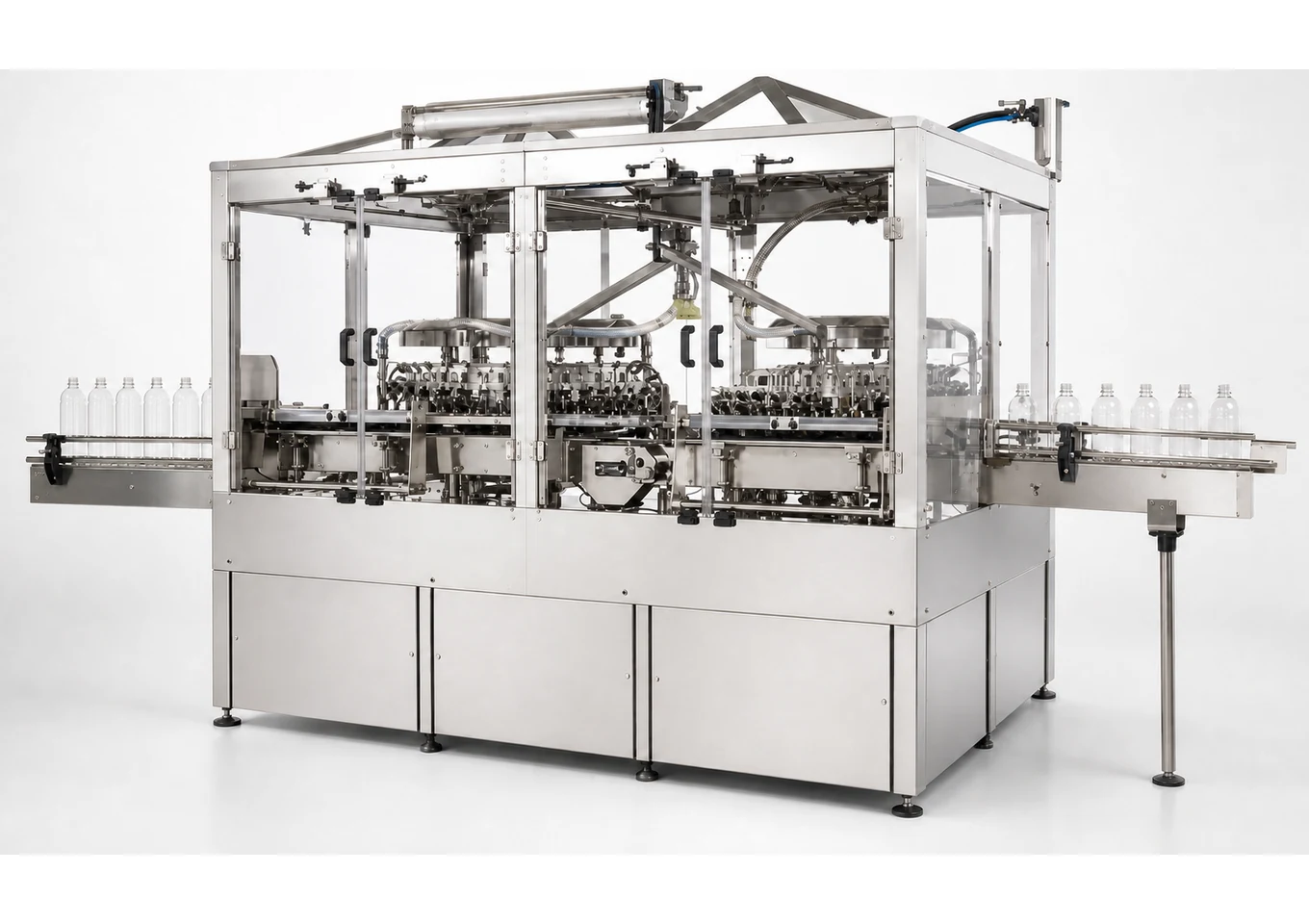
This reference helps explain possible stations and process relationships. Final layout, configuration and capability follow the agreed samples and technical list.
Selection guide
Start by checking container, product, size and output.
Used for inverting, rinsing, blowing, draining, and righting empty bottles before filling and sealing.
After the automatic bottle unscrambler organizes the empty bottles, the automatic bottle rinser/washer can be evaluated according to the washing process. Washing medium, drainage, and residue requirements are determined by project information.
Selection guide
Photos, key dimensions, and packaging material details are enough to start; if details are incomplete, we will review the direction first.
Selection guide
Automatic or in-line operation; cleaning medium circulation, filtration, and drying methods confirmed per project
Empty bottles and small cans that can be stably clamped, inverted, or positioned
This machine handles empty containers; cleaning medium can be filtered air, water, or a medium confirmed per project
Container material, bottle neck, temperature resistance, and pressure conditions need confirmation
Empty bottle feeding, clamping or inverting, rinsing or blowing, draining, righting, and discharging
Confirmed based on samples, action cycle time, process time, upstream/downstream speeds, and final configuration.
When bottle diameter, height, neck, or clamping position changes, guides and fixtures need adjustment or replacement.
Ionizing air dust removal, liquid circulation filtration, exterior wall cleaning, air knife drying, and clean room protection are optional modules.
Confirmed based on export region, drive structure, site layout, and final configuration.
Can connect with bottle unscramblers and filling machines, and interlock with downstream sealing and capping equipment.
Please provide actual empty bottle samples, contamination type, cleaning medium, hygiene level, allowable residual liquid, target cycle time, and upstream/downstream interfaces.
Photos, drawings, or samples help confirm diameter, height, stacking, and sealing contact surface.
Material, thickness, easy-tear or leak-proof requirements affect sealing temperature, pressure, and tooling.
Hourly capacity, manual or automatic feeding, conveying, and downstream packaging determine final configuration.
Configuration Selection
Define the empty-bottle cleaning target first. Compare rinse medium, blowing, inverted draining and righting/transfer, then use real bottle formats to verify cleaning and residue requirements.
Internal rinsing and rim cleaning address different targets. Media, blowing, draining, and residue standards are provided by the production process.
Unscrambling organizes empty bottles; rinsing follows the cleaning process. Transfer to filling after draining and righting. Confirm format changes, conveyor height and clean/dirty-zone separation together.
Conveying, Feeding and Packaging Line Auxiliary Equipment
Selection guide
Please provide actual empty bottle samples, contamination type, cleaning medium, hygiene level, allowable residual liquid, target cycle time, and upstream/downstream interfaces.
No. Ionizing air dust removal, liquid circulation filtration, exterior wall cleaning, air knife drying, and clean room protection are optional modules. Each must be confirmed based on project scope.
Cannot be guaranteed without actual samples and line conditions. Speed, compatibility range, tooling quantity, and acceptance criteria are based on sample testing and final technical proposal.
Provide sample details
Send packaging-sample photos, the required process and approximate output for an initial machine review. Drawings and complete parameters can follow after the first discussion.