Inspection, Weighing and Traceability Equipment

Bottle Cap Inspection Machine

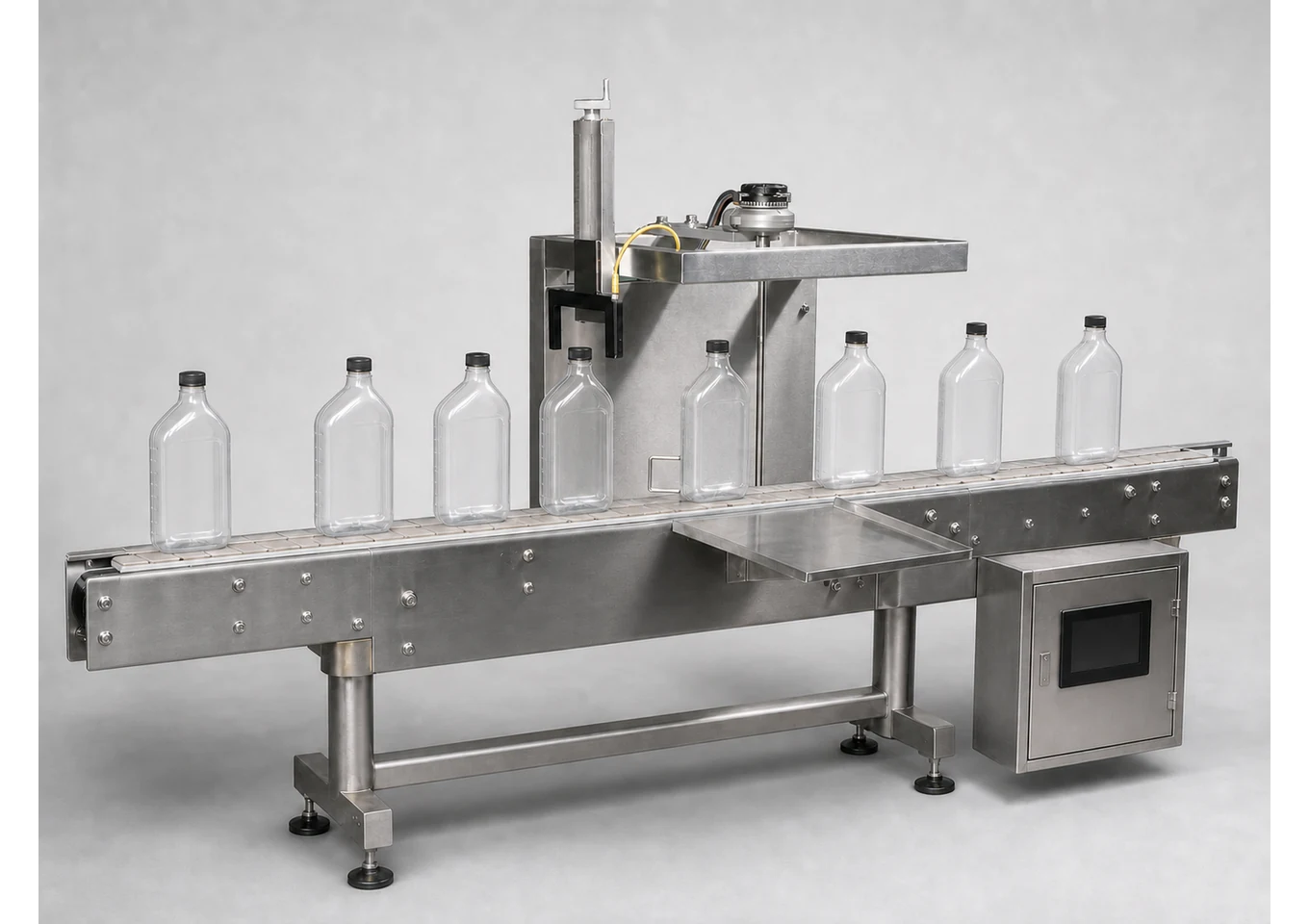
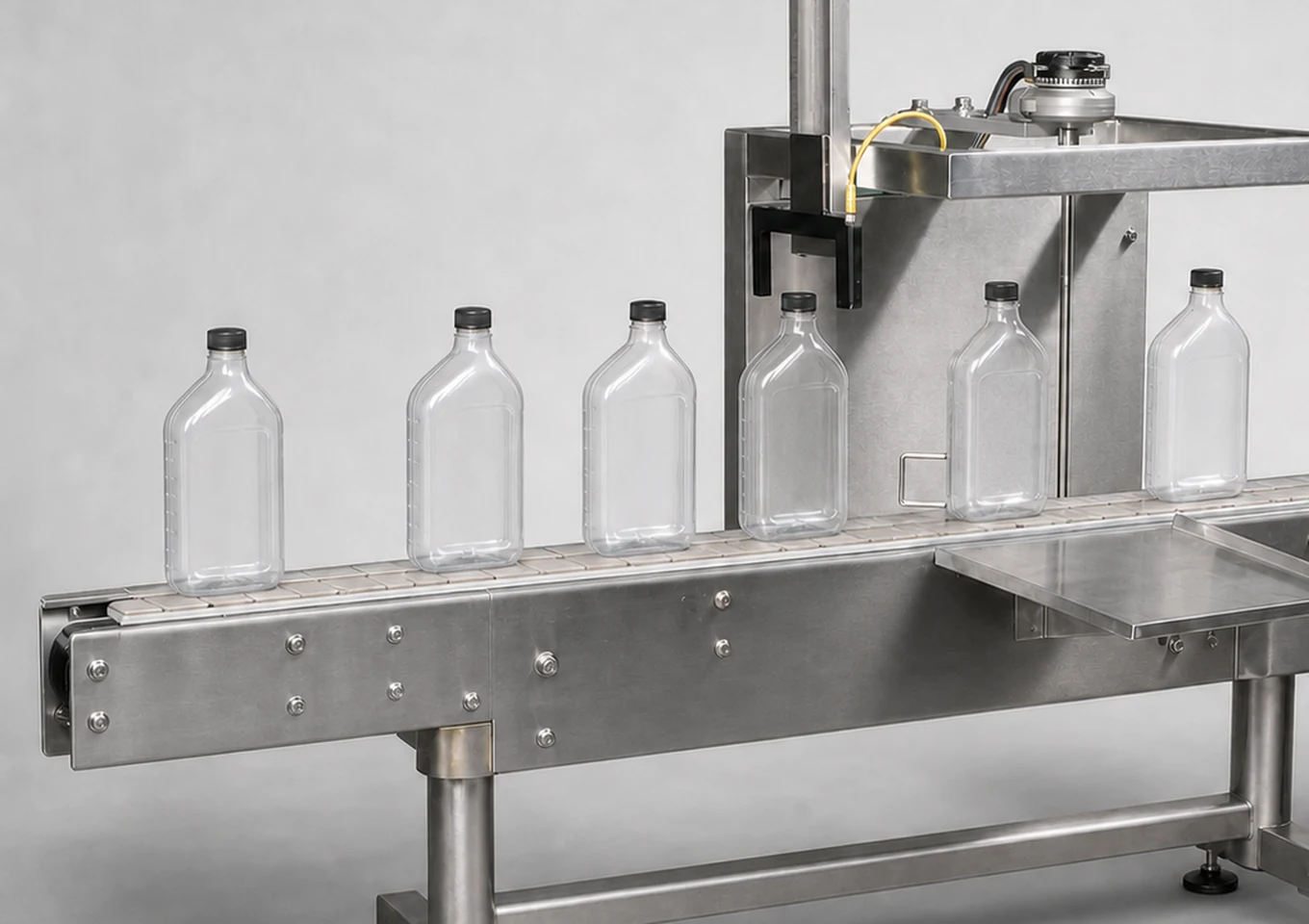
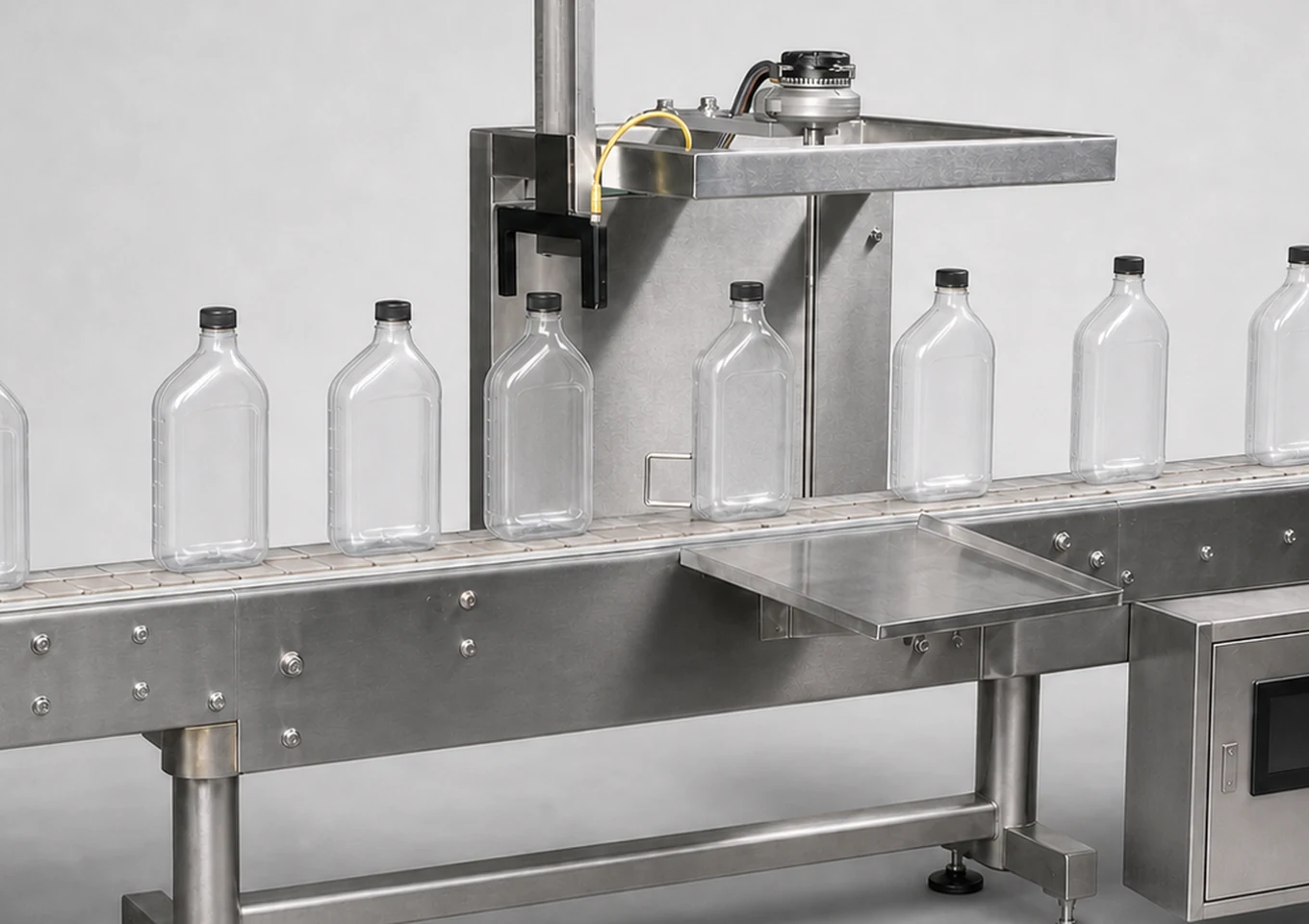
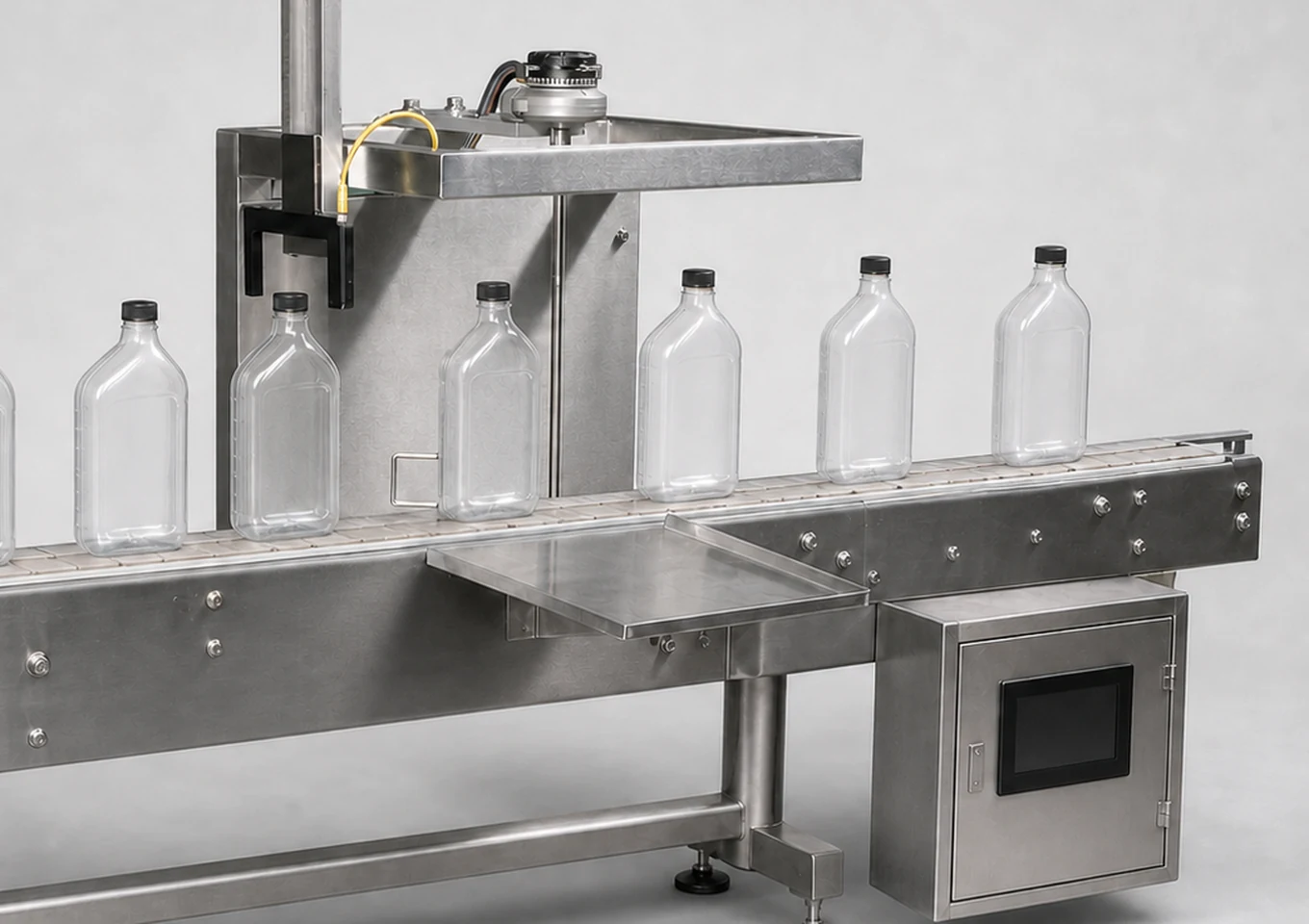
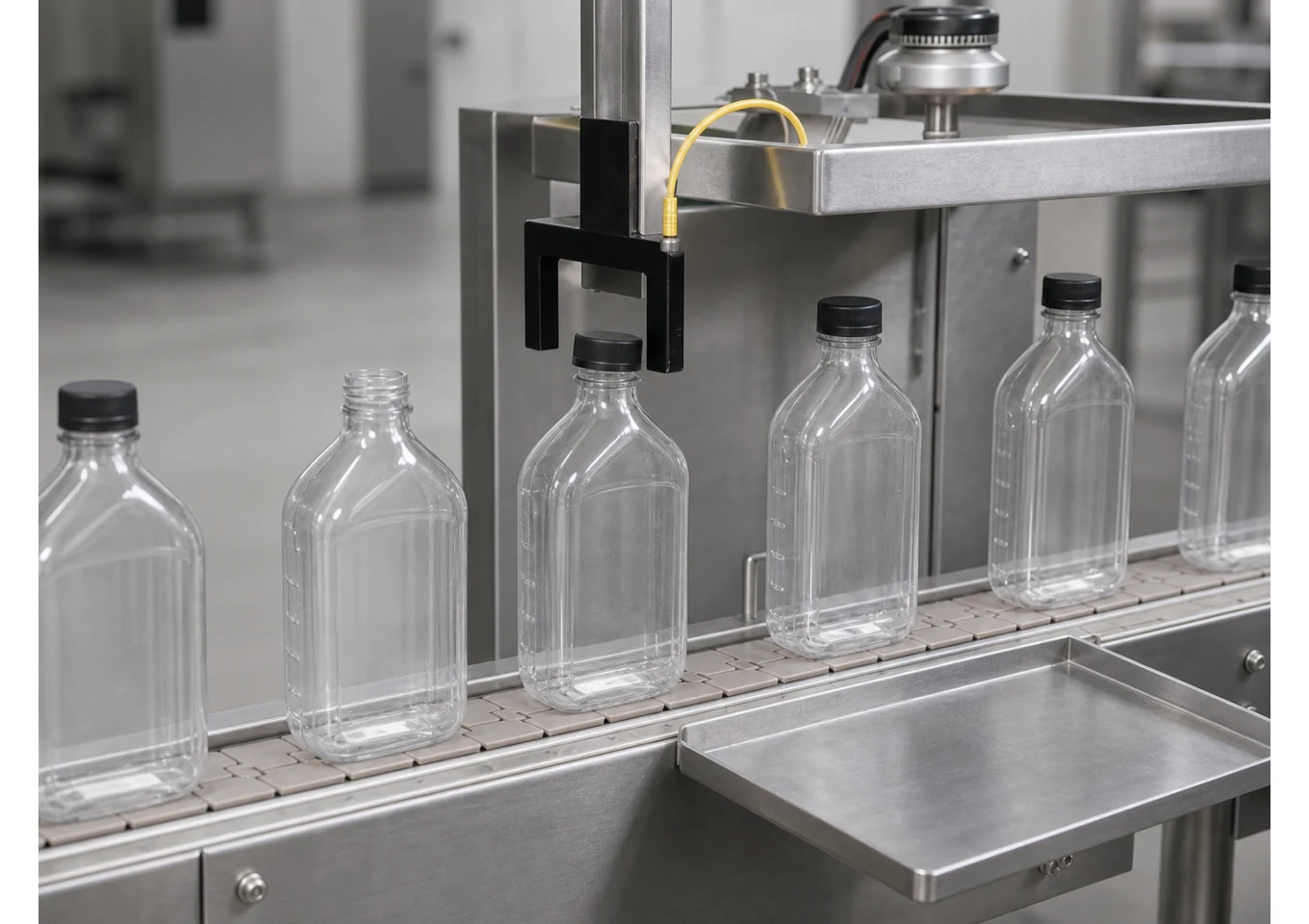
For online visual screening after the capping station. Confirm bottle and cap samples, color and reflection, visible defect types, camera views, line speed and pitch, false-reject requirement, reject location and line stop logic. Validate the boundary with good, missing-cap and graded skewed-cap samples.

Inline detection of missing and visibly skewed capsInspection rules based on actual defect samplesAlarm and rejection can be linked
Bottle Cap Inspection Machine
Equipment structure reference; final configuration follows the agreed samples and technical list.

Equipment structure reference

This reference helps explain possible stations and process relationships. Final layout, configuration and capability follow the agreed samples and technical list.

Bottle Cap Inspection Machine

Selection guide

Selection Judgment

Start by checking container, product, size and output.

01

Machine scope

For online visual screening after the capping station. Confirm bottle and cap samples, color and reflection, visible defect types, camera views, line speed and pitch, false-reject requirement, reject location and line stop logic. Validate the boundary with good, missing-cap and graded skewed-cap samples.

02

Production-sample trials

Use good samples and graded defects to establish visible limits, then check reflection, obstruction, triggering and container pitch on site. Develop decision rules only for the agreed defect scope.

Selection guide

Send these materials for faster response

Photos, key dimensions, and packaging material details are enough to start; if details are incomplete, we will review the direction first.

Configuration reference

  • Inline detection of missing and visibly skewed caps
  • Inspection rules based on actual defect samples
  • Alarm and rejection can be linked
  • Multi-angle inspection and traceability can be assessed.

Prepare for selection

  • Photos, key dimensions and actual samples of containers, lids or finished packs
  • Good samples and defects of different severity
  • Decision criteria, acceptable false-reject limits and handling of abnormal packs
  • Required cycle, transfer position, site layout and acceptance requirements

Selection guide

Technical parameters

01

Automation type

Online automatic inspection; multi-angle cameras, rejection and data correlation configured per project

02

Applicable containers or packaging

Bottles and jars with screw caps, press caps, pump heads or similar closures

03

Applicable materials or products

Packaged products after capping or screw capping

04

Packaging materials and consumables

Caps, pump heads, tamper-evident rings and bottle neck areas must have detectable features

05

Basic process

Product trigger, cap imaging or sensor detection, rule judgment, alarm and rejection

06

Speed and capacity

Confirmed based on samples, cycle time, process time, upstream/downstream speed and final configuration.

07

Changeover method

When cap color, shape or bottle height changes, guides, cameras and inspection recipes need adjustment.

08

Optional modules

Multi-angle inspection, tamper-evident ring check, OCR, torque test interface and traceability archiving are optional modules.

All parameters
09

Power supply, air supply and equipment dimensions

Confirmed based on export region, drive structure, site layout and final configuration.

10

Upstream/downstream integration

Positioned after screw capping or press capping, can connect to labeling, coding, sealing and case packing stations.

11

Testing and acceptance

Please provide good, missing-cap and skewed-cap samples, cap specifications, line speed, bottle pitch, false rejection requirements and rejection location.

Send samples and capacity requirements for a clearer solution

01Container and Sample

Photos, drawings, or samples help confirm diameter, height, stacking, and sealing contact surface.

02Film, lid, or gasket

Material, thickness, easy-tear or leak-proof requirements affect sealing temperature, pressure, and tooling.

03Capacity and Line Layout

Hourly capacity, manual or automatic feeding, conveying, and downstream packaging determine final configuration.

Configuration Selection

Select Configuration by Production Method

Define missing-cap and skewed-cap severity first. Use real bottle and cap samples to compare camera positions, visible features, rejection methods and upstream/downstream interlocks.

01

Appearance checks and seal validation

First accept filling and sealing according to the agreed method; appearance screening is only a project option and cannot replace leak or peel testing.

02

Rejection and line interlocks

Plan inspection and rejection positions together. Verify identification, tracking, rejection or line-stop actions and the destination of abnormal packs item by item; a screen result alone is insufficient.

Inspection, Weighing and Traceability Equipment

Selection guide

Frequently Asked Questions

What information is needed before solution confirmation?

Please provide good, missing-cap and skewed-cap samples, cap specifications, line speed, bottle pitch, false rejection requirements and rejection location.

Are the optional modules on the page part of the standard configuration?

No. Multi-angle inspection, tamper-evident ring check, OCR, torque test interface and traceability archiving are optional modules. All need separate confirmation per project scope.

Can a fixed speed or compatibility range be directly promised?

Cannot promise without actual samples and line conditions. Speed, compatibility range, tooling quantity and acceptance criteria are based on sample testing and final technical proposal.

Provide sample details

Have samples or parameters? You can inquire directly

Send photos of normal products and the abnormal area, the defects you want to check and the line conditions. We can first review visible features and station options, then identify the samples needed for trials.

Photos, key dimensions and actual samples of containers, lids or finished packsGood samples and defects of different severityDecision criteria, acceptable false-reject limits and handling of abnormal packsRequired cycle, transfer position, site layout and acceptance requirements

Inquiry

Online Inquiry Form

Please specify container type, sealing material, speed target, sample status, and target market.

* Enter at least an email address or phone / WhatsApp number so we can reply.

Complete the security check before submitting your inquiry.
Discuss Selection & Get a QuoteWhatsApp