Applicable containers
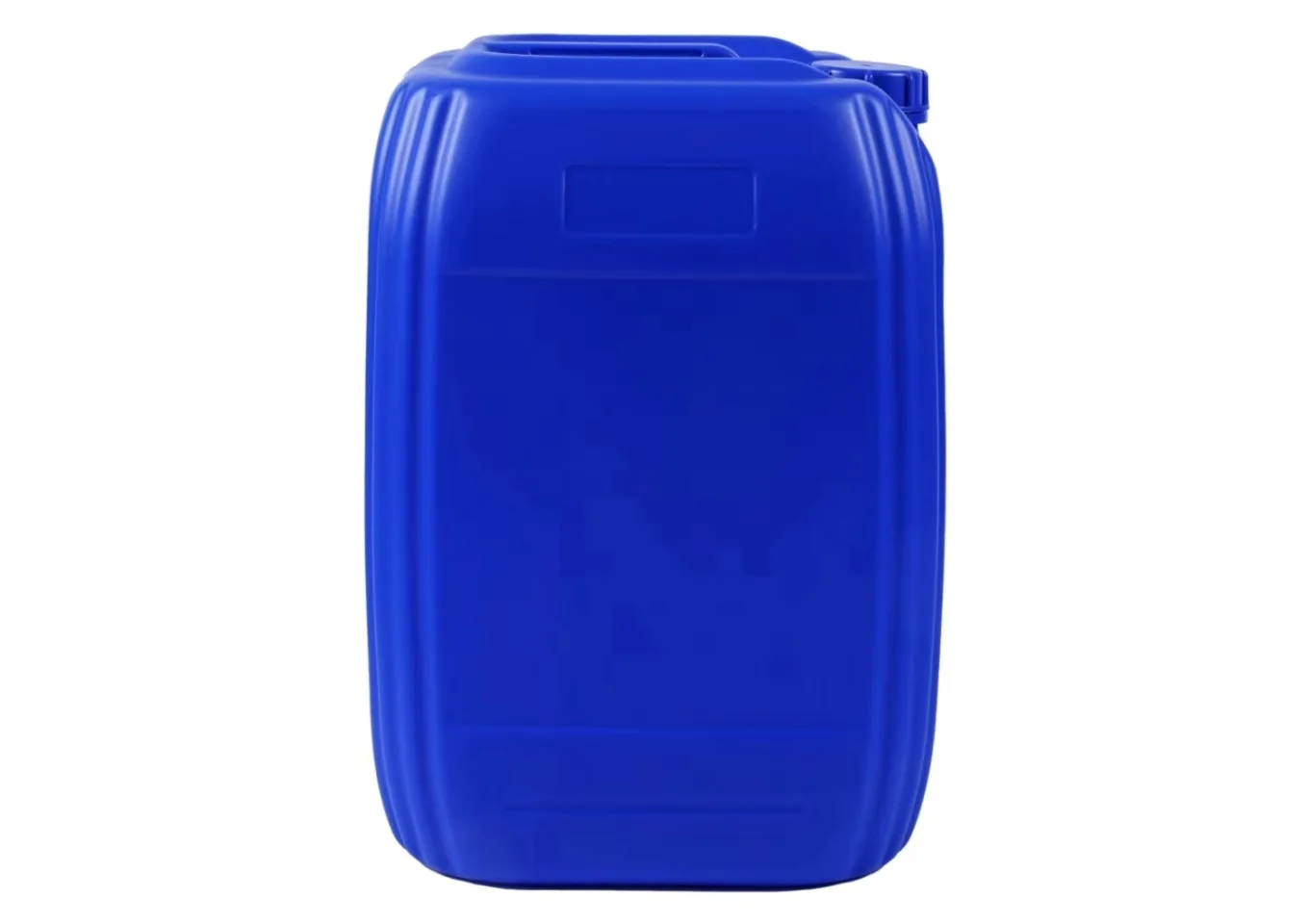
Bottles, pails, cans, flexible bags, wide-mouth containers
Filling / Dosing Equipment
This direction covers alcohol, cleaners, fragrances or solvents that may present flammable-vapour risk. Qualified parties must assess the MSDS, flash point, volatility, corrosion, area classification, ventilation, static grounding, power and local rules, then define filling method, contact materials, containment or recovery, container and downstream scope. No rating, certification or suitability is promised before project review.
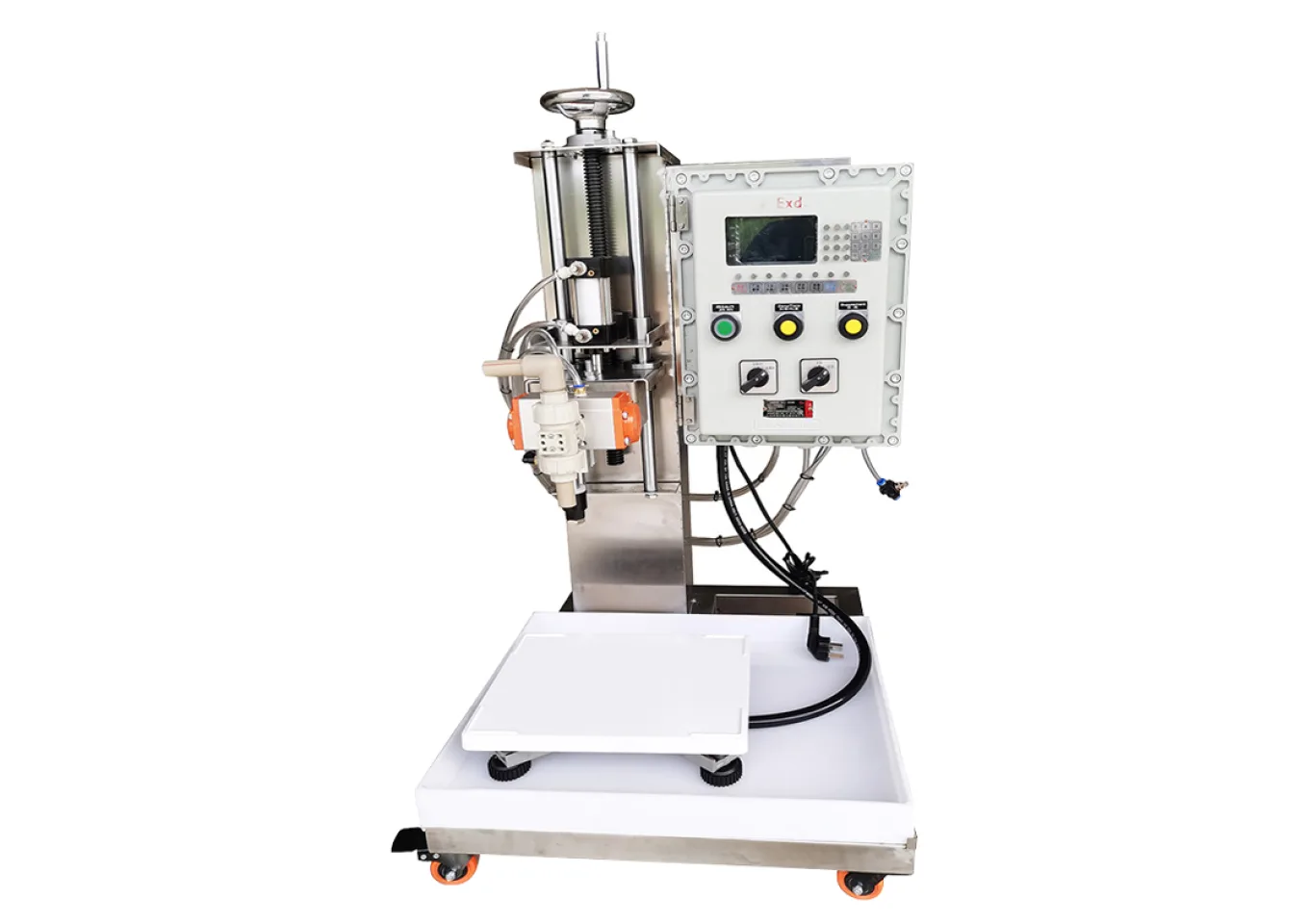
These are factory photos of the actual machine only. Packaging format, materials and final configuration are confirmed with trial samples and the agreed list.
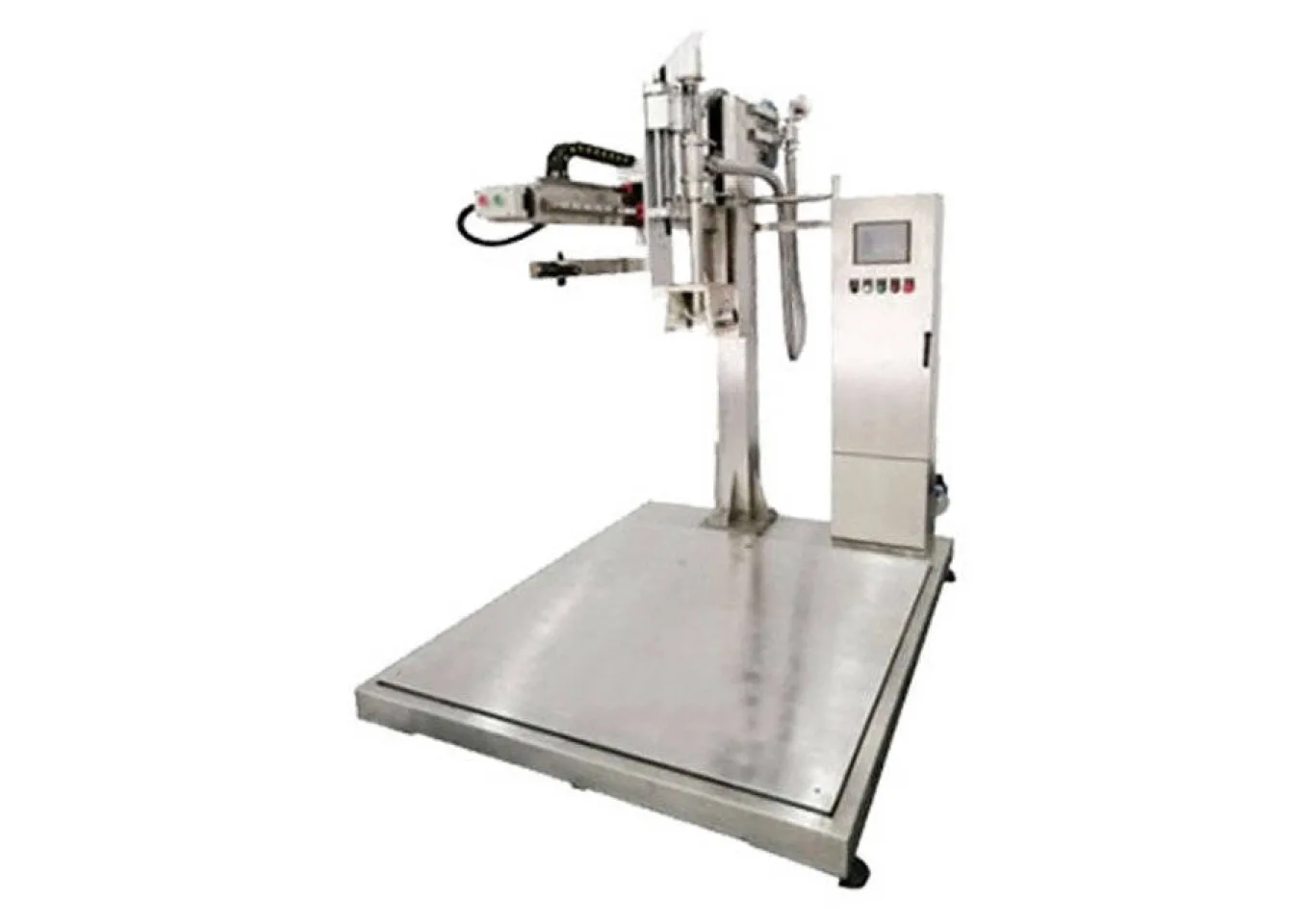
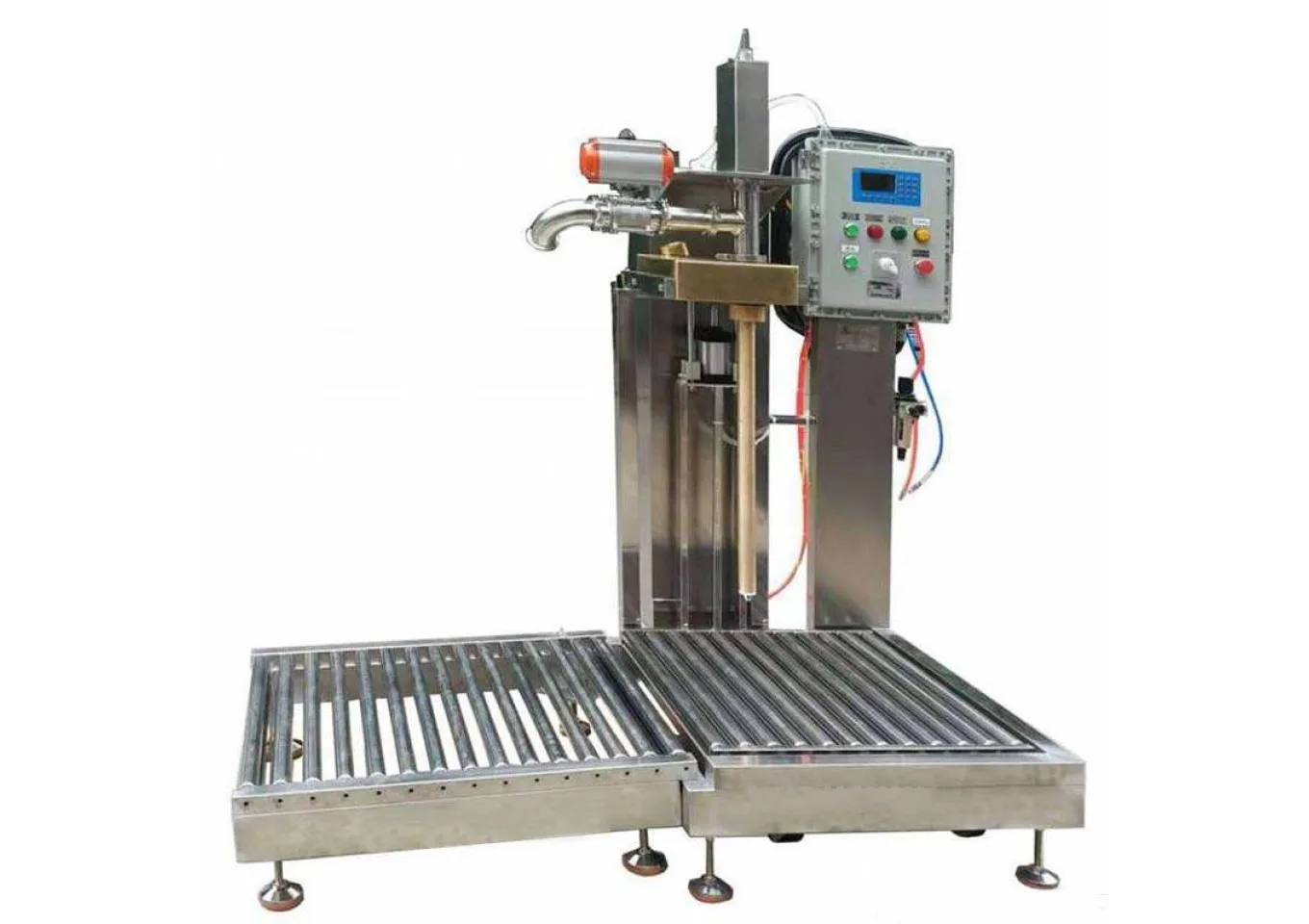
Selection points
These details decide machine structure, changeover method and quotation accuracy.
Bottles, pails, cans, flexible bags, wide-mouth containers
Filling nozzle, hopper, conveyor line, bottle caps or sealing film
Quantitative material filling
Confirmed based on fill volume, material state, number of heads, and loading/unloading method; can be single-head, multi-head, weighing type, or integrated with sealing and labeling
Selection points
Photos, key dimensions, and packaging material details are enough to start; if details are incomplete, we will review the direction first.
Selection points
These details decide machine structure, changeover method and quotation accuracy.
YJ-GZ-ZD330
Confirmed based on fill volume, material state, number of heads, and loading/unloading method: 300-600/hour
Can be single-head, multi-head, weighing type, or integrated with sealing and labeling, floor-standing
Bottles, pails, cans, flexible bags, wide-mouth containers
Material viscosity, target fill volume, anti-drip requirements, cleaning method
Liquids, pastes, sauces, powders, granules
Filling nozzle, hopper, conveyor line, bottle caps or sealing film
Quantitative material filling
Configuration selection
Photos, key dimensions, and packaging material details are enough to start; if details are incomplete, we will review the direction first.
Send product, container, material, dimensions and target output.
Confirm configuration by process, changeover, cycle time and line needs.
Test sealing, filling, labeling or inspection results when needed.
Quote after confirming power, layout, lead time and spare parts.
Configuration selection
A general filler does not become a compliant line merely by changing electrical parts; ventilation, grounding, area, controls and adjacent machines require joint review.
Filling / Dosing Equipment
A general filler does not become a compliant line merely by changing electrical parts; ventilation, grounding, area, controls and adjacent machines require joint review.
Selection points
These details decide machine structure, changeover method and quotation accuracy.
It can be judged based on standard structure first, but not just by name. Need to confirm material viscosity, target fill volume, anti-drip requirements, cleaning method, and then check whether it is suitable for on-site cycle time based on fill volume, material state, number of heads, and loading/unloading method.
Quantitative material filling is affected by bottle, pail, can dimensions, filling nozzle, hopper, conveyor line structure, and liquid, paste, sauce state. The clearer the samples, the easier to determine mold, temperature, pressure, torque, or inspection method.
Can be single-head, multi-head, weighing type, or integrated with sealing and labeling. If there are existing upstream/downstream equipment, need to simultaneously confirm conveying height, direction, speed, and signal interface.
It is recommended to review sample test results, key dimensions, consumable specifications, power and air supply, cleaning and maintenance methods, and spare parts list to avoid modifying molds or adjusting stations on-site.
Send Sample Information
Send MSDS, flash point, volatility and corrosion, country and area classification, ventilation, grounding, power, product and closure samples, dose, cleaning/recovery, cycle and acceptance rules.