Automation type
Online automatic inspection; detection principle, rejection, and data interface confirmed per project
Inspection, Weighing and Traceability Equipment
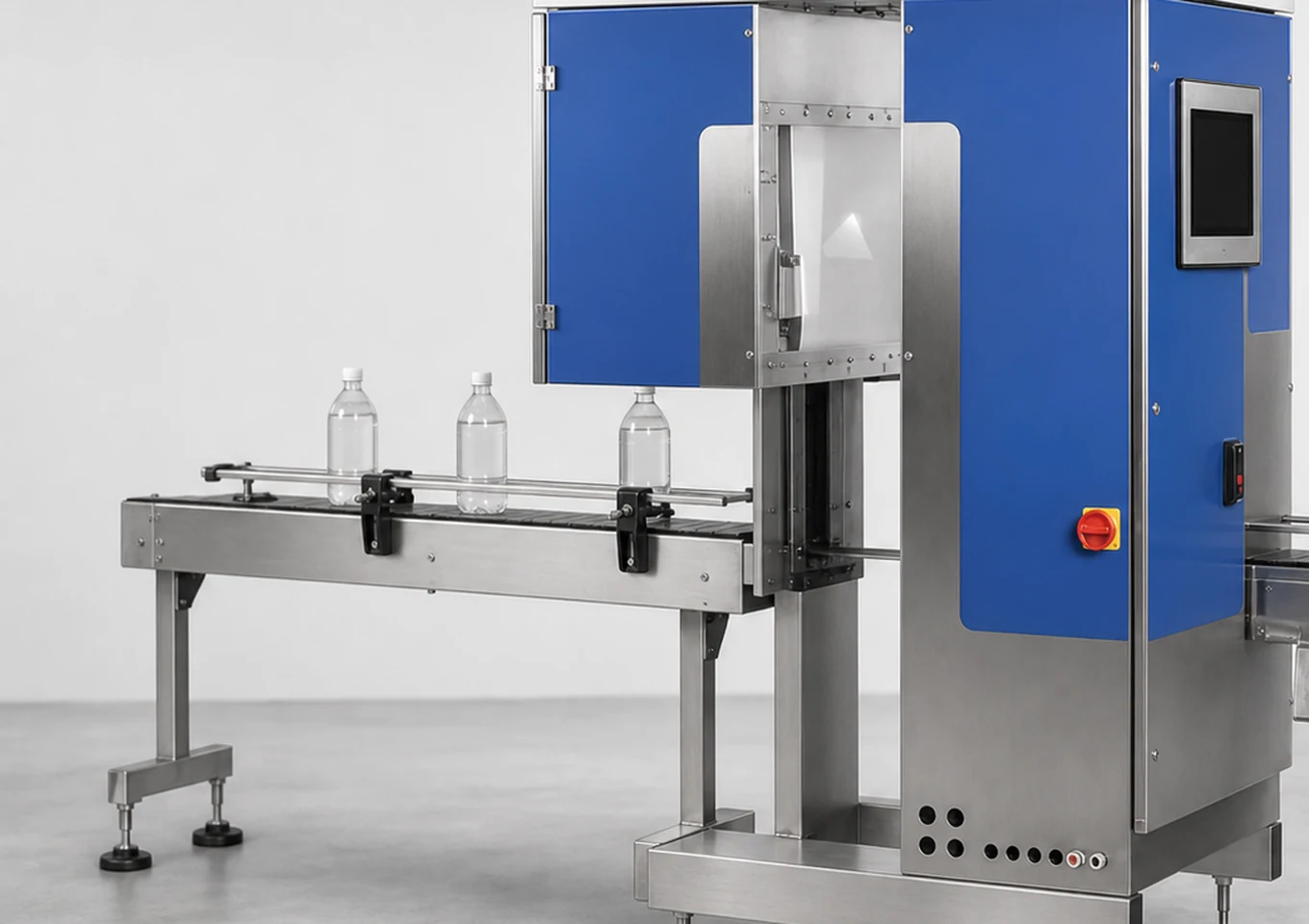
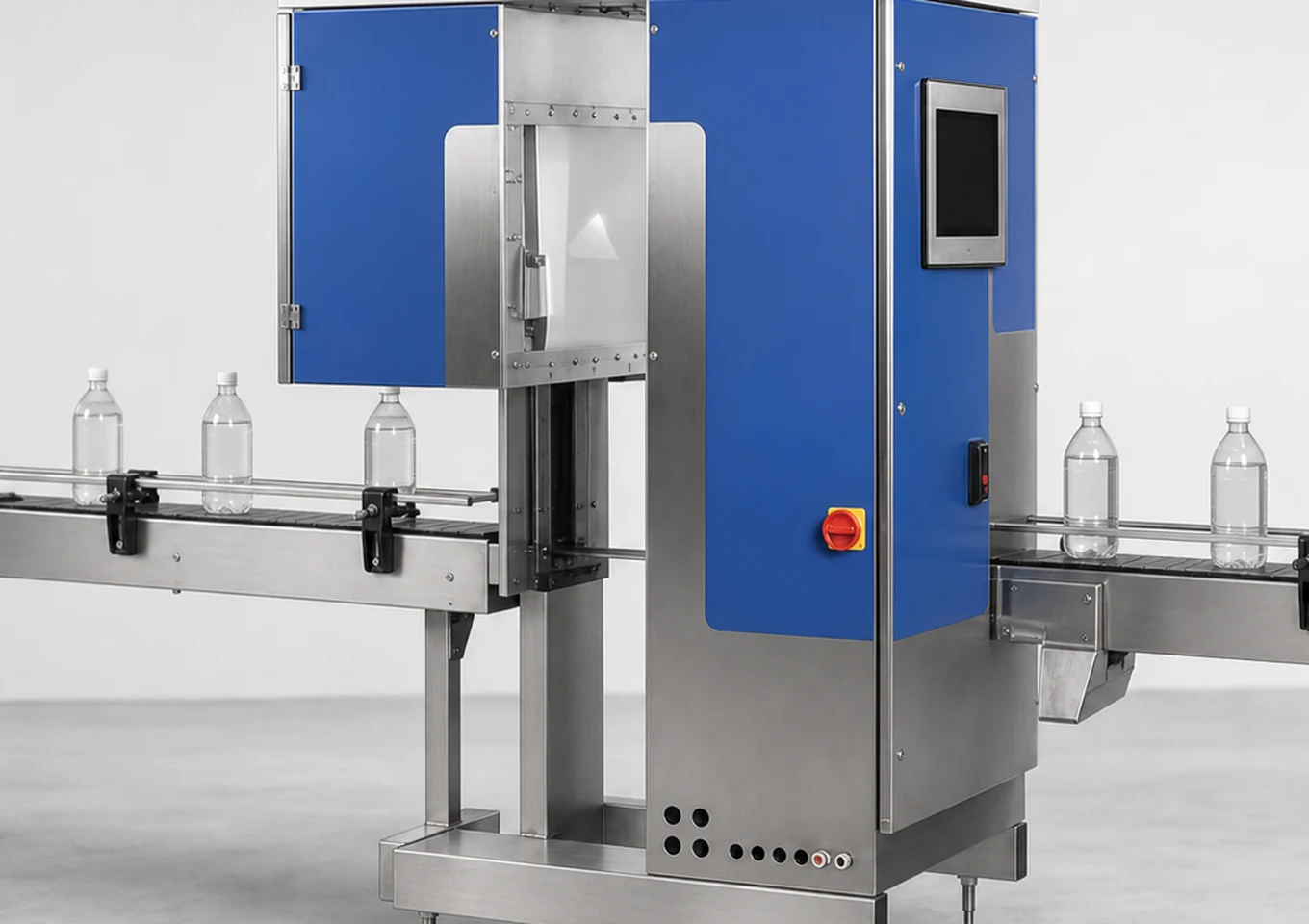
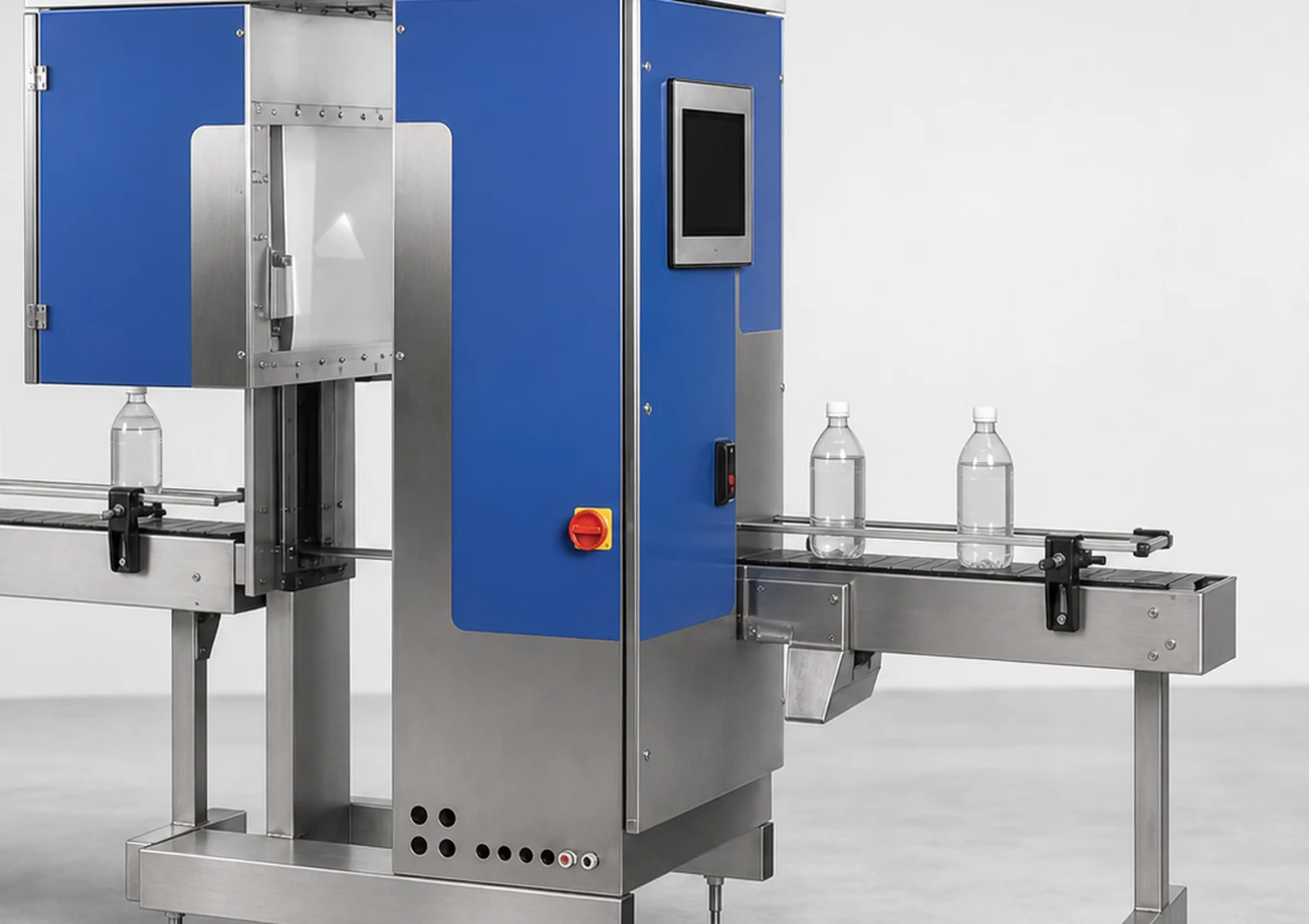
Used to check obvious underfill, overfill, or abnormal liquid level after filling. The detection method must be selected based on container transparency, label obstruction, foam, liquid color, and bottle type. Liquid level detection is not equivalent to precision metering or legal weighing.
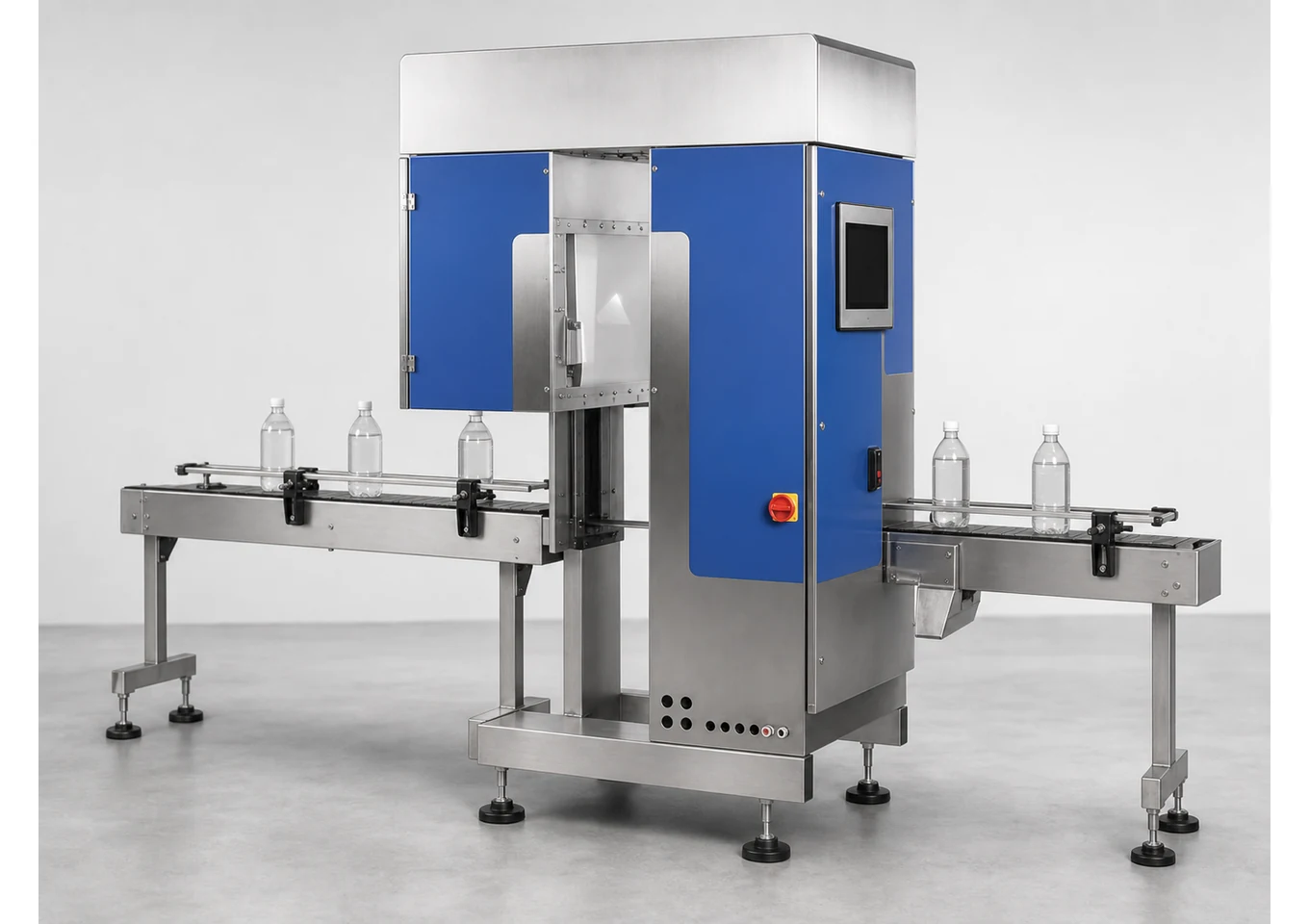
This reference helps explain possible stations and process relationships. Final layout, configuration and capability follow the agreed samples and technical list.
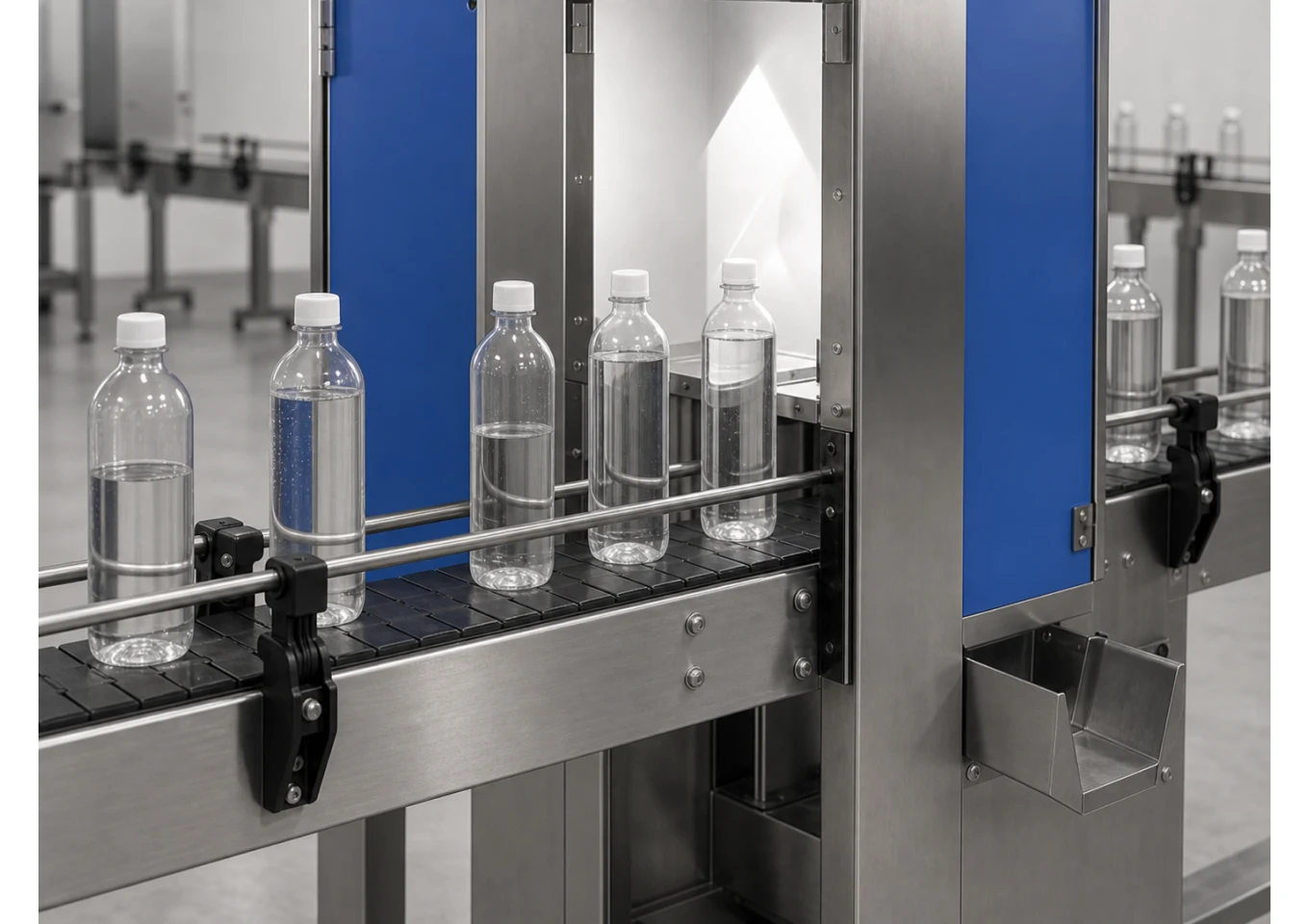
Selection guide
Start by checking container, product, size and output.
Online automatic inspection; detection principle, rejection, and data interface confirmed per project
Bottles and jars whose liquid level can be judged by vision, photoelectric, X-ray, or other validated methods
Liquids, low-viscosity, or products that can form a stable liquid surface
Container color, wall thickness, label position, and liquid level area must support the selected detection method
Selection guide
Photos, key dimensions, and packaging material details are enough to start; if details are incomplete, we will review the direction first.
Selection guide
Start by checking container, product, size and output.
Online automatic inspection; detection principle, rejection, and data interface confirmed per project
Bottles and jars whose liquid level can be judged by vision, photoelectric, X-ray, or other validated methods
Liquids, low-viscosity, or products that can form a stable liquid surface
Container color, wall thickness, label position, and liquid level area must support the selected detection method
Container triggering, liquid level detection, threshold judgment, result recording, and abnormal rejection
Confirmed based on samples, action cycle, process time, upstream/downstream speed, and final configuration.
When bottle type, color, liquid level standard, or label position changes, sensors and detection recipes need adjustment.
Vision, X-ray, or weighing cross-validation, data archiving, and multi-specification recipes are optional.
Configuration Selection
Photos, key dimensions, and packaging material details are enough to start; if details are incomplete, we will review the direction first.
Photos, drawings, or samples help confirm diameter, height, stacking, and sealing contact surface.
Material, thickness, easy-tear or leak-proof requirements affect sealing temperature, pressure, and tooling.
Hourly capacity, manual or automatic feeding, conveying, and downstream packaging determine final configuration.
Configuration Selection
Do not select from the machine name alone. Compare container transparency, level tolerance, foam and wall coating, trigger, rejection and verification and confirm the boundary with actual samples.
Inspection, Weighing and Traceability Equipment
Do not select from the machine name alone. Compare container transparency, level tolerance, foam and wall coating, trigger, rejection and verification and confirm the boundary with actual samples.
Selection guide
Start by checking container, product, size and output.
Please provide samples with different liquid levels, containers and labels, foam conditions, line speed, allowable error, and rejection requirements.
No. Vision, X-ray, or weighing cross-validation, data archiving, and multi-specification recipes are optional. All need separate confirmation based on project scope.
Cannot promise without actual samples and line conditions. Speed, compatibility range, tooling quantity, and acceptance criteria are based on sample testing and final technical solution.
Provide sample details
Send actual product or pack samples, critical dimensions, container transparency, level tolerance, foam and wall coating, trigger, rejection and verification, target cycle, layout and acceptance criteria. Photos, videos or drawings can be reviewed first.