Selection priorities
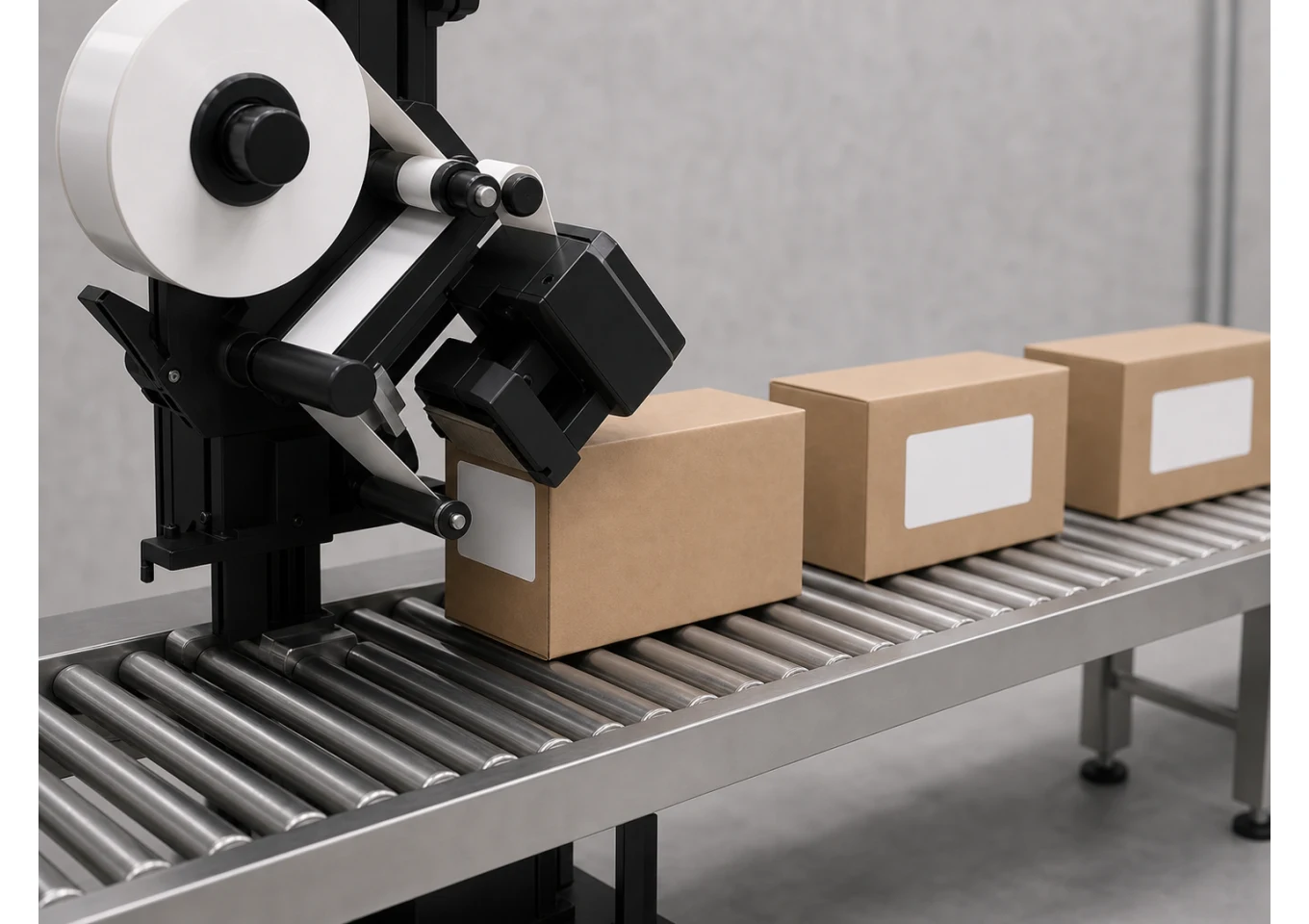
Receives batch or order data, prints labels in real time and automatically applies them to products or outer cartons.
Labeling, Coding and Marking Equipment
Receives batch or order data, prints labels in real time and automatically applies them to products or outer cartons.
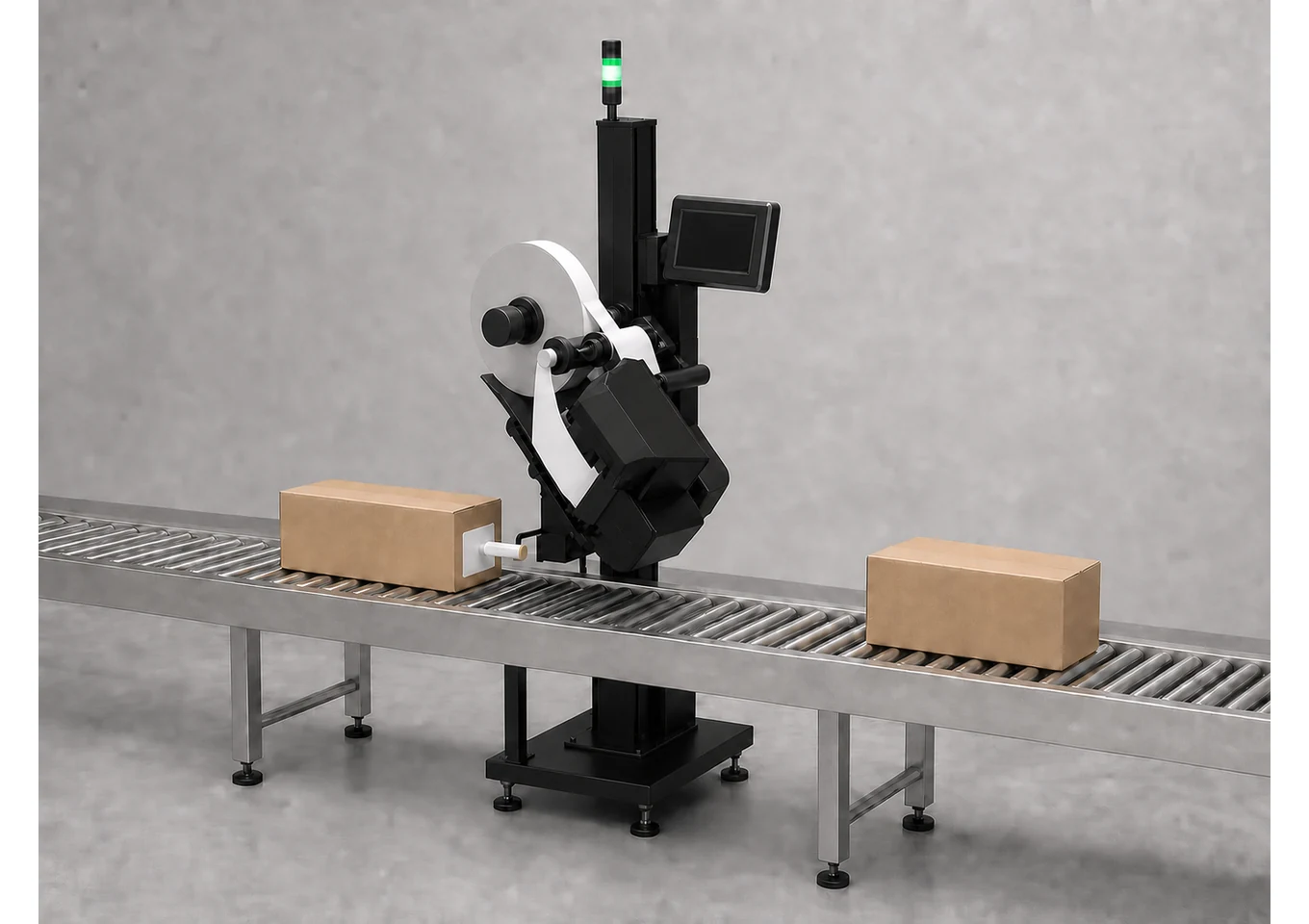
This reference helps explain possible stations and process relationships. Final layout, configuration and capability follow the agreed samples and technical list.
Selection guide
Start by checking container, product, size and output.
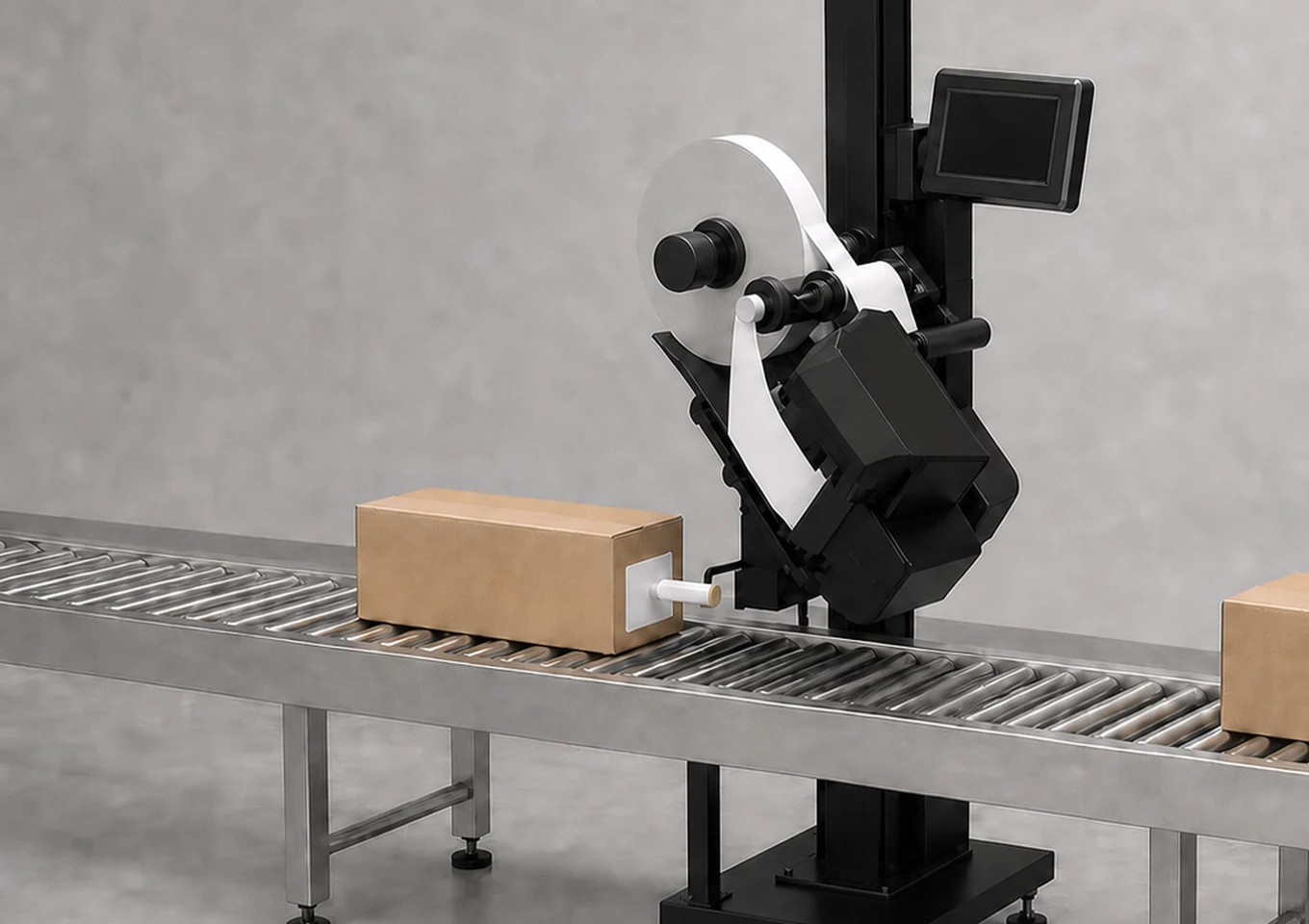
Receives batch or order data, prints labels in real time and automatically applies them to products or outer cartons.
Inner packaging and outer case use their own information carriers, and print content, label material, readability direction, and data source are verified separately.
Selection guide
Photos, key dimensions, and packaging material details are enough to start; if details are incomplete, we will review the direction first.
Selection guide
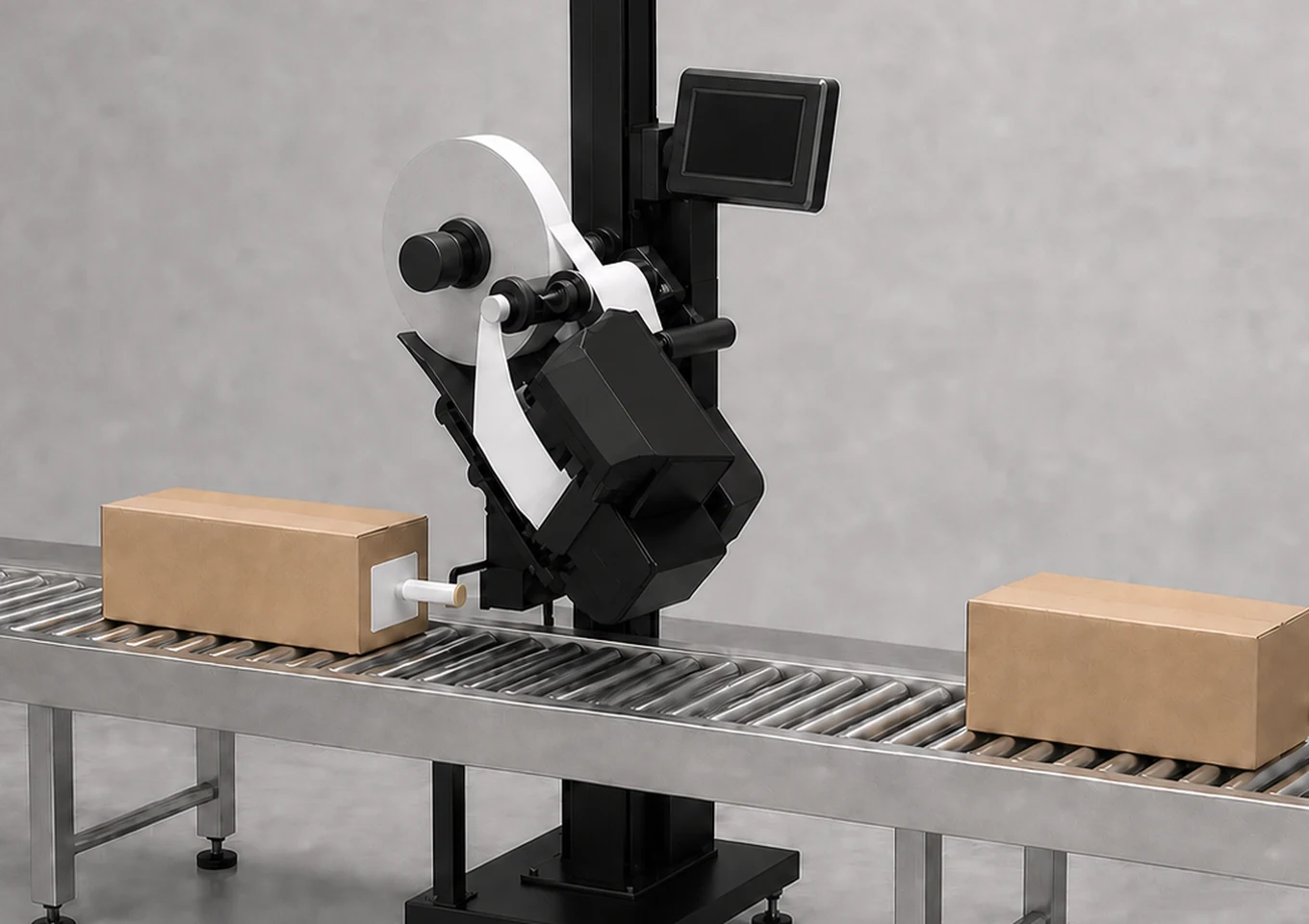
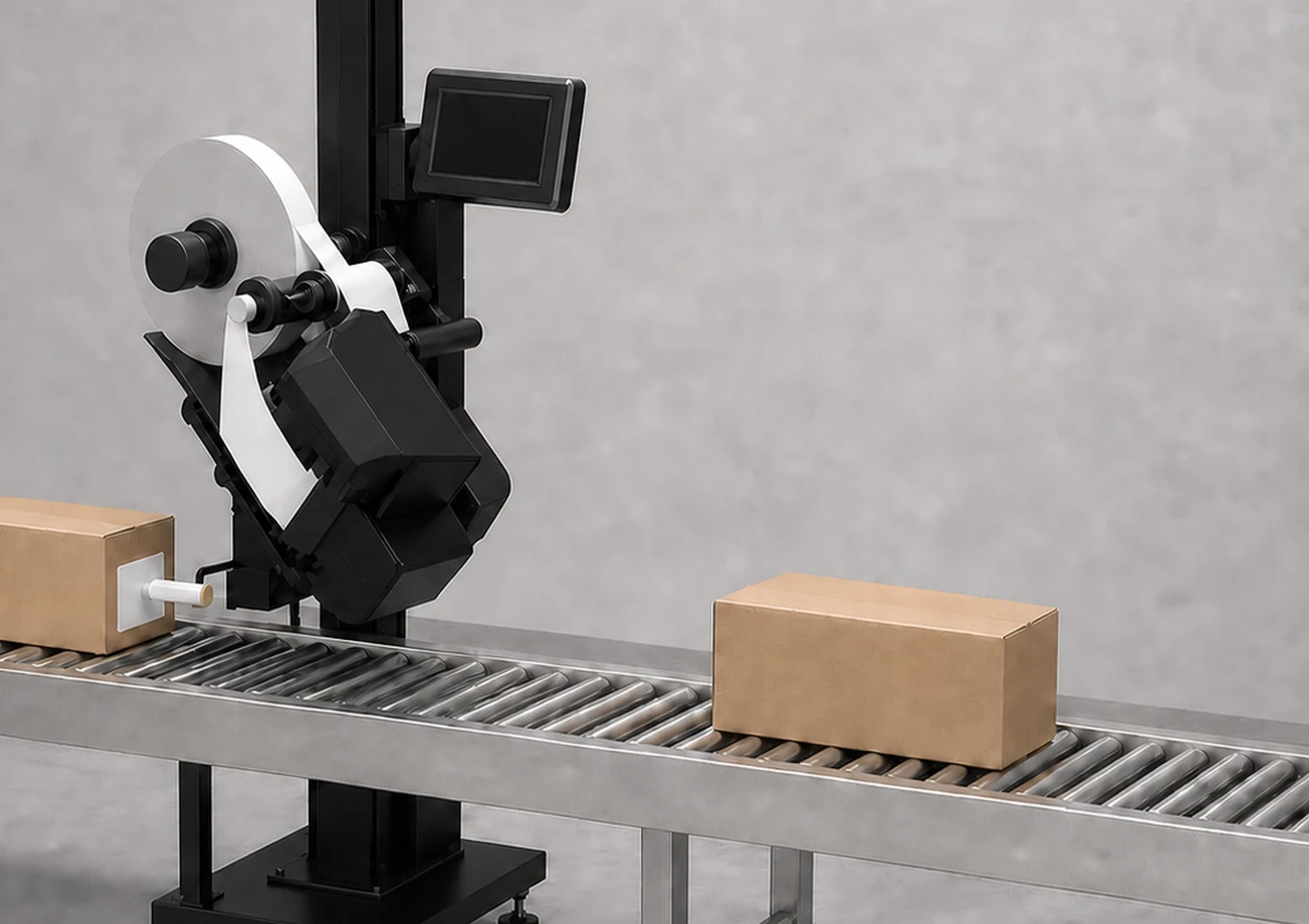
On-line automatic print and apply labeling; data interface, barcode verification and exception buffering configured per project
Cartons, pallets, bags, boxes or packaging with a surface suitable for labeling
Packaged products or logistics units
Thermal or thermal transfer labels and matching ribbons; adhesion and surface condition must be verified
Receive data, generate label, print, transfer label, position and apply, with optional barcode verification
Confirmed based on samples, action cycle, process time, upstream/downstream speed and final configuration.
When label size, labeling surface, package height or data template changes, mechanism and recipe adjustment is required.
Barcode verification, vision inspection, label buffering, database interface and multi-side labeling are optional modules.
Confirmed based on export region, drive structure, site layout and final configuration.
Can connect to case sealing, weighing, sorting, case packing, palletizing and warehouse systems.
Please provide packaging samples, label rolls, print content, labeling position, line speed, data protocol and exception handling process.
Photos, drawings, or samples help confirm diameter, height, stacking, and sealing contact surface.
Material, thickness, easy-tear or leak-proof requirements affect sealing temperature, pressure, and tooling.
Hourly capacity, manual or automatic feeding, conveying, and downstream packaging determine final configuration.
Configuration Selection
Confirm how label content changes with batches or orders first. Use actual artwork and packs to test printing, application and code reading, confirming data sources and exception handling together.
When labels change with part number, batch, or order, the real-time print-and-apply labeler receives data and prints and applies. Simple dates can be handled by a separate coder.
Check positioning, triggering and transfer methods. Confirm infeed/discharge direction, cycle, buffering, abnormal-product handling and stop signals with upstream and downstream sections together.
Labeling, Coding and Marking Equipment
Selection guide
Please provide packaging samples, label rolls, print content, labeling position, line speed, data protocol and exception handling process.
No. Barcode verification, vision inspection, label buffering, database interface and multi-side labeling are optional modules. Each must be separately confirmed based on project scope.
Cannot be guaranteed without actual samples and line conditions. Speed, compatibility range, tooling quantity and acceptance criteria are based on sample testing and final technical proposal.
Provide sample details
Send packaging-sample photos, the required process and approximate output for an initial machine review. Drawings and complete parameters can follow after the first discussion.