What the machine handles
Outer cap and insert of a two-piece plastic closure; shaker-cup lids are one application, not the machine identity
Two-Piece Plastic Cap Assembly
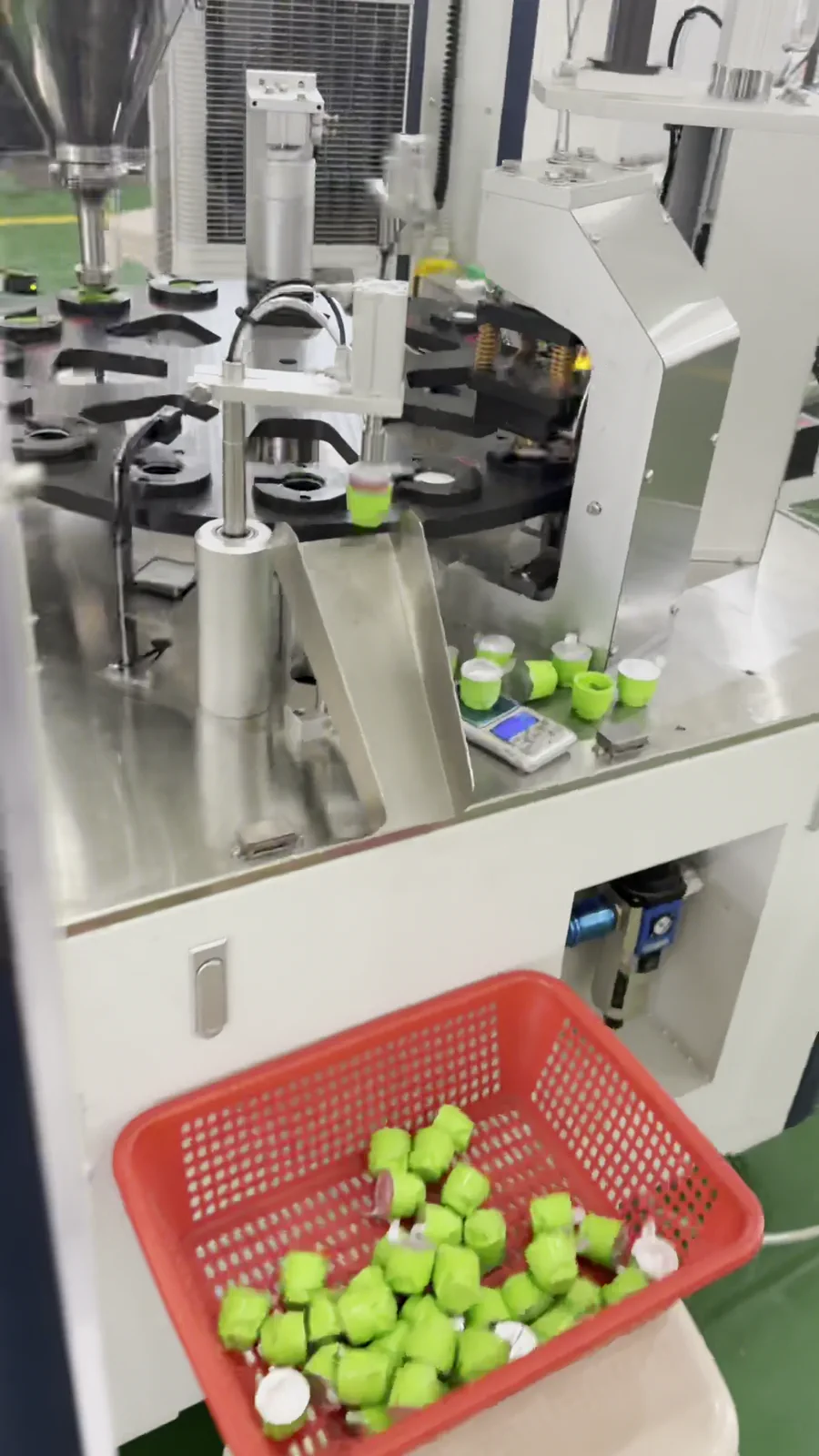
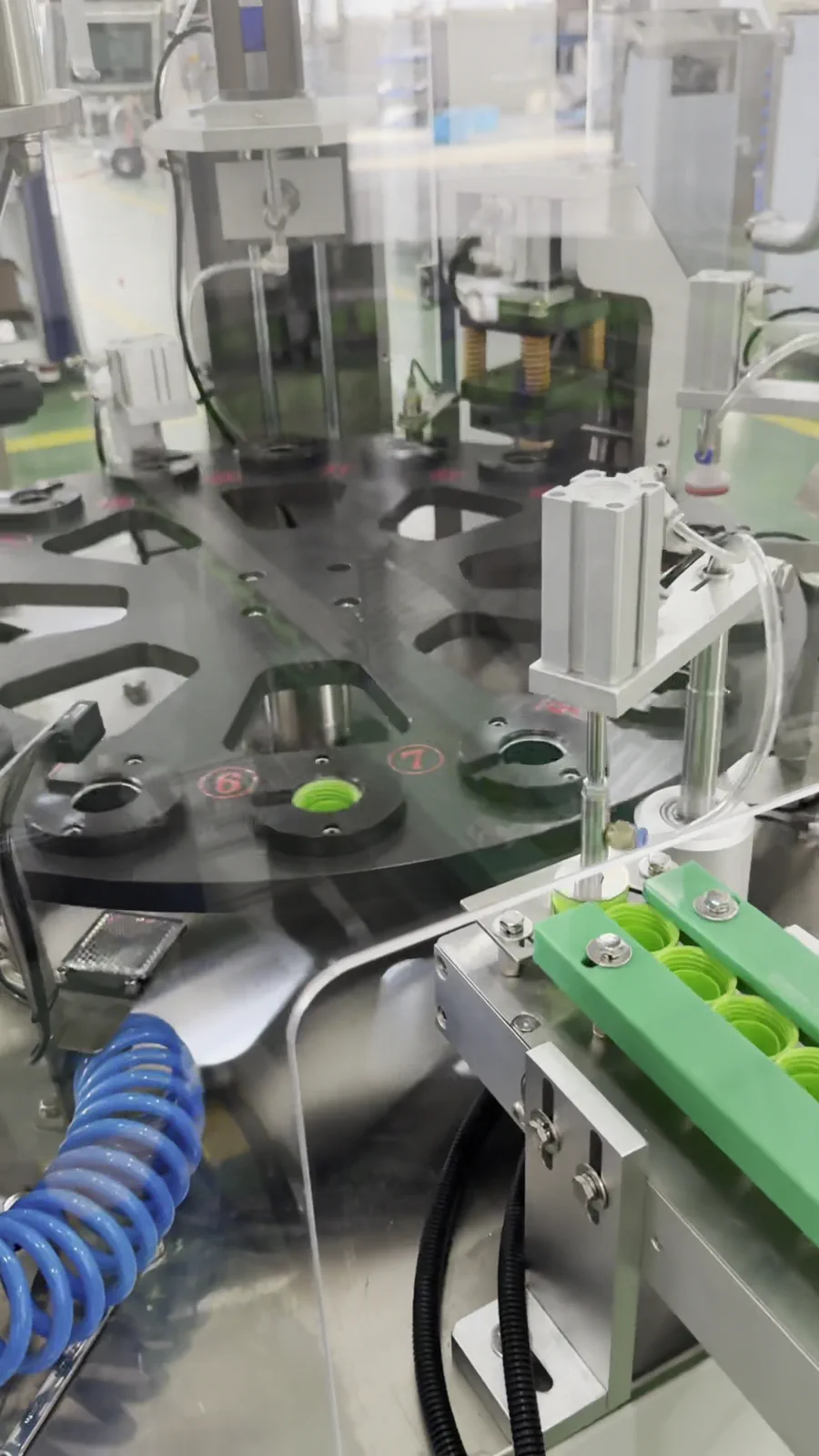
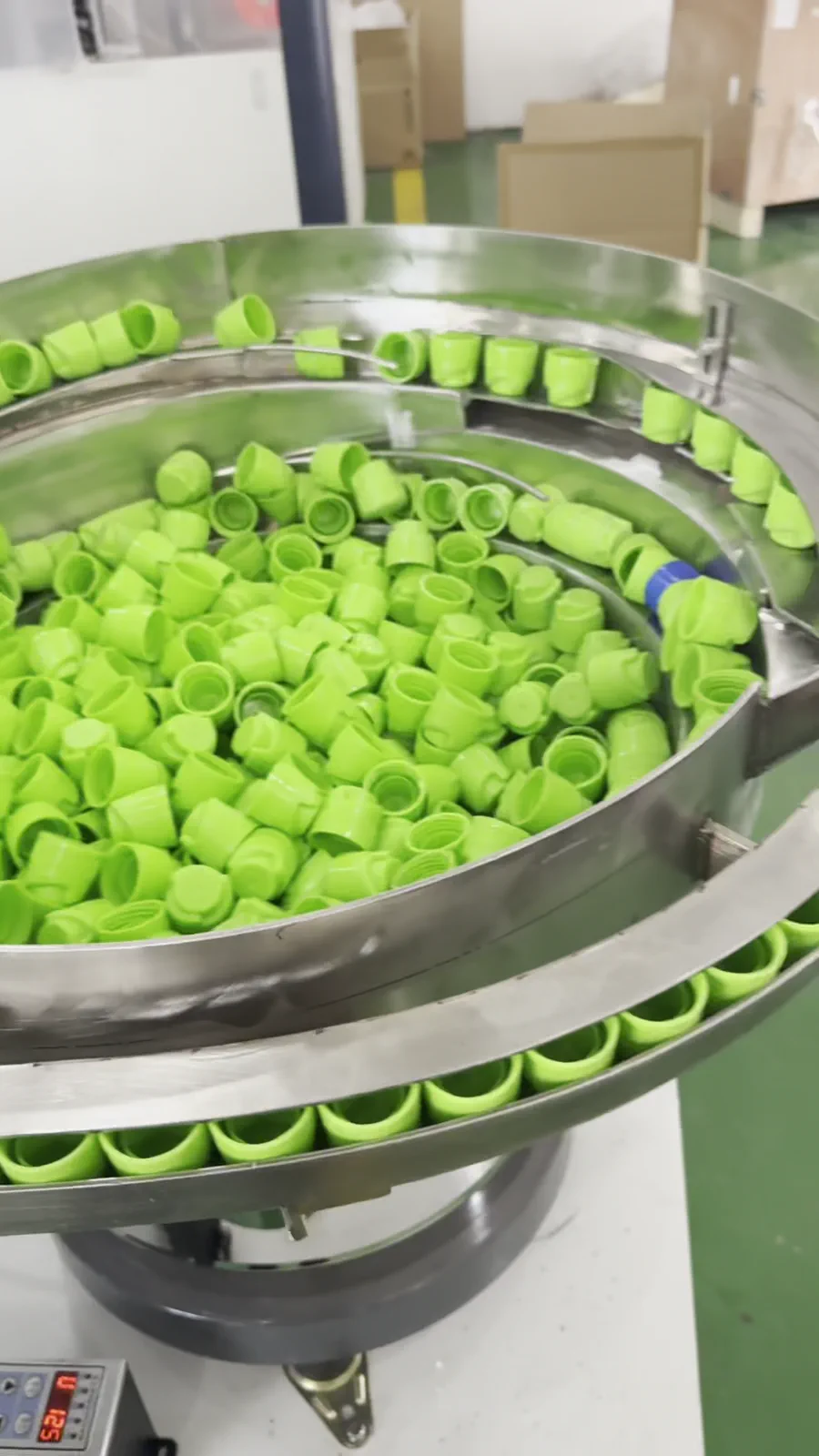
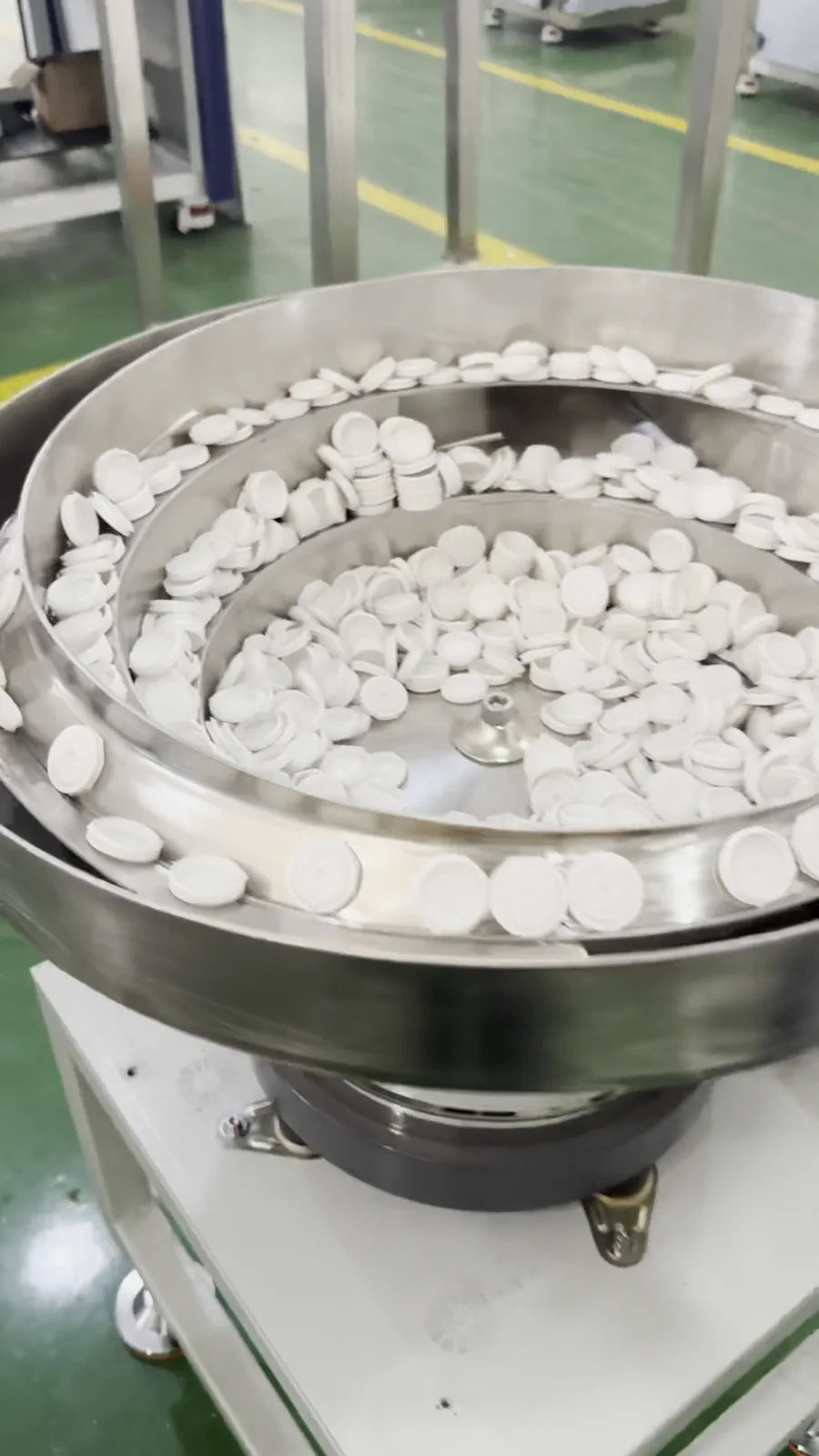
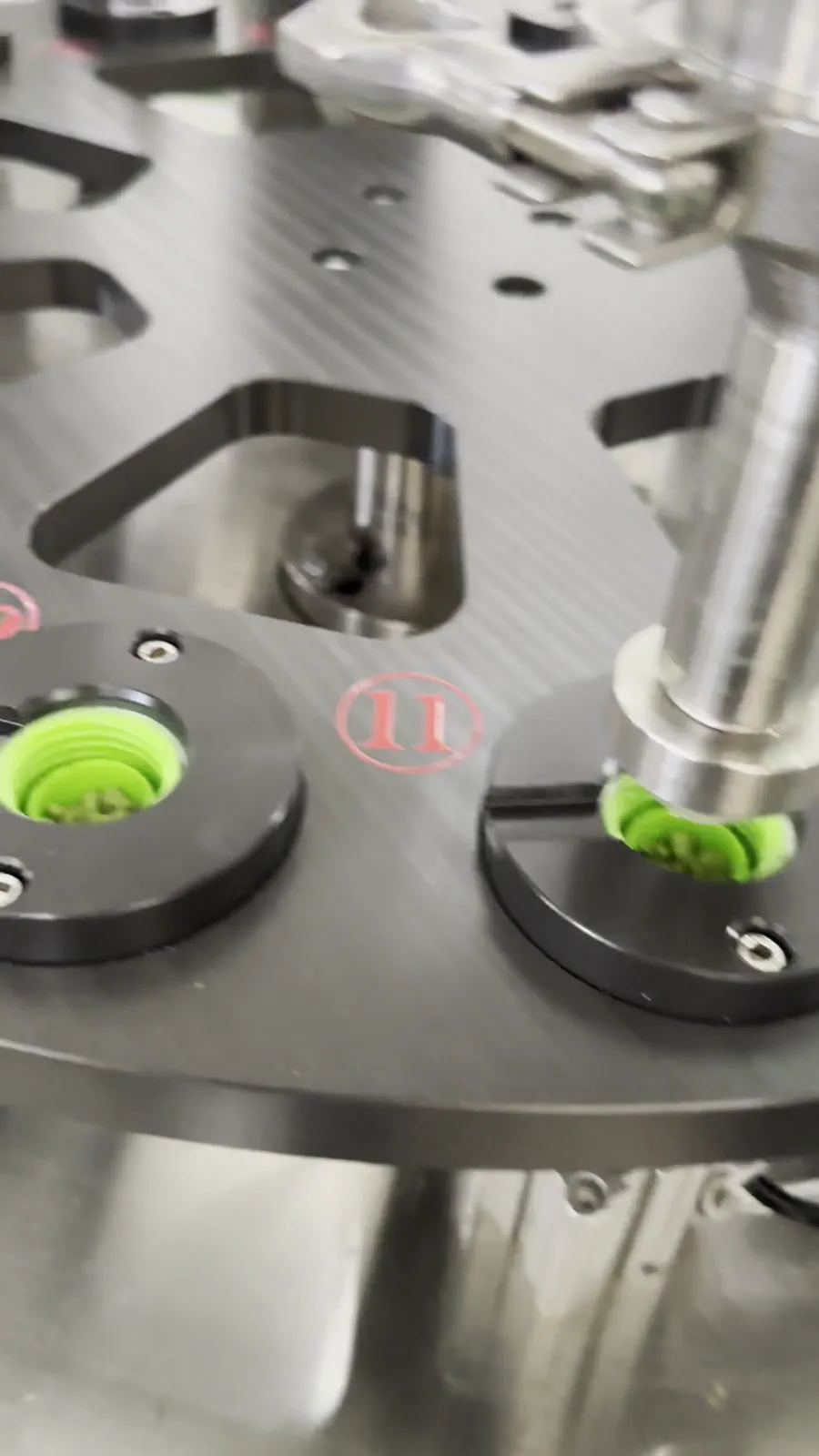
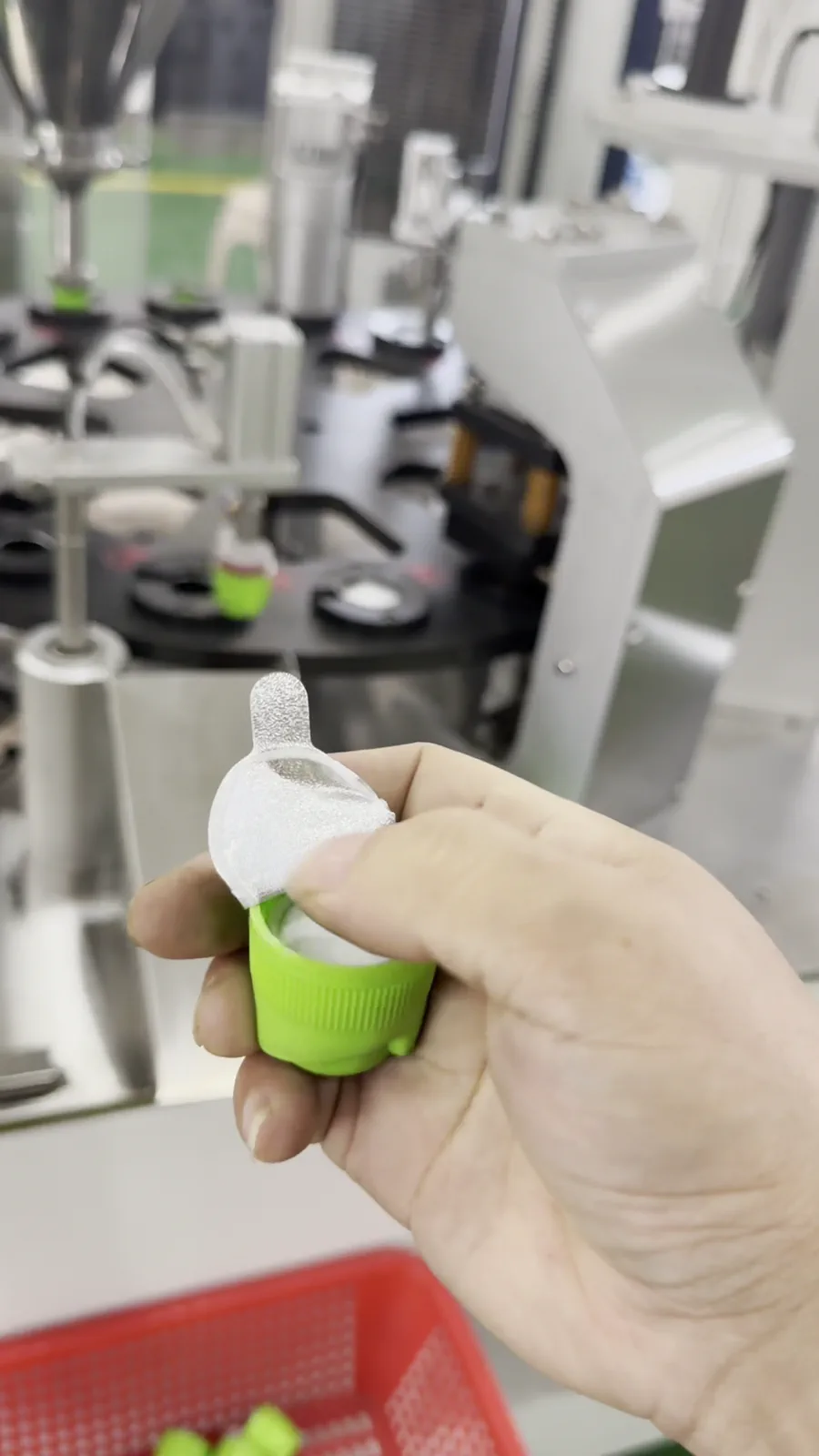
This machine assembles the closure components themselves; it is not a standard capper that applies a finished cap to a bottle or cup. Available video verifies two vibratory bowls, linear tracks, rotary indexing, component assembly, press fitting, and discharge. A shaker-cup lid is one known application, while bowl tooling, rotary fixtures, pressing, inspection, output, and changeover must be confirmed from the outer cap, insert, and matching-container samples.
View operating media
Video confirms the process flow, not a fixed speed or universal tooling.
Actual equipment and operating steps are shown here. Final suitability depends on the agreed samples and equipment scope.
Evidence boundary
A closure assembly machine joins the outer cap and insert. A press capper applies a finished closure to a bottle or cup. Feeding, fixtures, inspection, and acceptance differ.
Outer cap and insert of a two-piece plastic closure; shaker-cup lids are one application, not the machine identity
Two bowl feeders orient parts, linear tracks feed rotary fixtures, and stations assemble, press-fit, and discharge
Orientation, material, tolerance, cosmetics, engagement force, press depth, missing-part, and reversed-part criteria
This machine builds finished closures; applying them to a bottle or cup needs a separate cap feeding and capping station
Evidence boundary
A finished-cap photo alone cannot define stable feeding and press-fit tooling.
Evidence boundary
A closure assembly machine joins the outer cap and insert. A press capper applies a finished closure to a bottle or cup. Feeding, fixtures, inspection, and acceptance differ.
YJ-CA310
Project machine designed and manufactured from outer-cap, insert, matching-container, and acceptance samples; feeding, fixtures, press-fit, and inspection scope are sample-frozen.
No fixed speed before trials; measure two-part feeding stability, rotary cycle, press-fit result, inspection criteria, and intended run duration.
Dual-bowl feeding, rotary indexing, component assembly, pressing and discharge.
Two-piece plastic closures or similar outer-cap/insert assemblies; a shaker-cup lid is one application, not the only machine identity.
To be confirmed from the outer cap, insert and matching bottle or cup samples.
No filling product; this machine handles cap components.
Plastic outer caps and inserts; resin, surface condition and scratch limits to be confirmed.
Configuration choice
A finished-cap photo alone cannot define stable feeding and press-fit tooling.
Provide outer caps, inserts, drawings, materials, and the matching container to confirm orientation and engagement.
Test bowl tracks, linear feed, rotary fixtures, drops, jams, and cosmetic protection.
Record missing/reversed parts, incomplete engagement, deformation, marks, and fit on the matching container.
Add counting, vision inspection, or feeding and capping of finished closures only after assembly is stable.
Configuration choice
Stabilize orientation and press fitting first, then decide whether finished closures continue to a capping and inspection line.
Two-Piece Plastic Cap Assembly
Stabilize orientation and press fitting first, then decide whether finished closures continue to a capping and inspection line.
Evidence boundary
A closure assembly machine joins the outer cap and insert. A press capper applies a finished closure to a bottle or cup. Feeding, fixtures, inspection, and acceptance differ.
This machine first joins an outer cap and insert into a finished closure. A press capper then applies that finished closure to a bottle or cup. The two operations can be purchased separately or integrated.
Normally two sample-tooled feeding systems are used because geometry, orientation, center of gravity, and cosmetic protection differ.
Drawings support initial design, but stable feeding, jams, elasticity, engagement force, deformation, and cosmetics require continuous trials with real parts.
Sensor or vision checks can be assessed after missing, reversed, press-depth, loose-fit, scratch, and false-reject criteria are defined with samples.
Send cap details
Send parts, drawings, engagement, and cosmetic criteria. We will first judge the dual-bowl rotary route, then define tooling, inspection, and downstream scope.